global floating dock manufacturer and modular pontoon systems supplier

ISO 9001, ISO 14001, and ISO 45001 Certified Infrastructure Fabricating Compliance-Verified Marina, Lake, and Coastal Floating Dock Systems.

Modular floating dock systems from our plant deliver high-load buoyancy that automatically self-adjusts across 6-meter tidal fluctuations and extreme seasonal water level drops. We engineer each polyethylene pontoon to withstand dry-season grounding directly on rugged riverbeds, ensuring continuous structural integrity across commercial marinas, industrial waterfront interchanges, and recreational lake platforms.

Botai Floating Dock Types for Watercraft and Leisure

Our factory produces a structured portfolio of distinct floating dock types categorized by hull compatibility, freeboard height, and specific commercial or recreational functions. Rather than offering a single uniform deck, our standardized product lines are divided into specialized technical categories—ranging from low-profile non-motorized vessel launches to heavy-duty drive-on vehicle berths and wide-span recreational platforms. Every modular floating dock classification follows a dedicated structural blueprint, ensuring that whether a project requires a rigid floating dock platform or an articulated modular floating dock system, the selected product type perfectly matches the target watercraft parameters or pedestrian capacity.

applications of Botai modular floating docks

Our factory engineers specific buoyancy configurations and stabilization matrices to ensure our modular floating docks perform reliably across distinct hydrographic environments, ranging from calm inland lakes and high-traffic commercial ports to high-velocity river channels, corrosive offshore salt water, master-planned waterfront developments, and abusive industrial work zones. We do not supply a one-size-fits-all deck layout; instead, our technical department maps site-specific environmental variables—including river current velocities up to 3.5 m/s, open marine wave heights reaching 1.5 m, coastal tidal variations exceeding 5 m, and deep-water reservoir level fluctuations of over 10 m. By analyzing these exact hydrographic parameters alongside specific water-to-deck freeboard requirements ranging from 150 mm to 400 mm, we deliver complete floating dock platform systems structurally optimized to survive the precise environmental forces of their destination.

custom floating dock systems for lakes and ponds

In landlocked lake basins and closed pond environments, we continuously confront the challenge of severe water level drop—often exceeding 10 meters in hydro-reservoir zones—alongside minimal wave periods. To solve this, we engineer custom floating dock systems for lakes and ponds specifically for these high-fluctuation, low-energy water bodies where standard fixed pilings fail. Our technical department designs a specialized anchoring matrix utilizing sliding shore-struts and internal self-weighted bottom anchors, ensuring our pedestrian layouts track vertical water movements linearly without grounding on shallow silt or buckling under mud-line suction during extreme dry seasons.

In commercial shipping ports and dense public transit basins, we position our structures to directly face non-stop hydrodynamic fatigue, driven by continuous 1.5-meter vessel wakes and high-frequency berthing impacts from heavy commercial hulls. We manufacture public marina floating dock berths for commercial ports built explicitly to absorb these relentless kinetic forces. Rather than designing a rigid system that fights the water, we deploy an interlocking lug configuration with a registered shear strength of ≥16 MPa, allowing our harbor matrix to distribute localized crushing energy and eliminate single-point connection failures in high-traffic commercial slips.

public marina floating dock berths for commercial ports

floating dock systems for river channels and waterways

Across natural river channels and open inland waterways, we engineer solutions to handle the persistent, multi-directional dragging stress caused by constant water velocities running up to 3.5 m/s, alongside seasonal debris impacts during flood stages. We configure floating dock systems for river channels and waterways to master this intense fluid drag. Our engineering team builds a streamlined inline profile and integrates articulating heavy-duty pile guides that slide along vertical pylons, allowing our platforms to flex naturally under high-velocity current vectors while maintaining a rigid, straight walking path for shore personnel.

On the open ocean and exposed marine coastlines, we test our engineering against the most destructive natural forces on earth, including continuous cyclic loading from open-water wave swells up to 1.5 meters, deep-water periods of 6 to 8 seconds, and tidal ranges exceeding 5 meters. We deliver open offshore floating dock systems for salt water environments engineered specifically to survive these relentless hydrographic stresses without structural tearing. We focus our structural calculations on absorbing the massive kinetic uplift and twisting forces generated by open ocean swells and coastal winds, while our polymer formulation resists the severe surface crystallization and material abrasion caused by high-salinity marine environments.

open offshore floating dock systems for salt water environments

residential and commercial floating docks for waterfront development

Throughout master-planned waterfront developments and urban real estate shorelines, we regularly resolve the complications of irregular, mixed-depth aquatic topographies, strict public safety codes, and variable dead load demands. We supply residential and commercial floating docks for waterfront development to eliminate these spatial and zoning challenges for master developers. We base the entire system around our multi-directional modular grid that accommodates sudden shifts in shoreline geometry, ensuring that when heavy public crowds gather along a single outer perimeter edge, our design evenly transfers the localized static load across the buoyancy footprint to prevent dangerous deck tilting.

Inside industrial water zones—including active dredging sectors, mining tailing ponds, and marine construction sites—we build infrastructure to endure severe physical abuse and concentrated mechanical loads up to 380 kg/㎡. Our fabrication shop manufactures industrial floating work platforms for heavy duty operations engineered exclusively for these hazardous, non-recreational water environments. We optimize our outer polymer shell to fully resist chemical breakdown from direct exposure to industrial fuel spills, hydraulic oils, and acidic tailing runoff, guaranteeing complete structural rigidity and joint integrity under the dead weight of heavy staging equipment and maintenance machinery.

industrial floating work platforms for heavy duty operations

Botai plastic floating dock tech & floating dock materials

Our factory engineers specific buoyancy configurations and stabilization matrices to ensure our modular floating docks perform reliably across distinct hydrographic environments, ranging from calm inland lakes and high-traffic commercial ports to high-velocity river channels, corrosive offshore salt water, master-planned waterfront developments, and abusive industrial work zones. We do not supply a one-size-fits-all deck layout; instead, our technical department maps site-specific environmental variables—including river current velocities up to 3.5 m/s, open marine wave heights reaching 1.5 m, coastal tidal variations exceeding 5 m, and deep-water reservoir level fluctuations of over 10 m. By analyzing these exact hydrographic parameters alongside specific water-to-deck freeboard requirements ranging from 150 mm to 400 mm, we deliver complete floating dock platform systems structurally optimized to survive the precise environmental forces of their destination.

polyethylene dock floats and rotomolding manufacturing processes

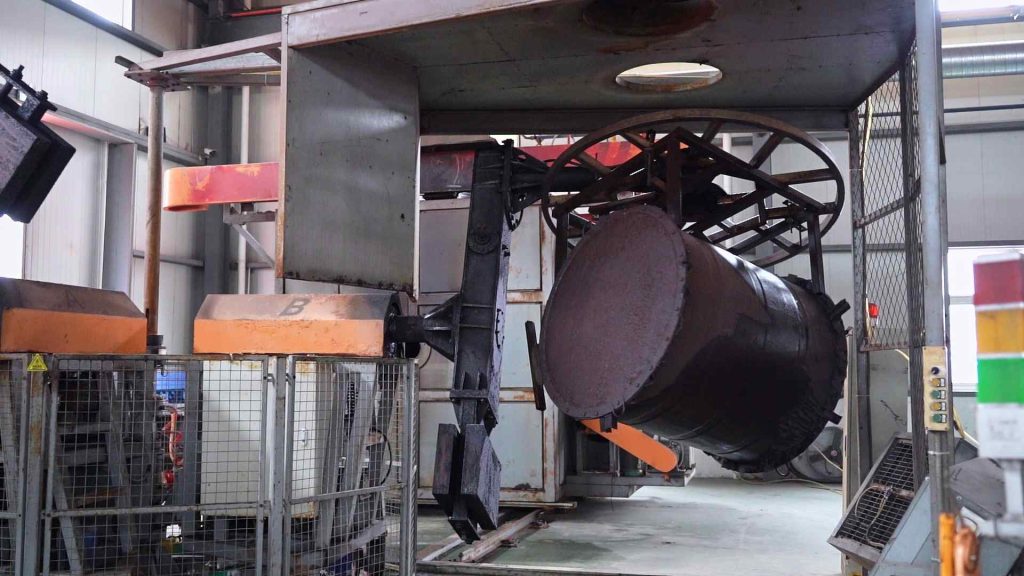
To eliminate the catastrophic risk of structural splitting under harsh wave action, our fabrication shop rejects multi-part welded methods in favor of complete monolithic molding. We utilize advanced computer-controlled polyethylene dock floats and rotomolding manufacturing processes to produce completely seamless, stress-free polymer hulls with zero internal knit lines. Through this multi-axis heating method, we manufacture heavy-duty polyethylene dock floats and ultra-stable plastic pontoons for docks with a uniform wall thickness variation of less than 0.5 mm, ensuring critical corner reinforcement. These robust dock flotation units act as critical puncture-resistant barriers, preventing water ingress even when scraped against rock lines, and ensuring our floating dock platform systems maintain structural flotation while acting as industrial floating work platforms or heavy boat dock systems in volatile 1.5-meter open wave swells.

HDPE floating dock with UV 15 stabilization

Across high-solar marine zones and intense coastal exposure, we directly confront the thermal degradation that compromises standard infrastructure. We manufacture each hdpe floating dock with uv 15 stabilization by compounding raw high-density polyethylene, ensuring our advanced hdpe floating dock platforms withstand an continuous surface temperature load of up to +80°C without dimensional deformation. To prevent material fatigue on open coastal real estate, our technical department integrates this premium polyethylene floating docks formulation directly into our heavy-duty marine floating docks. This specialized plastic dock treatment guarantees our salt water floating docks survive under relentless solar UV index ratings exceeding 15, completely eliminating the risk of surface chalking, micro-cracking, or impact ductility loss across a 15-year marine deployment lifecycle.

plastic dock cubes and polyethylene plastic pontoon specifications

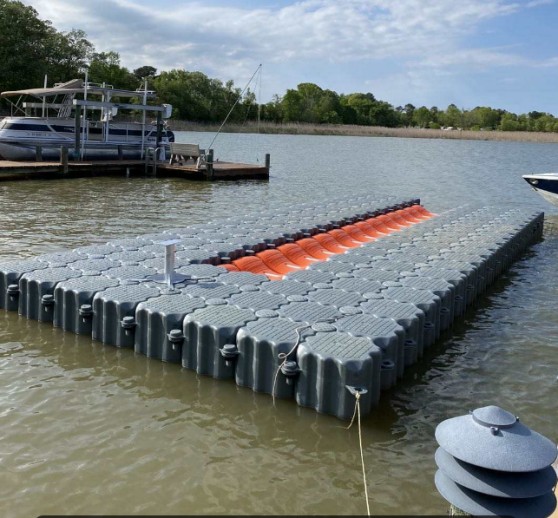
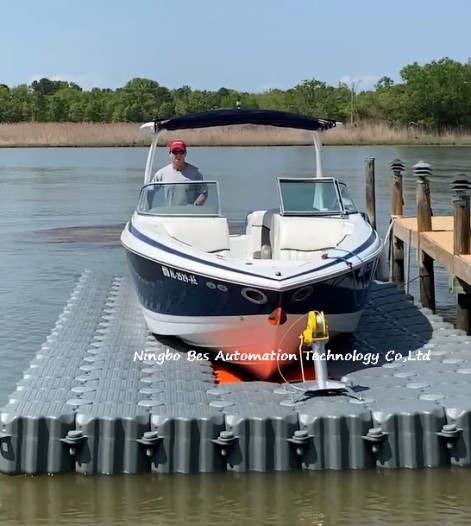
For projects requiring highly articulate grids and variable load-bearing capacities, we strictly control structural engineering tolerances. Our production facility precision-molds modular plastic dock cubes and polyethylene plastic pontoon specifications to guarantee a massive single-layer dead weight load capacity of 350 kg/㎡. By engineering thick interlocking lugs, our team ensures that these individual plastic dock cubes and our continuous modular plastic docks deliver a single-lug diagonal tensile resistance exceeding 1.8 tons. Whether configured as a floating jet ski dock, a temporary yacht dock, or a wide floating walkway, our multi-point connecting structures maintain total joint integrity without splitting when subjected to concentrated pedestrian surges or sudden vessel berthing friction.

Floating Dock Components and Hardware by Botai

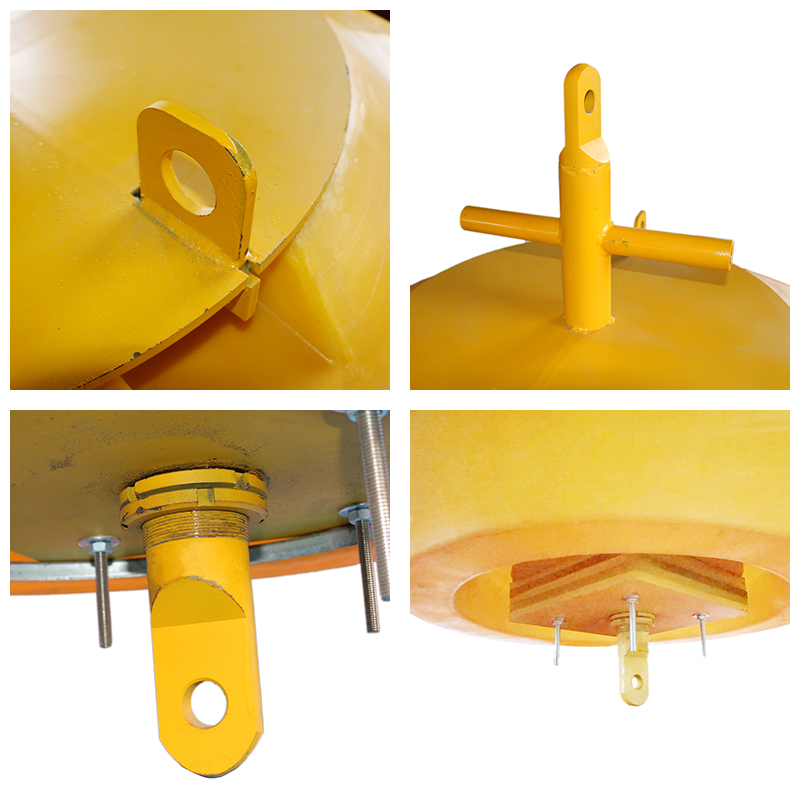
We manufacture every heavy-duty linkage and connection unit to serve as the critical mechanical infrastructure that maintains structural integrity across diverse aquatic applications, from calm inland retention ponds to heavy industrial staging areas. We do not source generic hardware; instead, our engineering team designs and casts specialized floating dock components engineered to deliver a continuous shear resistance of ≥32 kN. Our laboratory cross-tests every coupling pin and structural bracket under multi-directional loading profiles to guarantee that our specialized dock hardware systems distribute torque evenly, whether absorbing the localized static stress of a 380 kg/㎡ industrial footprint or adapting to a 10-meter vertical water level drop. From high-tensile interlocking pins to corrosive-resistant floating dock hardware, we control every mechanical tolerance to eliminate single-point failure across all municipal, commercial, and industrial configurations.

Encapsulated Dock Floats and Floating Dock Floats Attachments

To accommodate varied draft depth requirements and load-bearing capacities across commercial and residential projects, we maintain distinct structural molding profiles for underwater buoyancy. We manufacture encapsulated dock floats and floating dock floats attachments across a dimensional matrix ranging from our low-profile 600 x 400 x 300 mm shells for light berths up to our heavy-duty 1200 x 800 x 500 mm heavy industrial enclosures. Our technical department builds these specific floating dock floats attachments with an outer shell thickness precisely calibrated between 6.5 mm and 9.0 mm depending on the target displacement. This precise dimensional engineering ensures that heavy-duty 16 mm galvanized structural rods can be passed through the solid molded perimeter slots of our encapsulated dock floats, providing an unyielding grip that prevents our boat dock pontoons from shifting or stripping their heavy-duty dock floats connections under multi-ton downward pressures.

To manage the heavy physical transition between fixed land infrastructure and dynamic water surfaces, we fabricate structural bridge linkages in standardized industrial widths of 1000 mm, 1500 mm, and 2000 mm. We configure our engineered modular floating walkway systems and floating dock ramp connections as heavy-duty structural hinge assemblies, utilizing a standard 24 mm or 30 mm heavy-duty stainless steel center pin to lock the articulating joints. Our production facility plates these heavy floating dock ramp connectors with multi-point structural flanges that span up to 450 mm across the dock’s threshold to prevent localized tearing. When water levels fluctuate, these precise mechanical dimensions allow our parallel floating walkway grids to flex naturally, ensuring the entire floating walkway system maintains an uninterrupted 15-degree range of safe structural articulation along the critical floating dock walkway boundaries without binding.

To eliminate the risk of joint shear during sudden load shifts, we mold our primary interlocking pins to perfect interference-fit tolerances matching our modular lug dimensions. Our factory molds high-density hard plastic floating dock connectors and water platform fasteners featuring a standardized pin diameter of 185 mm and an overall vertical lock length of 320 mm to match our standard 500 mm cube depth profiles. We build these robust hard plastic floating dock locking keys with a calibrated wall thickness of 8 mm, ensuring that individual modular plastic docks can pitch and roll smoothly without single-point stress concentration. By reinforcing the multi-directional seating faces of these critical water platform fasteners and heavy-duty modular dock pins, our engineering team guarantees that our interlocking joints maintain total lock integrity during heavy staging operations on a static water platform, as well as during fast-paced watercraft launching on a commercial floating jet ski dock.

custom floating dock systems and engineering by botai

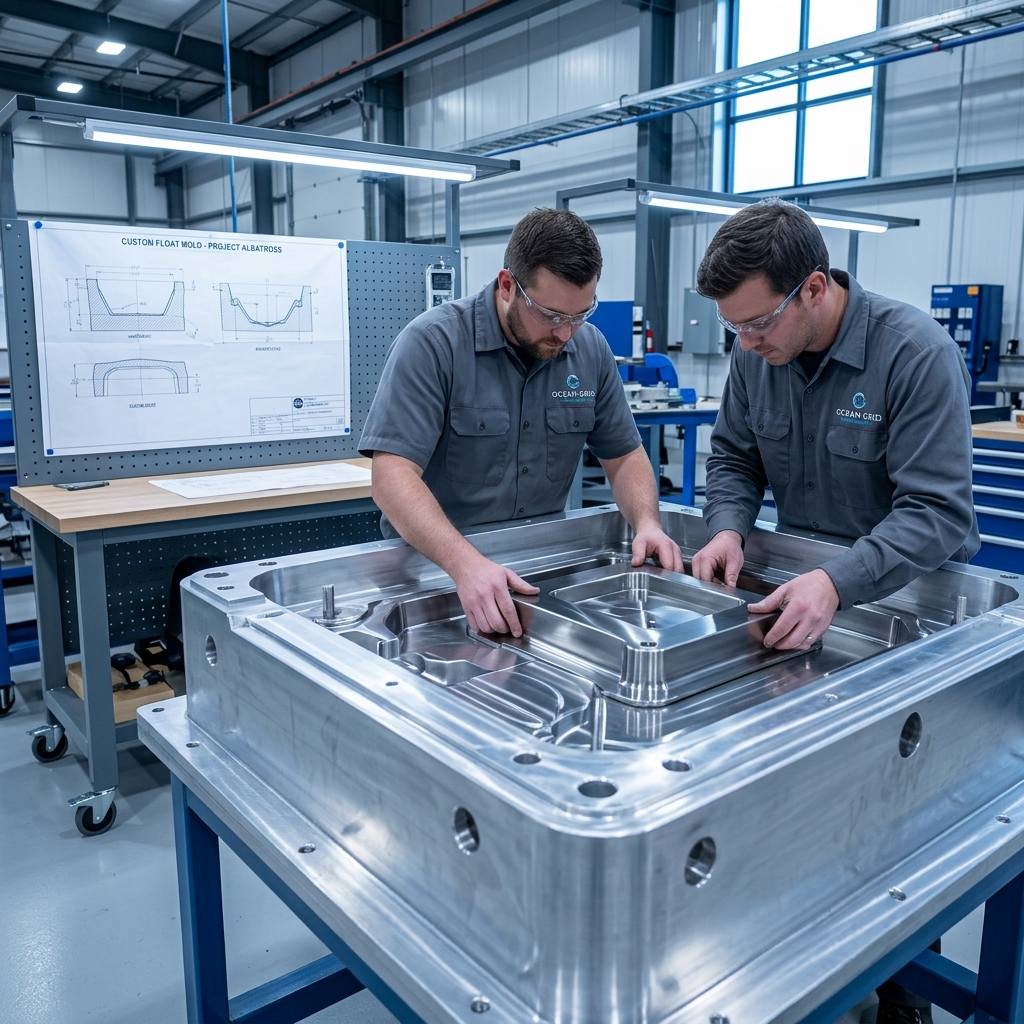
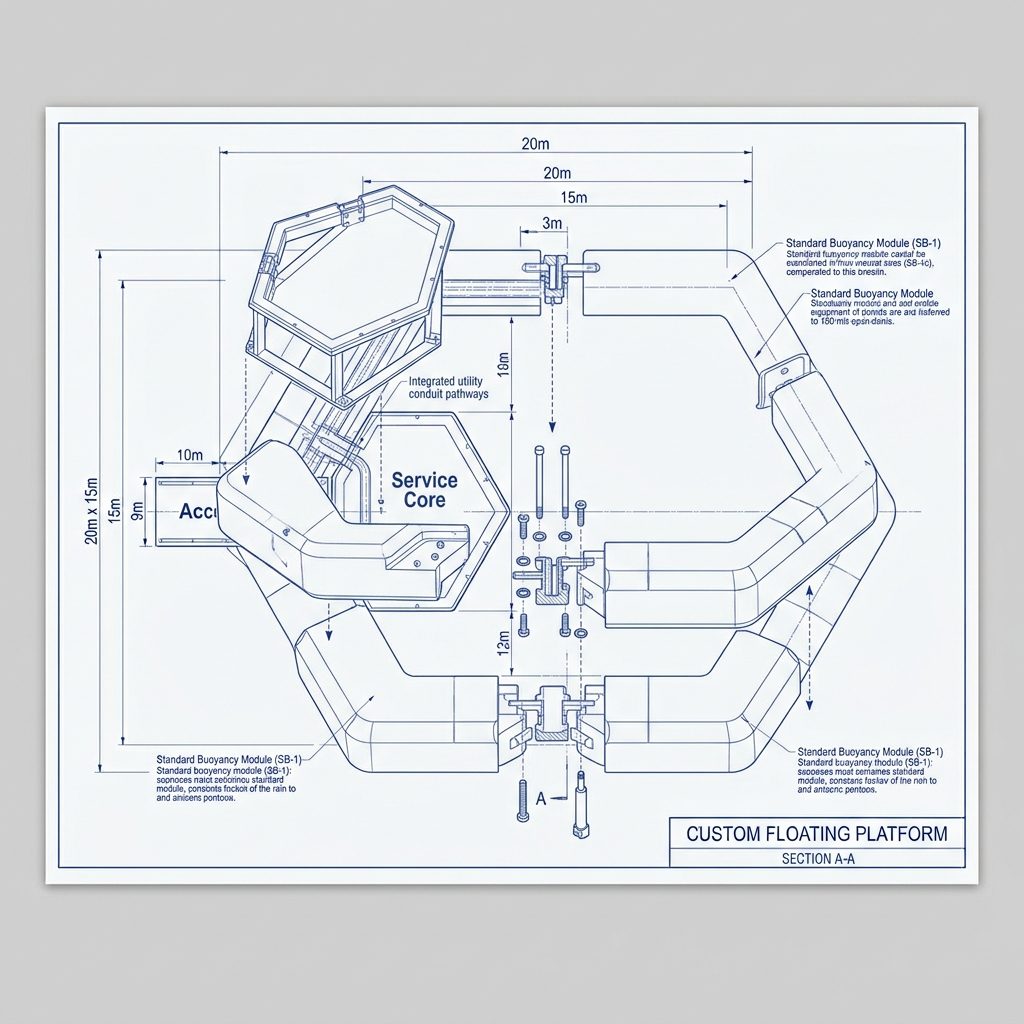
Our factory delivers a streamlined engineering process to transform complex marine layouts into precise custom floating dock systems and engineering configurations. Our in-house technical workflow strictly follows a three-stage execution pipeline: initially executing precise dock flotation and site-specific layout engineering, advancing into detailed floating platform blueprints through custom CAD drawing deepening, and finalizing production via factory OEM mold customization. By utilizing advanced rotational molding and raw ExxonMobil™ LLDPE resin, we manufacture high-strength, seamless components for any boat dock, industrial floating platform, or custom floating jetty project under strict factory control.

why partner with Botai for floating dock systems

We own the entire floating dock manufacturing lifecycle, directly connecting our 8-engineer design department to our 16,000 ㎡ rotomolding facility to eliminate third-party supply risks. As a dedicated factory established in 2012, we manage every step—from CNC mold fabrication and ISO-certified polyethylene pontoon processing to IALA-standard structural assembly. By controlling raw material compounding and internal foam filling, we maintain a standard 14-to-21-day mass production cycle, guaranteeing verifiable engineering quality and on-time delivery for modular floating dock systems.

8-engineer team designing a floating dock

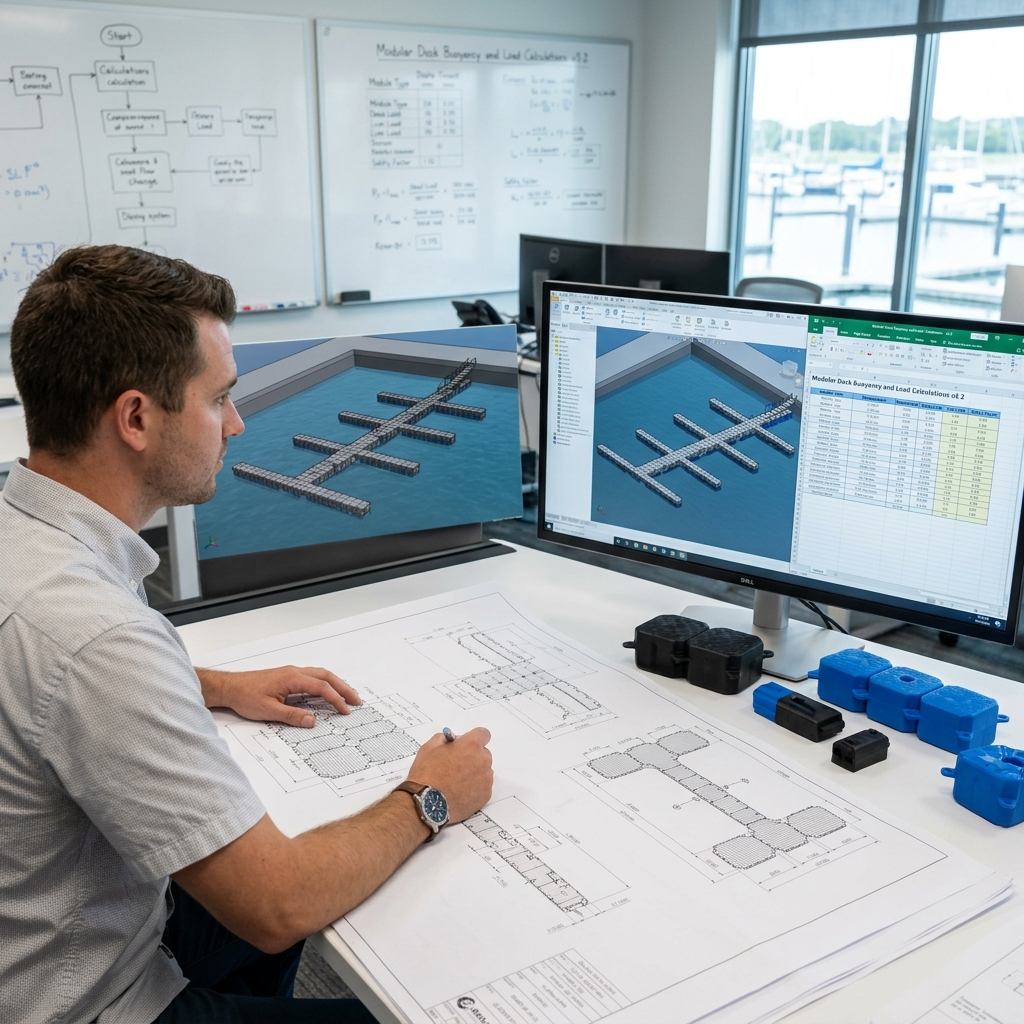
Our 8-engineer technical department directly generates the structural drawings, calculations, and custom schemes for your specific water surface footprint.

15-year China floating dock manufacturer

We have deployed rotomolded polyethylene floating dock components continuously since establishing our factory in 2012.

IALA standard floating platform processing

We operate as a verified Affiliate Industrial member of IALA (since 2020) to align platform processing with international maritime criteria.

16,000 ㎡ factory base for modular plastic docks

We run an integrated manufacturing facility that controls the complete one-stop chain from design and sampling to mass rotomolding.

ISO 9001, 14001, 45001 polyethylene pontoons production

Our factory holds active certifications for ISO 9001 (Quality), ISO 14001 (Environmental), and ISO 45001 (Safety) specifically for plastic container and float processing.

100% on-time delivery for global floating dock systems

We secure our delivery timeline with a standard 14-to-21-day mass production cycle and 3-to-5-day prototyping, leveraging internal full-process control across hundreds of completed waterborne projects.

product knowledge and technical FAQ articles by Botai

Our technical team routinely compiles direct answers to the most frequent technical definitions, configuration sizing, and operational questions raised by project contractors and technical operations teams. This unified resource hub aggregates basic product explanations, material testing walkthroughs, routine maintenance protocols, and step-by-step assembly guides covering our entire manufacturing portfolio, engineering components, and specialized hardware. These articles address immediate queries regarding raw material performance, structural definitions, hardware compatibility, field installation steps, and long-term asset maintenance, providing clear procurement clarity to help you select, deploy, and manage the correct configuration for your project requirements.

news

What is a dredge pipe in the ocean?

A dredge pipe helps move slurry in the ocean. Slurry is water, sand, silt, and gravel. Pipelines carry this mixture through the ocean. Dredge pipe floats keep the pipes above water. This stops the pipes from sinking. It also keeps the flow steady. This makes port dredging, sand mining, or

Read More »
news

What is a floating platform called?

A floating platform is also called a floating dock or floating structure. It lets people do things on water like marinas, wind farms, and building projects. You find these platforms in deep water. Fixed docks cannot work there. Advantage Description Adaptability to Water Levels The platform moves up and down

Read More »
news

What are the different types of mooring buoys?

You can see mooring buoys in lots of places. They are usually white with a blue band. There is a ring or hook to tie boats. These buoys hold boats in place without an anchor. Picking the right type keeps people safe. Look at how important things affect how well

Read More »
news

What are mooring buoys used for?

You use mooring buoys to tie your boat instead of using an anchor. These floating markers help keep marine habitats safe by stopping anchor damage. Some types can still hurt plants nearby, especially where it is crowded. Mooring buoys are a safer way to enjoy the water and help the

Read More »

FAQ about our floating platform engineering

What is the wholesale MOQ for your modular plastic docks?

We support global engineering projects with a flexible wholesale threshold starting at one standard 20-foot container, allowing mixed loading of interlocking plastic dock cubes and alignment pins. For large-scale municipal bids utilizing our continuous modular plastic docks, our factory provides structured tiered pricing discounts based on total project square meters to optimize your purchasing budget.

Yes, we supply complete, third-party audited compliance documentation for all our heavy-duty salt water floating docks and raw hdpe floating dock platforms to clear stringent municipal compliance. Our technical department provides verified SGS and TÜV Rheinland laboratory datasheets confirming ASTM D2565 UV-15 solar stabilization, ASTM D2240 D55 Shore Hardness ratings, and ISO 527 raw material tensile testing. Additionally, our fully assembled connection matrices carry certified CE marking and compliance under ISO 9001:2015 factory quality management, guaranteeing a single-lug tensile strength exceeding 1.8 tons to ensure smooth local government project approvals worldwide.

Yes, we operate a full-scale factory OEM service to build branded custom floating dock systems for regional marine distributors. Our facility controls the entire commercial pipeline from custom CAD drawing deepening to factory CNC mold customization, allowing us to stamp corporate logos directly onto customized floating jet ski dock components or heavy industrial floating work platforms.

To minimize international ocean freight costs, we utilize a nestable, high-density stacking layout for our bulk plastic pontoons for docks and standalone polyethylene dock floats. This geometric nesting strategy maximizes shipping container space efficiency by up to 35%, dramatically reducing landed per-unit transport costs for commercial contractors assembling a heavy-duty floating dock platform.

Our manufacturing facility operates high-capacity, multi-axis machinery executing continuous polyethylene dock floats and rotomolding manufacturing processes to guarantee stable lead times. Standard orders for high-volume modular floating docks or complete boat dock systems are fully molded, quality-verified under factory tolerances, and packed for container export within 15 to 20 working days, helping contractors keep project timelines on schedule.

Request a Technical Quote for Your Floating Dock Project

Contact Us