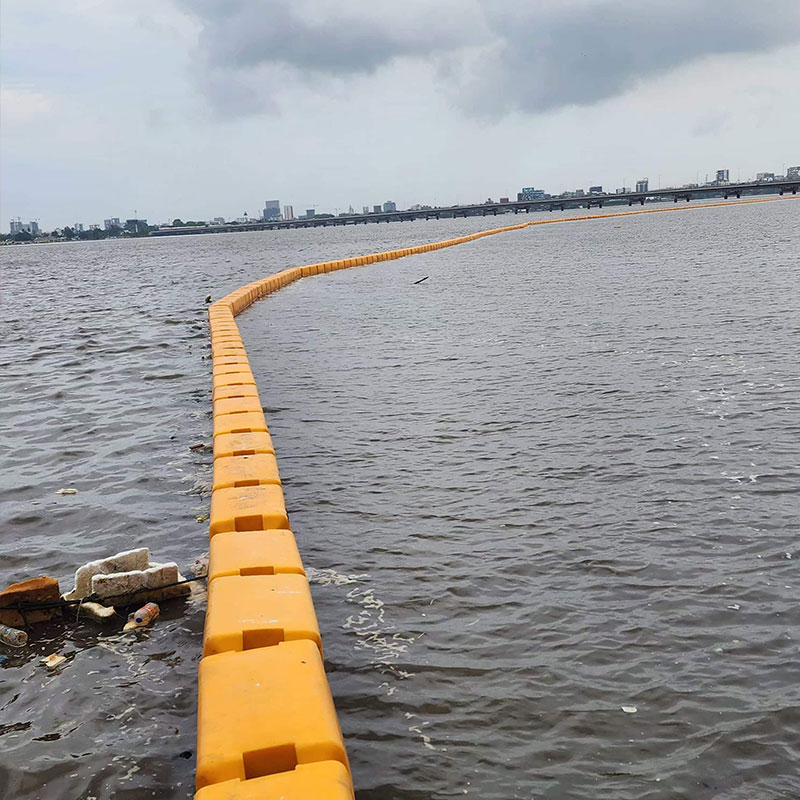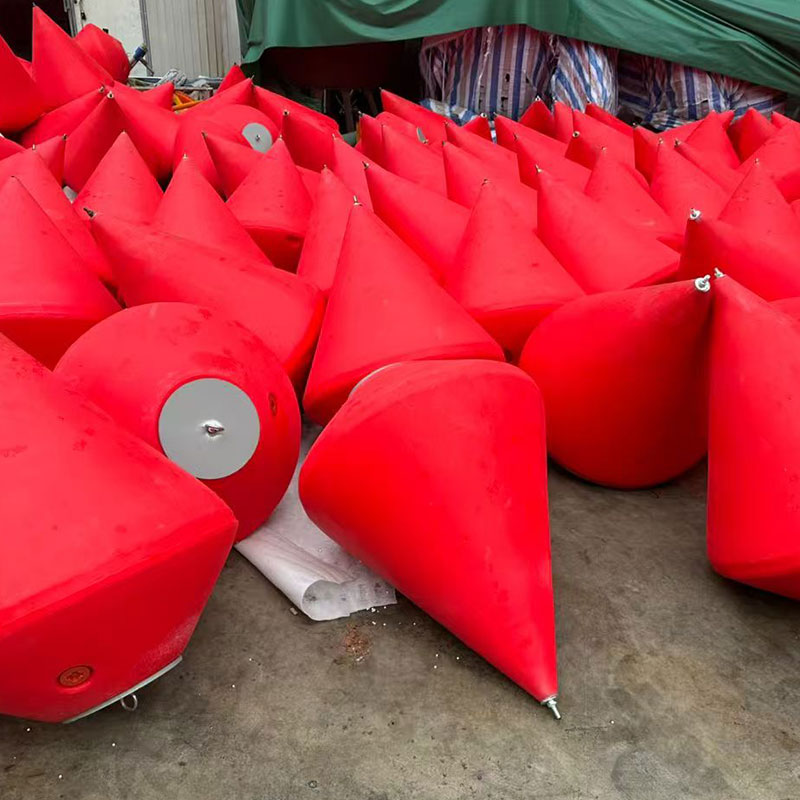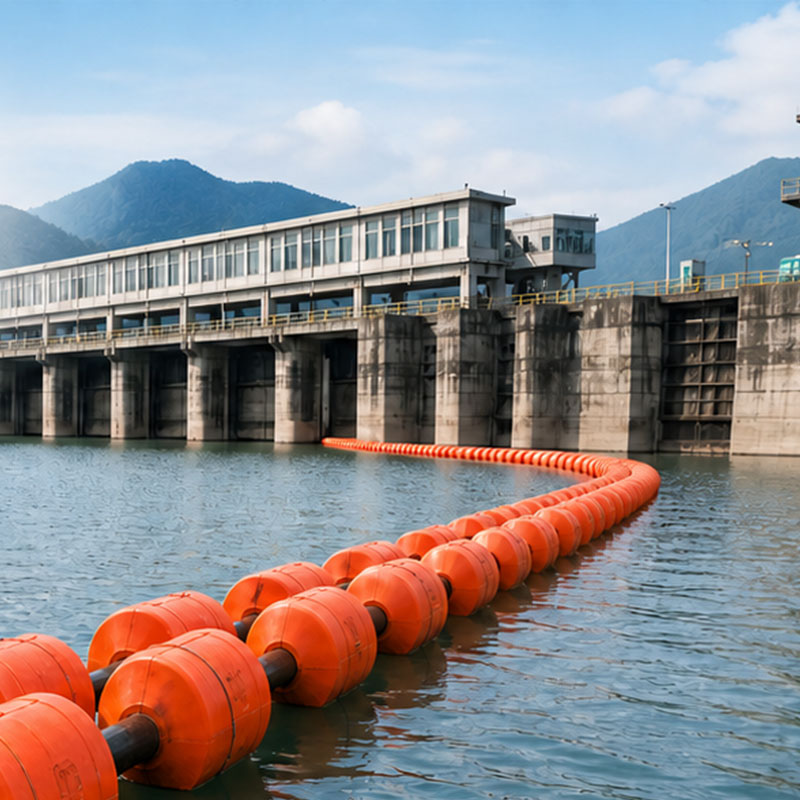

A floating platform is also called a floating dock or floating structure. It lets people do things on water like marinas, wind farms, and building projects. You find these platforms in deep water. Fixed docks cannot work there.
| Advantage | Description |
|---|---|
| Adaptability to Water Levels | The platform moves up and down with water. You can always get to it. |
| Easy Customization | You can change its shape or size for any project. |
| Durability | These platforms use strong materials. They last in tough places. |
| Fast Installation | You can set them up fast. You do not need big machines. This saves time and money. |
Floating platforms help you make safe and flexible spaces. You can work or relax on water.
Key Takeaways
- Floating platforms, called floating docks, give steady places to work on water. They move up and down with the water, so people can get on and off easily.
- These platforms can be changed to fit needs and use many materials like HDPE, wood, or composites. This makes them good for many jobs and places.
- Botai Floating Dock Systems are safe and have certificates. They are a good pick for marinas and building sites. They can be changed to fit needs and are made to last and keep people safe.
floating platform terms

What is a floating platform?
Floating platforms provide a stable working environment on water. They remain above the water because they float on the surface, rather than touching the bottom. Floating platforms can be found at docks, construction sites, and wind farms. These platforms facilitate work, leisure, or the movement of goods on the water. They rise and fall with the current, ensuring they are always accessible.
Floating platforms differ from fixed platforms. Fixed platforms are built on pile foundations or bases on land. Floating platforms must adhere to specific engineering specifications, such as API RP 2SK and ISO 19901. These specifications help maintain platform stability and protect it from waves and wind. Fixed platforms, because they do not move with the current, follow different specifications.
Floating platforms are used as work areas, tool storage areas, or boat launching points. They provide a safe and stable working environment even in strong currents.
Common names: dock, pier, jetty
Floating platforms have many names, depending on your location or your needs. Here are some common names:
- Floating dock
- Floating foundation
- Floating structure
- Jetty
- Work platform
- Modular floating barge
- Buoyant structure
People working in the marine and construction industries use these names. Some floating platforms comply with ADA regulations, so everyone can use them. Some are used for boats or kayaks. Others are used for relaxation, fishing, or enjoying the scenery. Companies can build floating platforms to suit your project. You can use them for work or recreation. These platforms can be used in many places, demonstrating their flexibility.
Main types and uses
There are different main types of floating platforms. Each type has special parts and is best for certain jobs. The table below shows the main types and what they do:
| Type of Floating Platform | Description | Typical Applications |
|---|---|---|
| Barge | Big, flat, and floats well. Usually shaped like a rectangle. Uses a catenary mooring system to stay in place. | Wind energy, calm bays, building work. |
| Tension Leg Platform (TLP) | Has long ropes that go down to the sea floor. Smaller and lighter than other types. Stays steady with tight ropes. | Deep water wind energy, oil and gas, research. |
| Floating Spar-Buoy | Tall and thin like a cylinder. Very steady in deep water. Held by heavy ropes. | Wind farms in deep water, energy projects. |
| Semi-Submersible | Has tall columns and floats. Stays steady in waves. Uses both floating and mooring to stay put. | Oil and gas, wind energy, building in the sea. |
Floating platforms are used for many things:
- Marinas and boat docks
- Wind turbines in the sea
- Fun activities like swimming or fishing
- Building work over water
Modern floating platforms utilize new materials and intelligent designs. Manufacturers aim for them to be robust, stable, and easy to assemble. Some systems allow for resizing or reshaping. Some platforms incorporate robots for maintenance or energy storage. These new ideas make floating platforms safer and more useful.
Construction Methods and Materials Used in Floating Platforms

How floating platforms are built
Most floating platforms employ a modular structure. This means you can connect the individual components to customize the platform to your needs. Modular systems are easy to move and install. You can change the platform’s size or shape as needed. Many manufacturers use pontoons made of different materials to support the deck. These pontoons help the platform remain stable and float.
The table below lists common floating platform construction methods:
| Construction Method | Description |
|---|---|
| Timber Frame | Uses wood for a classic look and strength. |
| Aluminum Frame | Offers lightweight strength and style. |
| Steel Frame | Handles heavy loads and tough conditions. |
Floating docks can be used as work platforms for marine jobs. They give you a steady place where land machines cannot go. Their modular design lets you use tools like pile hammers and cranes.
Materials: polyethylene, wood, composites
Manufacturers use different materials to construct floating platforms. Each material has its unique advantages:
- High-Density Polyethylene (HDPE): This plastic is light, does not rot, and stands up to sunlight. It is easy to take care of and lasts a long time in water.
- Wood: Wood looks natural but needs regular care. It can rot or break after some time.
- Composites: These mix fibers and plastics. They do not rust and are good for the environment, but recycling them can be hard.
| Material | Features | Use Cases | Advantages |
|---|---|---|---|
| HDPE | Durable, UV resistant | Walkways, docks | Low maintenance, eco-friendly |
| Wood | Classic, natural appeal | Traditional docks | Warm look, needs upkeep |
| Composite | Non-corrosive, customizable | Solar platforms, new docks | Durable, eco-friendly |
HDPE is great because it does not rot or rust. You do not have to worry about bad weather or saltwater.
Key design features
Floating platforms have important design features:
- Modular designs let you change the layout.
- Non-slip surfaces help keep you safe.
- Low decks make it easy to get on and off.
- ADA ramps and handrails help everyone use the platform.
- High buoyancy keeps the platform steady, even with heavy things.
- UV protection stops the surface from sun damage.
Many suppliers, such as PATEO, adhere to stringent certification standards, including ISO 9001 Quality Management System, ISO 14001 Environmental Management System, and ISO 45001 Occupational Health and Safety Management System. These certifications demonstrate the platform’s safety and reliability. HDPE platforms can withstand extreme high or low temperatures and have low maintenance costs, making them a wise choice for many projects.
Botai floating dock systems
Botai overview
If you need a floating dock system, Botai is a great option. Botai is renowned for manufacturing robust and safe floating platforms. Many yacht marinas and builders choose Botai because of their reliable dock performance. Botai can handle projects of all sizes. Our products have important safety and quality certifications.
Botai Floating Dock Systems let you make safe spaces on water. You can use them for work or fun.
Product features and benefits
Botai Terminal uses clever engineering and uses high-density polyethylene (HDPE) material, which does not break down due to sun and rain. Each pontoon can hold up to 500kg, which means you can place boats or other heavy objects on the dock. The dock pieces can be connected to each other, so you can change the shape of the dock as needed. Even if the surface is wet, it will not slip.
| Feature | Description |
|---|---|
| Durable HDPE Material | Lasts long, does not get damaged by sun or water |
| Stable Buoyancy for Heavy Loads | Each pontoon holds up to 500 kg, safe for boats and gear |
Botai has many certificates to show their docks are safe. We follow ISO rules and have approvals from ABS, DNV, and Lloyd’s Register.
| Certification Type | Description |
|---|---|
| ISO Certifications | Quality management systems |
| ABS, DNV, Lloyd’s Register | Safety and reliability approvals |
| Quality Assurance Practices | Checks for safety and quality |
Applications and customization
Botai Marinas are suitable for yacht marinas, work or leisure locations. These marinas are suitable for lakes, rivers, or the sea. You can choose from colors such as blue, orange, gray, black, or red. Each marina is UV-resistant and waterproof. For bulk orders, you can also add your logo or customize packaging.
| Customization Options | Details |
|---|---|
| Color | Blue, Orange, Grey, Black, Red, etc. |
| UV Protection | Yes |
| Waterproof | Yes |
| Logo/Packaging | Custom for big orders |
Botai helps you get the right dock for your needs. We support you from the start to the end of your project.
You have learned about the main types of floating platforms. Each type has its own features and uses.
| Type | Description |
|---|---|
| Spar-buoy | It uses one tall column to stay in place. |
| Tension leg platform | It is held down by strong ropes attached to the bottom. |
| Semi-submersible | It floats with underwater pontoons to keep it steady. |
| Pontoon-type turbines | These are made for wind power and to stay stable. |
| Floating production | This type helps get oil from under the water. |
Floating platforms are safe, easy to set up, and flexible. Botai Floating Dock Systems are trusted and certified.
- We have IALA and ISO 9001:2015 certificates.
- You can pick custom sizes and shapes for your project.
Think about your water, money, and how you will set it up. If you need help, ask Botai. They are a trusted supplier.
FAQ
What is the main advantage of a floating platform?
A floating platform gives you a steady place on water. It moves up and down with the water level. This makes it easy and safe to get on or off. You can use it for work or fun.
Can you customize Botai floating dock systems for your project?
Yes, you can change the size, color, and features. Botai lets you pick what you need for your project. We make docks for marinas, work, or fun. You can buy in large amounts or for your business.
How long does a polyethylene floating dock last?
A polyethylene floating dock can last more than 20 years. It does not break from sunlight, hits, or bad weather. This makes it a good choice for people who build or sell docks.