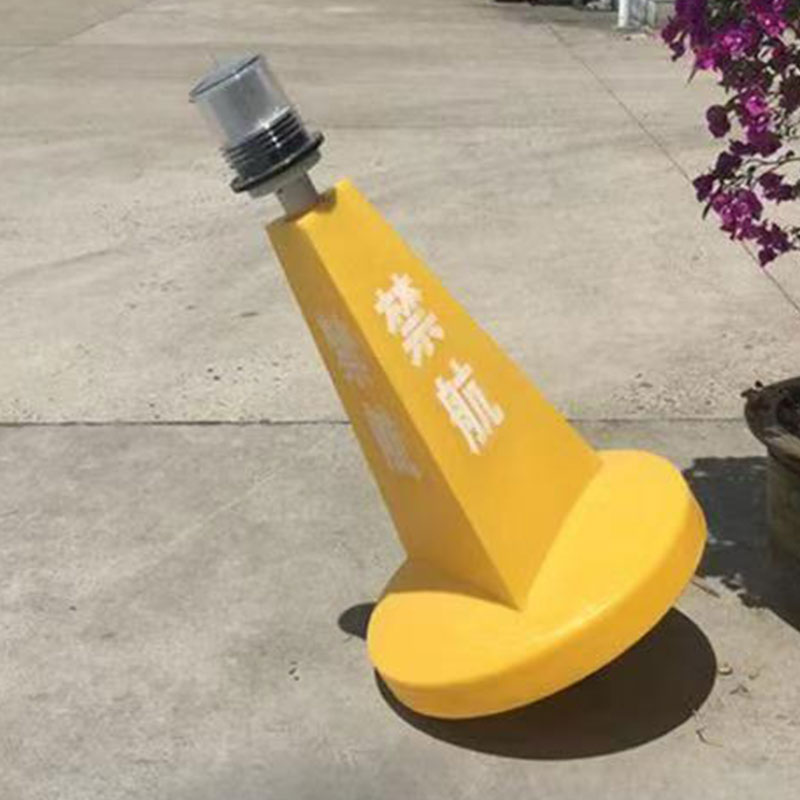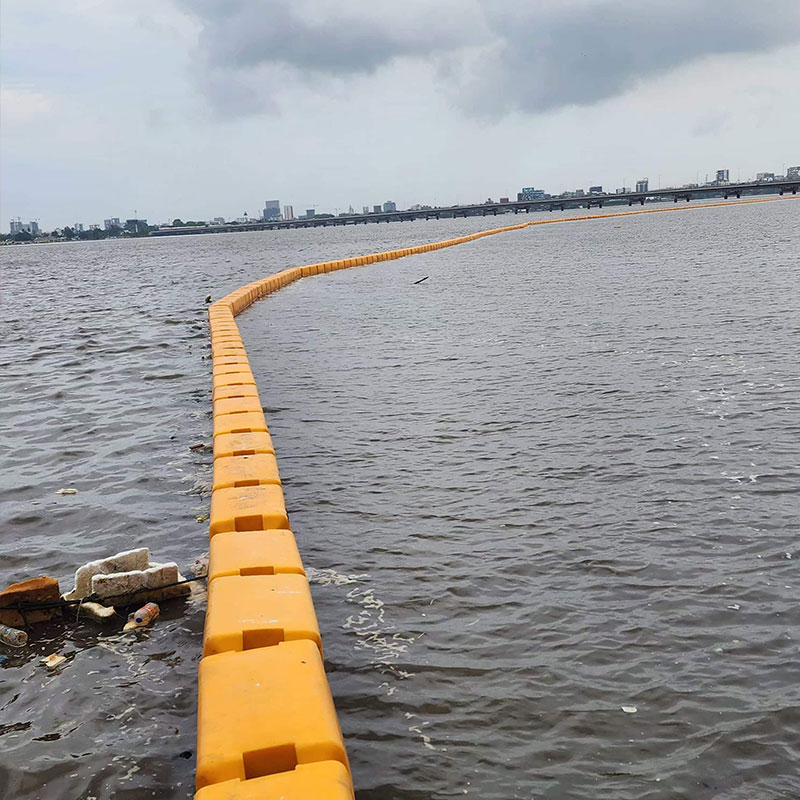
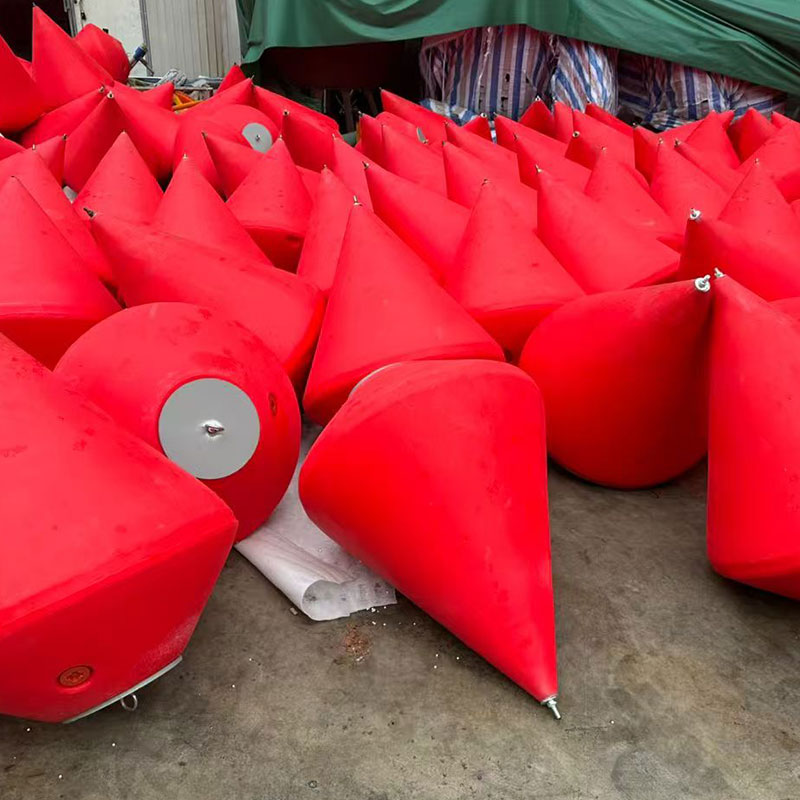
A Noaa buoy is a professional marine monitoring system designed to collect and transmit ocean data, including weather conditions, wave measurements, and water parameters. Unlike a simple floating marker, a complete Noaa buoy system combines a buoy platform, scientific sensors, power equipment, communication devices, and offshore mooring components.
The cost of a Noaa buoy depends on the monitoring requirements, deployment environment, and system configuration. A basic sensor payload typically costs between $25,000 and $60,000, while a complete offshore Noaa buoy system with deployment equipment can reach $150,000 to $250,000 or more. In addition, annual maintenance expenses may reach approximately $70,000 per buoy, depending on location, accessibility, and operational conditions.
For professional marine projects, the initial purchase price represents only part of the total investment. Deployment complexity, maintenance requirements, and expected service life are also important factors when evaluating the overall budget.
Noaa buoy Cost Overview: Initial Price and Long-Term Investment
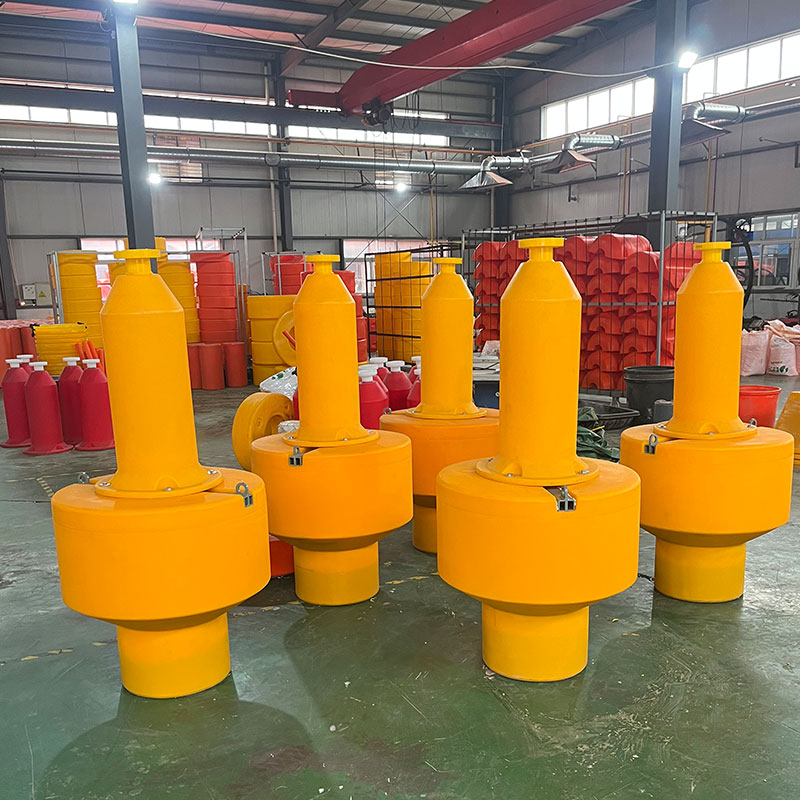
A Noaa buoy is a complete ocean observation platform rather than a single piece of equipment. The final project cost depends on multiple components, including sensors, structural design, power systems, communication equipment, installation services, and maintenance planning.
A typical cost breakdown includes:
| Cost Component | Estimated Cost |
|---|---|
| Sensor Payload | $25,000–$60,000 |
| Complete Offshore Noaa buoy System | $150,000–$250,000+ |
| Annual Maintenance | Around $70,000 per buoy |
The actual investment can vary significantly based on project requirements.
For example:
- A coastal monitoring buoy may require fewer sensors and simpler installation.
- An offshore weather monitoring buoy requires stronger structures and more reliable communication systems.
- A deep-water research buoy requires advanced mooring solutions and specialized deployment vessels.
Understanding these differences helps organizations create a more accurate project budget before purchasing or deploying a Noaa buoy system.
Noaa buoy Components That Determine the Total Cost
The total cost of a Noaa buoy is mainly influenced by the equipment configuration and engineering requirements. Each component plays an important role in system performance and long-term reliability.
Noaa buoy Sensor Payload and Monitoring Equipment
The sensor payload is one of the largest cost factors because it determines what type of ocean data the system can collect.
A Noaa buoy may include:
- Wind speed and direction sensors
- Atmospheric pressure sensors
- Air temperature monitoring equipment
- Water temperature sensors
- Wave measurement instruments
- Satellite communication modules
Basic monitoring systems may use fewer sensors, while advanced oceanographic applications require more accurate and specialized equipment.
The payload cost is usually between $25,000 and $60,000, depending on sensor quantity, accuracy requirements, communication needs, and environmental protection design.
Different applications also influence sensor selection:
- Weather forecasting requires atmospheric monitoring equipment.
- Ocean research projects may require additional water and wave sensors.
- Navigation-related applications may require location and environmental monitoring systems.
Noaa buoy Hull Design and Material Selection
The buoy structure protects internal equipment and provides stability in marine environments. Material selection directly affects durability, maintenance requirements, and operational lifespan.
Steel Buoys
Steel has traditionally been used for many marine structures because of its high mechanical strength.
Advantages include:
- Strong structural performance
- High impact resistance
- Suitable for demanding marine environments
However, steel structures require corrosion protection because long-term exposure to seawater can cause rust and material degradation.
Polyethylene Buoys
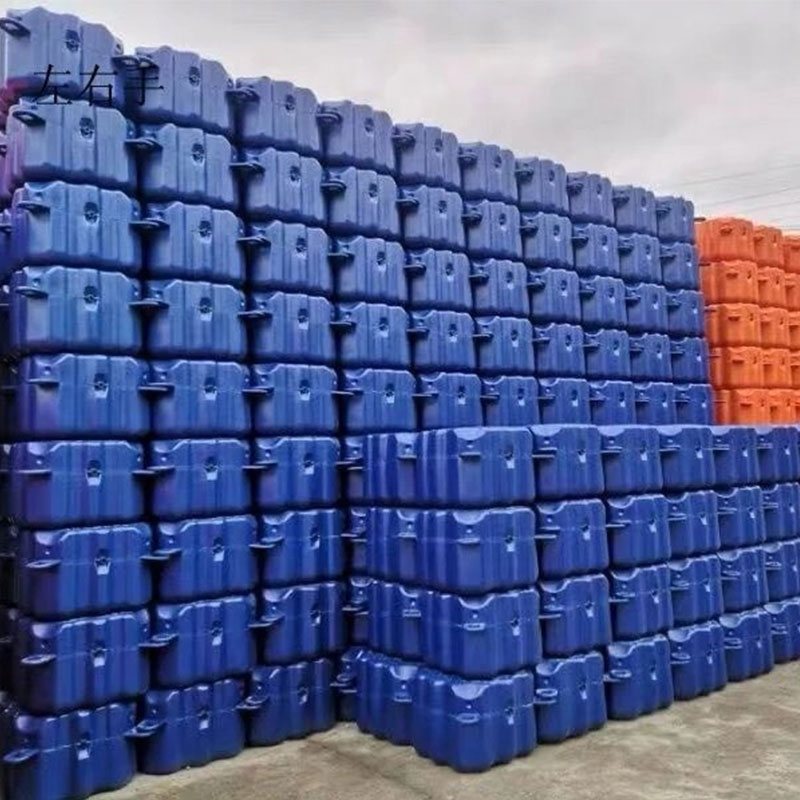
Polyethylene buoy structures are increasingly used in marine applications because of their corrosion resistance and lower maintenance requirements.
Advantages include:
- Excellent resistance to seawater corrosion
- UV stability
- Lightweight structure
- Reduced maintenance needs
Rotationally molded polyethylene is commonly selected for floating marine equipment because it provides a durable solution for long-term operation.
The best material choice depends on environmental conditions, expected service life, impact requirements, and maintenance plans.
Noaa buoy Power and Communication Systems
Remote ocean monitoring requires reliable power and communication systems because many buoys operate far away from shore.
Common systems include:
- Solar panels
- Battery storage units
- Power controllers
- Satellite communication equipment
- Data transmission systems
Power and communication components allow the Noaa buoy to collect data continuously and transmit information to monitoring centers.
For offshore applications, these systems must be designed to withstand changing weather conditions and long periods without direct human access.
Noaa buoy Deployment Cost: Installation, Mooring, and Logistics
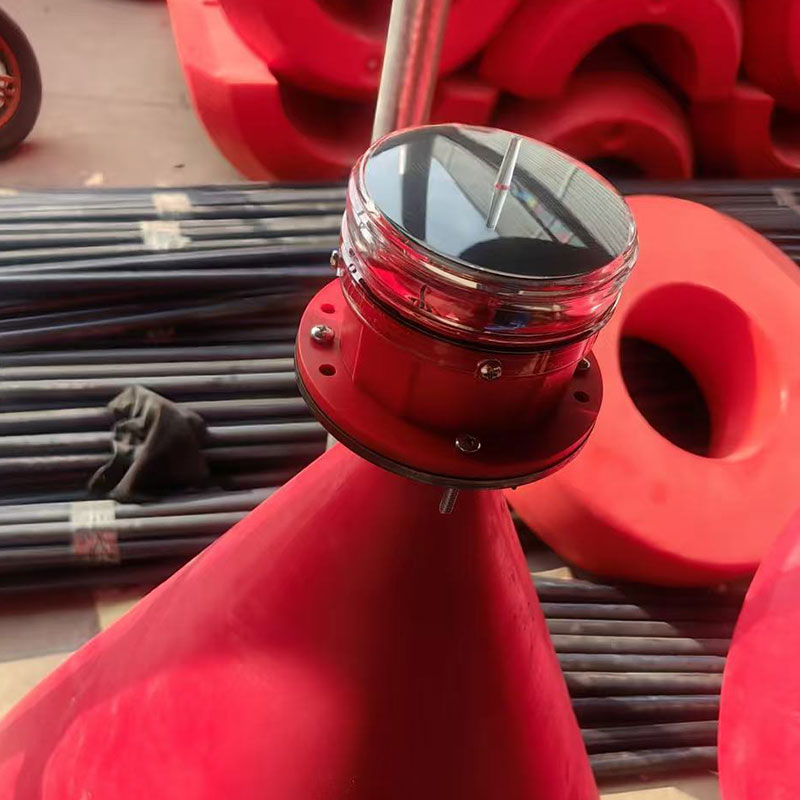
Deployment is another major factor affecting the total cost of a Noaa buoy project. Installing a buoy offshore requires specialized vessels, engineering knowledge, and carefully designed mooring systems.
Noaa buoy Mooring System Requirements
A mooring system keeps the buoy positioned correctly during operation.
Typical components include:
- Anchors
- Chains
- Synthetic ropes
- Connectors
- Underwater securing equipment
The mooring design depends on:
- Water depth
- Wave conditions
- Ocean currents
- Storm frequency
- Buoy size and weight
Deep-water applications usually require stronger anchoring systems and more complex engineering, increasing installation costs.
Noaa buoy Offshore Installation Challenges
Offshore deployment involves several logistical challenges that affect project expenses.
Important factors include:
- Vessel availability
- Distance from shore
- Weather conditions
- Transportation requirements
- Installation time
Marine crews often need suitable weather conditions to safely complete deployment operations. In remote offshore areas, vessel and labor costs can represent a significant part of the overall project budget.
Noaa buoy Maintenance Cost and Operational Considerations
A Noaa buoy requires regular maintenance to ensure accurate data collection and reliable operation throughout its service life.
The annual maintenance cost is commonly estimated at around $70,000 per buoy, although actual expenses vary depending on location and system complexity.
Noaa buoy Routine Maintenance Requirements
Regular maintenance activities may include:
- Sensor inspection and calibration
- Battery replacement
- Communication system testing
- Electronics inspection
- Mooring system checks
- Structural evaluation
Scheduled maintenance helps prevent unexpected failures and improves long-term system reliability.
Noaa buoy Repair Risks in Marine Environments
Ocean environments create several potential risks for monitoring equipment.
Common challenges include:
- Severe storms
- Vessel collisions
- Corrosion damage
- Mooring system failure
- Electronic equipment problems
A reliable buoy design should consider these risks during the planning stage. Durable materials, proper engineering, and regular inspections can help reduce operational interruptions.
Noaa buoy Cost Example for Different Marine Applications
The cost of a Noaa buoy depends heavily on the intended application. Different projects require different levels of equipment, durability, and deployment complexity.
Coastal Monitoring Noaa buoy
Coastal monitoring systems are generally easier to deploy and maintain because they operate closer to shore.
Typical characteristics:
- Smaller sensor packages
- Shorter transportation distance
- Easier maintenance access
Estimated investment:
Approximately $25,000–$100,000 depending on configuration
Offshore Weather Monitoring Noaa buoy
Offshore weather monitoring systems usually require stronger structures and more advanced communication equipment.
Typical characteristics:
- Multiple environmental sensors
- Satellite communication
- Stronger mooring systems
- Longer operational periods
Estimated investment:
Approximately $150,000 or more
Deep Ocean Research Noaa buoy
Deep-water research systems usually represent the highest investment because they require advanced equipment and complex installation methods.
Typical characteristics:
- High-precision scientific sensors
- Deep-water anchoring systems
- Specialized deployment vessels
- Higher maintenance requirements
Estimated investment:
$250,000 or more depending on specifications
Noaa buoy Cost Comparison with Other Ocean Monitoring Solutions
When selecting an ocean monitoring system, organizations should compare not only the initial purchase price but also long-term operating requirements.
Noaa buoy Compared with Traditional Weather Stations
| Factor | Noaa buoy | Traditional Weather Station |
|---|---|---|
| Human Operation | Low | High |
| Offshore Capability | Excellent | Limited |
| Continuous Data Collection | Yes | Yes |
| Remote Monitoring | Suitable | More Difficult |
Automated buoy systems provide continuous monitoring without requiring permanent offshore personnel, making them suitable for many remote marine applications.
Noaa buoy Material Comparison: Polyethylene vs Steel
| Factor | Polyethylene Buoy | Steel Buoy |
|---|---|---|
| Corrosion Resistance | Excellent | Requires protection |
| Maintenance Requirement | Lower | Higher |
| Weight | Lightweight | Heavy-duty |
| Typical Application | Monitoring and navigation systems | Large marine structures |
Material selection should be based on operating conditions rather than only the initial purchase price.
How to Estimate the Right Noaa buoy Budget for Your Project
Before selecting a Noaa buoy system, buyers should evaluate the complete project requirements instead of focusing only on equipment cost.
Important factors include:
- Monitoring objectives
- Required sensor configuration
- Deployment location
- Water depth and environmental conditions
- Mooring requirements
- Maintenance accessibility
- Expected service life
A properly planned Noaa buoy system can improve data reliability while reducing unexpected operating expenses over the long term.
Noaa buoy FAQ
How much does a Noaa buoy cost?
A Noaa buoy payload typically costs between $25,000 and $60,000. A complete offshore deployment system with installation and mooring equipment may reach $150,000 to $250,000 or more.
What is included in the cost of a Noaa buoy?
A complete Noaa buoy system usually includes:
- Buoy platform
- Sensor payload
- Power system
- Communication equipment
- Mooring system
- Deployment services
How much does Noaa buoy maintenance cost per year?
Annual maintenance costs are commonly estimated at around $70,000 per buoy. Actual costs depend on location, accessibility, equipment type, and operating conditions.
Why are polyethylene buoys used for Noaa buoy applications?
Polyethylene buoys are used because they provide strong corrosion resistance, UV stability, and reduced maintenance requirements compared with traditional materials.
What factors affect Noaa buoy pricing the most?
The biggest factors include:
- Sensor configuration
- Buoy material
- Deployment depth
- Mooring design
- Installation requirements
- Maintenance conditions
Sources and Cost Reference
The cost estimates in this article are based on publicly available marine monitoring information, ocean observation equipment references, and general industry-level deployment considerations.
Actual Noaa buoy project costs may vary depending on technical specifications, environmental conditions, installation requirements, and long-term operational plans.