
You will find the average cost of a floating dock depends on several factors.
- Prices range from $20 to $50 per square foot.
- For a standard 400-square-foot dock, costs can reach $8,000 to $20,000.
Dock size, materials, and design affect pricing. Botai Floating Dock Systems offers custom manufacturing and wholesale solutions for your aquatic needs.
Key Takeaways
- Floating dock prices typically range from $15–$40 per square foot, depending on the dock’s size, materials, and design.
- Plan for additional expenses, including installation, permits, and accessories, to create an accurate project budget.
- Choose durable materials like HDPE to extend your dock’s lifespan while reducing long-term maintenance and replacement costs.
Floating dock cost overview
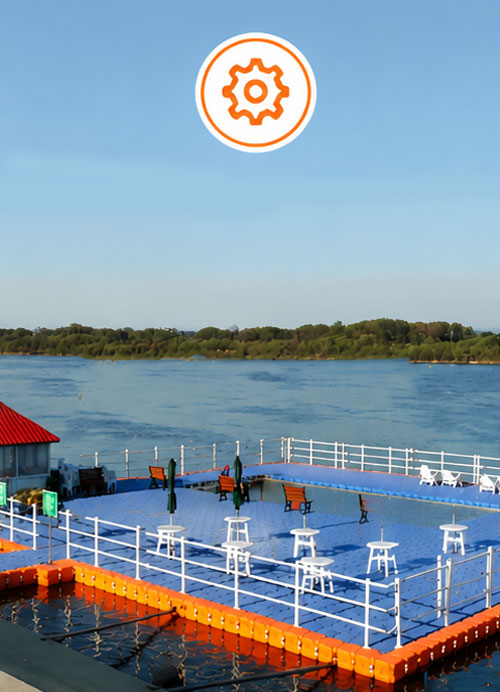
Price range and averages
Floating dock prices can be very different. The cost changes based on type, size, and features. Here are some usual prices:
- HomeGuide says most floating docks cost $15 to $35 per square foot in 2024.
- Some modular floating docks cost $40 to $100 per square foot.
- Installing a small dock usually costs $1,500 to $3,000.
- Kits for homes often cost $3,000 to $30,000 each.
- A 400-square-foot dock can cost $8,000 to $20,000.
Note: Aluminum docks cost $20 to $50 per square foot. Plastic and air-filled docks are cheaper. Concrete docks cost the most.
The floating dock market is expanding rapidly. Reports indicate a growing need for floating docks. The market is projected to grow at approximately 5% annually until 2030.
Factors affecting cost
Many things change the price of a floating dock. Think about these before you buy:
- Materials: The material you pick changes the price and how long your dock lasts. High-density polyethylene (HDPE) is a top choice. It does not get damaged by the sun, does not rot, and works in saltwater. HDPE does not rust or corrode, so you fix it less.
- Size: Bigger docks cost more. They need more materials and work.
- Design complexity: Simple docks are cheaper. If you want special shapes or extra parts, the price goes up.
- Additional features: Adding railings, lights, benches, or ladders costs more. These make your dock safer and nicer.
- Local requirements: Some places need permits or have rules. These can make your dock cost more.
Here is a table to compare some materials:
| Material | Durability | Maintenance | Cost Range (per sq ft) |
|---|---|---|---|
| HDPE (Plastic) | High | Low | $15 – $35 |
| Aluminum | High | Low | $20 – $50 |
| Concrete | Very High | Low | $40+ |
| Wood | Medium | High | $15 – $30 |
Site and installation impact
The location where a floating dock is built will affect the price. Here are some things to consider:
- Deep water needs longer piles and special tools. This makes it cost more.
- Docks in tidal areas must move with the water. You may need extra parts and work.
- Rocky or muddy shores are harder for building. Floating docks are good here because they do not need deep foundations.
- Floating docks are best for deep water or tough shorelines. They do not hurt the environment as much.
You should plan for extra costs:
- Installation: Hiring someone to install your dock costs $40 to $100 per hour.
- Permits: Permit fees can be $100 to over $1,000, depending on where you live.
- Accessories: Ladders, benches, bumpers, and lights can add hundreds or thousands of dollars.
Saltwater, sun, and lots of use can make repairs cost more. Metal parts rust faster in saltwater. Picking the right materials helps you fix your dock less.
Many people add accessories to their floating docks to make them even better. Common options include solar lights, benches, ladders, mooring bollards, bumper pads, and storage boxes. These accessories can make your dock safer and more fun, but they can also increase costs.
Botai floating dock systems
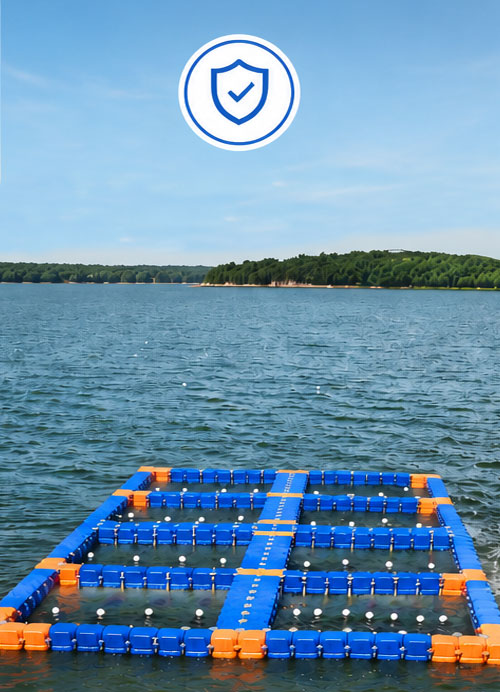
Features and benefits
You need a safe and durable marina. Botai is a manufacturer of large modular pontoon systems. Their marinas are made of high-density polyethylene (HDPE). This material helps the marina maintain good buoyancy and remains robust and durable even in harsh weather. The marina surface is non-slip, making it less prone to slipping even when wet. Botai marinas are suitable for a variety of environments and can cope with significant changes in water level.
Below is a comparison between Botai and other companies:
| Feature/Benefit | Botai Floating Dock Systems | Competitors |
|---|---|---|
| Specialization | HDPE/PE modular docks | Varies by manufacturer |
| Delivery Performance | Exceptional on-time delivery | Varies by manufacturer |
| Suitability for Projects | Focus on reliability and modularity | Varies by manufacturer |
You can count on Botai’s quality. The company follows many rules and standards:
| Certification/Standard | Description |
|---|---|
| ISO 9001 | Quality management system standard |
| ISO 14001 | Environmental management system standard |
| ASTM B209 | Specification for aluminum alloys |
| DNV GL | Marine structural components certification |
| ABS | American Bureau of Shipping certification |
| Lloyd’s Register | Marine and offshore industries certification |
| CE marking | Compliance for European installations |
| GB/T standards | Standards for projects in China |
Customization and durability
You may need to build docks for lakes, rivers, or ports. Botai offers customization options for each project. If you purchase at least 1000 pieces, you can add your logo, special packaging, or designs.
| Customization Type | Minimum Order Requirement |
|---|---|
| Customized logo | 1,000 pieces |
| Customized packaging | 1,000 pieces |
| Graphic customization | 1,000 pieces |
Botai docks last a long time. HDPE pontoons with UV protection can last 5 to 12 years. Encapsulated foam floats can last up to 20 years.
Tip: Buy your dock in the off-season for faster shipping. Delivery usually takes 5 to 6 weeks, but it is slower from March to July.
With Botai, you get a dock that fits your needs, lasts through tough weather, and meets strict standards.
Floating dock vs. other dock types
Cost comparison
When you look at dock options, you will see different prices for each type. Here is a table to help you compare the costs:
| Dock Type | Initial Cost (CapEx) | Maintenance Cost (OpEx) | Cost per Square Foot |
|---|---|---|---|
| Fixed Docks | $25 – $45 per sq. ft. | $250 – $900/year | $25 – $45 |
| Floating Docks | $35 – $65 per sq. ft. | ~$0 (periodic rinsing) | $20 – $40 |
| Removable Docks | Varies | Varies | $20 – $45 |
You’ll find that floating docks typically have lower maintenance costs than fixed docks. Fixed docks often require more repairs and maintenance each year. Detachable docks are priced similarly to fixed docks, but the exact cost will vary depending on the design.
Pros and cons
You should think about the benefits and drawbacks before you choose a dock. Here is a quick guide:
Advantages of floating docks:
- Adjust to changing water levels, so you always have easy access to your boat.
- Easy to install with less impact on the waterbed.
- You can move or expand them as your needs change.
- Simple to maintain, since you can remove sections for repairs.
- Good for the environment, because they do not disturb aquatic habitats.
Disadvantages:
- You may feel gentle movement when waves hit the dock.
- Some activities, like fishing or sunbathing, may need a more stable surface.
Tip: Floating docks use air-filled or foam-filled pontoons to stay level with the water. This keeps the dock safe and easy to use, even when water levels rise or fall.
Choosing the right dock depends on your site, budget, and how you plan to use it.
Floating docks typically cost between $15 and $40 per square foot. Key factors that influence price include materials, installation and dock location. Choosing a reputable brand like Botai means your dock will last longer. Please refer to the table below to help you plan your required budget:
| Factor | Why It Matters |
|---|---|
| Material Choices | Affects cost and maintenance |
| Installation Costs | Varies by project complexity |
| Site-specific Needs | Impacts design and pricing |
Tip: You should always ask for several prices and look at your site before you buy.
FAQ
How long does a floating dock last?
You can expect a floating dock to last 10 to 20 years. The lifespan depends on the material and how well you care for it.
Do floating docks need much maintenance?
You need to rinse your dock and check for damage a few times each year. Most floating docks require less work than fixed docks.
Can you install a floating dock yourself?
You can install small floating dock kits yourself with basic tools. For larger docks, you should hire a professional for safety and stability.