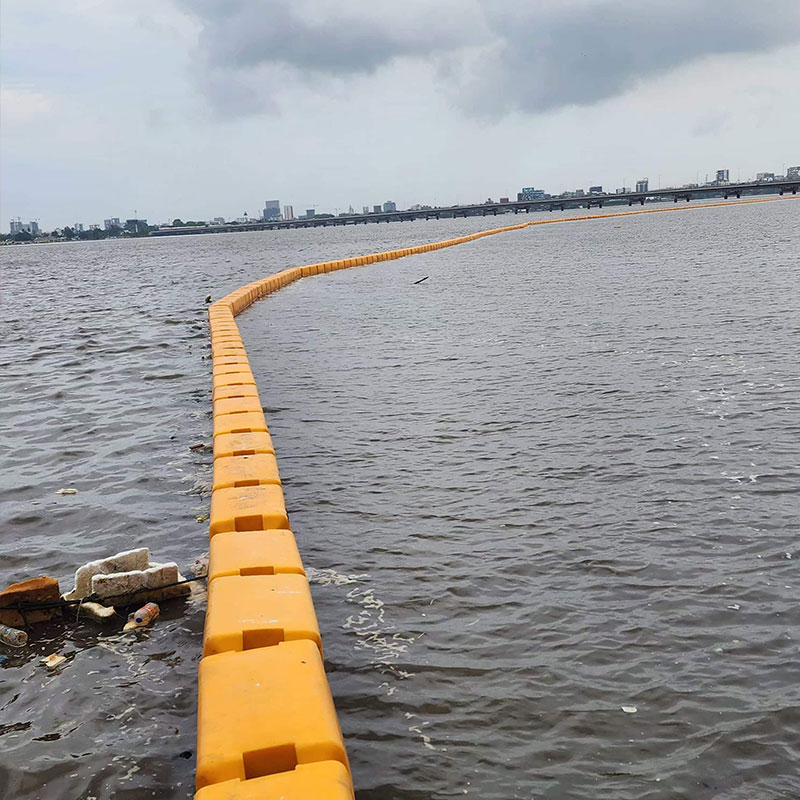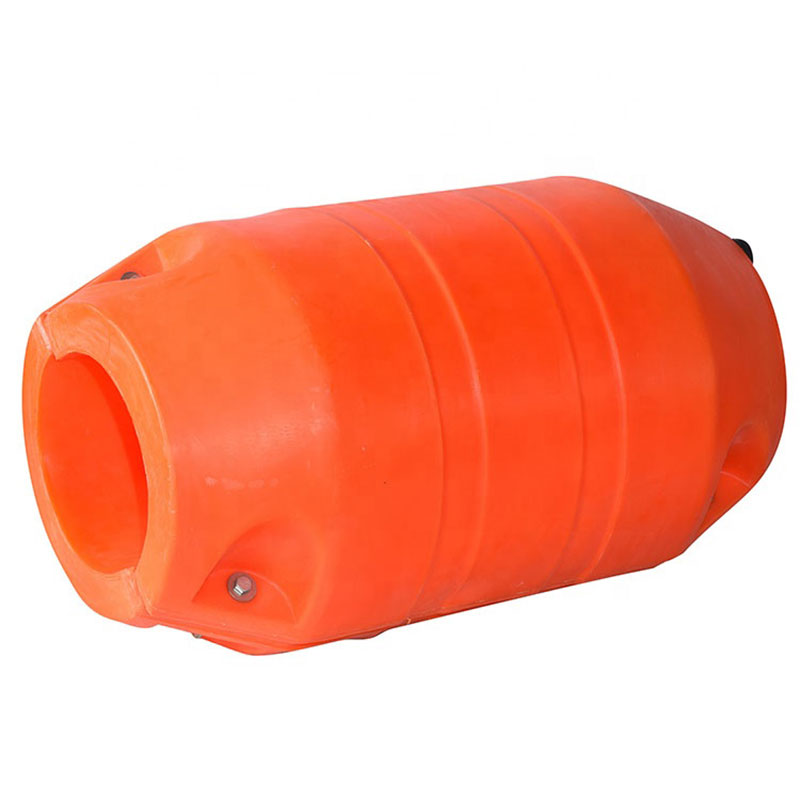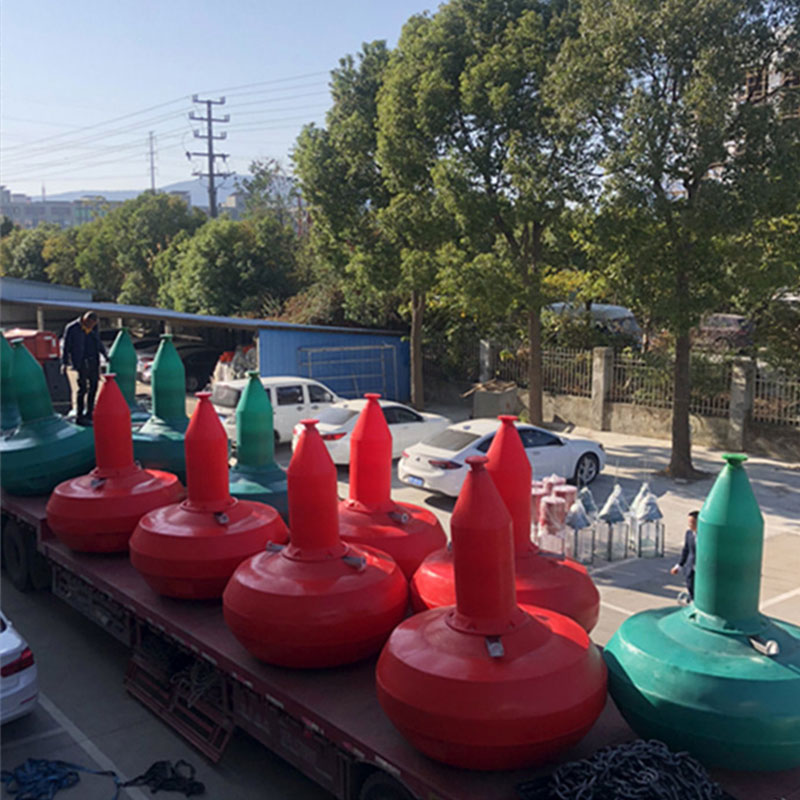
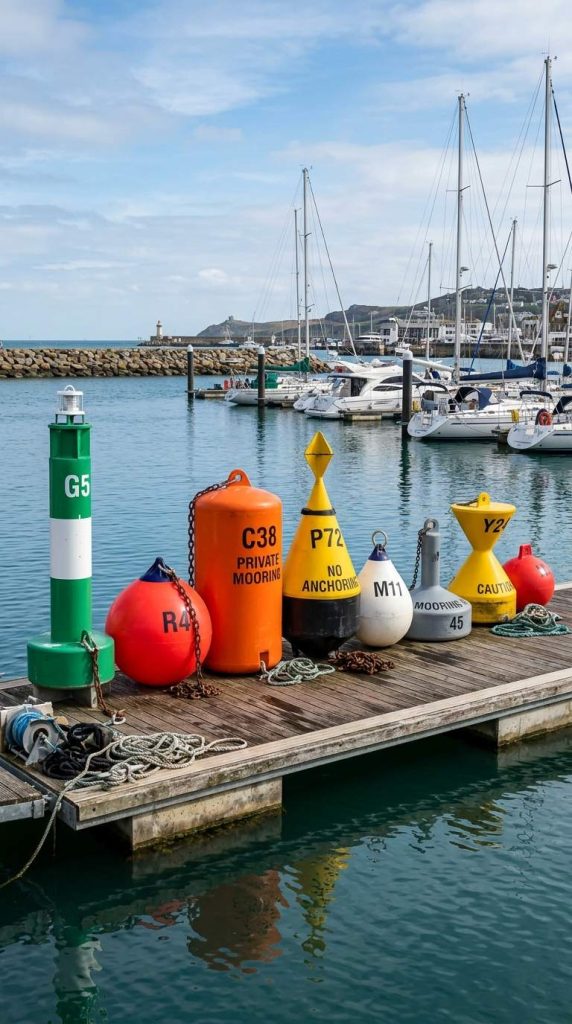
Ocean buoys can last 10–20 years or longer, but their actual service life depends on the buoy type, construction materials, ocean conditions, mooring system, and maintenance. The buoy hull may remain in service for decades, while electronics, sensors, batteries, and other components usually need replacement much sooner.
For this reason, buoy lifespan should be considered in terms of both structural service life and component life.
Key Takeaways
- Buoy lifespan varies by type, with many ocean monitoring, navigation, and mooring buoys lasting 10–20+ years under suitable conditions.
- The hull usually lasts longer than electronics, while sensors, batteries, and communication equipment may need replacement after only a few years.
- Waves, storms, corrosion, UV exposure, biofouling, and mooring conditions can significantly shorten a buoy’s service life.
- Regular inspection, cleaning, component replacement, and mooring maintenance can extend operational life and reduce unexpected failures.
- Repair is often practical when damage is localized, while severe structural damage, extensive corrosion, or repeated failures may justify full buoy replacement.
How Long Do Different Buoys Last?
Lifespan by Buoy Type
The lifespan of a buoy varies considerably depending on its purpose and operating environment.
| Buoy Type | Typical Service Life | Main Factors |
|---|---|---|
| Drifting data buoy | Several months to a few years | Battery capacity, electronics, drifting conditions |
| Ocean monitoring buoy | 10–20+ years | Hull material, corrosion, waves, maintenance |
| Navigation buoy | 10–20+ years | Hull durability, mooring, impact, weather |
| Mooring buoy | 10–20+ years | Structural loading, corrosion, mooring system |
These are general service-life ranges rather than fixed replacement schedules. A well-maintained buoy operating in moderate conditions may last longer, while severe waves, corrosion, collisions, or poor maintenance can shorten its useful life.
How Long Do Buoy Hulls Last?
The hull is usually one of the longest-lasting parts of an ocean buoy. Fiberglass, polyethylene, steel, aluminum, and other marine-grade materials can provide years of service when properly selected for the environment.
A well-designed buoy hull can often remain operational for 10–20 years or more. However, long-term exposure to saltwater, UV radiation, waves, impacts, corrosion, and marine growth can gradually weaken the structure.
The hull should therefore be inspected regularly for:
- Cracks, deformation, or impact damage
- Corrosion or coating failure
- Water intrusion
- Material degradation
- Loose or damaged fittings
How Long Do Buoy Electronics and Sensors Last?
Electronics generally have a much shorter service life than the buoy structure.
Sensors, controllers, communication equipment, and other electronic components may require replacement or refurbishment after a few years, depending on their design and operating conditions. Batteries also have a limited cycle life and may need to be replaced periodically.
This means a buoy can remain structurally sound while its electronic systems are already due for replacement.
A long-lasting buoy is therefore usually maintained through component replacement rather than replaced as a complete unit.
What Affects Buoy Lifespan?
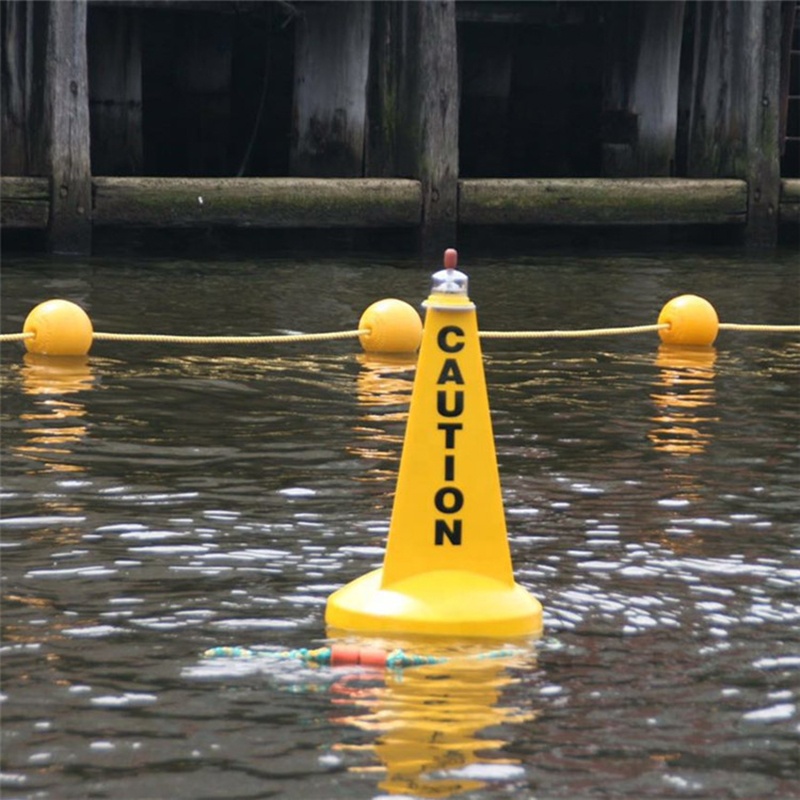
Several environmental and operational factors determine how long a buoy can remain in service.
Environmental Stress and Weather
Ocean conditions are among the biggest factors affecting buoy durability. Strong waves, storms, high winds, currents, and repeated movement can place continuous mechanical stress on the hull, fittings, and mooring system.
Buoys operating in exposed offshore locations generally experience greater stress than those installed in sheltered waters.
Material Degradation and Biofouling
Saltwater and UV exposure can gradually degrade materials and protective coatings. Metal components may corrode, while plastics, coatings, and composite materials can deteriorate after prolonged exposure.
Biofouling is another common problem. Barnacles, algae, and other marine organisms can accumulate on submerged surfaces, increasing weight and drag and making inspection and cleaning more difficult.
Selecting marine-grade materials and maintaining protective coatings can significantly improve long-term durability.
Mooring and Installation Conditions
The mooring system is critical to buoy longevity. Anchors, chains, ropes, connectors, and other components must withstand repeated loading from waves and currents.
Poor installation or an improperly designed mooring system can cause excessive movement and mechanical stress, increasing the risk of premature failure.
How Can You Extend a Buoy’s Lifespan?
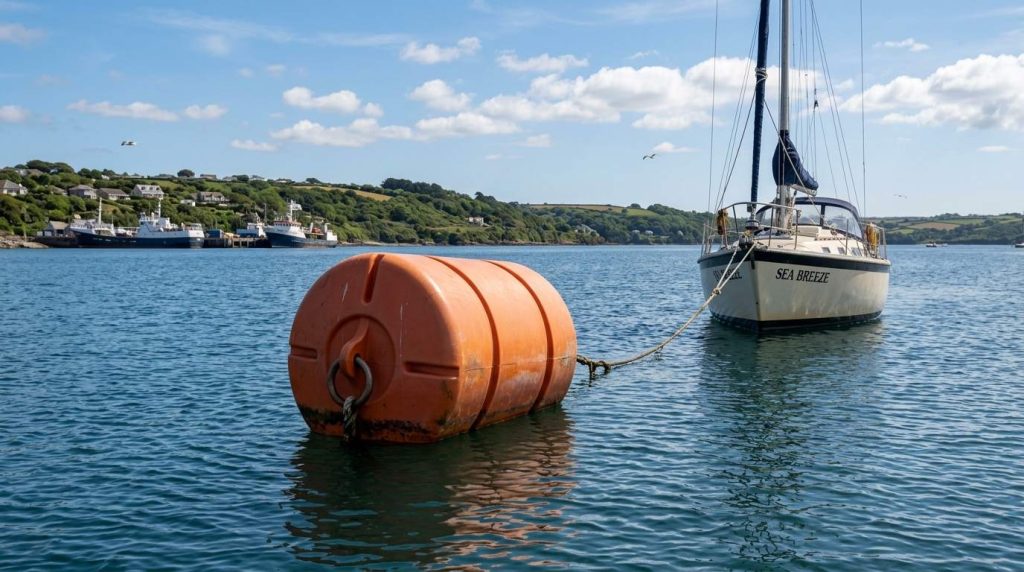
Regular maintenance can extend the useful life of both the buoy structure and its components.
Routine Inspection and Cleaning
Inspect the buoy regularly for structural damage, corrosion, marine growth, and loose connections. Cleaning submerged surfaces can reduce biofouling and make it easier to identify developing problems.
The inspection schedule should reflect the buoy’s location and operating conditions rather than relying on a single universal interval.
Replace Components Before They Fail
Sensors, batteries, communication equipment, cables, connectors, and other consumable or wear-prone components should be checked and replaced proactively.
Replacing a failed component after a buoy stops transmitting data can be more costly than scheduled maintenance, especially when offshore retrieval is required.
Maintain the Mooring System
The mooring system deserves the same attention as the buoy itself. Check ropes, chains, shackles, anchors, and connection points for corrosion, wear, deformation, and other signs of damage.
A durable hull cannot compensate for a failing mooring system.
When Should You Repair or Replace a Buoy?
A buoy does not necessarily need to be replaced simply because it has been in the ocean for many years.
Signs a Buoy Can Still Be Repaired
Repair may be appropriate when:
- The hull remains structurally sound
- Damage is localized and repairable
- Sensors or electronics are the main source of failure
- Batteries or communication components have reached the end of their service life
- Mooring components can be replaced
In these cases, refurbishing the buoy may be more practical than replacing the entire system.
Signs a Buoy Needs Replacement
Replacement becomes more appropriate when structural damage is extensive or when continued repairs are no longer economically or operationally practical.
Common warning signs include:
- Severe hull cracking or deformation
- Extensive corrosion
- Repeated structural failures
- Major water intrusion
- Damaged or unreliable mooring connections
- Obsolete electronic systems that are difficult to maintain
The decision should consider both the remaining structural life and the cost of continued maintenance.
FAQ
Can a buoy last 20 years in the ocean?
Yes. Some ocean and navigation buoys can remain in service for 20 years or longer when they are properly designed, maintained, and operated in suitable conditions.
What part of a buoy fails first?
Electronic components, sensors, batteries, cables, and communication equipment generally require attention sooner than the main buoy hull.
Does saltwater shorten buoy lifespan?
Yes. Continuous exposure to saltwater can accelerate corrosion and material degradation, especially when the buoy is not properly protected or maintained.
How often should ocean buoys be maintained?
There is no single maintenance interval for every buoy. Inspection and servicing should be based on buoy type, materials, location, ocean conditions, and the manufacturer’s recommendations.
Can an old buoy be refurbished?
Yes. If the hull and major structural components remain sound, replacing electronics, batteries, sensors, and mooring components can extend the buoy’s useful service life.