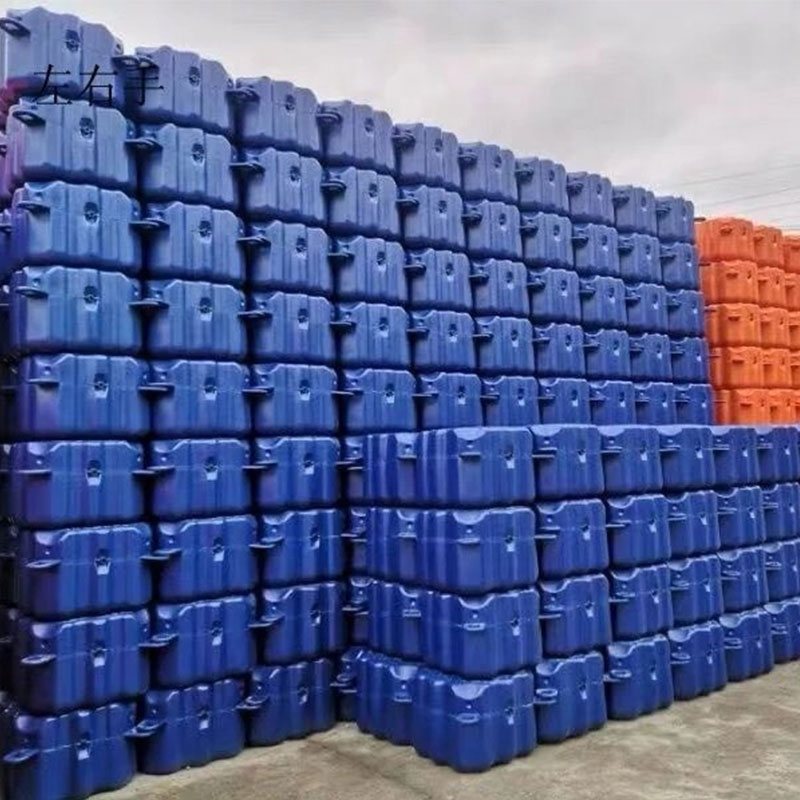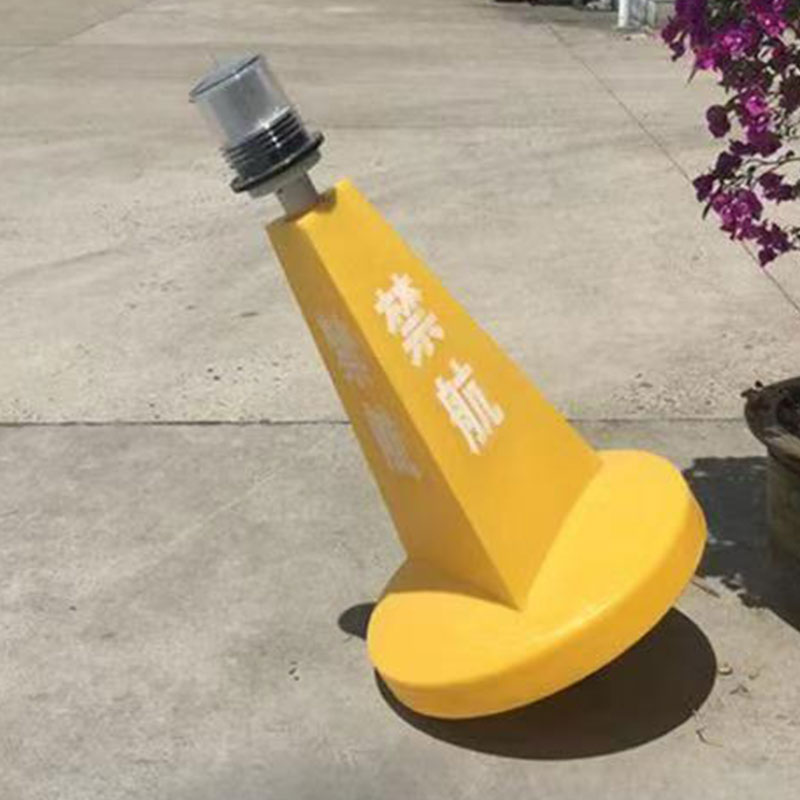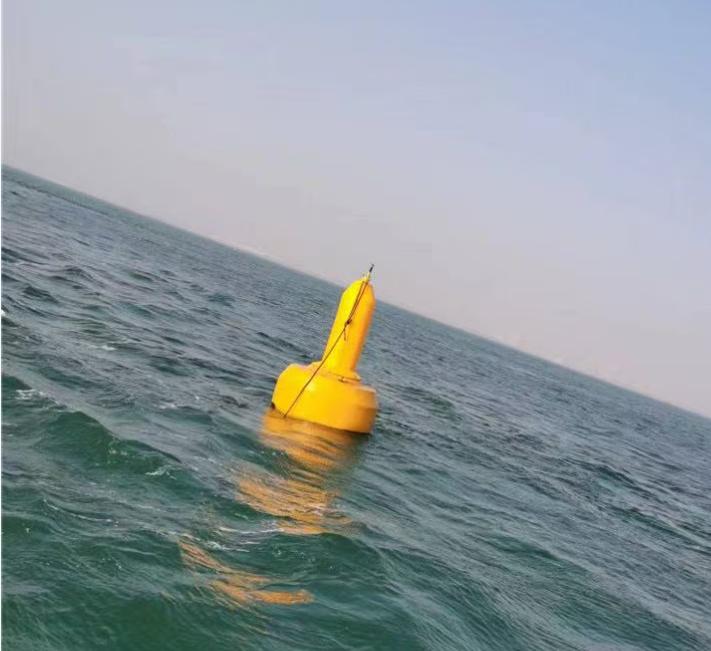

You keep your floating dock in top shape by cleaning it often, checking for damage, and protecting it from the elements. Using quality products like Botai Floating Dock Systems helps your dock last longer. Regular care can extend dock life by many years, as shown below:
| Dock Type | Lifespan (Years) |
|---|---|
| Entry-level floating docks | 15 to 20 |
| Mid-range modular systems | 20 to 25 |
| Commercial or heavy-duty docks | 25 to 30 or more |
Key Takeaways
- Regularly inspect your floating dock for damage and loose parts. Daily checks help catch problems early.
- Clean your dock weekly with mild soap and a soft brush. This prevents algae growth and keeps it looking new.
- Prepare your dock for each season. Proper storage and maintenance can extend its lifespan significantly.
Floating dock maintenance routines
Daily and weekly care
With a few simple maintenance tasks, you can ensure the safety of your floating dock. Inspect the dock daily for damage or debris. Pay special attention to high-traffic areas, removing leaves, branches, and other debris. Clear any obstacles that could trip pedestrians. Ensure railings and walkways are secure.
Flush the dock weekly with clean water to remove salt and dirt. For stubborn stains, clean with a soft brush and mild soapy water. Check bolts and mooring posts for looseness; tighten them immediately if found. If you hear unusual noises or notice any parts moving, repair them immediately.
Tip: Walk around after storms or lots of boat traffic. This helps you find problems early.
Here is a checklist to help you:
- Look for damage or loose boards every day.
- Remove trash and check for things you could trip on.
- Rinse the dock with clean water each week.
- Test railings and walkways to make sure they are strong.
- Check bolts and connections to see if they are tight.
Seasonal maintenance
Different seasons bring new tasks to your floating dock. In spring, if you’ve taken it out for the winter, put it back in. Inspect for cracks, faded spots, or worn areas. Apply a coating for sun and water protection. Test moving parts and bolts to ensure they are working properly.
In fall, remove the boat and accessories. Treat the pier before storing it. If the winter is severe, dismantle the dock sections and store them dry. Loosen the anchor cables so ice can move. Use a de-icer or bubbler to keep the water flowing and prevent ice from damaging the dock.
The table below shows common tasks for each season:
| Season | Maintenance Tasks |
|---|---|
| Spring | Put dock back, check structure, add coatings, test bolts |
| Fall | Remove accessories, treat surfaces, store dock sections |
| Winter | Control ice, loosen anchor lines, use de-icers or bubblers |
Note: Clean your dock before winter. This stops ice and trapped water from causing damage.
Cleaning tips
Cleaning the floating dock helps prevent algae and salt erosion. First, check the dock piers for damage. Clean the above-water portion first. Use a soft brush and mild soap to scrub away dirt and algae. Rinse thoroughly with clean water. Never use strong chemicals, as they can harm fish and plants.
If you find barnacles or other marine organisms attached, gently scrape them off. Always dispose of trash properly. For stubborn algae, scrub with a brush and then rinse with natural water flow. Never use a pressure washer to clean underwater areas, as this will disrupt the ecosystem.
Eco-Friendly Tip: Pick cleaners that break down naturally and are made from plants. These keep the environment safe and protect people and pets.
Cleaning and checking your dock often helps it last longer. It also keeps it looking nice and safe for everyone. A dock that is cared for can raise your property value by up to 5%.
Repairs and Protection for Your Floating Dock
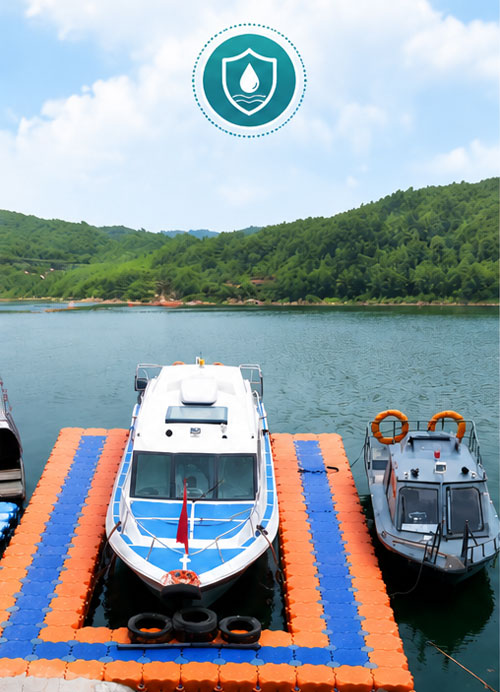
Spotting issues
You should check your dock often to find problems early. Watch for these signs that something is wrong:
- Unstable dock: If the dock moves or sinks in spots, the base might be weak.
- Rust and cracks: Rusty or cracked supports can break.
- Structural damage: Look for cracks, splinters, or bent wood. Plastic can get stiff or change color.
- Loose or wobbly sections: If parts move, connectors or anchors may need fixing.
- Algae overgrowth: Too much algae makes the dock slippery and can mean there are material problems.
- Recurring slime: Slime that keeps coming back can show there is too much moisture or even mold.
- Excessive repairs: If you fix the dock a lot, it may be old and need to be replaced.
Tip: Walk on the dock and listen for water sounds or feel if it tilts. These clues help you find problems before they get worse.
Basic repairs
You can perform minor repairs by following simple steps. Regularly inspecting your dock helps you detect damage early and avoid major problems. Here’s a simple guide to minor repairs:
- Inspect the flotation: See if the dock sits flat. Look for tilting or wobbling.
- Assess the damage: Check all parts, like welds and float levels.
- Realign the frame: Use jacks or clamps to fix bent frames and repair broken welds.
- Repair the gangway: Make connections stronger and fix any damage.
- Restore flotation: Change out broken float drums or decking panels.
Modular docks are easy to fix because you can swap out parts. Fix small problems fast so they do not get bigger. Doing regular care saves money and helps your dock last longer.
Alert: If you are not sure about the damage or if floats are badly damaged, call an expert. Professionals can check if the dock is safe and strong.
Environmental protection
Protecting the dock from weather and animals will help keep it in good condition. You should do the following:
- Put on marine-grade sealants and waterproof coatings to keep out water and sun.
- Use anti-corrosive paint for wood and metal parts.
- Seal, stain, or paint wood docks to keep out water and stop rot.
- Add weatherproof coatings every one to three years, depending on where you live and what you use.
- Use rust stoppers for aluminum docks if the maker says to.
- Check the dock in early October to find problems before winter.
- Clean off trash and look for animal damage, like bite marks or nests.
Note: Checking your dock before winter helps you find problems early and keeps your dock safe from ice and cold.
Taking care of your floating dock with these steps keeps it safe, strong, and ready for every season.
Tools and products for floating docks

Essential tools
You need the right tools to care for your floating dock. These items help you keep your dock in good shape:
- Use an adjustable pressure washer to clean the dock.
- A heavy-duty plastic scraper removes barnacles or algae.
- Clean gently with a soft-bristle brush and eco-friendly cleaner.
- Stainless steel wrenches and a torque wrench tighten hardware.
- A telescopic inspection mirror and waterproof headlamp help you see hidden spots.
- Use marine-grade grease and UV protectant spray to protect surfaces.
- Sanding and sealing tools are for wood parts.
- An HDPE repair kit or epoxy helps with quick repairs.
- Oil absorbent pads and an inflatable life jacket keep you safe.
These tools help you find and fix small problems early. Taking care of your dock often saves money and keeps it safe for a long time.
Recommended products
Staining and finishing can help extend the life of your dock. First, clean the dock and let it dry. Then, use a wood stain with UV protection. After the stain dries, apply a coat of clear sealer. This protects the wood from sunlight and water damage. Not only will your dock look better, it will last longer.
Using these products can often prevent damage and keep your dock strong. If you take good care of your dock, it can last for many years. Otherwise, you may need a new dock soon.
Why choose Botai
Botai floating dock systems are renowned for their modular design, strong buoyancy, and UV stabilization. Damaged parts can be easily replaced, reducing maintenance time and costs. The pontoons are made of high-density polyethylene (HDPE) with added carbon black and UV stabilizers, maintaining their strength and flexibility even after prolonged exposure to sunlight.
Botai docks feature non-slip surfaces and are ISO certified. Botai is a global company providing custom and wholesale dock services. Their docks are suitable for lakes, rivers, and busy ports. If you need a robust, durable, and easy-to-maintain floating dock, Botai is the ideal choice.
You keep your floating dock safe and strong by doing these things:
- Check the dock every month for cracks or loose parts.
- Clean the dock with mild soap and a soft brush.
- Get ready for each season and store the dock right.
Having a maintenance plan stops expensive repairs. Botai docks are tough, easy to care for, and can be made to fit your needs.
| Benefit | Description |
|---|---|
| Durability | Botai docks stand up to bad weather and last longer. |
| Low Maintenance | Modular docks save you time and effort. |
| Customization Options | You can pick what works best for your dock. |
Keep checking your dock. Ask experts or Botai if your dock site is special.
FAQ
How often should you clean your floating dock?
You should clean your dock every week. Regular cleaning stops algae and dirt from building up. This keeps your dock safe and looking new.
What is the best way to protect your dock from sun damage?
You should use a UV protection spray or coating. This will help prevent fading and cracking. For best results, reapply every few months.
Can you leave your floating dock in the water during winter?
You can leave your dock in if winters are mild. In cold areas, remove or secure it to prevent ice damage. Always check local guidelines.