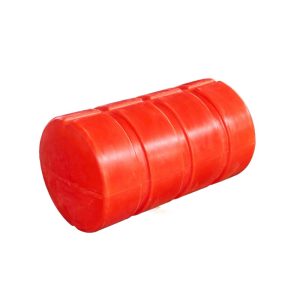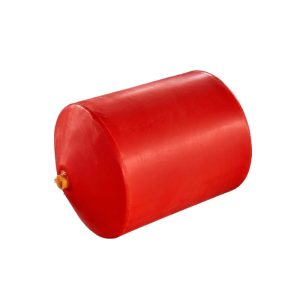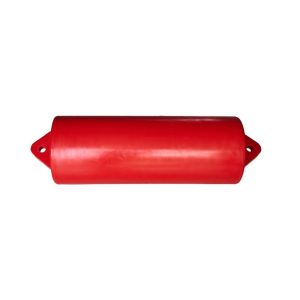
Floating barriers from our factory deploy a strategic 4:6 freeboard-to-draft ratio to eliminate under-running in velocity-driven water. We mold each floating trash barrier and debris containment boom to withstand 4.5 m/s currents and 25-ton tensile loads, delivering an unsinkable floating barrier wall with a 99.8% containment efficiency for critical downstream intakes.
We systematically engineer our entire debris containment boom and floating trash barrier lineup to master the complex fluid dynamics of active river basins and open tidal water channels during extreme 50-year flood crest events. Instead of relying on rigid designs that buckle under localized hydraulic strain, our heavy-duty marine floating barrier systems feature a 100% closed-cell interior structure that eliminates catastrophic water leakage while actively balancing high reserve buoyancy with a multi-ton anchoring load capacity. By integrating low-drag subsurface profiles with advanced self-cleaning physical geometry across our complete river boom manufacturing selection, we ensure that our entire operational defense line maintains its calibrated draft, effortlessly sheds heavy suspended organic sediment, and continuously traps destructive drift-logs without collapsing under multi-directional hydrodynamic velocities.
01.
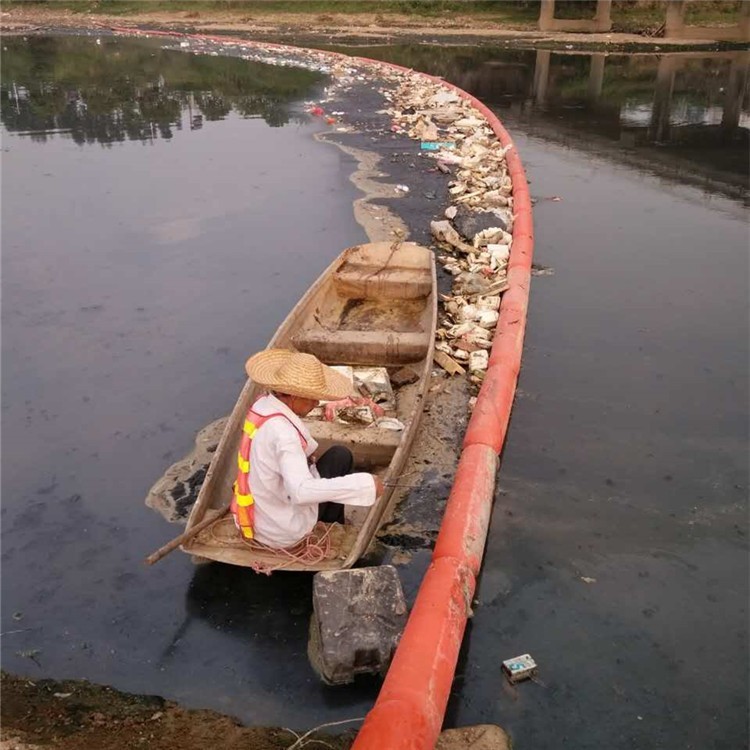
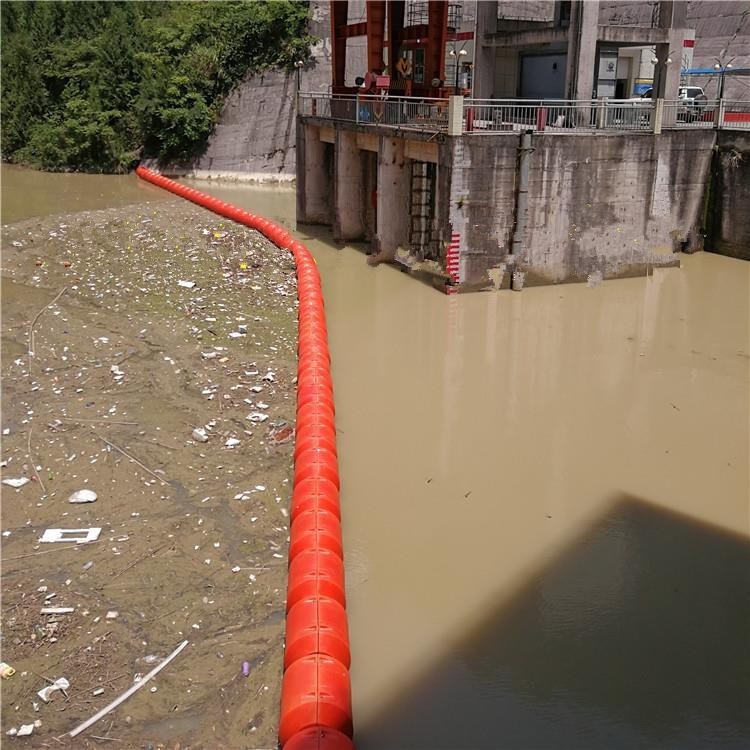
We engineer our marine floating barrier line with an aggressive 3:1 reserve buoyancy-to-weight ratio, ensuring the barrier profile never experiences structural submersion under heavy trash loading. Even when facing a localized debris accumulation mass weighing up to 150 kg per linear meter, our water boom segments maintain a stable, calibrated freeboard height above the water level. This specific volumetric stability ensures the barrier line refuses to duck or dip under the water surface when bombarded by massive rafts of floating debris, maintaining an unyielding containment line during peak flood crests.
02.
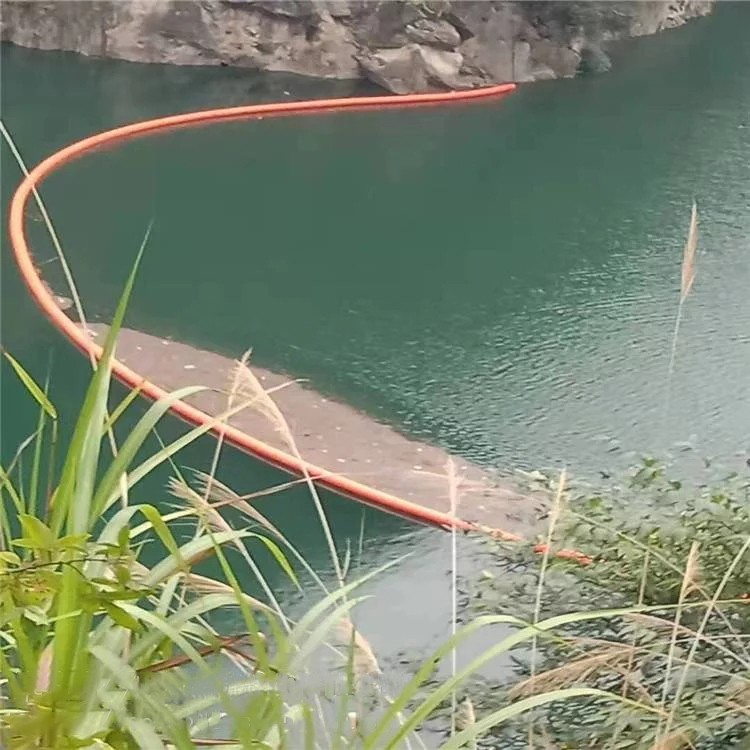
We configure our interlocking lake boom and dynamic stream barrier strings to deliver a verified 98% wave-following efficiency coefficient under active water surface turbulence. Rather than fighting the sheer kinetic mass of marine swells like rigid wooden or steel trash racks, our unified river boom line flexes and conforms instantly to the exact orbital motion of waves up to 2.5 meters in height. This fluid compliance allows the barrier to ride wave crests without vertical lag, preventing floating trash from splashing over the top freeboard while reducing the dynamic tearing stress on your shore anchoring points by over 60%.
03.
04.
We sculpt the lower draft and ballasting ballast configuration of our industrial floating trash barrier with a self-cleaning, high-taper geometry that achieves total silt rejection in high-turbidity zones. In river basins carrying heavy seasonal sediment loads, traditional subsurface nets trap mud and drag the system to the riverbed; our debris containment boom geometry naturally forces suspended silt, mud, and sand to slide down and wash away with the underflow. This engineering ensures the barrier line never gets weighed down or buried by heavy sediment accumulation, guaranteeing zero loss of draft clearance across years of heavy-silt deployment.
Floating barriers from our lines maintain positional stability under high fluid shear stress to isolate floating debris. We custom-configure systems to block vertical suction draw-down of water-logged logs at dam intakes, neutralize 180° torsional articulation from commercial port swells, and execute tight 90° cornering in concrete channels without riverbed scraping, ensuring a 99.8% waste retention efficiency.
The engineering focus of a dam-front trash boom barrier or floating trash boom is managing the severe vertical hydrodynamic vortex forces generated near active turbine gates. To permanently stop water-saturated logging from diving beneath the waterline, our engineering utilizes an extended sub-surface barrier curtain that creates an unyielding underwater floating barrier wall effect. The connection network features heavy-gauge, anti-shear saddle brackets and high-tensile link pins. This specialized mechanical architecture is engineered to absorb a massive 120 kJ kinetic energy impact—equivalent to a 2-ton log striking the chain directly at peak flood flow velocities—while keeping the total structural mooring tension safely under 250 kN, preventing line failure during sudden seasonal flood discharges.
In coastal shipping channels and industrial estuaries, a marine floating barrier or debris containment boom faces continuous twisting forces from erratic tidal lifts and short-period vessel wake waves. A rigid line will suffer rapid fatigue cracking or allow floating plastics to leap over the top. We resolve this by integrating multi-axis heavy-duty articulation joints between each marine floating boom segment. This allows adjacent units to undergo continuous 180-degree vertical twisting and ±30∘ pitching relative to each other. This high structural articulation ensures the harbor boom, port boom, or dock boom trace the wave contours perfectly, maintaining a zero-gap surface seal that withstands up to 1.8-meter choppy wake waves and 45-knot side-winds without capsizing or letting pollutants over-top the floating buoy barrier chain.
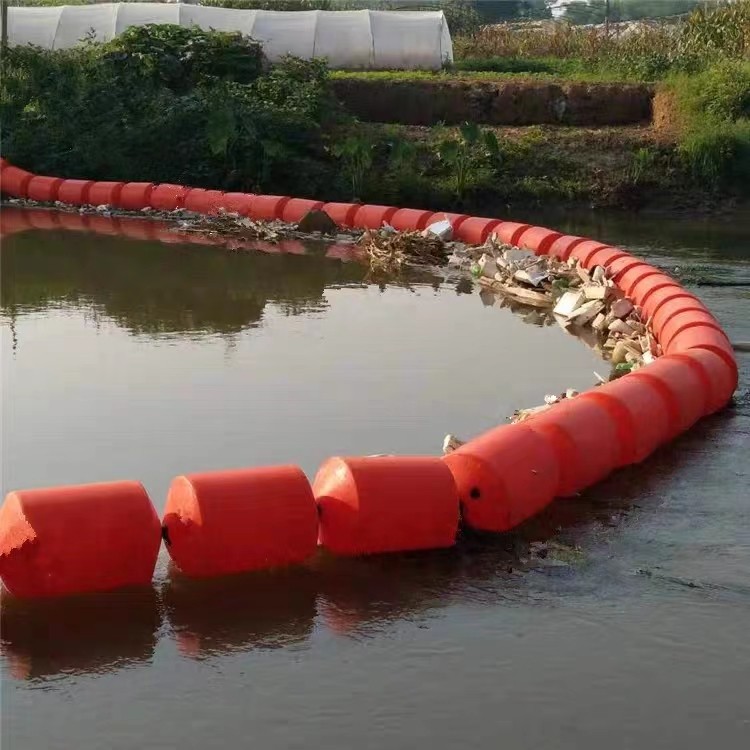
Shallow inland channels and urban canals demand that a floating debris barrier or stream boom achieve extreme directional agility along concrete canal corners without grounding or snapping under localized flow shear. By utilizing compact dual-shackle hinge connections, this ultra-flexible stream barrier and lake boom setup achieves a 45° maximum articulation angle between adjacent links, enabling a smooth 1.5-meter minimum bend radius around sharp 90° urban masonry bends. To handle heavy urban runoff, the system is engineered to support a continuous accumulation load of up to 1.2 tons of wet garbage and heavy plastic mass per linear meter of the buoy barrier chain, forcing the accumulated river debris smoothly into shoreline collection pockets for automated extraction without riverbed silt scraping.
We resolve destructive hydraulic loads, violent marine wave friction, and complex shallow waterway grounding through heavy industrial engineering customization. Our manufacturing team builds every single barrier line around the distinct, documented fluid dynamics of our client sites. We directly manage peak seasonal discharges by integrating a custom-molded steel internal backbone that maintains structural integrity under a continuous 25-ton tensile pulling force. To ensure seamless site adaptation, we execute critical cross-section draft scale-downs between 300mm and 400mm for shallow municipal alignments, preventing riverbed silt grounding while maintaining an agile 1.5-meter minimum bend radius around sharp masonry bends. For high-energy open water installations, we construct robust multi-axis heavy-duty articulation joints that allow individual barrier links to twist a full 180 degrees, allowing the perimeter to absorb rolling swells and tidal friction without tearing or capsizing. The detailed field summaries below verify how our elite custom configurations protect global waterways, maritime terminals, and energy infrastructures with absolute operational precision.
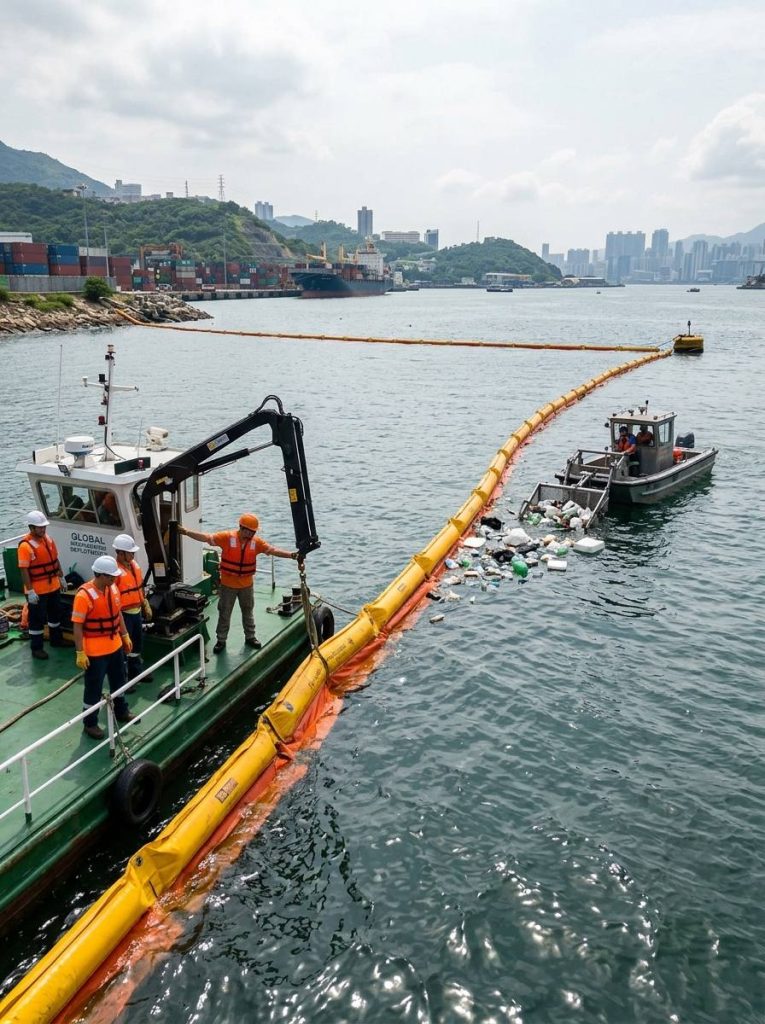
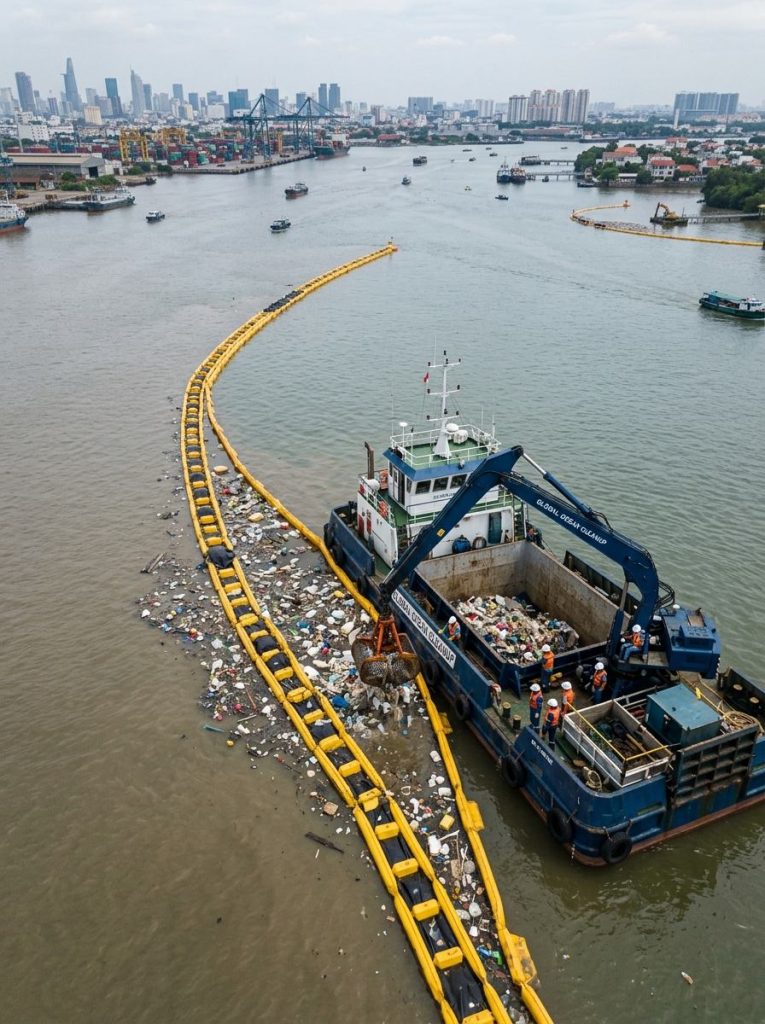
The local Batang Baleh River hydraulic infrastructure faces intense physical threats because large tree logs and small garbage are frequently washed into the waterway due to frequent landslides and local illegal logging activities. The immediate technical threat was catastrophic structural splitting across the floating river barrier layout when subjected to the severe mechanical impact forces of these massive incoming timber logs driven by fast river currents. Furthermore, because the remote mountainous area has severely limited transportation and maintenance conditions, all intercepted tree logs and debris must be collected and cleared by on-site burning. This operational constraint exposed standard materials to extreme thermal proximity, potential hull deformation, and sudden crushing forces that could bridge the turbine intake screens if the boom ruptured.
Our technical team aimed to design a rigid river barrier and stream boom alignment engineered to achieve complete structural redirection of both large tree logs and small floating garbage simultaneously. The ideal design required an unyielding trash boom barrier configuration utilizing an optimized float size that perfectly balances debris interception efficiency with maximum structural stability against fast river currents to fully protect the power generation facilities from debris damage.
To execute this defense, we confirmed the type and size of the local floating debris and customized the boom system using Ø400mm HDPE debris boom floats optimized for river debris interception. We secured the entire floating trash boom string within the fast-flowing river currents by anchoring it directly to a Ø1000mm heavy-duty mooring buoy. To fully eliminate the client’s concerns about a complex installation process on site, we fully assembled a complete set of sample products before delivery. This measure allowed the client’s local team to clearly understand the product structure and verify installation tolerances in advance, successfully turning the line into a stable floating trash barrier and floating debris boom that perfectly supports long-term on-site debris clearing work.
The client designated a local water area requiring a reliable dual-functional deployment to maintain a completely clean environment while permanently blocking unauthorized maritime vessels from entering the protected territory. The primary structural difficulty involved supporting a heavy metal security fence on top of a floating baseline under continuous coastal wave impacts and aggressive saltwater corrosion. Standard fences frequently face quick oxidation or structural tearing under external vessel impacts. Additionally, the client required a strict arc-shaped boundary alignment to fit the precise boundary of their protected area, a geometry that introduces immense on-site installation difficulties and uneven tension loads across the entire perimeter. The site demanded a robust offshore barrier capable of acting as a reliable dock boom and harbor boom that resists capsizing and bowing under multi-axis tidal friction.
Our core objective was to implement a stable, long-term floating barrier system capable of executing both trash rack interception and maritime security warning simultaneously. The ideal blueprint required a highly durable seaweed barrier, sargassum barrier, and heavy-duty marine floating barrier wall that could support a heavy-duty metal security fence without losing reserve buoyancy or suffering surface failure. To resolve the geometric curvature challenge, our design specified specialized small auxiliary buoys positioned precisely at the critical arc points of the barrier line to guide the local team during installation and guarantee an exact, non-deforming arc degree under tidal load shifts.
We customized the defense line using 530 x 530 x 1070 mm HDPE floating barrier floats optimized specifically for long-term offshore use, combined with an integrated heavy-duty metal security fence. To address the strict fence quality requirements, we provided a full set of fence samples to the client for approval in advance, allowing them to test the quality and durability before mass production. During field implementation, the client faced serious difficulties ensuring the accuracy of the arc degree. We provided a targeted installation solution by placing dedicated small auxiliary buoys at the arc point of the barrier, creating an adjustable floating buoy barrier and buoy barrier track. This allowed the client’s local team to easily locate and adjust the arc shape during installation, delivering a rugged open water boom, harbour boom, port boom, and seaweed boom defense line that perfectly fits the boundary of the protected area.
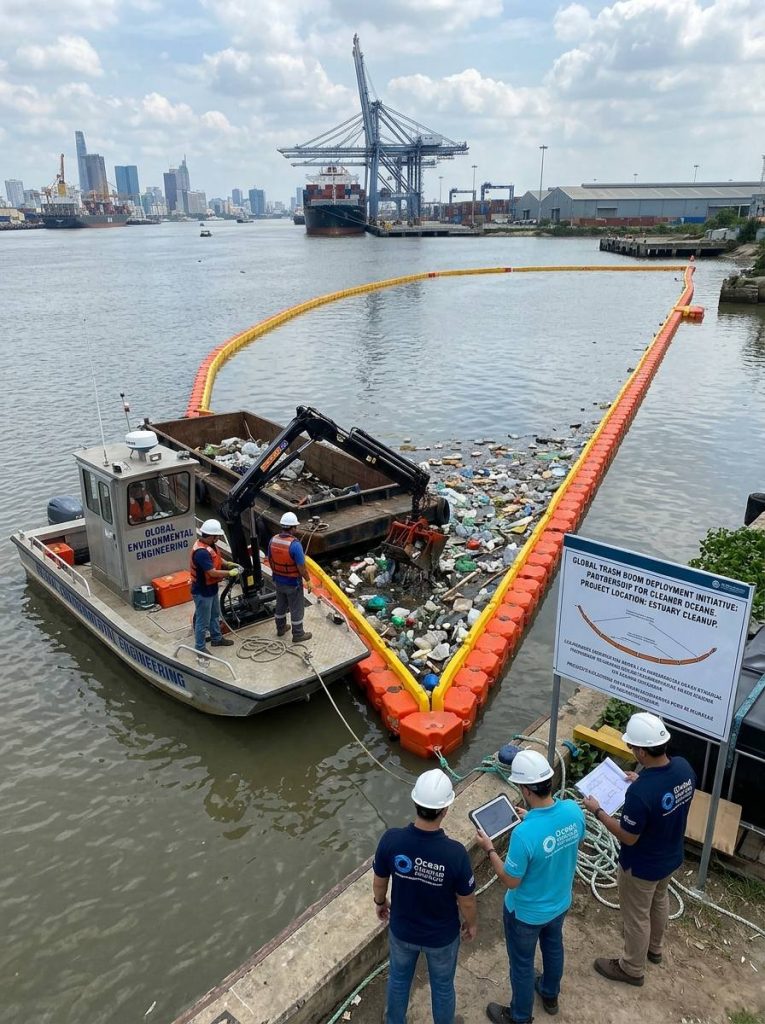
We establish our global engineering authority through verifiable raw material integrity, full-scale pre-delivery testing, and customized structural safety configurations for every floating barrier deployment and heavy-duty floating boom network. Our manufacturing facility entirely rejects generic industry marketing, choosing instead to secure client trust by providing precise material parameter verifications, advanced polymer engineering, and absolute design compliance across all marine installations. Every defense line we build carries the direct technical backup of an elite production team engineered to handle destructive hydraulic loads, violent marine floating barrier wave friction, and complex fluid boundaries with absolute precision. Whether your project requires a high-strain floating trash boom layout, a rugged municipal flood control barrier, or a heavy-industrial debris containment boom infrastructure, the documented heavy-industrial advantages below clarify why premier water conservancy departments, maritime terminals, and hydroelectric plants choose our team to safeguard their critical water infrastructures.
We secure engineering project timelines by ensuring guaranteed, compressed lead times with zero supply chain lag. Operating an active 24-hour multi-axis heavy-industrial rotomolding complex, our factory delivers complete standard orders within 7 to 15 days, directly safeguarding engineering contractors against liquidated damages and site delay penalties. Our logistics team handles international ocean shipping prep with direct freight forwarder synchronization, transforming our massive output capacity into a dependable time-management asset for your critical marine floating barrier or floating trash boom project schedules.
We streamline the technical approval and submittal phase for engineering contractors by providing an authoritative international compliance package. Our enterprise operates in strict accordance with IALA (International Association of Marine Aids to Navigation and Lighthouse Authorities) industrial guidelines and holds active ISO 9001, ISO 14001, and ISO 45001 management certifications. This official regulatory alignment ensures our floating systems satisfy global maritime standards, enabling engineering firms to effortlessly clear strict port authority, municipal, or water conservancy tender audits.
We mitigate all site-assembly risks and local labor cost overruns through comprehensive factory engineering. We enforce a strict 100% in-house manufacturing policy, producing every internal steel backbone framework and multi-axis articulating joint within our own facility. Before cargo loading, our team constructs a full-scale physical mock-up section of your designated water boom, lake boom, or river boom layout to verify all connection tolerances under load, providing contractors with pre-tested components that ensure seamless site deployment.
We empower contracting teams during the crucial bidding and design phases by providing rapid engineering support. Our corporate engineering division delivers tailored technical layout adjustments and structural parameter calculations within 24 hours of receiving site blueprints. Whether optimizing curved perimeters for a floating river barrier or reinforcing a heavy-duty debris containment boom system against local fluid velocities, we supply the exact technical data, drawing files, and parameter backing needed to secure tender approval.
Our technical team routinely compiles direct answers to the most frequent technical definitions, configuration sizing, and operational questions raised by project contractors and technical operations teams. This unified resource hub aggregates basic product explanations, material testing walkthroughs, routine maintenance protocols, and step-by-step assembly guides covering our entire manufacturing portfolio, engineering components, and specialized hardware. These articles address immediate queries regarding raw material performance, structural definitions, hardware compatibility, field installation steps, and long-term asset maintenance, providing clear procurement clarity to help you select, deploy, and manage the correct configuration for your project requirements.
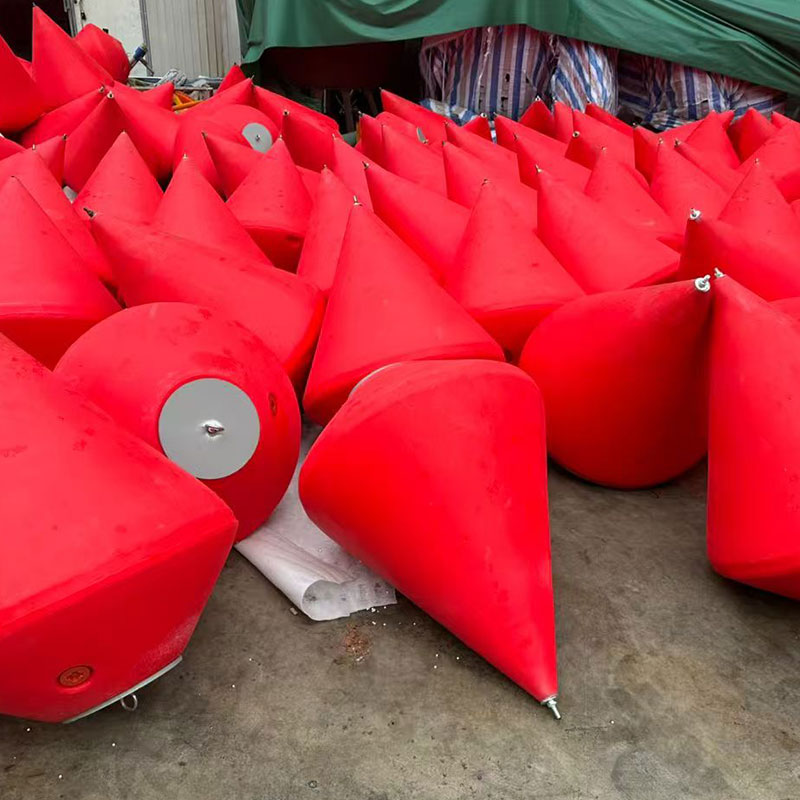
A Noaa buoy is a professional marine monitoring system designed to collect and transmit ocean data, including weather conditions, wave measurements, and water parameters. Unlike a simple floating marker, a complete Noaa buoy system combines a buoy platform, scientific sensors, power equipment, communication devices, and offshore mooring components. The cost
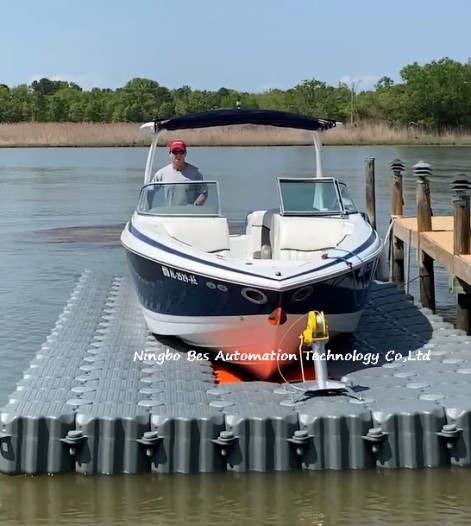
A floating dock stays securely in place using highly specified systems of anchors, chains, pilings, or cables, selected based on water depth, bottom type, and local conditions to ensure stability. Securing a marine structure is a rigorous hydrodynamic challenge that requires counteracting kinetic energy—specifically wind shear, wave drag, and tidal
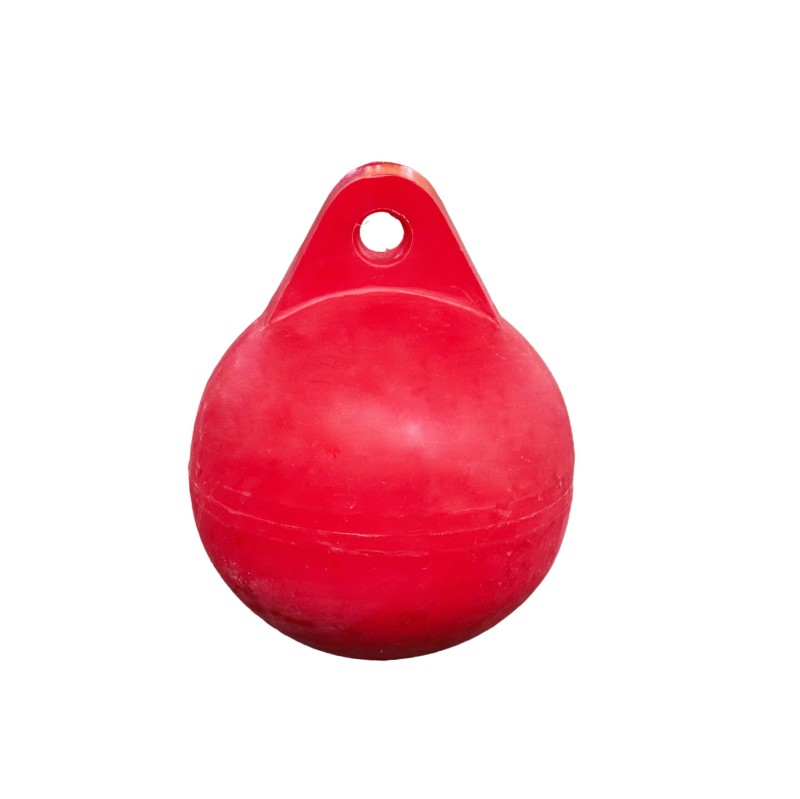
You can see mooring buoys in lots of places. They are usually white with a blue band. There is a ring or hook to tie boats. These buoys hold boats in place without an anchor. Picking the right type keeps people safe. Look at how important things affect how well
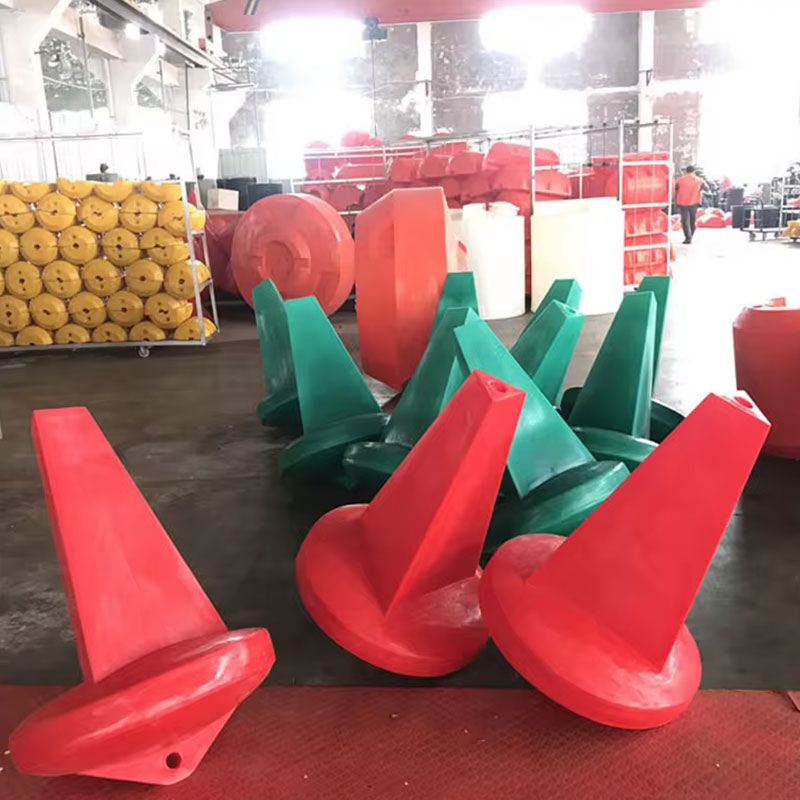
⚠️ Maritime Safety Disclaimer: Navigation buoys are critical maritime safety assets. All repairs should comply with local coast guard regulations and the International Association of Marine Aids to Navigation and Lighthouse Authorities (IALA) guidelines. Improperly repaired buoys deployed in open waters pose a severe risk to maritime traffic. Always consult
Most commercial water barriers fail because they are produced via cheap blow-molding or secondary seam welding, creating distinct weld lines that rapidly split under continuous river timber impacts. Botai permanently eliminates this failure mode by utilizing computer-controlled, single-shot rotational molding ovens. Using 100% virgin ExxonMobil LLDPE resin, our process fuses a completely uniform, seamless outer skin with an isotropic tensile strength of greater than or equal to 16 MPa. This seamless molecular structure allows our floating trash boom and debris containment barrier networks to absorb repetitive, multi-ton kinetic log impacts without catastrophic structural rupture.
Standard polyethylene eyelets naturally stretch and creep under sustained tension, leading to localized tearing when river flow rates surge. To handle high hydrodynamic pulling forces, Botai molds a heavy-gauge, hot-dip galvanized steel structural backbone directly inside the floating river barrier hull during the initial molding cycle. This internal steel skeleton connects directly to our end-to-end heavy shackle architecture, transferring massive axial loads away from the polymer shell. Engineered to manage a continuous 25-ton tensile load limit, this rigid backbone guarantees the interlinked barrier chain remains perfectly aligned and intact under peak flood gate discharges without structural elongation.
Generic hollow floats or low-density loose foam inserts easily waterlog and sink once their outer shell is scraped or breached by sharp metal debris. The internal cavity of every barrier module Botai produces is high-pressure injected with a premium closed-cell polyurethane solid foam core, maintaining a strict density matrix of 40-45 kg/m³. This solid core chemically bonds directly to the inner LLDPE wall, creating an ultra-dense composite body. If a violent collision punctures the outer skin, our closed-cell structure restricts localized water absorption to less than or equal to 1%, securing permanent reserve buoyancy and keeping the floating water barrier wall from dropping beneath the waterline.
In tidal shipping berths and commercial ports, rigid barrier layouts quickly crack or let surface pollutants leap over the top due to short-period vessel wake waves. Botai resolves this environmental challenge by integrating multi-axis heavy-duty articulation joint couplers between adjacent marine floating boom segments. This engineering configuration allows continuous 180-degree vertical twisting and plus or minus 30 degree pitching relative to each link. This exceptional structural articulation ensures the harbor boom traces raw wave contours perfectly without tearing, while our high-weight lower ballast prevents the floating buoy barrier from capsizing under heavy 45-knot side-winds.
We eliminate the compounding maintenance expenses of traditional maritime infrastructure by replacing corrosive metals with our engineering-grade, high-impact thermoplastic material formulations. Our specialized waterway buoys require absolutely no sandblasting, structural welding repairs, or marine anti-corrosive recoating throughout their entire 10-plus-year operational lifecycles. Marine growth like barnacles and algae cannot strongly adhere to our slick, non-porous surfaces and can be rapidly cleared with a simple low-pressure water wash during routine service intervals, drastically reducing vessel deployment hours and operational maintenance budgets for port authorities worldwide.