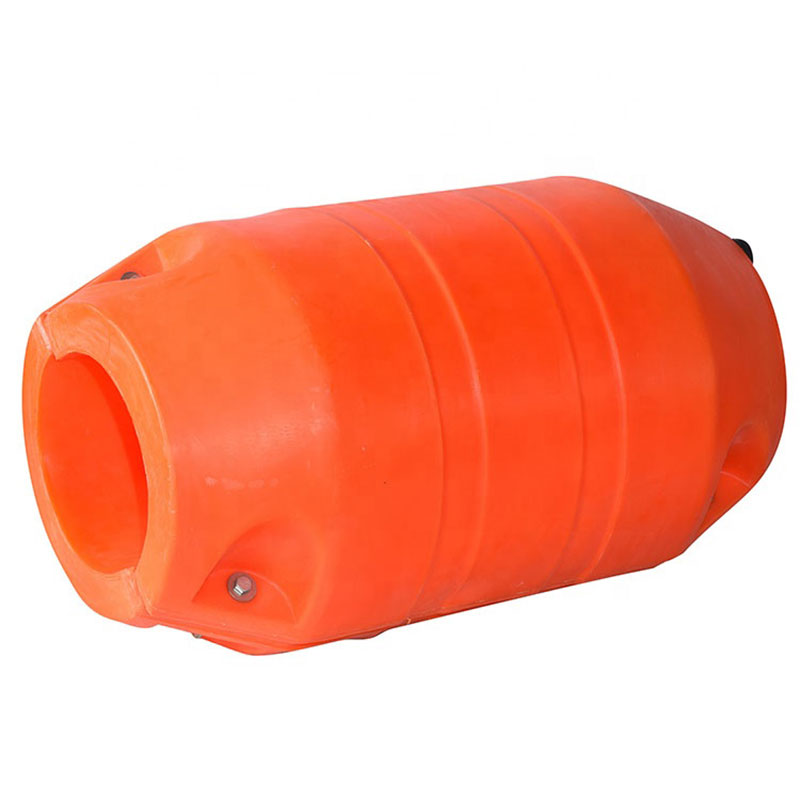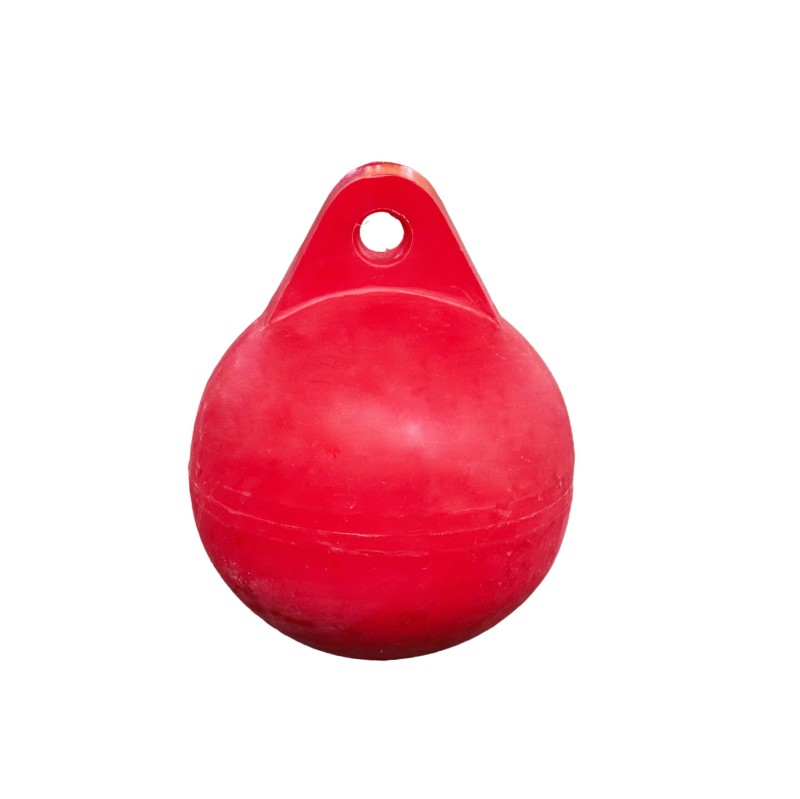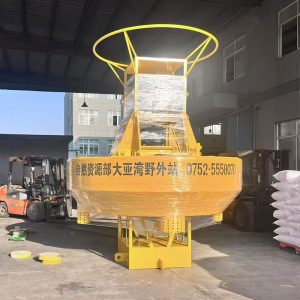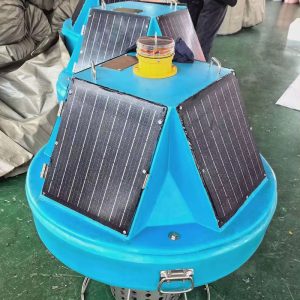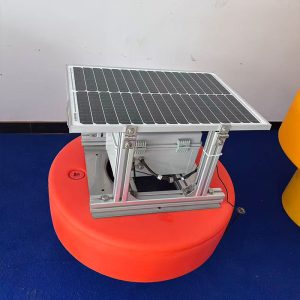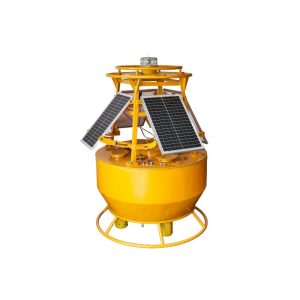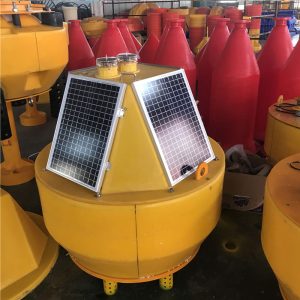
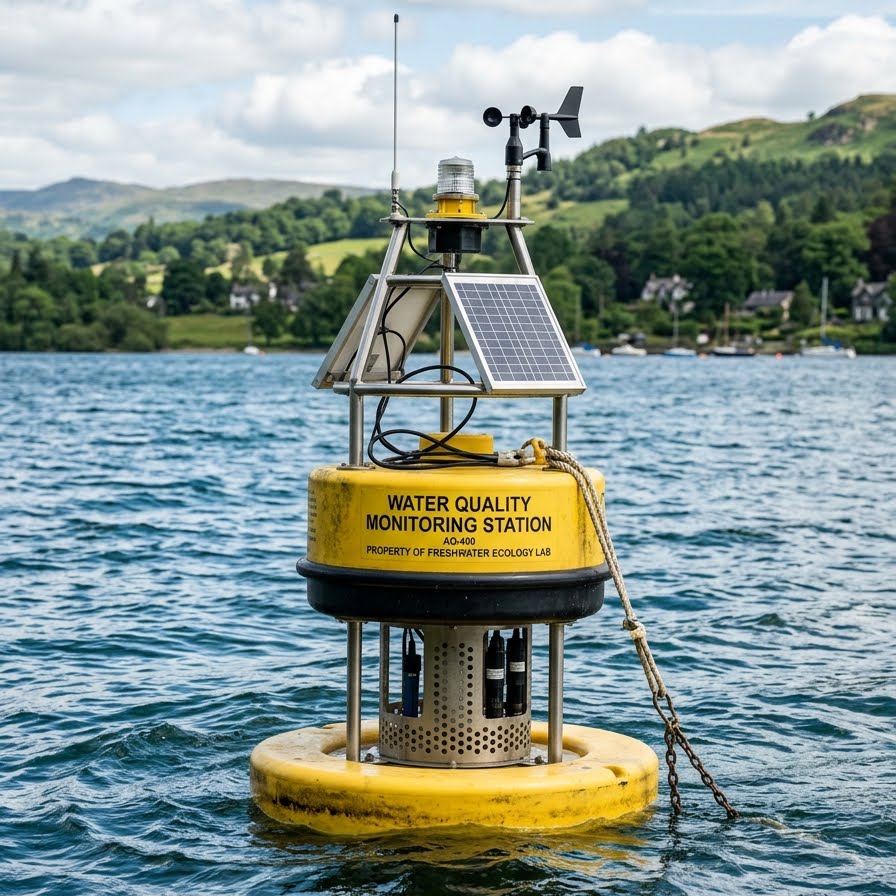
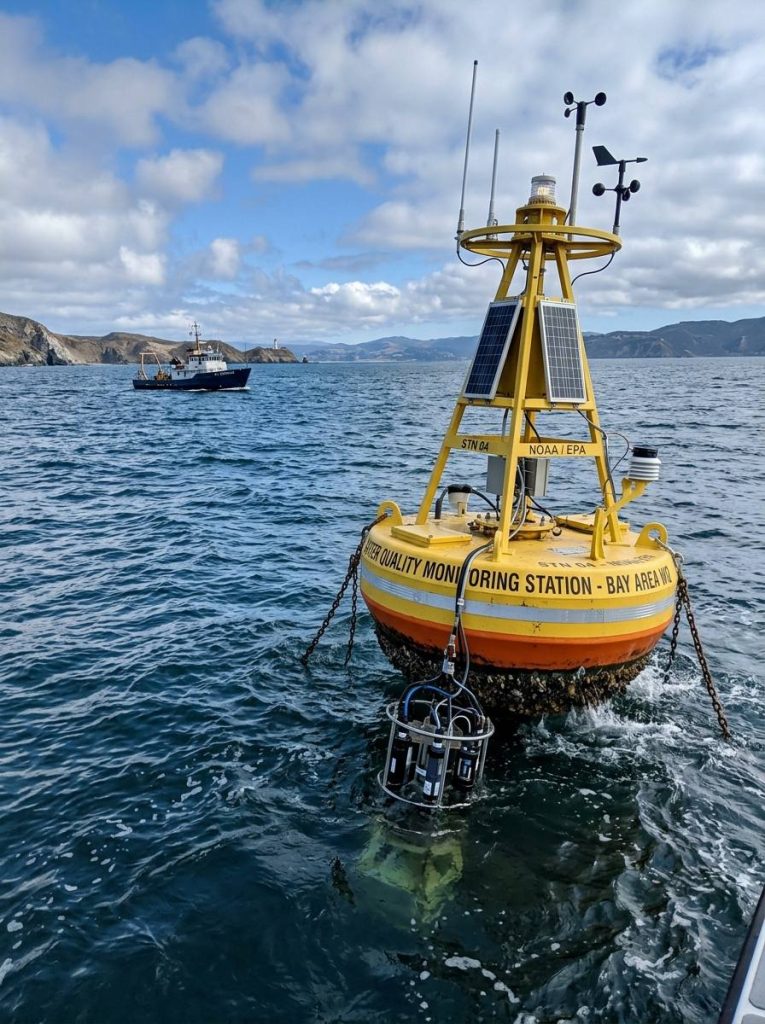
Monitoring buoys and data buoys built by our factory feature a UV-15 stabilized HDPE abrasion skin (D55 Shore Hardness) and an injected 45kg/m³ high-density solid polyurethane core around a structural steel framework. We engineer these rugged, puncture-proof hulls specifically for continuous telemetry and instrument tracking under punishing waves, delivering absolute water-tight buoyancy from open-sea networks down to shallow estuaries under 1 meter deep.
We manufacture our water monitoring buoy hulls with an integrated 8-port connection hub to eliminate custom on-site drilling entirely. This dedicated environmental buoy platform features pre-molded M16 stainless steel mounting points, allowing field operators to instantly bolt down and swap up to 8 different multi-parameter instruments within a single 80 Liters protective compartment. By providing a standard, plug-and-play polymer housing that directly accommodates diverse third-party telemetry, we ensure your deployed data buoys fleet is flexible enough to adapt to any field sensor reconfiguration within minutes.
We mold our heavy-duty sensor buoy shells with a dedicated, multi-port instrument well featuring a generous 80-liter storage capacity to allow quick physical installation of different water testing devices. This specialized compartment is engineered with up to 8 integrated, M16 heavy-duty stainless steel threaded inserts and water-tight cable pass-throughs, making it incredibly easy for field workers to slip in and secure third-party pH, dissolved oxygen, or turbidity sensors. This field-ready layout ensures our core water quality buoy hulls adapt to your exact instrument needs without any messy on-site cutting or modifications.
To keep delicate instruments safe from floating logs and heavy waves, our floating hulls feature a thick, 12 mm single-piece outer skin backed by a split-chamber internal layout. The main electronics bay is completely isolated in its own center compartment, meaning that even if an accident causes a localized hole in the outer plastic skin, water cannot flood the rest of the buoy. This structural safety layout provides a reliable 300 kg net buoyancy margin, ensuring permanent flotation for every wave monitoring buoy and wave measuring buoy unit during rough water impacts.
We shape the upper tower of our specialized water monitoring buoy to provide a wide, elevated mounting surface standing 1.5 meters above the waterline for high-gain antennas and solar panels. By balancing the weight distribution within the molded hull, our design significantly reduces tilting and rolling in heavy waves, keeping wireless equipment upright and clear of salt spray. This smart shape helps your oceanographic buoy hardware maintain a strong, steady line of sight to onshore stations, ensuring a reliable connection for continuous water level buoy reporting.
Our hull features secure, top-access instrument pockets designed with a 100% IP67 weather-tight seal specifically to shelter compact gps buoy locators and battery banks. Molded directly beneath a heavy-duty, gasket-sealed hatch with 6 quick-locking latches, these dry spaces protect electronic boards from direct rain, humidity, and wave wash across extreme temperatures ranging from -20 degrees Celsius to +60 degrees Celsius. This clean layout provides reliable, day-and-night protection for your tracking gear, allowing operators to easily check on their assets through any satellite buoy compatible structural setup.
To make field maintenance easy, the internal layout of our data buoys hulls offers a wide, clean space with a 450 mm wide access opening to arrange complex data loggers that feed into native tracking software. The generous room inside our smart buoy shells allows plenty of space for clean wire routing, heavy battery packs, and power regulators. This spacious layout ensures that your hardware stays completely dry and organized, allowing operators to open the hatch and easily plug in laptops or adjust equipment during routine field checks.
To deliver immediate telemetry solutions for global engineering contractors, our factory pre-configures every monitoring buoy and wireless data buoy setup using site-specific structural modifications that directly eliminate localized field failures. To resolve the severe sand abrasion and device-crushing hazards found in offshore construction channels and undersea oil and gas pipeline landfalls, we integrate heavy-duty, extended SS316 stainless steel sensor protection cages directly into the main load path, securing uninterrupted data acquisition in harsh, shallow estuaries under 1 meter deep. For remote offshore wind farm grids and massive commercial aquaculture zones facing immense communication isolation or strict budget limits, our engineering team completely eliminates on-site integration failures by providing factory-bored, 1:1 matched instrument wells and embedded cloud diagnostics, allowing operators to remotely adjust sensor sampling frequencies overnight to guarantee continuous, 24/7 wireless telemetry transmission.
Marine weather buoy and automated weather buoy solutions engineered by our factory are designed specifically to mitigate the expensive risks of asset deployment, maritime dredging, and port expansion under high-traffic wave conditions. Our engineering team eliminates tedious on-site hardware modification bottlenecks by delivering seamless polymer hulls pre-configured with 1:1 matched instrument wells and heavy-duty mooring frameworks built directly into the main load path. We supply marine contractors with a turn-key solution that reliably withstands severe kinetic impacts from floating debris and workboat collisions, ensuring your project management team receives uninterrupted real-time wind, wave, and tidal telemetry directly to your shoreside construction office.
Request Engineering DesignSatellite buoy and intelligent gps buoy grids integrated by our factory provide the ultimate solution for long-term, completely unattended environmental and wave tracking across vast renewable energy corridors. Offshore wind farm sites present punishing gale forces and immense communication isolation; we resolve this by deploying unsinkable, solid-core structures that require zero localized field maintenance or routine steel hull repainting. We pre-configure each platform with an upper deck platform optimized for high-yield solar arrays and IALA-compliant smart telemetry lights, preserving perfect antenna alignment under severe wind loading to secure 24/7 automated cellular data access loops from remote open-sea arrays.
Request Engineering DesignData buoy networks and specialized environmental buoy systems deployed by our factory safeguard critical undersea pipeline corridors and electrical landfalls against catastrophic communication blackouts. Coastal landing approaches expose sensitive aquatic instrumentation to destructive sand abrasion and floating debris fouling; we eliminate these field hazards by integrating our heavy-duty, extended SS316 stainless steel sensor protection cages into the core structural assembly. This rugged physical barrier allows downward-facing data acquisition sensors to operate continuously and flawlessly across extreme thermal scales from -40°C to 75°C, securing your pipeline's real-time environmental tracking loops even in shallow mudflats and estuaries under 1 meter deep.
Request Engineering DesignWater level buoy systems and comprehensive wave measuring buoy grids built by our factory deliver highly efficient, budget-friendly hydrological safety boundaries for large-scale aquaculture operations, commercial fisheries, and marine reserves. Marine farm operators constantly struggle with high field operational overhead and volatile tidal current shifts; we resolve this by flexing our industrial rotational molding lines to output specialized polymer architectures in a complete size range—from compact 700mm scientific research float rings up to massive 1800mm heavy-load platforms. We supply these solutions with embedded cloud diagnostics so managers can remotely adjust sensor sampling frequencies overnight from their office, delivering a zero-maintenance asset that slashes long-term field operational overhead.
Request Engineering DesignEvery successful smart buoy deployment across the United Kingdom, Brunei, Thailand, and the Philippines represents a concrete engineering solution to unpredictable field constraints and rigid project specifications. Our project track record proves our capability to swiftly adapt our water quality buoy platforms to overcome severe operational hurdles, such as re-engineering hardware attachments to prevent seabed scraping for shallow-water setups in Thailand, and executing complex post-production drilling modifications for university research requirements in the UK. From stabilizing your wave monitoring buoy and wave measuring buoy sensors against heavy coastal rolling to integrating custom enclosures for autonomous gps buoy units and satellite buoy tracking arrays, we deliver the exact engineering flexibility required to keep your water level buoy network on schedule and fully operational.
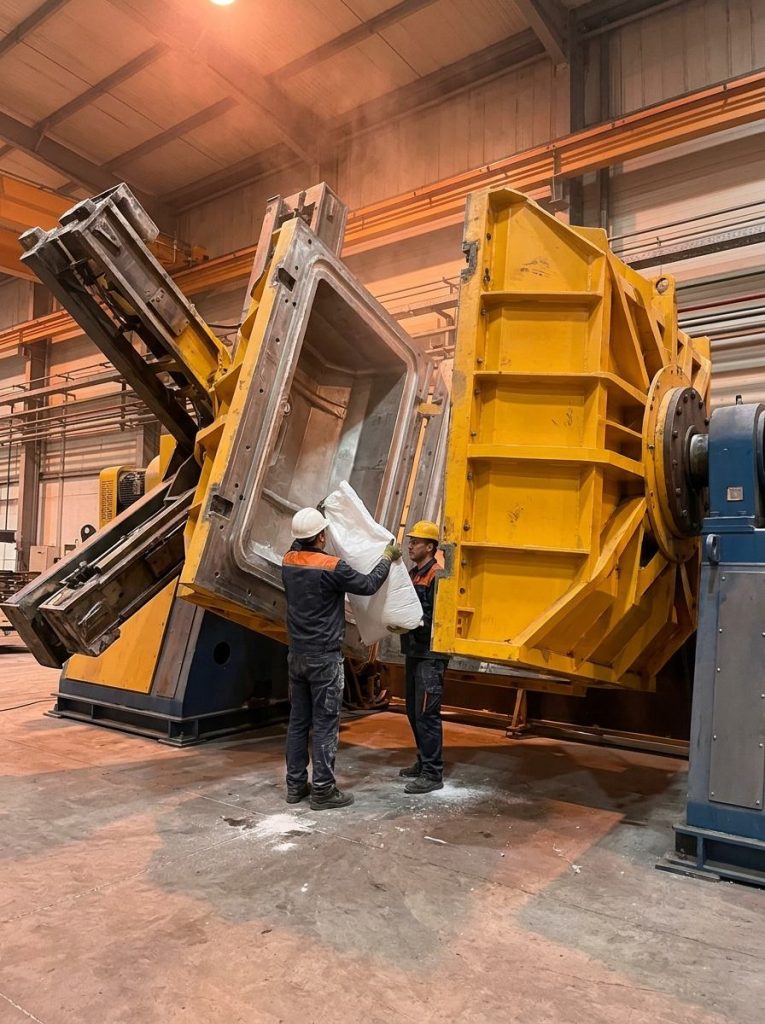
Executing strict, computer-controlled internal thermal molding and automated polycyclic heating cycles inside our heavy-industrial fabrication facility, our factory eliminates the microscopic structural stresses commonly hidden in standard polymer formations. We maintain complete process ownership over the high-temperature fusion of premium ExxonMobil™ LLDPE/HDPE resins within customized steel matrix molds, precisely controlling cooling deceleration rates to guarantee that the single-shot formed outer shell achieves perfect, uniform thickness without hidden weld lines or mechanical weak zones. Utilizing state-of-the-art automated foaming cells, we precision-monitor pressure and fluid temperature metrics during the subsequent 40-45 kg/m³ high-density solid polyurethane injection phase, forcing the expanding cell matrix to bind flawlessly and permanently against our internal hot-dip galvanized frame, achieving absolute cross-sectional integrity verified by rigorous ultrasonic field diagnostics before leaving our production lines.
Our seamless monitoring buoy hull structures achieve permanent survival through a single-shot thermal curing cycle. By omnidirectionally fusing premium ExxonMobil™ LLDPE/HDPE raw materials within precision matrix steel molds, we entirely eliminate welded seams, joints, and localized mechanical weak points. This controlled cooling phase guarantees a uniform outer protective skin rated at D55 Shore Hardness and a tensile strength of ≥16 MPa to prevent stress-cracking under severe wave impact.
Unsinkable physical properties are permanently locked into our environmental buoy internal chambers using automated core-filling technology. Our team pressure-injects a signature 40-45 kg/m³ closed-cell solid polyurethane foam matrix directly into the molded shell under strict thermal synchronization. The expanding compound bonds flawlessly to the internal walls, creating a rock-solid polymer core that absorbs severe workboat collisions without water absorption.
Heavy mooring line loads and high-stress anchor shocks are transferred safely via our internal hot-dip galvanized steel skeletons. This heavy skeleton is encapsulated directly inside the mold matrix prior to heating, permanently insulating the metal from saltwater oxidation. The unified process seamlessly incorporates 1:1 matched equipment compartments and precision-bored instrument wells to keep your downward-facing data buoys acquisition sensors perfectly protected from sand abrasion.
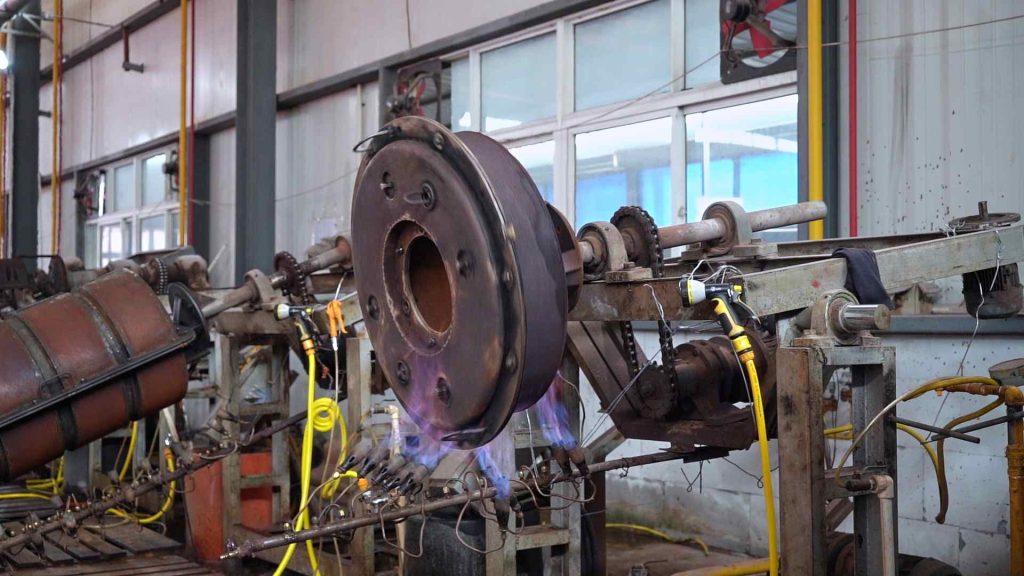
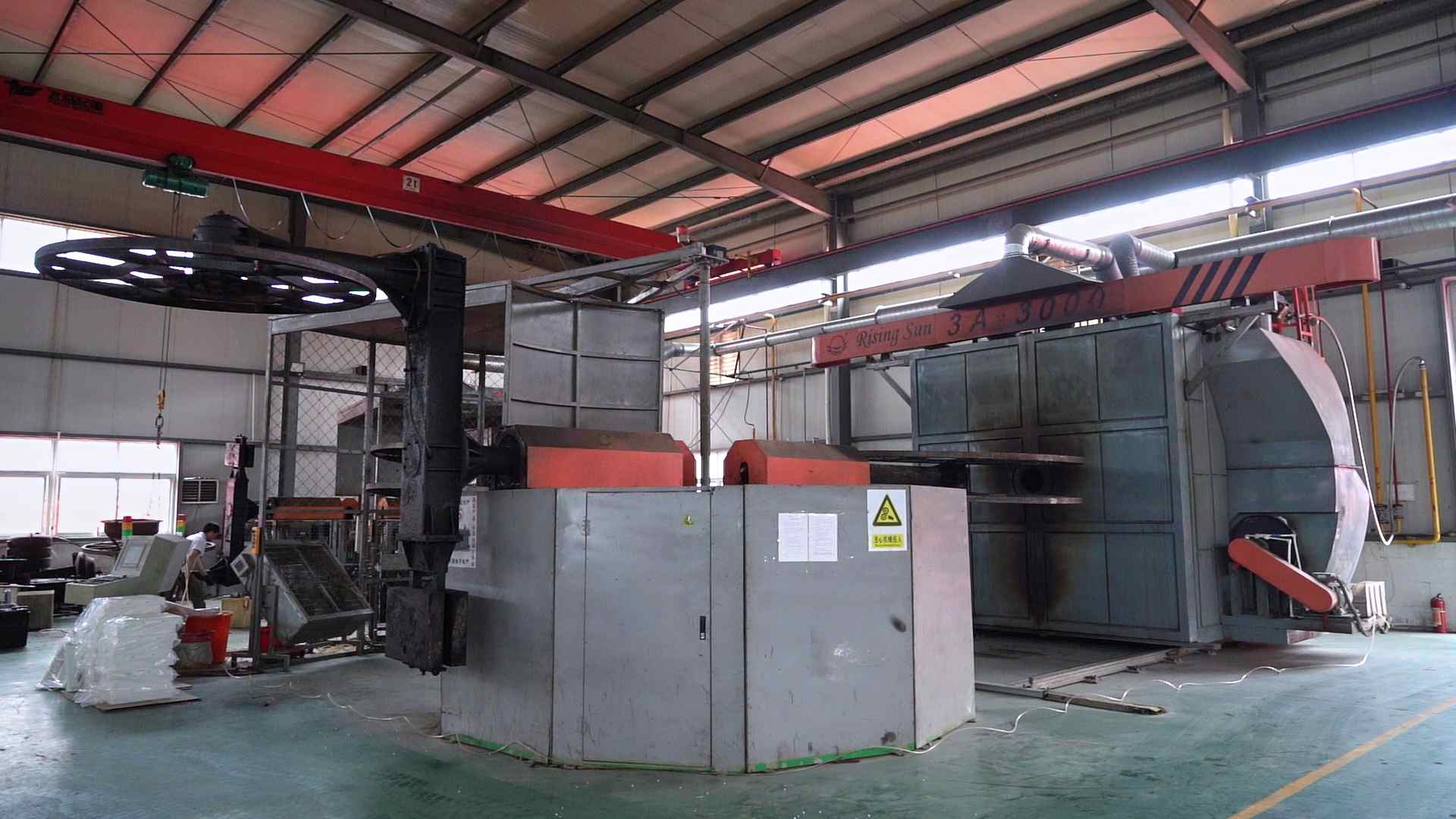
We anchor the manufacturing of our monitoring buoy and water quality systems entirely within our own physical infrastructure, managing every asset from custom steel mold engineering to the precision compounding of polymer resins. By running multi-axis heavy rotational molding machinery, we fuse these raw resins into seamless, stress-free hulls that eliminate structural seams entirely. Each hull is internally integrated with a heavy-duty steel chassis to handle mooring loads, and then completely filled via high-pressure injection with closed-cell polyurethane to guarantee permanent buoyancy. By precision-blending thermal and ultraviolet stabilizers directly into the initial melt, we ensure our platforms endure continuous offshore exposure, delivering global operators a fully validated, deployment-ready architecture.

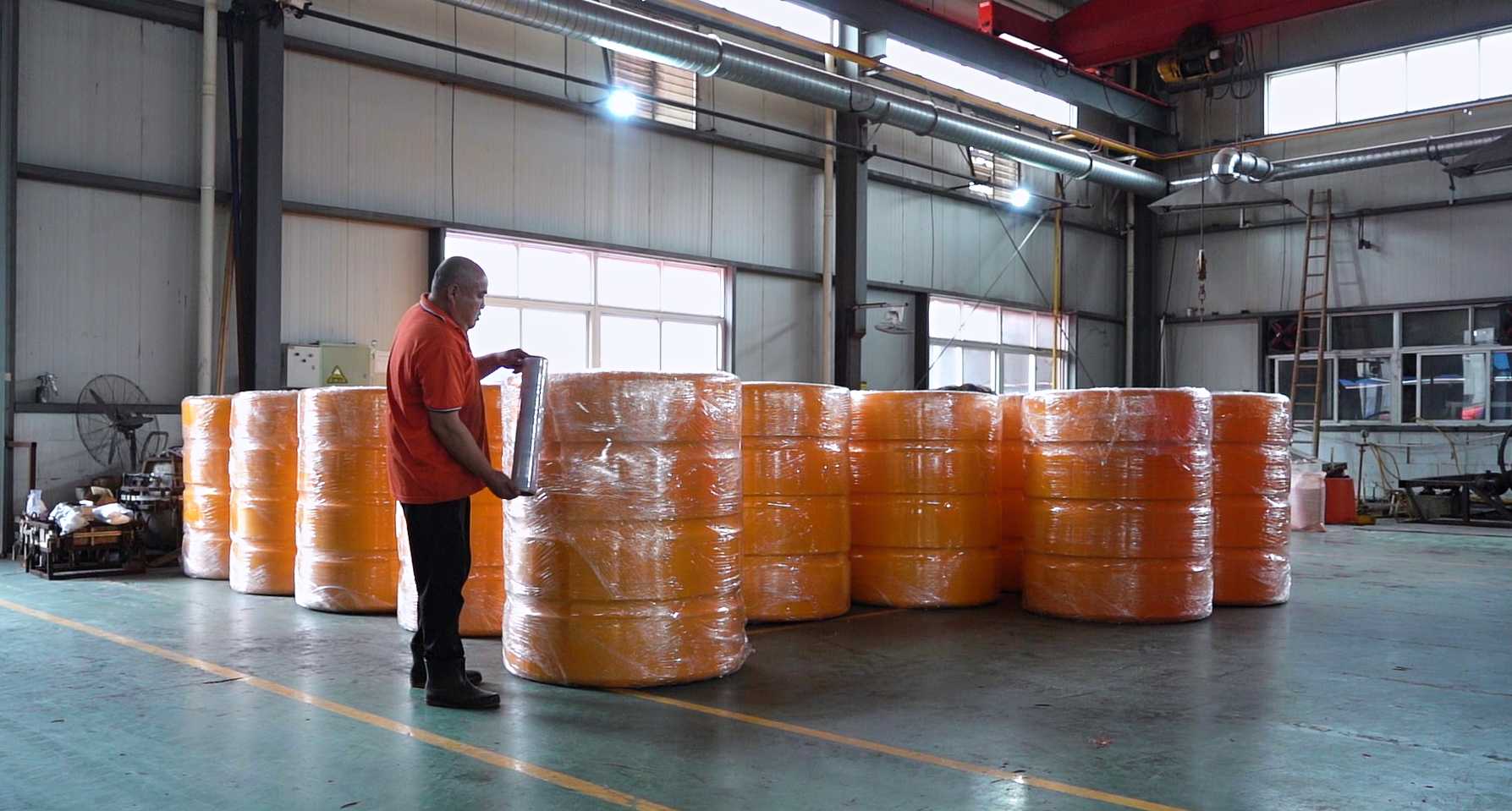
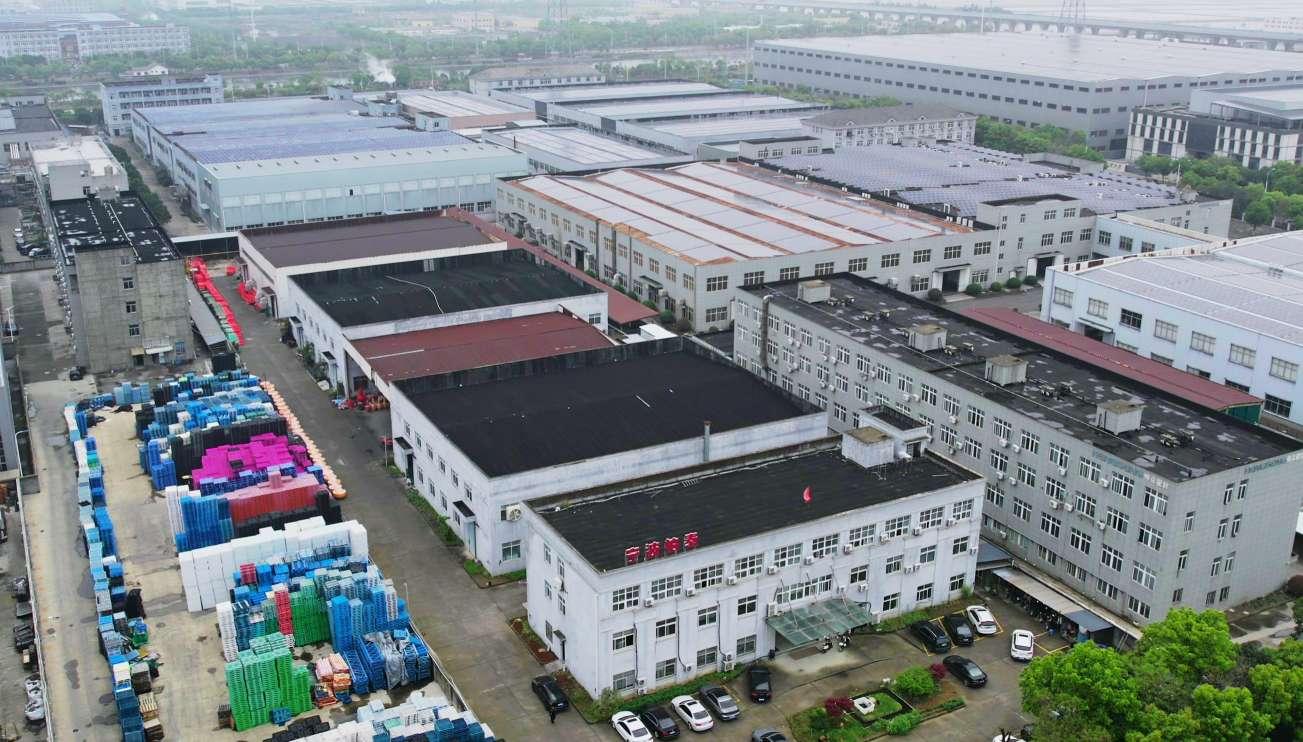
We eliminate third-party delays and middleman markups by managing everything from hot-dip galvanized frame welding to polymer compounding inside our 20,000㎡ industrial facility. This complete vertical integration secures stable delivery lead times and absolute structural traceability for large-scale monitoring buoy fleets.
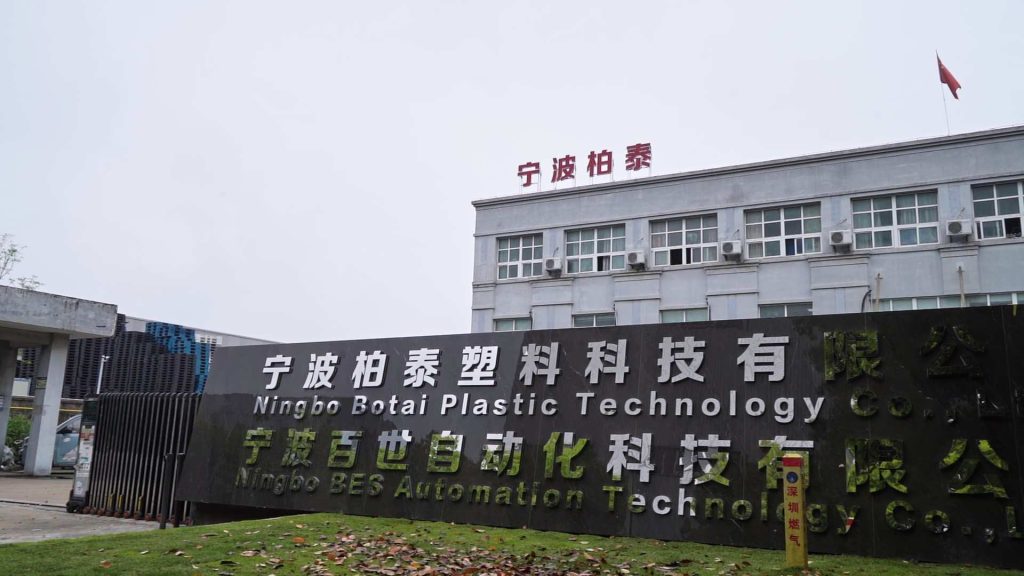
We eliminate third-party delays and middleman markups by managing everything from hot-dip galvanized frame welding to polymer compounding inside our 20,000㎡ industrial facility. This complete vertical integration secures stable delivery lead times and absolute structural traceability for large-scale monitoring buoy fleets.
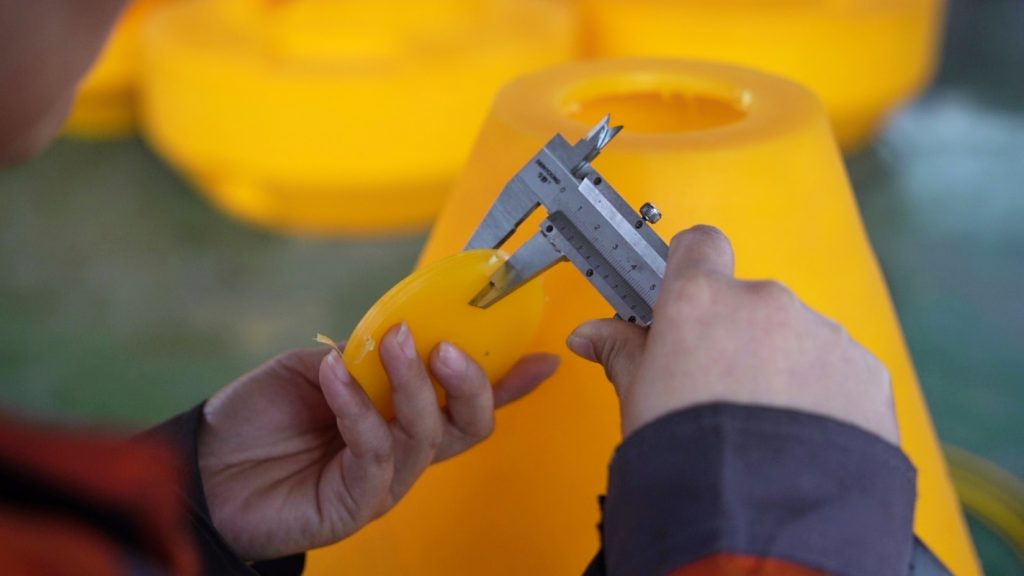
We replace vague quality promises with verifiable material science facts: an outer protective shell certified at D55 Shore Hardness and a solid core pressure-injected with 40-45 kg/m³ closed-cell polyurethane foam. This rugged engineering baseline ensures all our marine data buoys achieve a 100% puncture-proof unsinkability record across high-risk ocean deployments.
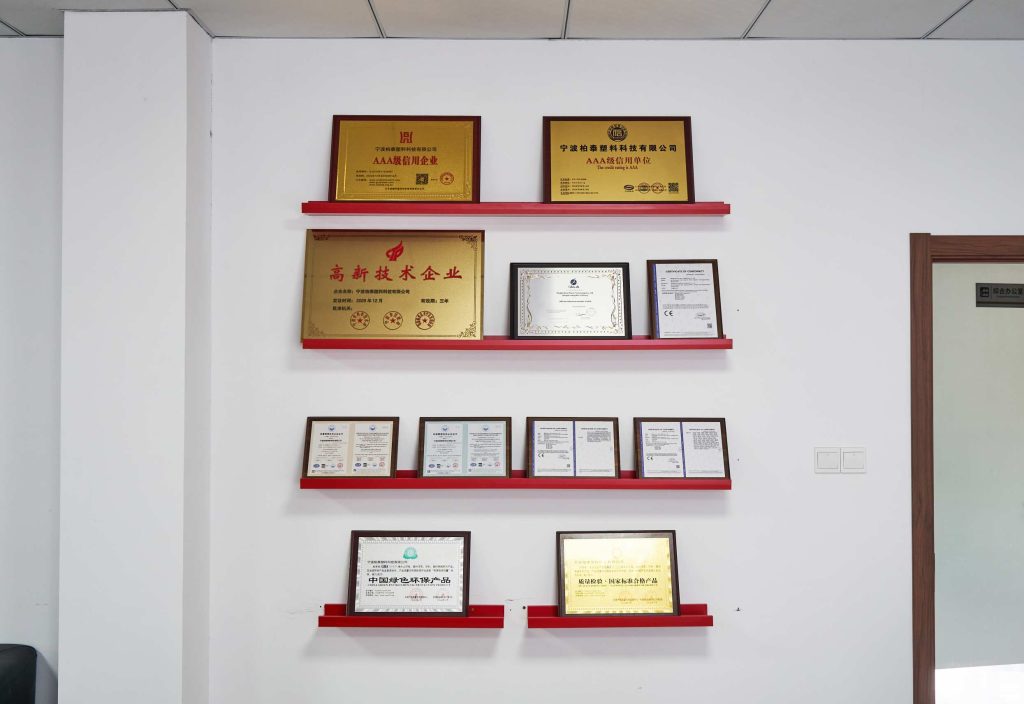
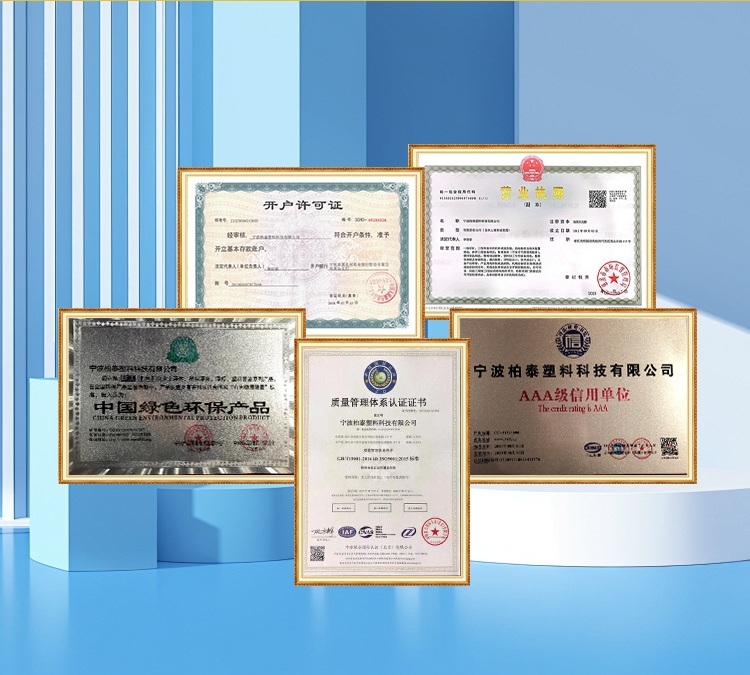
Our enterprise completely eliminates regulatory bottlenecks and import friction for international maritime engineering contractors. Every production batch is fully backed by ISO 9001, ISO 14001, and ISO 45001 credentials, ensuring our supply chain seamlessly passes strict international government tender audits.
Our technical team routinely compiles direct answers to the most frequent technical definitions, configuration sizing, and operational questions raised by project contractors and technical operations teams. This unified resource hub aggregates basic product explanations, material testing walkthroughs, routine maintenance protocols, and step-by-step assembly guides covering our entire manufacturing portfolio, engineering components, and specialized hardware. These articles address immediate queries regarding raw material performance, structural definitions, hardware compatibility, field installation steps, and long-term asset maintenance, providing clear procurement clarity to help you select, deploy, and manage the correct configuration for your project requirements.

You can usually fix dock floats, based on the damage. First, look at the float to see its shape. Many fixes use marine-grade sealants, plastic welding, or epoxy. Botai Floating Dock Systems use high-density polyethylene. This material stands up to sunlight and does not wear out fast. Be careful and

A floating dock stays securely in place using highly specified systems of anchors, chains, pilings, or cables, selected based on water depth, bottom type, and local conditions to ensure stability. Securing a marine structure is a rigorous hydrodynamic challenge that requires counteracting kinetic energy—specifically wind shear, wave drag, and tidal

You use mooring buoys to tie your boat instead of using an anchor. These floating markers help keep marine habitats safe by stopping anchor damage. Some types can still hurt plants nearby, especially where it is crowded. Mooring buoys are a safer way to enjoy the water and help the

A water boom is an engineered floating barrier deployed across aquatic environments to intercept, contain, or divert surface pollutants like solid waste, organic debris, and hydrocarbons. As a primary countermeasure for surface contamination, water booms concentrate pollutants for efficient remediation. This technical guide outlines the hydrodynamic capabilities, material specifications, and
We mold our single-shot polymer shells exclusively using premium ExxonMobil™ LLDPE with UV-15 stabilization, achieving a certified D55 Shore Hardness and tensile strength ≥16 MPa. This zero-stress outer skin is permanently backed by an internal 40-45 kg/m³ high-density, closed-cell solid polyurethane foam matrix and an encapsulated hot-dip galvanized steel framework to survive severe workboat collisions without water absorption.
Yes. We deliver turnkey engineering customization by CNC-machining 1:1 matched equipment compartments and precision-bored instrument wells directly into the solid architecture based on your exact multi-parameter sensor arrays. We also integrate extended SS316 stainless steel protection cages directly into the structural load path to secure downward-facing telemetry devices from sand abrasion in shallow waters.
Even if an extreme kinetic impact or vessel collision punctures the outer LLDPE shield, our platforms maintain absolute, permanent buoyancy. Because our automated core-filling technology forces the 40-45 kg/m³ solid polyurethane matrix to bond flawlessly to the inner walls, the expanded cell structure creates a rock-solid, non-porous core that completely prevents water migration, device flooding, and instrumentation damage.
Absolute traceability is maintained for every production batch. Our entire enterprise facility operates under strict ISO 9001, ISO 14001, and ISO 45001 management standards, ensuring our tracking assets comfortably withstand extreme thermal fluctuations from -40°C to 75°C to seamlessly pass third-party maritime audits, environmental compliance checks, and cross-border procurement qualifications.
Our physical rotational molding infrastructure operates heavy-duty, computer-controlled tooling lines capable of executing large-scale bulk orders simultaneously. This scalable tooling capacity grants our engineering team the logistical freedom to rapidly output uniform architectures from compact 700mm scientific float rings up to massive 1800mm heavy-load commercial hulls with highly predictable industrial lead times.