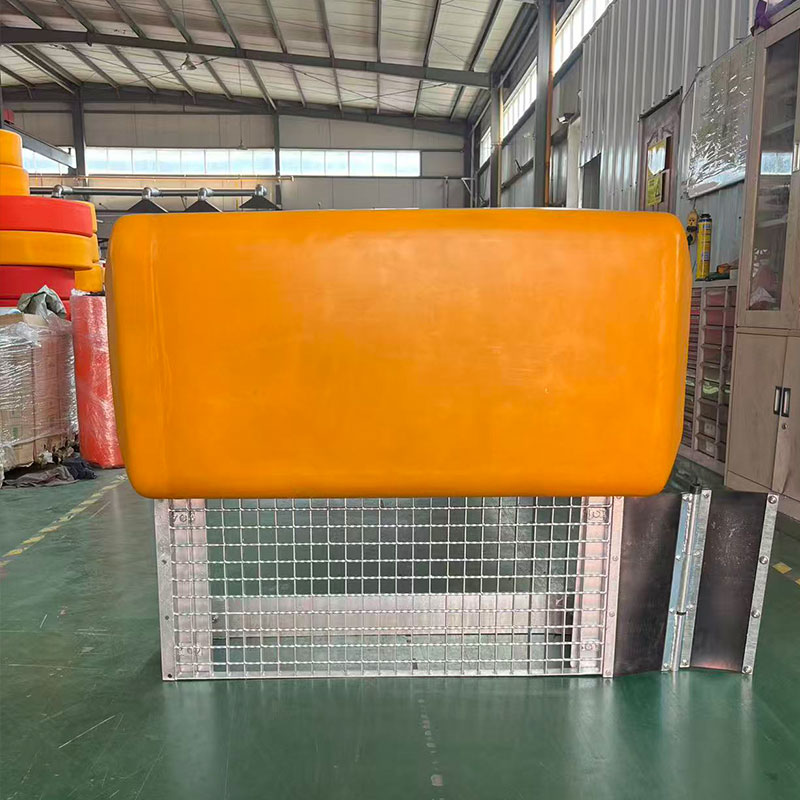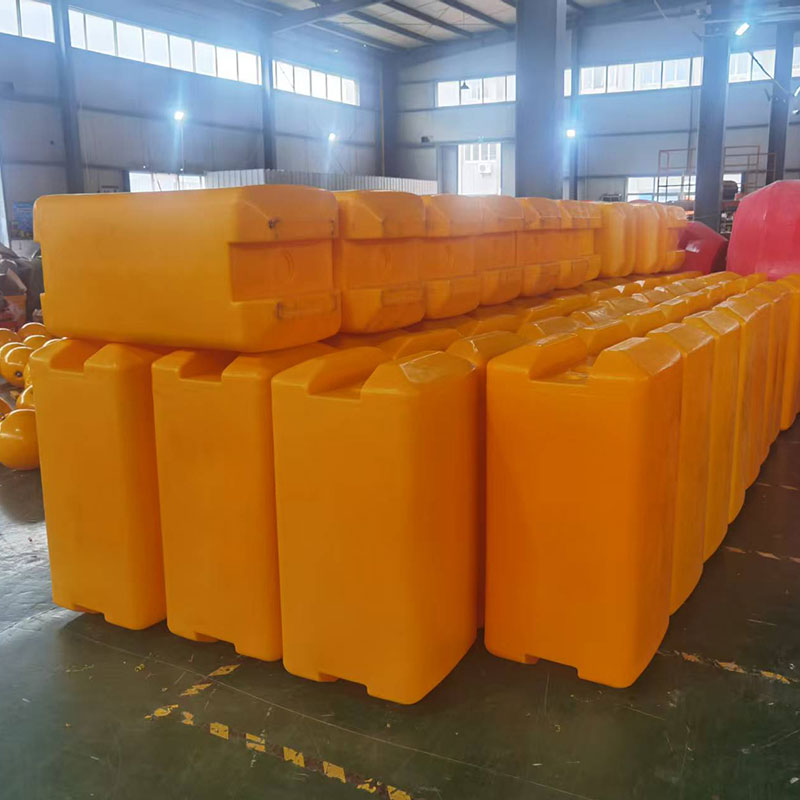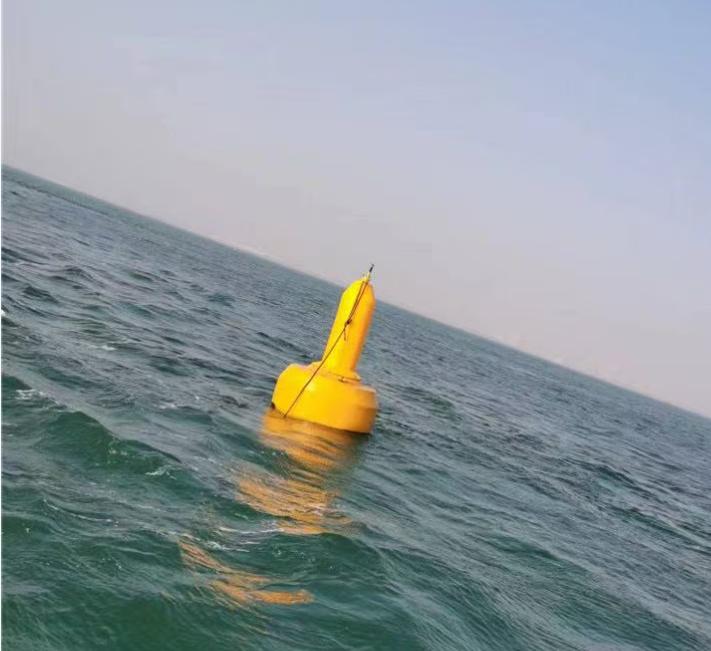
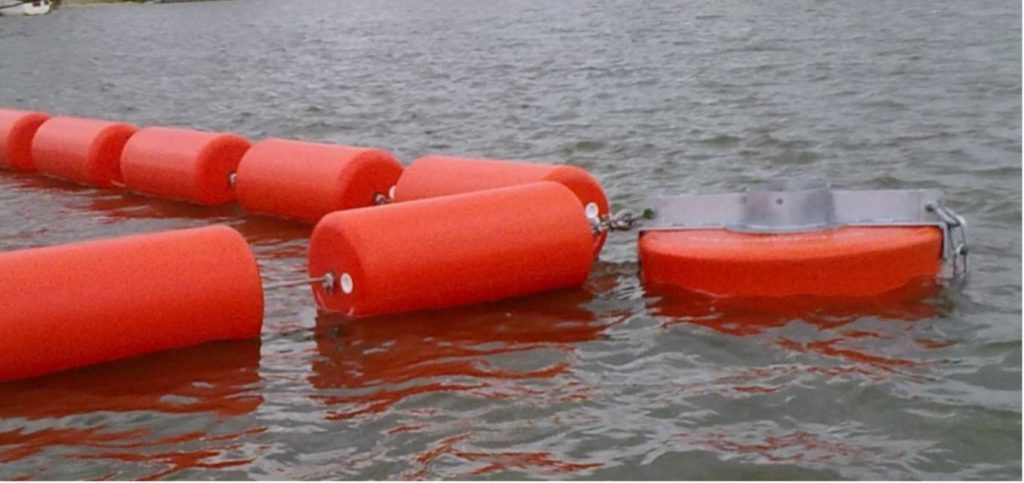
Water booms can be highly effective for controlling materials and limiting their movement across water. They create a physical barrier that helps keep floating debris, pollutants, sediment, and other unwanted materials within a defined area or away from sensitive locations.
However, a water boom is not equally effective in every situation. Its performance depends on the boom design, material, size, anchoring system, water flow, wind, waves, and the type of material being contained. A boom designed for calm water may perform poorly in strong currents, while a system designed for heavy-duty conditions may be unnecessary for a small, sheltered area.
The key to effective water boom performance is therefore matching the boom to the application and environmental conditions.
Key Takeaways
- Water booms can effectively control floating materials and limit their movement across water.
- Performance depends on boom design, material, water flow, waves, wind, anchoring, and deployment.
- Different water boom designs serve different purposes, including containment, debris control, and pollution response.
- Proper sizing, anchoring, installation, inspection, and maintenance are essential for reliable long-term performance.
- Buyers should evaluate the complete application rather than choosing a boom based only on size or advertised capacity.
What Makes Water Booms Effective?
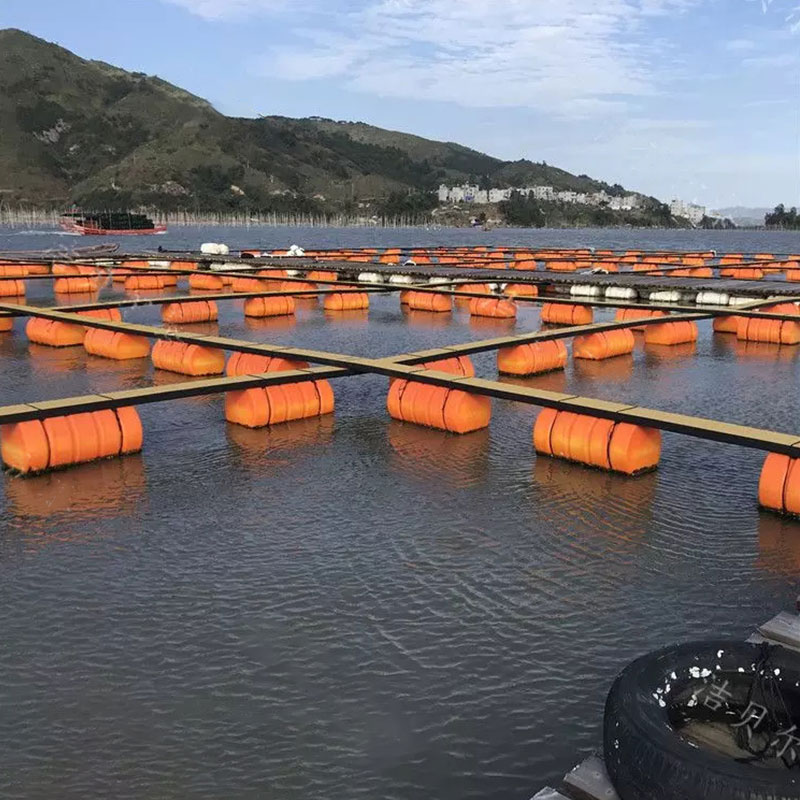
Water booms work by creating a floating barrier between the material being controlled and the surrounding water. Depending on the design, the boom can restrict movement at the surface, redirect floating materials, or separate one area of water from another.
How Do Water Booms Work?
Most water booms combine a floating section with a barrier that extends into the water. The flotation keeps the boom at the surface, while the lower section helps limit the movement of materials beneath it.
The exact structure varies according to the intended application. Some booms are lightweight and designed for quick deployment, while others use stronger materials and deeper barriers for demanding water conditions.
An effective water boom generally needs to maintain three things:
- Buoyancy: Keeps the boom at the correct position on the water surface.
- Barrier coverage: Provides enough height or depth to control the target material.
- Stability: Keeps the boom in position despite water movement, wind, and waves.
The connections between boom sections also matter. Weak or poorly connected sections can create gaps that allow materials to escape. Proper anchoring helps prevent the boom from drifting away from the area it is intended to protect.
What Can Water Booms Be Used For?
Water booms are used for different water-management and containment applications. Depending on the design, they can help control:
- Floating debris and waste
- Pollutants and contaminants
- Oil and other surface liquids
- Sediment and suspended materials
- Algae and other floating organic materials
- Materials that need to be contained or redirected on the water surface
Not every boom is suitable for every application. A boom designed to absorb liquid, for example, has different characteristics from a non-absorbent containment barrier.
This distinction is important when evaluating effectiveness. The best water boom is not necessarily the one with the highest advertised capacity. It is the one that performs the required function under the conditions where it will be deployed.
What Affects Water Boom Performance?
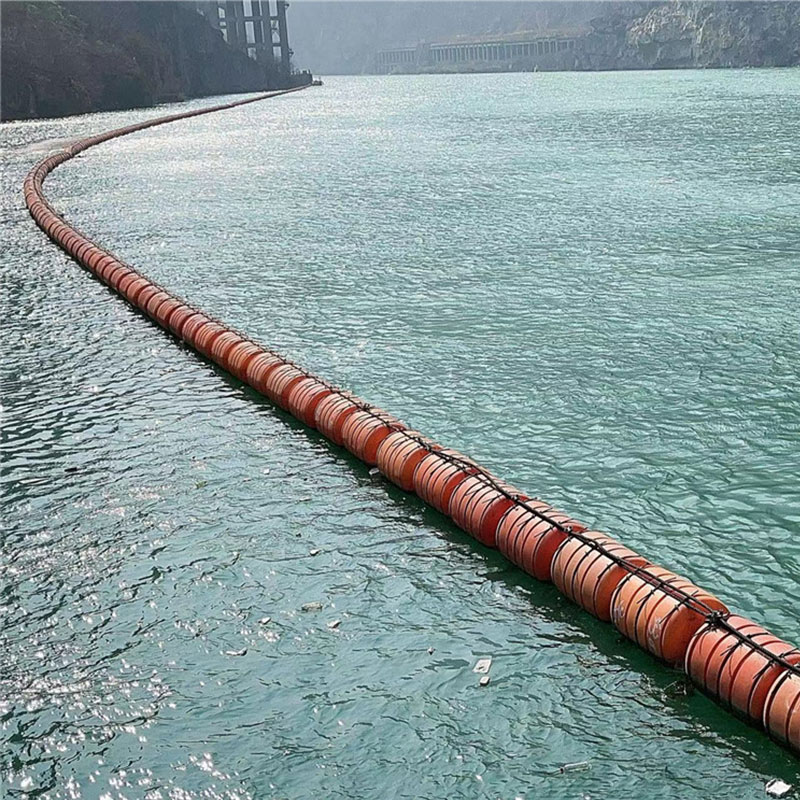
Environmental conditions can have a major effect on how well a water boom works. Even a well-designed boom can become less effective when it is incorrectly sized or deployed in conditions beyond its intended operating range.
Water Flow and Current Speed
Water movement is one of the most important factors affecting boom performance. As current speed increases, greater force acts on the boom and the material being contained.
Strong currents can cause materials to move underneath the boom. They can also pull the boom out of position or place excessive stress on connection points and anchors.
For areas with significant water movement, buyers may need a boom with:
- Greater structural strength
- An appropriate skirt or barrier depth
- Stronger anchoring
- More secure section connections
- A design intended for moving water
A boom designed for sheltered water should not automatically be used in rivers, channels, tidal areas, or other locations with strong currents.
Wind, Waves, and Weather
Wind and waves can also reduce effectiveness. Wind can push floating materials toward or away from the boom, while waves can cause materials to pass over a barrier that does not have enough freeboard.
Weather conditions can create additional challenges:
- Strong wind can move floating materials and place lateral pressure on the boom.
- Large waves can cause material to wash over the top.
- Changing tides can alter water depth and boom position.
- Storm conditions can place significant mechanical stress on anchors and connections.
- Heavy rain can increase water flow and change local conditions.
For this reason, boom selection should consider the expected weather and water conditions rather than relying only on laboratory or calm-water performance.
Boom Design, Material, and Deployment
The construction of the boom directly affects its performance. Important factors include flotation, barrier dimensions, fabric strength, flexibility, connection design, and resistance to environmental exposure.
Deployment is equally important. Even a high-quality boom can underperform if it is installed incorrectly.
Operators should make sure that:
- The boom is correctly positioned.
- Anchors are appropriate for the water conditions.
- Sections are securely connected.
- The barrier provides sufficient coverage.
- The boom is inspected after deployment.
- Damaged sections are repaired or replaced promptly.
A properly designed system can provide reliable performance, but effectiveness comes from the combination of product design and correct deployment.
How Effective Are Different Types of Water Booms?
There is no single water boom that performs best for every application. Different designs solve different containment problems.
Containment Booms
Containment booms are designed primarily to restrict the movement of materials across the water surface. They are useful when the main objective is to keep floating materials within a specific area.
Their effectiveness depends heavily on water movement and barrier height. In relatively calm water, they can provide a simple and effective containment solution. In stronger currents, the design must provide enough stability to prevent materials from passing underneath.
Debris Booms
Debris booms are designed to intercept floating objects such as branches, leaves, trash, and other surface debris.
Their effectiveness depends on the type and size of debris. A system designed for lightweight floating waste may not be suitable for large or heavy objects.
Debris booms also need to withstand repeated impacts. Strong connections and durable materials become especially important when the boom is exposed to continuous debris loads.
Absorbent Booms
Absorbent booms combine containment with absorption. They are commonly used when the material being controlled needs to be collected rather than simply redirected.
Their effectiveness depends on the absorbent material, exposure area, saturation rate, and the characteristics of the material being absorbed.
This makes absorbent booms different from conventional non-absorbent containment booms. Buyers should therefore compare products according to the actual application instead of treating all water booms as the same type of equipment.
Temporary and Permanent Booms
Temporary booms are useful when a barrier needs to be installed quickly for a specific project, maintenance operation, or emergency response.
Permanent systems are designed for longer-term protection and generally require greater durability and more robust installation.
The better option depends on how frequently the barrier will be deployed and how long it needs to remain in place. A temporary boom may provide better value for occasional use, while a permanent system may make more sense for facilities requiring continuous protection.
FAQ
Do Water Booms Work in Strong Currents?
They can, but effectiveness decreases when water movement exceeds the boom’s intended operating conditions. Strong currents can cause materials to pass underneath the barrier and can also place additional force on the boom and anchoring system.
What Is the Difference Between Absorbent and Non-Absorbent Water Booms?
Absorbent booms are designed to collect certain liquids or pollutants, while non-absorbent booms primarily create a physical barrier to contain or redirect materials. Their effectiveness should be evaluated according to the intended application.
How Long Do Water Booms Last?
Service life varies according to material, construction, exposure, deployment frequency, and maintenance. UV exposure, abrasion, water conditions, and repeated handling can shorten service life. Regular inspection helps identify damage before performance is affected.
How Do You Choose an Effective Water Boom?
Start by identifying the material that needs to be controlled and the conditions where the boom will be used. Then compare barrier dimensions, flotation, material strength, anchoring, durability, deployment method, and maintenance requirements.
Are Water Booms Worth the Cost?
Water booms can provide good long-term value when they are correctly selected and maintained. Buyers should compare total ownership costs, including purchase, labor, maintenance, replacement, storage, and disposal, rather than focusing only on the initial price.