Water Quality Buoy

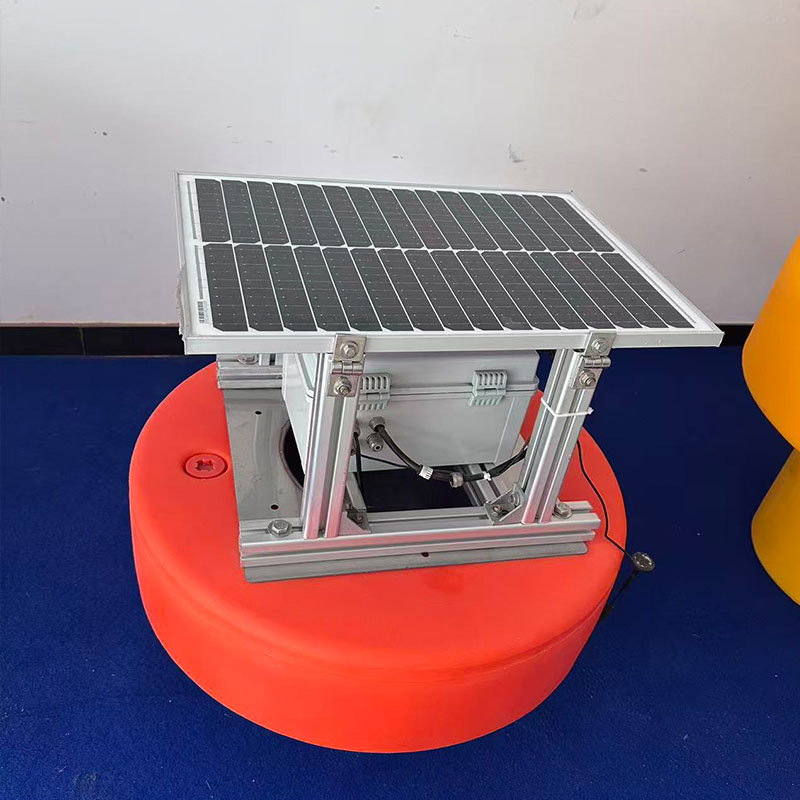
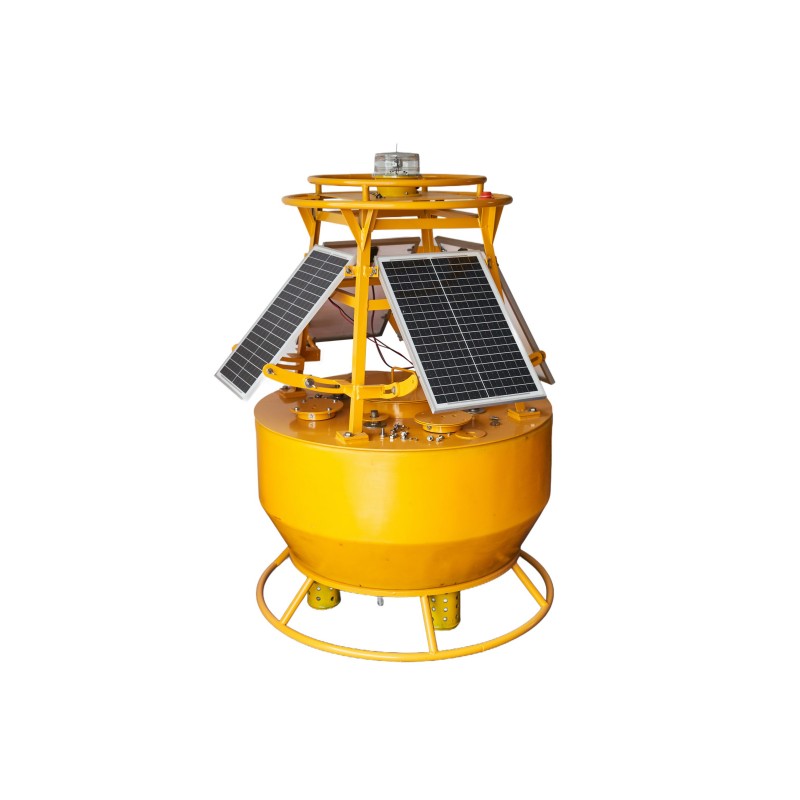
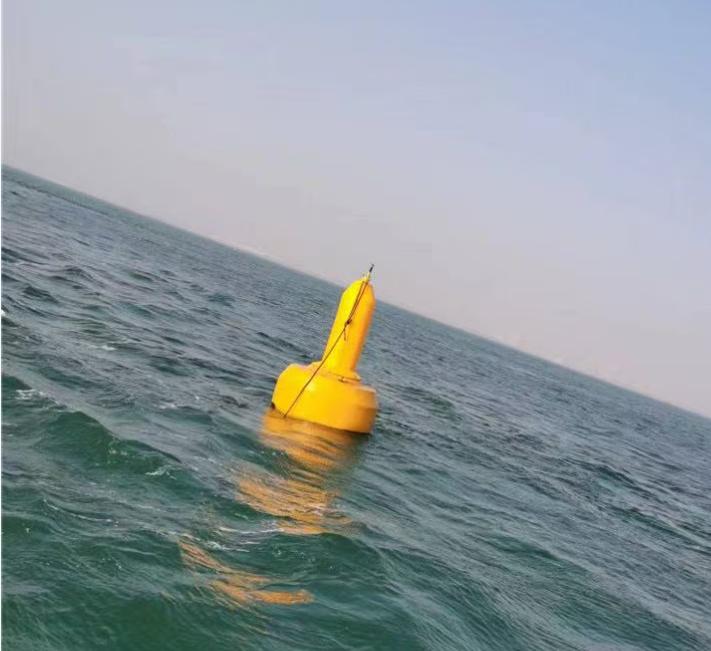
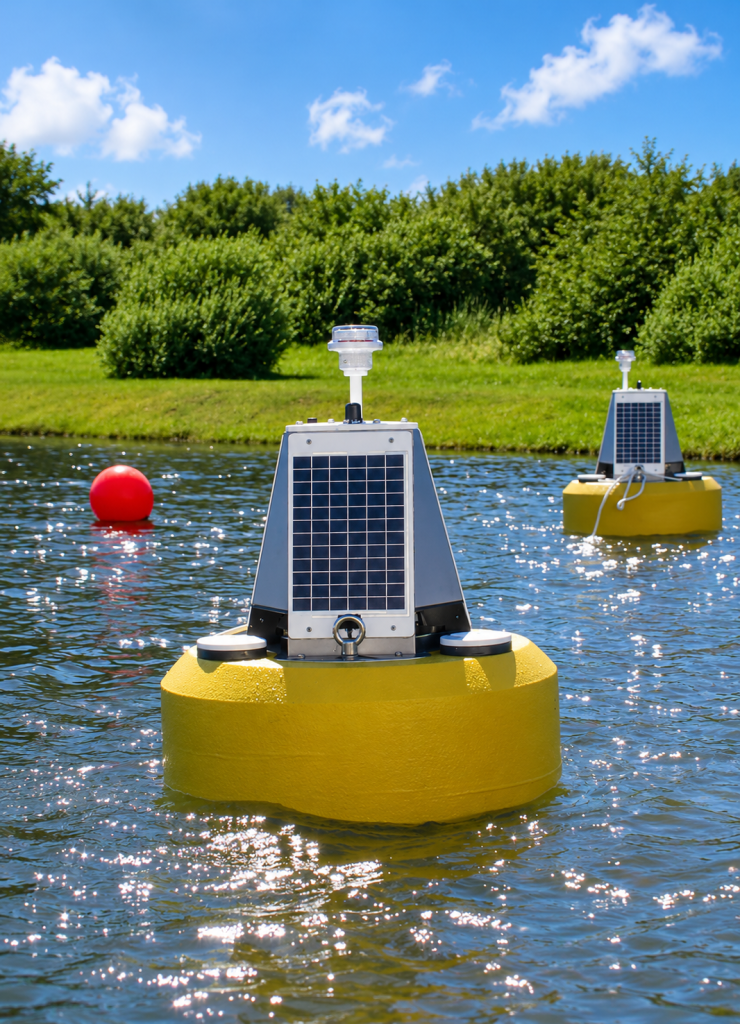
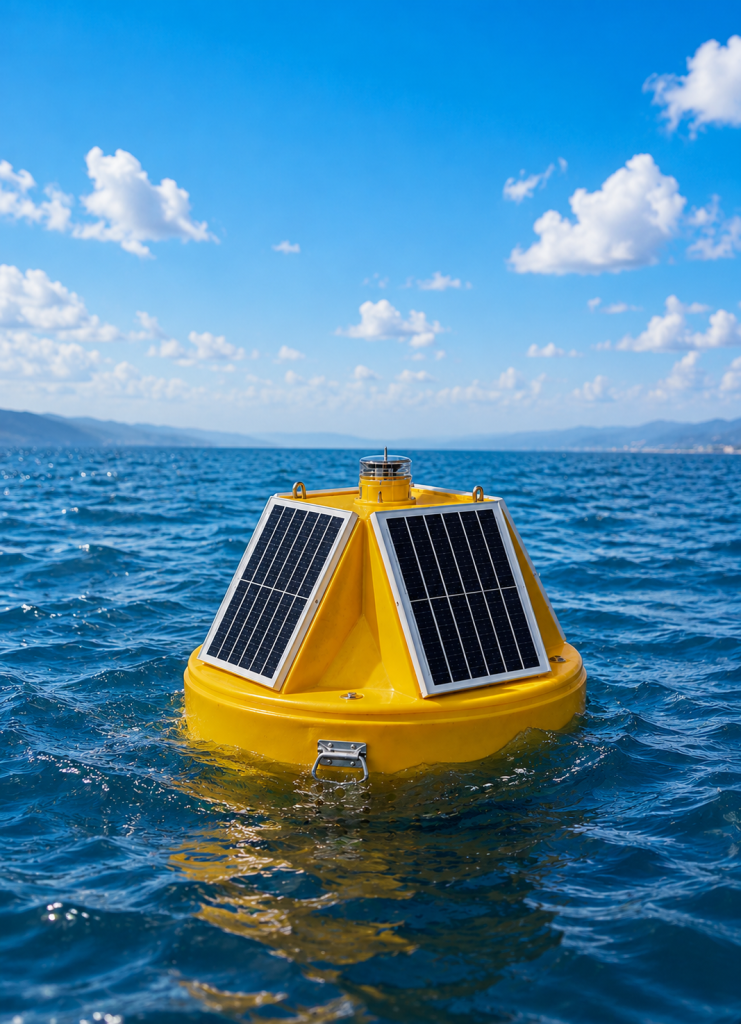
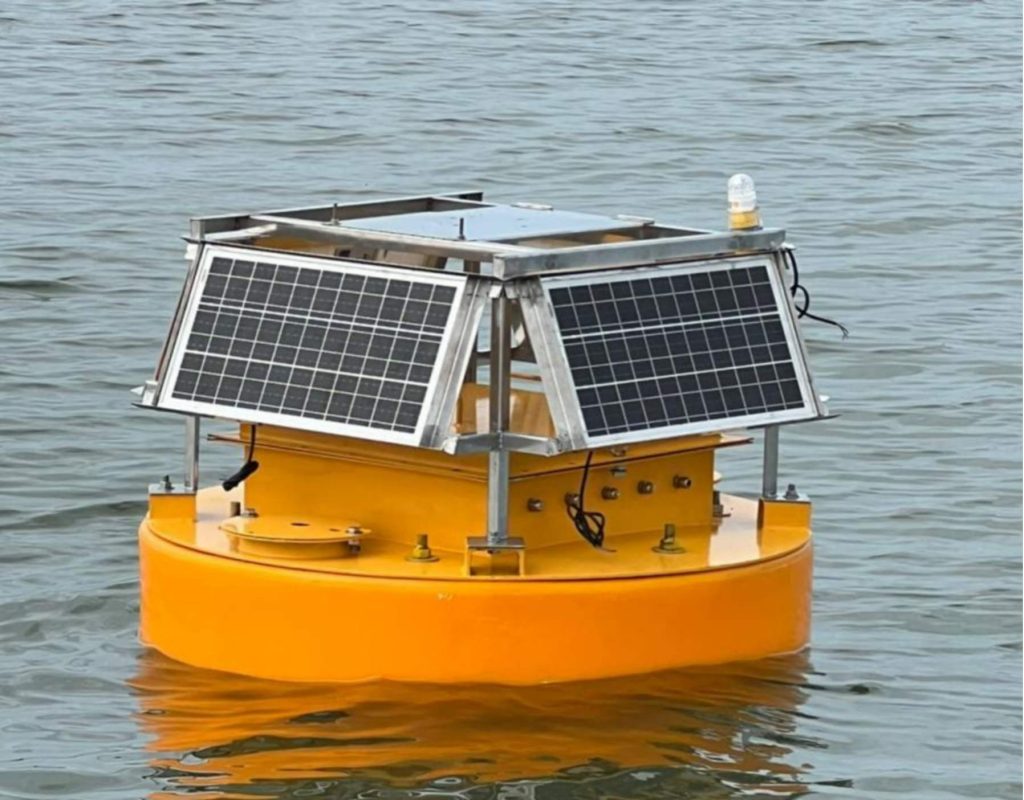
Buoy-based profiling equipment for research and monitoring are easy to use, reliable, and capable of highly accurate performance. Additionally, the buoys are light enough to be mobile yet stable enough to withstand storms and high winds. Water quality research and monitoring entails the need for accurate and highly dependable data

Technical Specifications & Quality Documentation for Water Quality Buoy

Technical Specifications – MFB800
Reference No.MFB800
Diameter800mm
Overall Height1500mm
Thickness10mm
Weight72kg
Buoyancy600kg
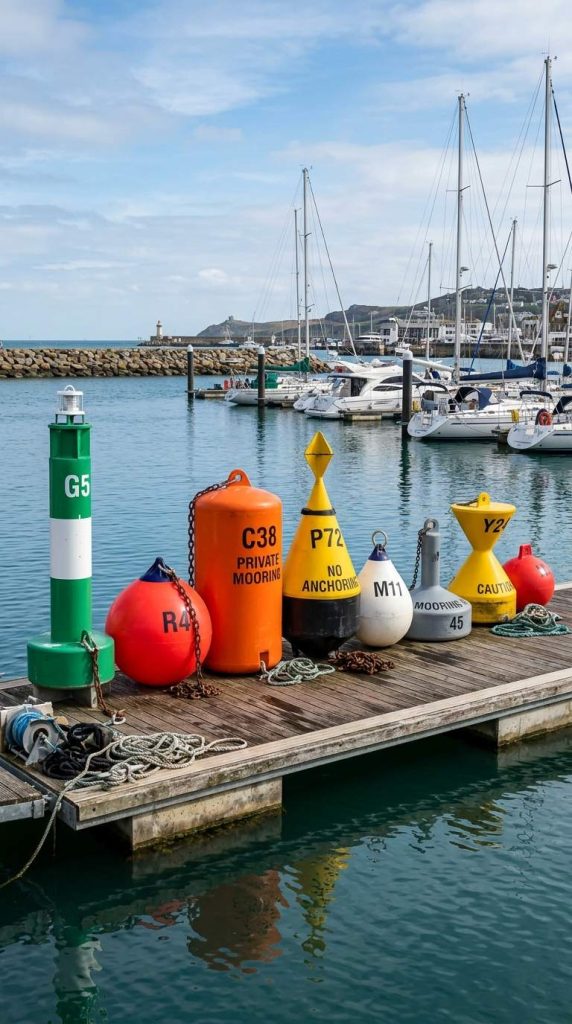
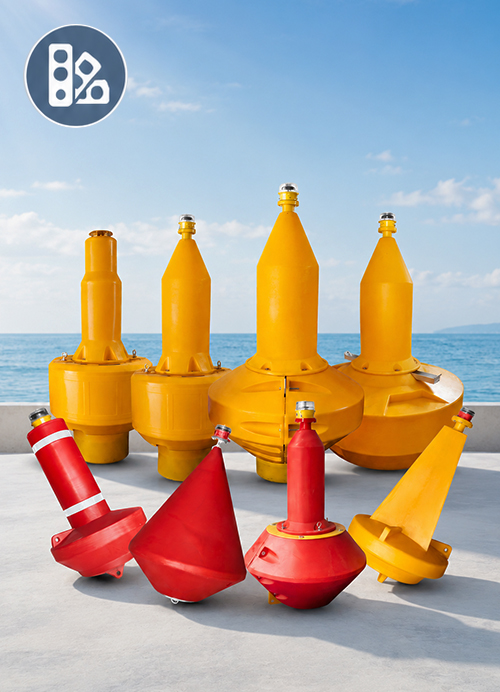
IALA Standard ColorsRed,Green,Yellow,Orange.

Flexibility. 

Both water monitoring buoy platforms and buoy sensors are completely customizable. Flexibility is baked into the design of these platforms, with the knowledge that users often need to modify or adapt their tools as their research questions and priorities for monitoring evolve. The same buoy-based water quality monitoring platform can house an individual sensor or more depending on the task at hand—which is why a data buoy is ideal for almost any kind of water quality application.


Independence.

Data buoys don’t need constant attention—so you can stick with the rest of what you’re busy doing, most of the time. Backed up by battery and solar power options, buoys don’t need a source of AC power, making remote deployments possible. Buoy-based systems can also stay in touch with online systems and servers, thanks to various telemetry options for sensor control and remote data access. This means entire operational seasons with minimal demands for maintenance and without wasteful, annoying interruptions.

Navigation Buoy 1

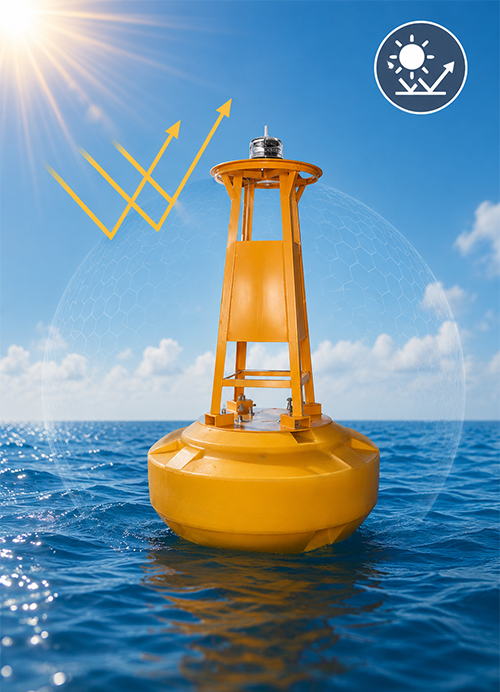
UV Resistant Material

Navigation Buoy 2 1

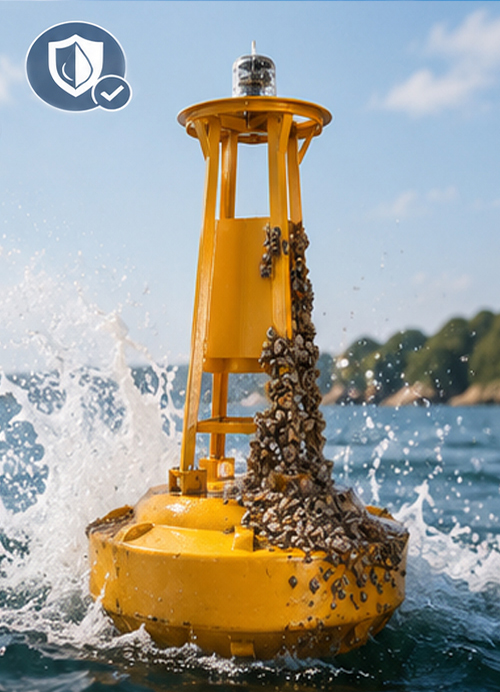
Corrosion Resistance

1

Waterproof

Navigation Buoy 4

Durable & Long Service Life

2

Eco-Friendly

Navigation Buoy 6

Customizable

Quality certification 07

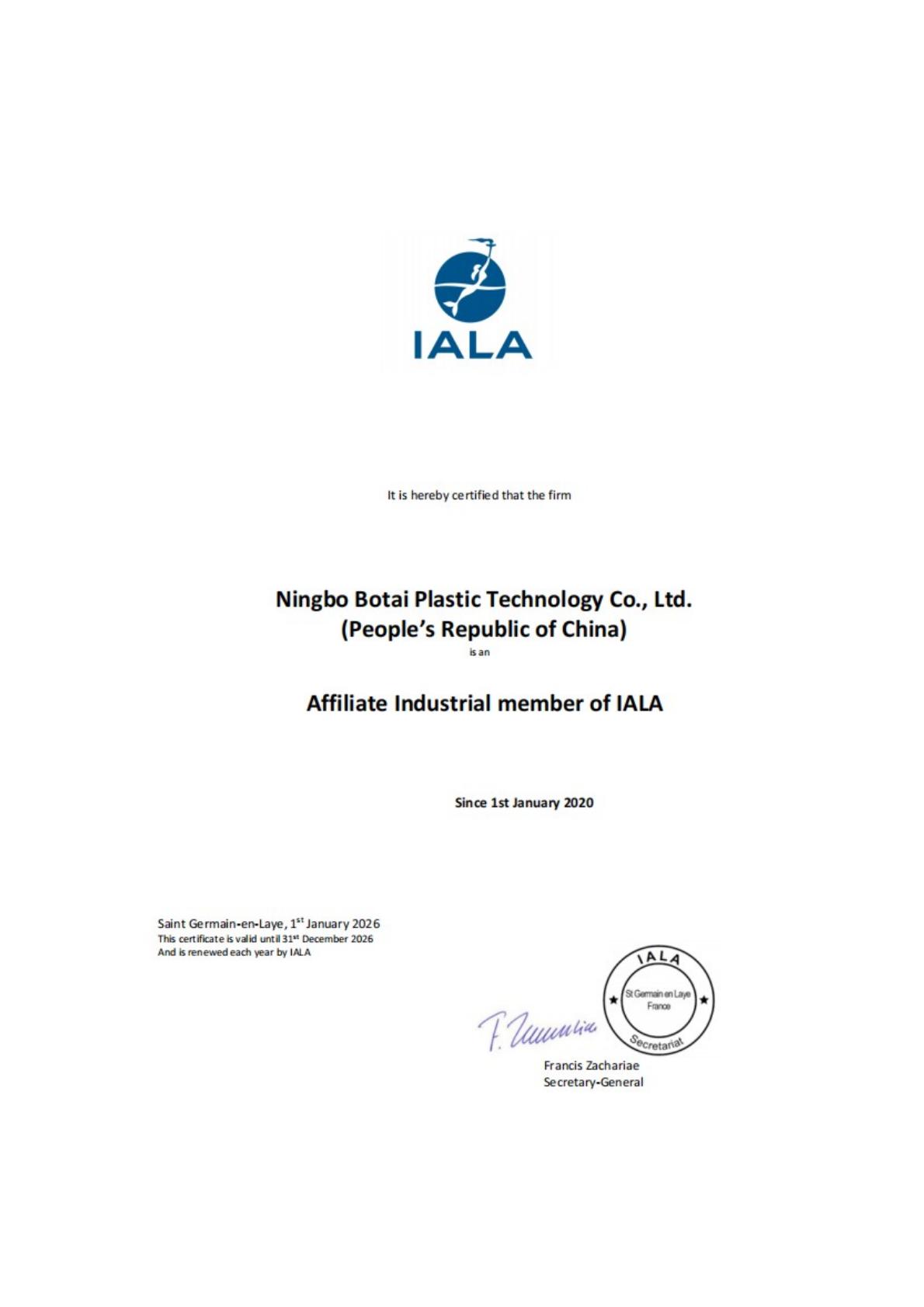
IALA Membership / Compliance Standards

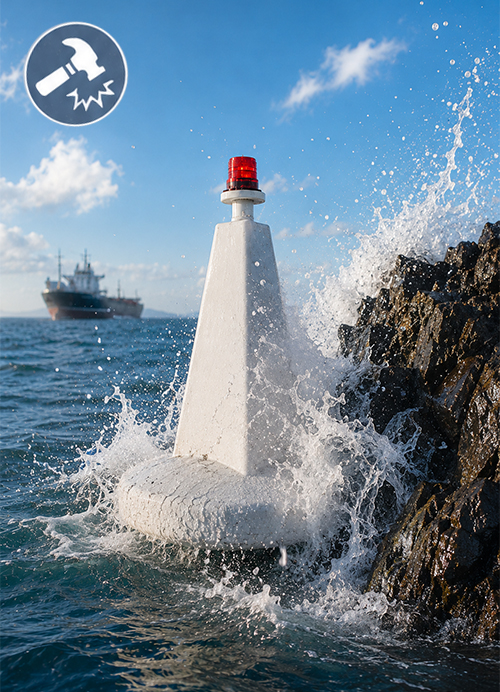
Our adherence to IALA guidelines ensures that every monitoring buoy, water quality buoy, and environmental buoy achieves perfect visibility at sea. This official maritime compliance guarantees that our single-piece polymer hulls protect your high-value telemetry instruments from vessel collisions during long-term water monitoring buoy operations.
Quality certification 02

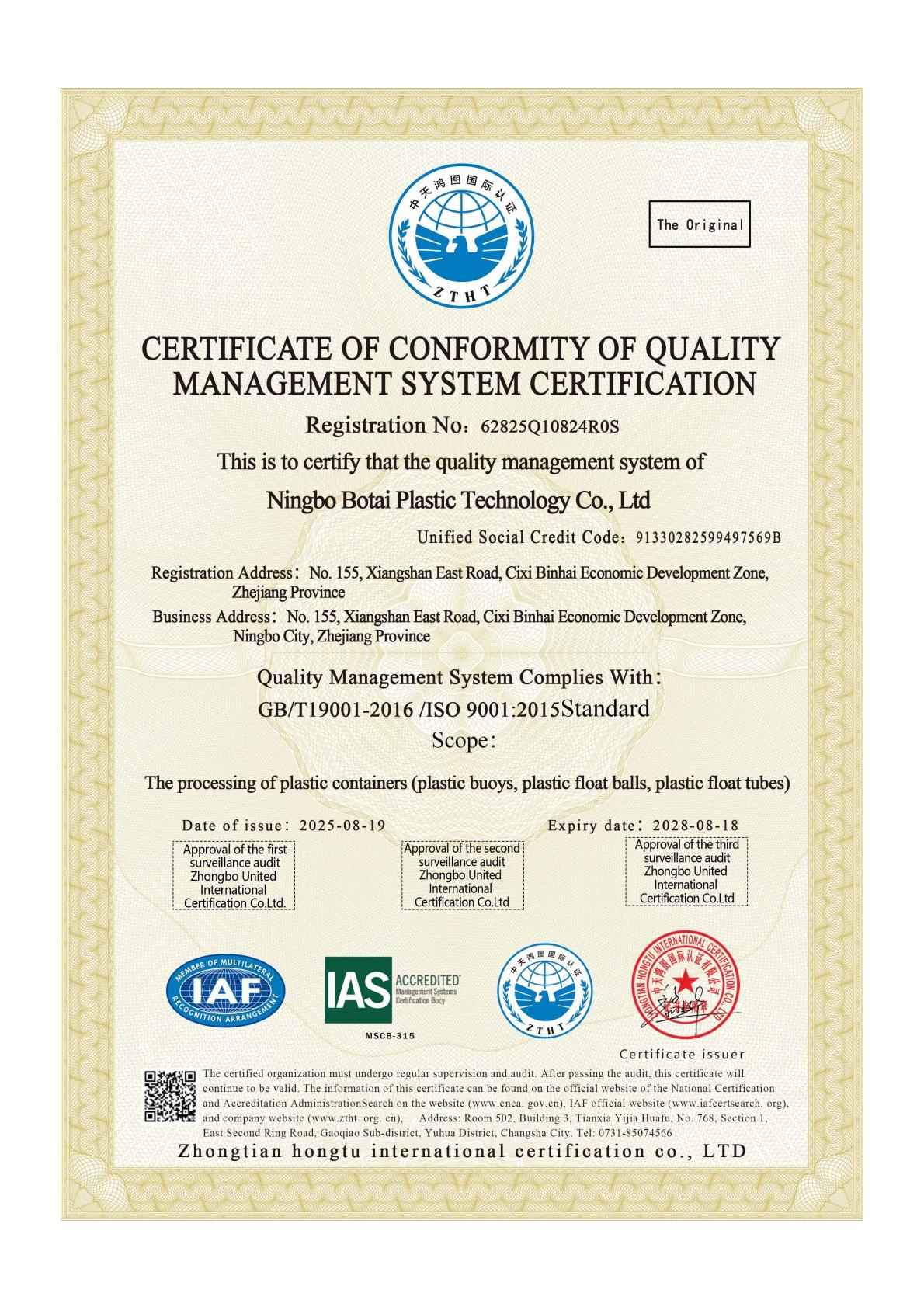
ISO 9001: Quality Management System

This certified quality framework governs the precise engineering of our multi-functional smart buoy and data buoys platforms. Our strict manufacturing controls guarantee structural load balance for dual-purpose operations as a wave monitoring buoy, a wave measuring buoy, or an integrated water level buoy platform.
Quality certification 06

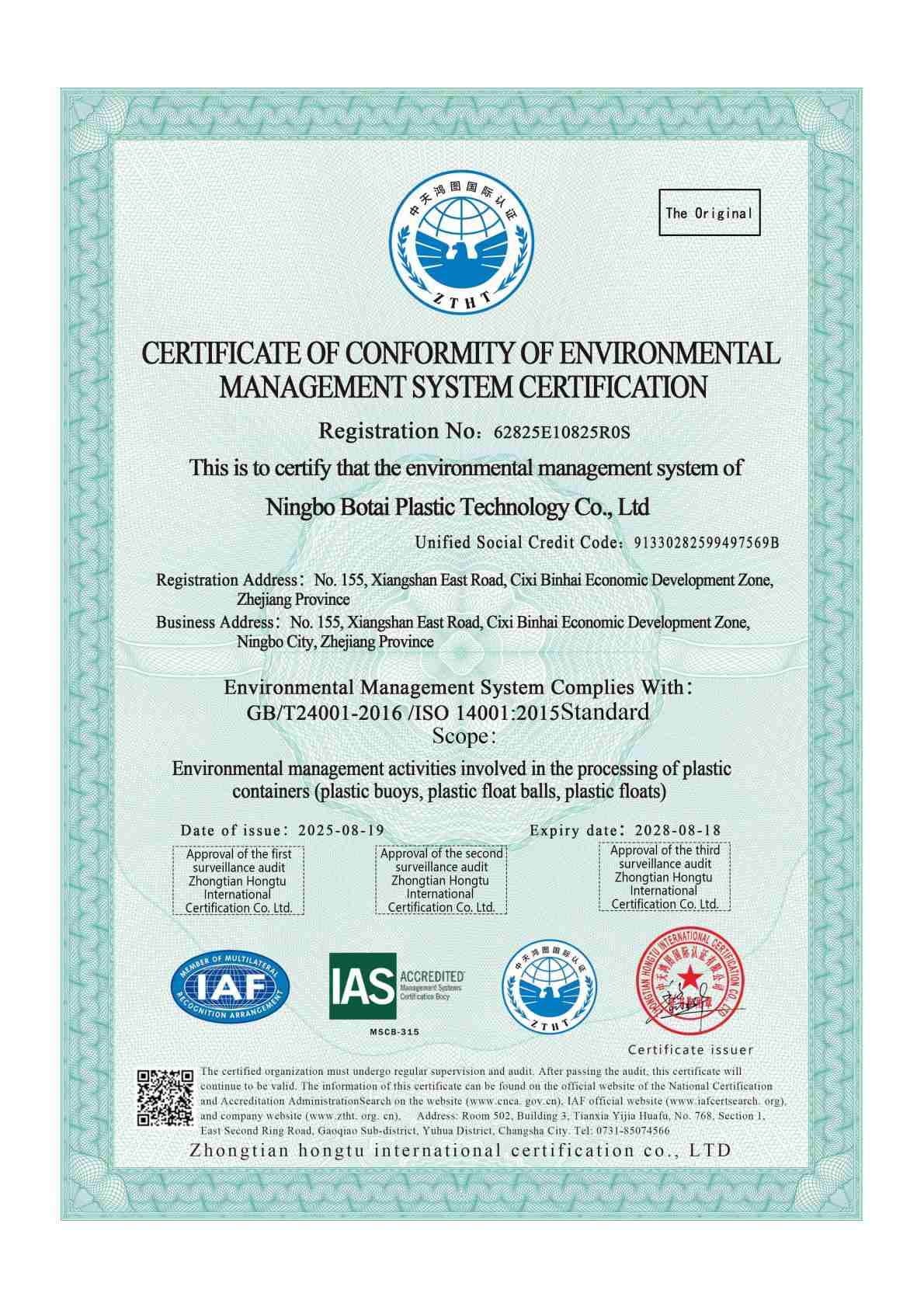
ISO 14001: Environmental Management System

Our sustainable production protocols utilize 100% inert, eco-safe materials to manufacture each oceanographic buoy and ocean monitoring buoy. This certification ensures zero chemical leaching, providing a perfectly uncontaminated environment for highly sensitive environmental buoy data logs and water quality monitoring buoy telemetry clusters.
Quality certification 04

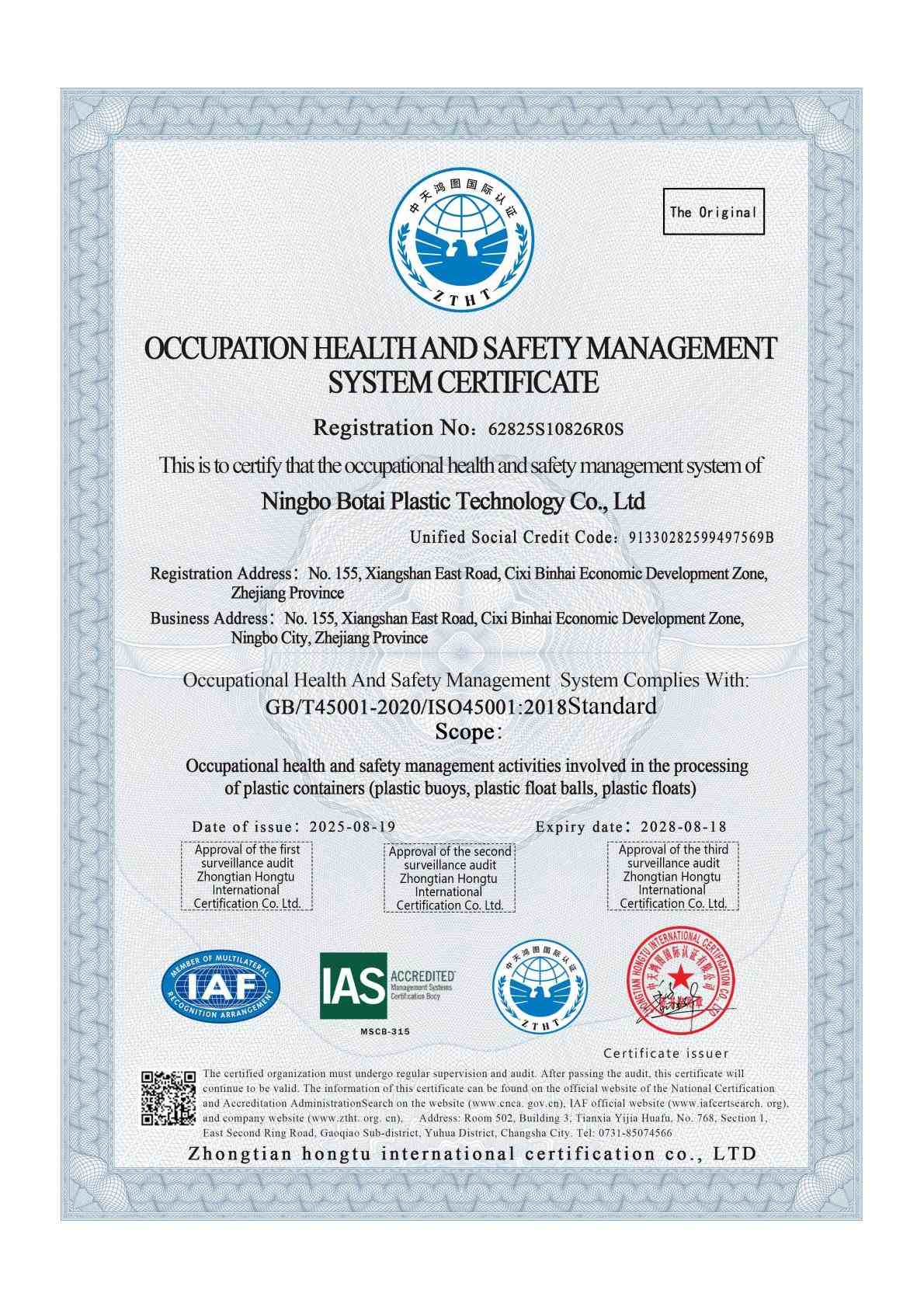
ISO 45001: Occupational Health & Safety

Driven by strict workplace safety standards, we reliably deliver heavy-duty hardware tailored for complex offshore deployments. The structural platforms are physically optimized to support specialized lidar buoy, floating lidar buoy, meteorological buoy, weather buoy, marine weather buoy, and offshore weather buoy components, featuring secure payload cavities for advanced gps buoy, satellite buoy, and multi-parameter sensor buoy arrays.
Product Datasheet (PDF)

Download the complete technical specifications and physical performance data for our water quality buoy. This documentation provides comprehensive engineering metrics required to deploy the platform as a long-term water monitoring buoy, an autonomous smart buoy, an environmental buoy, or heavy-duty data buoys in harsh aquatic environments.

CAD & Technical Drawings

Access 2D and 3D files to assist with your engineering layout and structural integration. The dimensional schematics are physically optimized for configuring customized payloads, including lidar buoy arrays, a floating lidar buoy system, an oceanographic buoy frame, or specialized meteorological buoy instrumentation running on advanced gps buoy and satellite buoy tracking telemetry.

Installation & Maintenance Manual

Step-by-step guidance on deployment, mooring configurations, and long-term upkeep for optimal monitoring buoy stability. This comprehensive technical guide details the precise anchoring physics needed when operating the unit as a wave monitoring buoy, a wave measuring buoy, a water level buoy, or a continuous-telemetry water quality monitoring buoy in tidal zones.

Quality & Compliance Certification

Includes IALA standard compliance statements, ISO 9001/14001/45001 certificates, and technical test reports for your procurement and audit records. This downloadable documentation verifies our structural and material safety for immediate deployment as an ocean monitoring buoy, a weather buoy, a marine weather buoy, an offshore weather buoy, or a highly sensitive multi-parameter sensor buoy network.

Our Customization Process for Monitoring Buoys

Our streamlined four-step engineering workflow transforms your complex telemetry requirements into rugged, field-deployed realities. By controlling everything from hydrodynamic modeling to heavy-industrial manufacturing, we custom-configure high-performance hulls optimized for your exact sensor payload and deployment sea state. Whether you are launching a standalone water quality buoy, a multi-band satellite buoy, or an expansive oceanographic buoy network, our systematic customization process guarantees that every single platform delivers maximum structural survivability and absolute data fidelity under continuous offshore wind and wave loads.

01.

Requirements Mapping & Smart Buoy Conceptual Design

The process begins by engineering the foundational architecture around your exact instrument payload, balancing weight distribution and power demand. Whether you are deploying a multi-parameter water quality monitoring buoy array, a high-value sensor buoy cluster, or an expansive data buoys network, our initial 3D design phase ensures that the final smart buoy or environmental buoy hull layout provides optimal protection and ideal draft balance for your telemetry equipment.

Case Fact: Philippines Vacation Area Monitoring Buoy Project

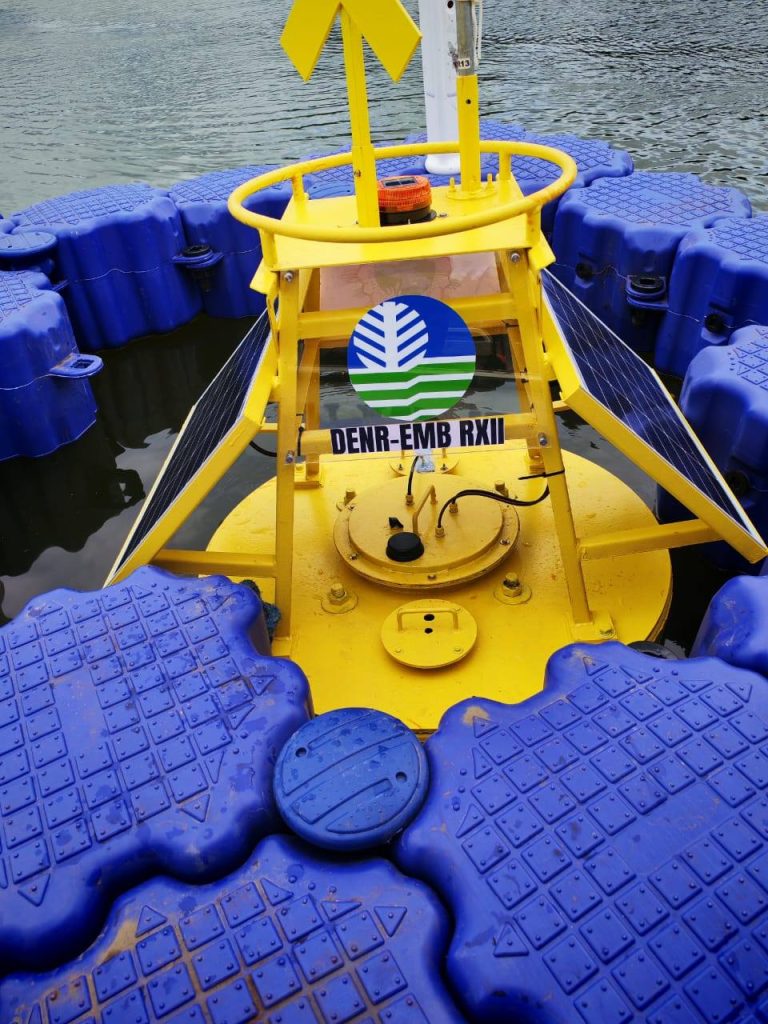
A resort client required a long-term marine telemetry network across 4 designated coastal zones to track real-time water health. Our engineering team mapped the layout around the client’s existing, highly sensitive water quality monitoring equipment, precisely adapting the internal equipment compartment of our rugged 1800 mm HDPE coastal monitoring buoy to achieve an ideal payload-to-hull balance without altering the resort's proprietary devices.

02.

Hydrodynamic Simulation & Wave Monitoring Buoy Stability Optimization

Next, we custom-configure the physical stability profiles to match the specific hydrodynamic loads of your target deployment site. For severe open-ocean environments requiring a dedicated wave monitoring buoy or a high-precision wave measuring buoy, or for tidal zones requiring a real-time water level buoy, our simulation testing optimizes internal ballast distributions and secures integrated gps buoy anti-theft compartments to build a highly stable ocean monitoring buoy platform.

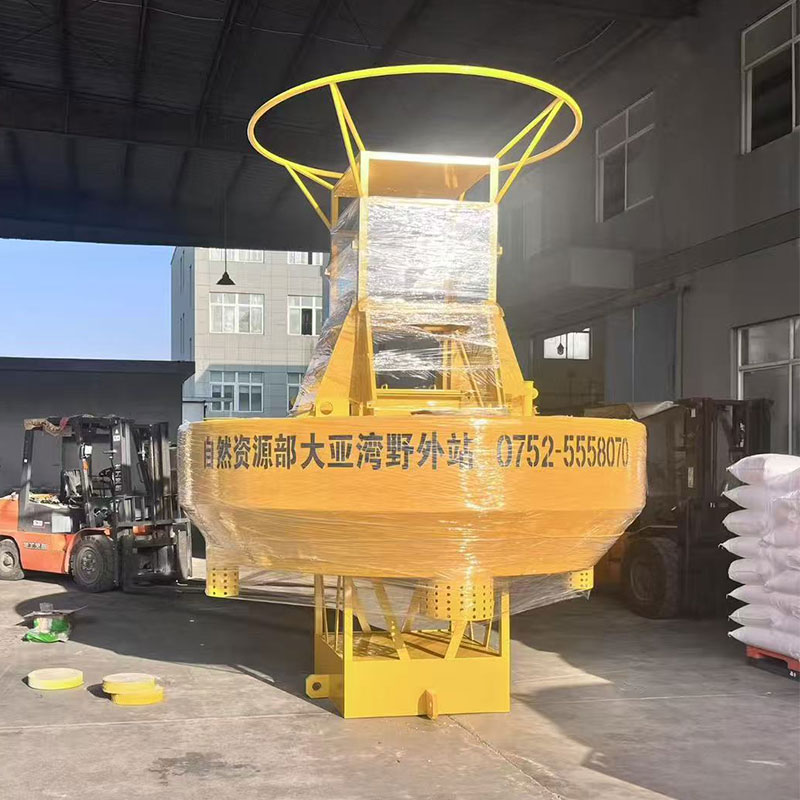
Case Fact: Brunei Water Quality Monitoring Buoy Project

The integration of a heavy, reinforced upper steel frame and top solar plate platform posed a significant risk to the buoy's floating balance and center of gravity in open coastal waters. To prevent capsizing and stabilize data telemetry, our engineers conducted rigorous water flotation testing and hydrodynamic balance simulations, precisely adjusting our integrated counterweight and precision ballast system to optimize the overall weight distribution. This data-backed tuning successfully guaranteed absolute floating stability and continuous, unattended operation for the 1-meter diameter marine monitoring buoy in local tidal environments.

03.

Heavy-Industrial Rotomolding & Meteorological Buoy Hull Fabrication

Moving into physical production, our in-house factory utilizes advanced, seamless internal rotomolding with pure ExxonMobil™ LLDPE to construct a low-stress, heavy-duty shell for your water monitoring buoy. Featuring a verified Shore Hardness of D55 and a tensile strength of ≥ 16 MPa, the hollow hull is high-pressure injected with 40-45 kg/m³ closed-cell polyurethane foam to create an unsinkable monoblock core, allowing the structure to withstand catastrophic collisions when serving as a critical meteorological buoy, a standard weather buoy, a rugged marine weather buoy, or an extreme offshore weather buoy.

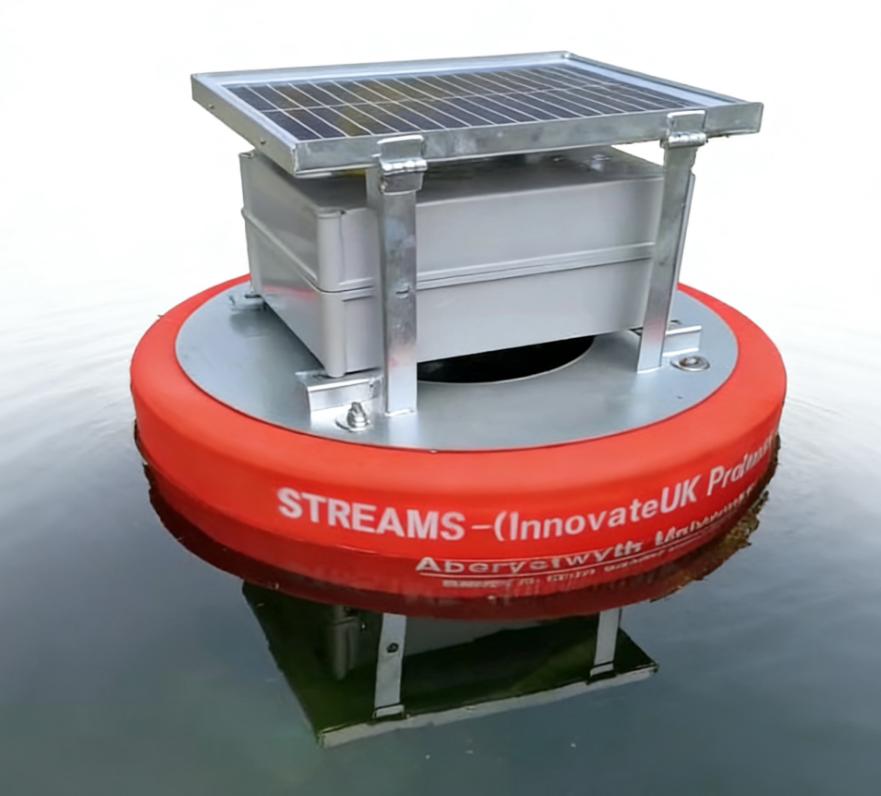
Case Fact: UK Small Monitoring Buoy for University Research Project

Academic experimental research projects often demand heavy-industrial performance but operate under severe, restricted budgets that make expensive standard molds impossible. To bypass high tooling costs while delivering a collision-resistant, low-stress structure, we engineered a brilliant structural shortcut: adapting our existing, high-durability rotomolded 700 × 320 mm custom floating ring as the unsinkable monoblock foundation for the student research platform. This heavy-industrial polymer ring perfectly absorbed accidental impacts during university testing while drastically driving down procurement costs.

04.

Telemetry Hardware Integration & Final Monitoring Buoy Validation

In the final stage, we focus on instrument well sealing, solar matrix installation, and rigorous data loop verification. We calibrate the payload compartments to handle heavy, high-consumption tracking setups such as a floating lidar buoy or a specialized wind-mapping lidar buoy, as well as highly responsive biochemical water quality buoy probes. Before delivery, every customized monitoring buoy undergoes a strict testing regime to ensure 100% compliance with IALA guidelines for visual and structural sea-readiness.

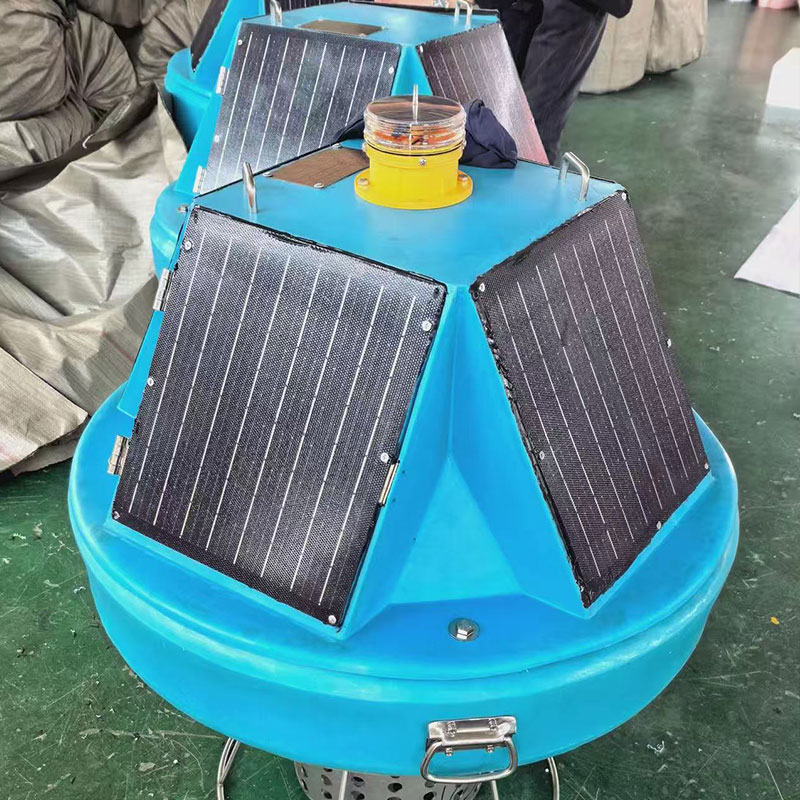
Case Fact: Thailand Coastal Water Monitoring Buoy Project

To support advanced environmental governance in Rayong Province, the client required an intelligent, shallow-water deployment system capable of cellular data transmission and real-time GPS positioning. Operating in an extremely shallow water depth below 1 meter, standard sensor layouts would touch the seabed and damage the equipment. We engineered and validated an extended SS316 stainless steel corrosion-resistant sensor cage, allowing data probes to sit precisely at the ideal testing depth without seabed contact. For telemetry hardware validation, we rigorously audited the electronics integration, cross-testing and replacing two separate solar lamp suppliers until we secured a specialized indicator light that successfully executed 100% compliant integrated GPS and cellular network data loops.

Optimizing environmental buoy data intelligence and data buoys deployment safety.
Find your tailored water quality buoy, wave buoy, or weather buoy today.

Related Products & Alternative Water Monitoring Buoy Models

Our Manufacturing Advantages for Data Buoys

We control every phase of the physical manufacturing process—we do not intermediate. From internal custom-engineering to custom-mixing UV-15 stabilized resins for severe open-ocean environments, our vertically integrated facility utilizes advanced, heavy-industrial rotomolding to construct low-stress polymer hulls that eliminate operational failure. When you partner with us, you are buying directly from the factory floor, backed by verifiable material science parameters and field-proven telemetry infrastructure.

In-House Rotomolding Mastery & Impact Resistance

We utilize factory-direct, heavy-capacity rotomolding to engineer custom LLDPE shells with a verified D55 Shore Hardness and a tensile strength of ≥16 MPa. Our facility fabricates high-performance hulls from 1-meter to 1.8-meter diameters, seamlessly adapting dimensions to fit internal instrument compartments without modifying the client's proprietary telemetry payload, as demonstrated in our Brunei and Philippines coastal water deployments. To survive destructive vessel collisions in high-traffic channels, the hollow rotomolded structure is high-pressure injected with 40-45 kg/m³ closed-cell polyurethane foam to create an unsinkable monoblock core that remains 100% waterproof and buoyant even if punctured.

Material Science Certifications & Technical Compliance

We back our engineering ownership with test-proven certification, completely avoiding empty corporate talk. Our factory operates under strict ISO 9001, ISO 14001, and ISO 45001 international management systems, while our linear low-density polyethylene (LLDPE) compounds hold official CE material certificates verifying UV-15 stabilization and non-toxicity. Furthermore, our manufacturing workflow delivers strict 100% IALA guideline alignment for visual sea-readiness and provides full technical data sheets to satisfy public sector tenders, as field-proven in our Davao and Philippines government procurement projects.

Precision Hydrodynamic Stability Support

We deliver complete structural balance and deployment peace of mind through rigorous water flotation testing and advanced hydrodynamic simulation. For severe open-ocean sites or top-heavy configurations—such as platforms carrying reinforced upper steel frames and solar matrices—we custom-configure a precision counterweight and ballast system. This balances internal weight distribution, optimizes draft lines, and secures responsive stability profile alignment for uninterrupted telemetry.

Turnkey Telemetry Hardware Integration

Every smart buoy and data buoys platform we manufacture undergoes strict data loop and sealing validation before final delivery. Our engineering team customizes internal steel frames, waterproof equipment boxes, and extended SS316 stainless steel sensor cages—even successfully sourcing and validating specialized solar indicators to integrate 100% compliant GPS and cellular network transmission, as proven in our shallow-water Rayong Province deployment.

Rotomolded Buoys & Floats Product Blogs

USA Floating dock1
news

What holds a floating dock in place?

A floating dock stays securely in place using highly specified systems of anchors, chains, pilings, or cables, selected based on water depth, bottom type, and local conditions to ensure stability. Securing a marine structure is a rigorous hydrodynamic challenge that requires counteracting kinetic energy—specifically wind shear, wave drag, and tidal

Read More »
Floating docks 4
news

What holds a floating dock in place?

A floating dock faces a rigorous hydrodynamic challenge, requiring it to counteract kinetic energy from wind shear, wave drag, and tidal displacement. To remain stable, it relies on highly specified systems of anchors, chains, pilings, or cables tailored to water depth, bottom type, and local conditions. Standard marine engineering protocols

Read More »
Floating docks 0
news

What is the average cost of a floating dock?

You will find the average cost of a floating dock depends on several factors. Key Takeaways Floating dock cost overview Price range and averages Floating dock prices can be very different. The cost changes based on type, size, and features. Here are some usual prices: Note: Aluminum docks cost $20

Read More »
Floating Trash Barrier 5
news

How does a water boom work?

A water boom is an engineered floating barrier deployed across aquatic environments to intercept, contain, or divert surface pollutants like solid waste, organic debris, and hydrocarbons. As a primary countermeasure for surface contamination, water booms concentrate pollutants for efficient remediation. This technical guide outlines the hydrodynamic capabilities, material specifications, and

Read More »

FAQ About Our Data Buoy Engineering

What heavy-industrial materials does Botai use to ensure the long-term marine survival of your monitoring buoy hulls?

We mold our single-shot polymer shells exclusively using premium ExxonMobil™ LLDPE with UV-15 stabilization, achieving a certified D55 Shore Hardness and tensile strength ≥ 16 MPa. This zero-stress outer skin is permanently backed by an internal 40-45 kg/m³ high-density, closed-cell solid polyurethane foam matrix and an encapsulated hot-dip galvanized steel framework to survive severe workboat collisions without water absorption.

Yes. We deliver turnkey engineering customization by CNC-machining 1:1 matched equipment compartments and precision-bored instrument wells directly into the solid architecture based on your exact multi-parameter sensor arrays. We also integrate extended SS316 stainless steel protection cages directly into the structural load path to secure downward-facing telemetry devices from sand abrasion in shallow waters.

Even if an extreme kinetic impact or vessel collision punctures the outer LLDPE shield, our platforms maintain absolute, permanent buoyancy. Because our automated core-filling technology forces the 40-45 kg/m³ solid polyurethane matrix to bond flawlessly to the inner walls, the expanded cell structure creates a rock-solid, non-porous core that completely prevents water migration, device flooding, and instrumentation damage.

Absolute traceability is maintained for every production batch. Our entire enterprise facility operates under strict ISO 9001, ISO 14001, and ISO 45001 management standards, ensuring our tracking assets comfortably withstand extreme thermal fluctuations from -40°C to 75°C to seamlessly pass third-party maritime audits, environmental compliance checks, and cross-border procurement qualifications.

Our physical rotational molding infrastructure operates heavy-duty, computer-controlled tooling lines capable of executing large-scale bulk orders simultaneously. This scalable tooling capacity grants our engineering team the logistical freedom to rapidly output uniform architectures from compact 700 mm scientific float rings up to massive 1800 mm heavy-load commercial hulls with highly predictable industrial lead times.

Start Your Monitoring Buoy Project with Baitai Today

Contact Us