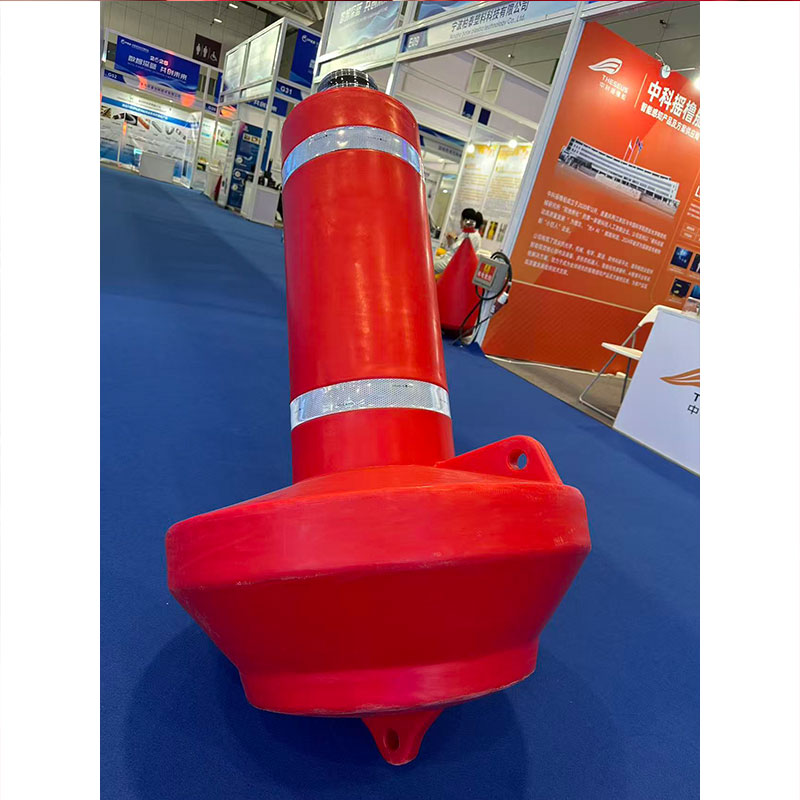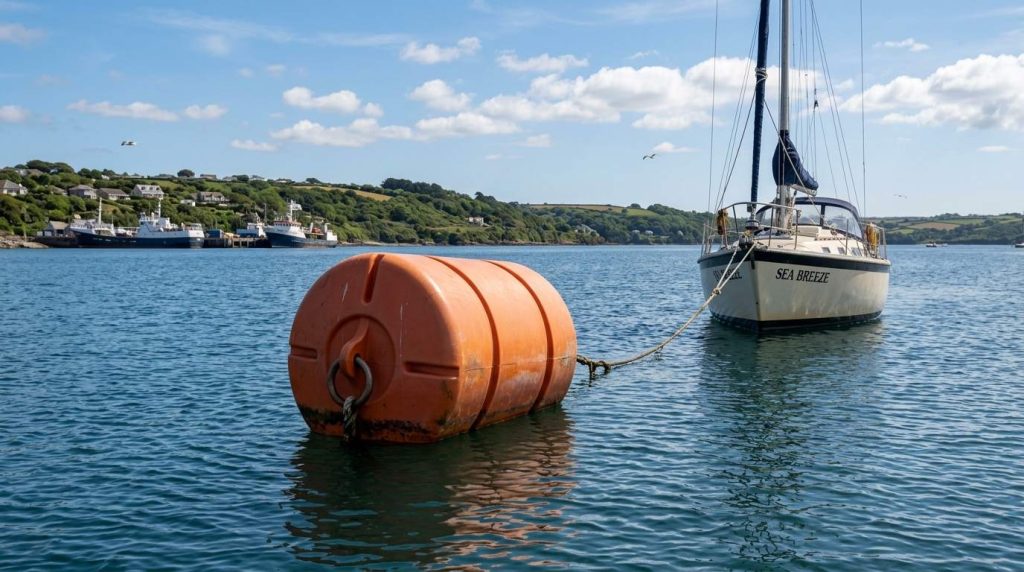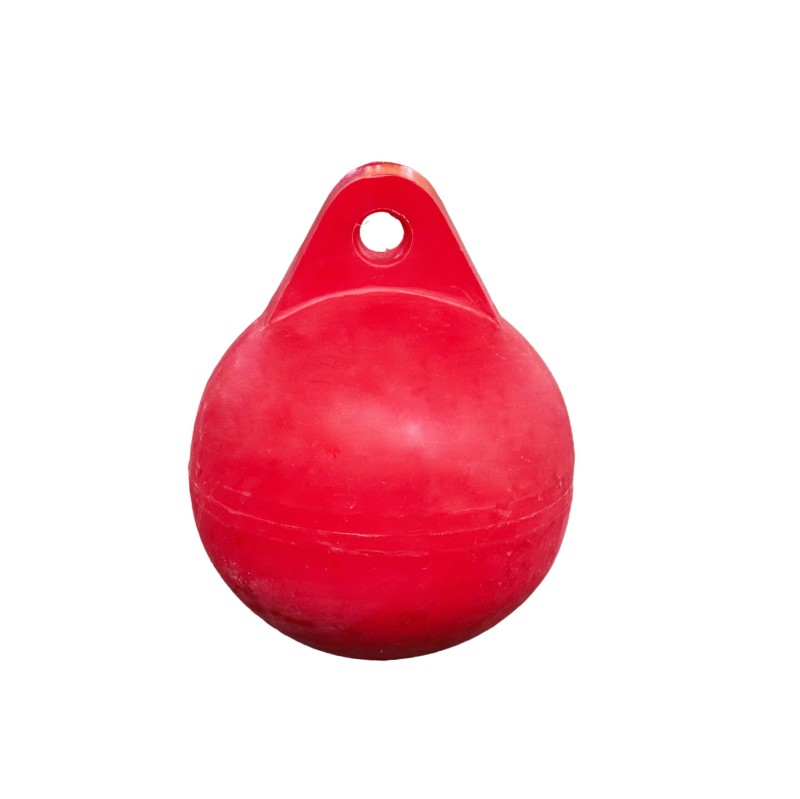

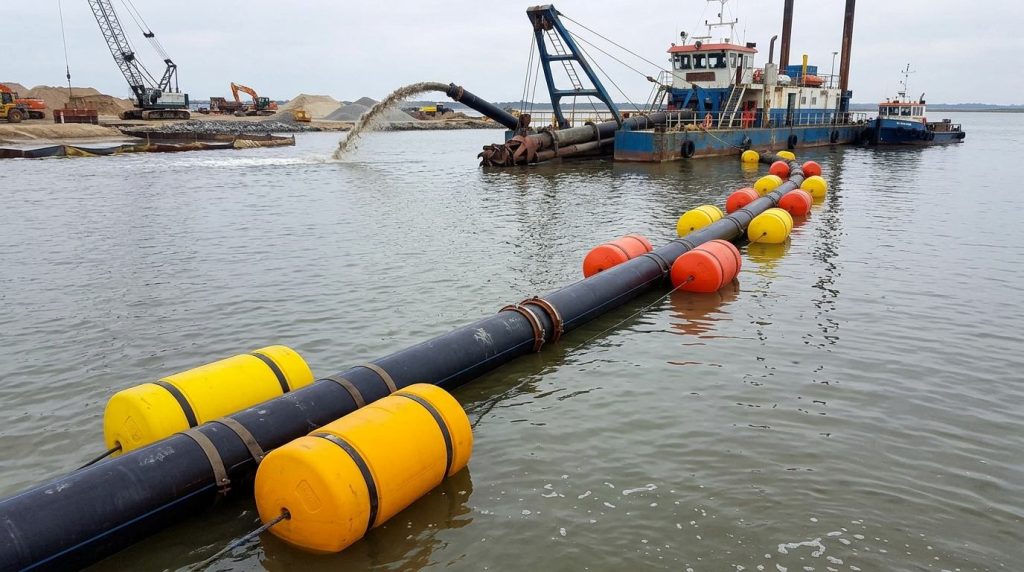
A dredge pipe helps move slurry in the ocean. Slurry is water, sand, silt, and gravel. Pipelines carry this mixture through the ocean. Dredge pipe floats keep the pipes above water. This stops the pipes from sinking. It also keeps the flow steady. This makes port dredging, sand mining, or beach restoration safe. It also makes these jobs efficient.
Key Takeaways
- Dredge pipes move water, sand, silt, and gravel in the ocean. This helps make navigation safer. It also helps make construction safer.
- Dredge pipe floats hold the pipes above water. This keeps the work steady. It stops the pipes from getting damaged.
- Pick good brands like Botai for strong dredge pipe floats. This makes your project work better.
Dredge pipe overview
What is a dredge pipe?
Dredging pipelines are used to transport water, sand, silt, and gravel in the ocean. They connect dredging machinery to locations where materials need to be added or removed. Dredging pipelines are robust and durable, functioning like a waterway. Pipeline buoys help keep the pipeline above water, preventing it from sinking and maintaining stable water flow. Dredging pipelines are used in many marine engineering projects, such as port construction and beach restoration.
Dredging pipelines must be extremely robust and durable because they must withstand strong water currents, heavy materials, and impacts from sharp objects. Manufacturers use special materials for each component of the pipeline to extend its lifespan. The table below lists the materials used and their applications:
| Layer Type | Material Used | Purpose |
|---|---|---|
| Inner Lining | Synthetic rubber | Stops damage from sand and water. |
| Reinforcement Layers | High-strength synthetic fibers | Makes the pipe strong and able to handle pressure. |
| Outer Cover | Tough, abrasion-resistant material | Protects the pipe from cuts and outside harm. |
Main uses in ocean dredging
Dredged pipelines are a common feature in many large-scale marine engineering projects. These pipelines help keep waterways clear and facilitate ship navigation. They also contribute to engineering construction and environmental protection. Here are some of the main ways dredged pipelines are used:
- Harbor and port maintenance
- Navigational channel deepening
- Marina and dock excavation
- Offshore sediment relocation
- Wetland restoration
- Contaminated sediment removal
- Shoreline and beach nourishment projects
- Lake and riverbed remediation
- Slurry transport for aggregate and mining sites
- Sediment discharge lines
- Dewatering systems for construction sites
- Tailings and waste material piping
Tip: Using dredge pipe floats keeps the pipeline in place. It also helps the pipe work well, even when the water is rough.
Dredging operations benefit people and businesses, but they can also cause damage to the environment. Dredging operations can stir up silt, destroy animal habitats, and even release harmful substances. Therefore, it is important to plan adequately to ensure the safety of marine life and water bodies.
Types and components
You can choose different dredging pipes for your job. Each type works best in certain situations. Here is a table to help you compare:
| Dredge Type | Function | Suitable Materials |
|---|---|---|
| Cutter Suction Dredges | Uses spinning cutters to suck up material. | Works with hard ground like rocks |
| Hopper Dredgers | Sucks up material and puts it in a hopper. | Good for soft stuff like mud and clay |
There are also these floating pipes:
- Integral self-buoyant pipes: These float by themselves and move easily in water.
- Self-buoyant rubber hoses: These bend and work well in tricky water spots.
- Tapered self-buoyant rubber hoses: These are good for open sea areas.
Dredging pipeline floats help support heavy pipelines on the water surface. They keep the pipeline stable and facilitate slurry transport. Dredging pipeline systems contain many important components:
- Flanges or couplings for quick and easy connection
- Elbows and joints to change the pipe’s direction
- Floaters or supports, like dredge pipe floats, to keep pipes on top of the water
Note: Always check your dredge pipe floats and other parts before you start. This stops leaks and keeps your work safe.
Dredge pipe floats & Botai
Role of dredge pipe floats
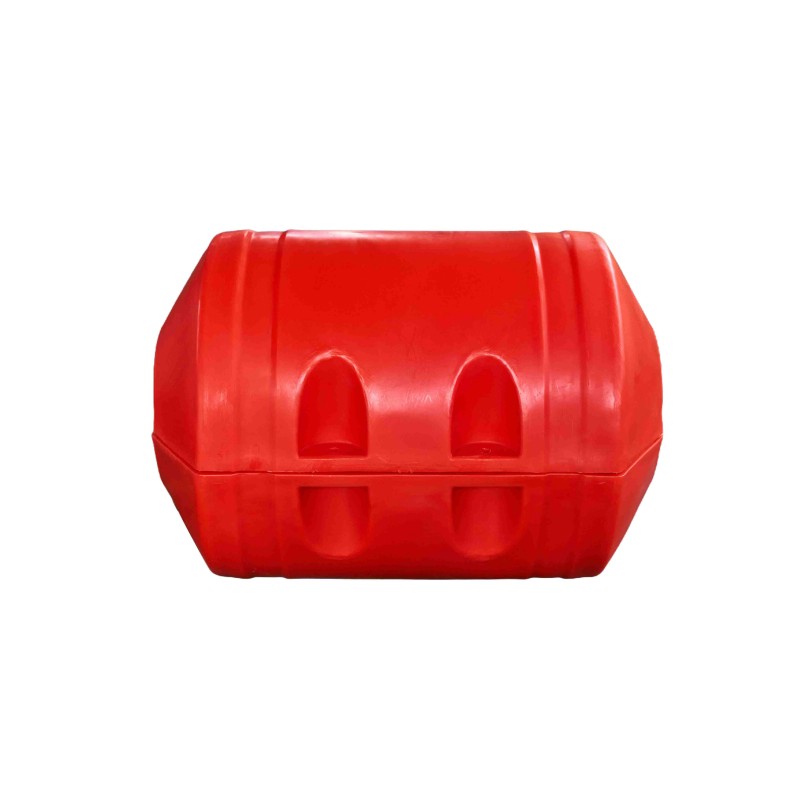
Dredging pipeline pontoons help maintain pipeline stability in the ocean. These pontoons keep the pipeline afloat, preventing it from sinking or hitting the bottom. Positioning pontoons along the pipeline helps keep it straight, preventing bending or breakage and ensuring operational safety. Dredging pipeline pontoons also protect the pipeline from the impact of strong waves and rugged seabeds. These pontoons facilitate the safe transport of slurry, keeping the pipeline above water and stable.
Features of quality floats
When selecting dredging pipe pontoons, pay attention to the material and design. High-quality pontoons are made of tough plastics such as high-density polyethylene (HDPE) or medium-density polyethylene (MDPE). These plastics are not easily rusted and can be used for a long time in seawater. The best pontoons are manufactured using a rotational molding process, which creates a thick, hard coating that helps the pontoon maintain its strength and shape. In addition, choose pontoons in a variety of sizes and shapes to find the right style for your operation. The table below is for your reference:
| Feature | High-Quality Floats | Lower-Quality Floats |
|---|---|---|
| Material Quality | Durable, long-lasting plastics | Cheaper, less durable materials |
| Design | Robust, stable, fits many uses | Basic, may not fit all needs |
| Cost-Effectiveness | Saves money over time | May cost more in repairs |
Botai brand highlights
Botai is a leading manufacturer of dredging pipe pontoons with over 15 years of experience. They utilize ISO 9001 certified materials and the latest buoyancy technology. Each pontoon features a thick LLDPE outer layer and a high-strength polyurethane inner layer, making it puncture-resistant and providing excellent buoyancy. Botai tests the wall thickness and core strength of each pontoon. They also offer support in custom design, CAD drawings, and project planning. Botai sells in bulk, ensuring fast delivery and guaranteeing your project runs on schedule. In demanding marine operations, Botai provides robust and durable custom pontoons that you can rely on.
- You use dredge pipes to move sand and silt for safe navigation and building projects.
- Floats keep pipes steady and working well.
- Choose trusted brands like Botai for quality and support.
Tip: Inspect and clean your floats often. Pick equipment that matches your site and project needs.
FAQ
What is the main job of a dredge pipe float?
Dredging pipe floats can keep the pipe above the water surface, prevent it from sinking, and keep it straight.
How do you pick the right size float for your project?
You should match the float size to your pipe’s diameter and weight. Check your project’s needs before you choose.
Why should you choose Botai dredge pipe floats?
Botai floats use thick LLDPE and strong polyurethane. You get reliable buoyancy, custom sizes, and fast delivery for your marine projects.