
You can see mooring buoys in lots of places. They are usually white with a blue band. There is a ring or hook to tie boats. These buoys hold boats in place without an anchor. Picking the right type keeps people safe. Look at how important things affect how well they work:
| Factor | Impact |
|---|---|
| Environmental Conditions | Keeps the buoy steady |
| Buoyancy Requirements | Helps support the boat |
| Material Selection | Makes the buoy last longer |
| Installation Efficiency | Makes setup faster |
| Maintenance Expectations | Helps the buoy work well for a long time |
Key Takeaways
- Pick the correct mooring buoy to keep everyone safe and help sea animals. Permanent mooring buoys work best in crowded places. Mooring balls are good for fun spots.
- Think about your boat’s size, how deep the water is, and the weather before you pick a buoy. This helps the buoy deal with problems at your boating spot.
- Find strong materials like polyethylene that do not rust or break easily. This will help you spend less on fixing and make the buoy last longer.
Types of mooring buoys
Permanent mooring buoys
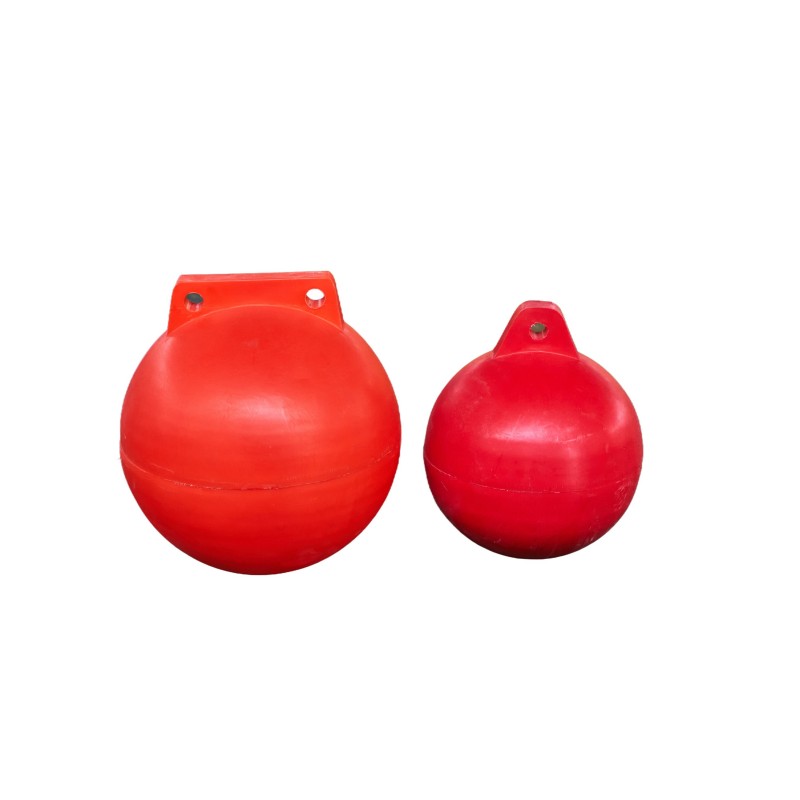
Permanent mooring buoys allow your vessel to remain safely anchored for extended periods. You’ll find them at docks, in harbors, and in calm waters. They don’t move because they are secured to the seabed with heavy chains or concrete blocks. These buoys prevent you from using anchors that could damage coral reefs and other marine life. They also prevent vessels from drifting or colliding with each other in busy waters.
Tip: Permanent mooring buoys show safe areas and help you avoid danger. They also protect old shipwrecks from anchor damage.
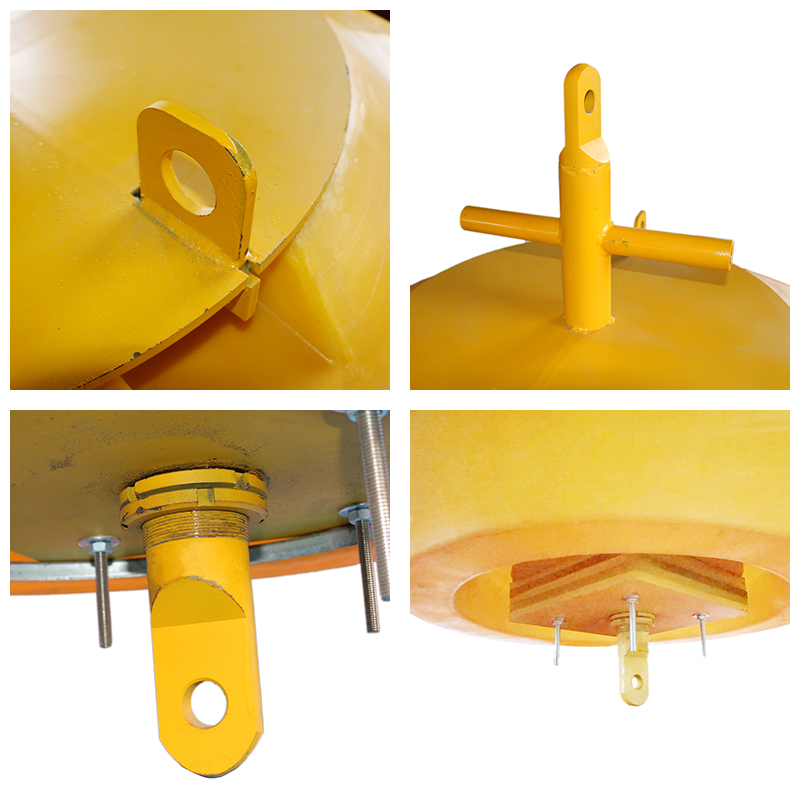
Manufacturers use robust and durable marine materials, ensuring the longevity of these buoys. They feature strong, high-strength hardware, guaranteeing safety in both fresh and saltwater. Some buoys also incorporate steel eyelets and foam cores, further enhancing their strength. For example, Botai’s permanent mooring buoys utilize a rotationally molded polyethylene shell and a UV-resistant surface. These features help the buoys withstand harsh weather and ship impacts. Botai products comply with ISO 9001, ISO 14001, and ISO 45001 standards, so you can be assured of their safety, reliability, and superior quality.
| Feature/Advantage | Description |
|---|---|
| Ecological Benefits | Stops damage to reefs and habitats |
| Increased Safety and Security | Lowers drifting and boat crashes |
| Clear Navigation | Shows safe places to moor |
| Durability and Cost Savings | Reduces gear wear and saves money on repairs |
| Space Efficiency | Helps fit more boats in busy marinas |
| Convenience | Makes mooring fast and easy |
| Preservation of Historical Sites | Keeps shipwrecks safe from anchor harm |
Mooring balls
Mooring buoys are circular floats that drift on the water’s surface, helping you moor your boat. You can see them at interesting sailing spots, dive sites, and busy ports. They float on the water and are connected to a heavy-duty anchor underwater. They are easily identifiable due to their bright colors and clear markings.
Mooring buoys can save you time and effort. You don’t need to drop anchor, which saves you a lot of time. They also protect the seabed from anchor damage. Many docks use mooring buoys to moor more boats in limited space. This makes sailing easier for everyone, even beginners and people with disabilities.
| Benefit/Use | Description |
|---|---|
| Convenience and Ease of Use | Makes mooring quick and simple |
| Reduced Environmental Impact | Protects underwater life |
| Cost-Effective Solution | Lowers repair costs and boat damage |
| Increased Accessibility | Helps beginners and people with physical challenges |
Some companies, such as Botai, produce mooring balls with a foam core and a robust outer shell. These components help the buoy float and remain stable, even in rough waters. This design can also withstand impacts from other boats, making it ideal for both recreational and work boats.
Mushroom moorings
Mushroom-shaped mooring systems use a heavy, mushroom-shaped anchor that sinks into soft silt. These anchors are commonly found in rivers or muddy harbors. The rounded design allows the anchor to penetrate deep into the mud and sand, firmly gripping the hull and providing strong holding power for the vessel.
| Characteristic | Scenario of Effectiveness |
|---|---|
| Embeds securely | Best for muddy bottoms |
| Rounded shape | Good for rivers with strong currents |
| Less effective | Not good for sand or rocks |
Mushroom-shaped mooring bollards work best in soft soil and less effectively in sandy or rocky terrain. Initially, they rely on their own weight for stability. Over time, the suction gradually strengthens, making them more secure. Newly installed mushroom-shaped mooring bollards should be inspected during the first season, especially in inclement weather.
| Evidence Description | Details |
|---|---|
| Effectiveness in Soft Bottoms | Makes strong suction in mud or silt |
| Limitations in Hard Bottoms | Does not work well in rocks or coarse sand |
| Initial Holding Power | Holds by weight until suction grows (can take months/years) |
| Inspection Requirement | Needs checks in the first season |
Botai classifications: cylindrical, spherical, pole, low-profile
You can pick from different mooring buoy shapes, and each has its own use. Botai, a top maker, offers four main types: cylindrical, spherical, pole, and low-profile.
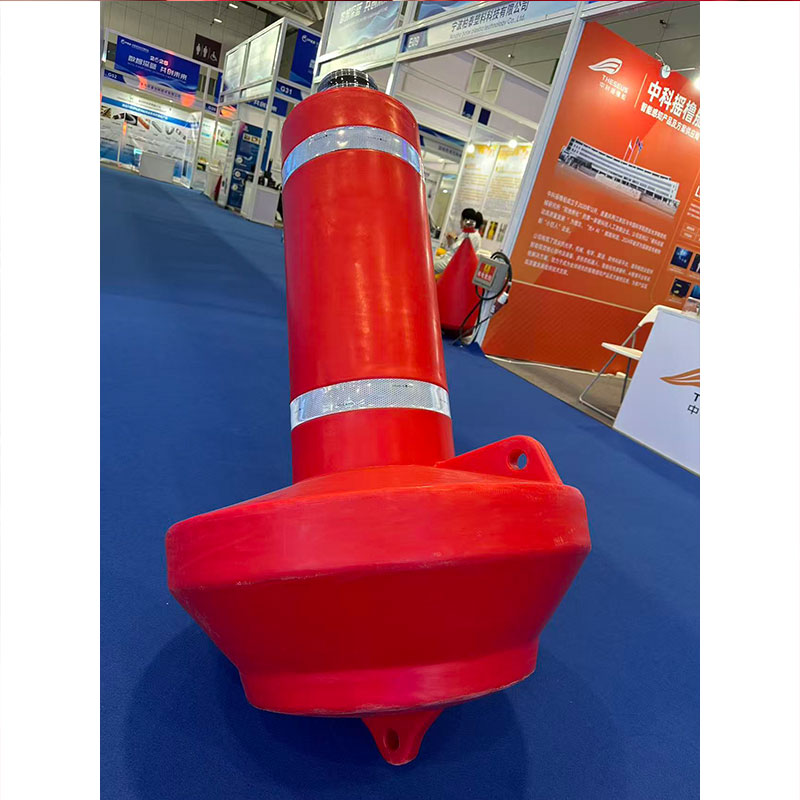
- Cylindrical buoys: These are tube-shaped and float steady. They are easy to see and often used in busy harbors.
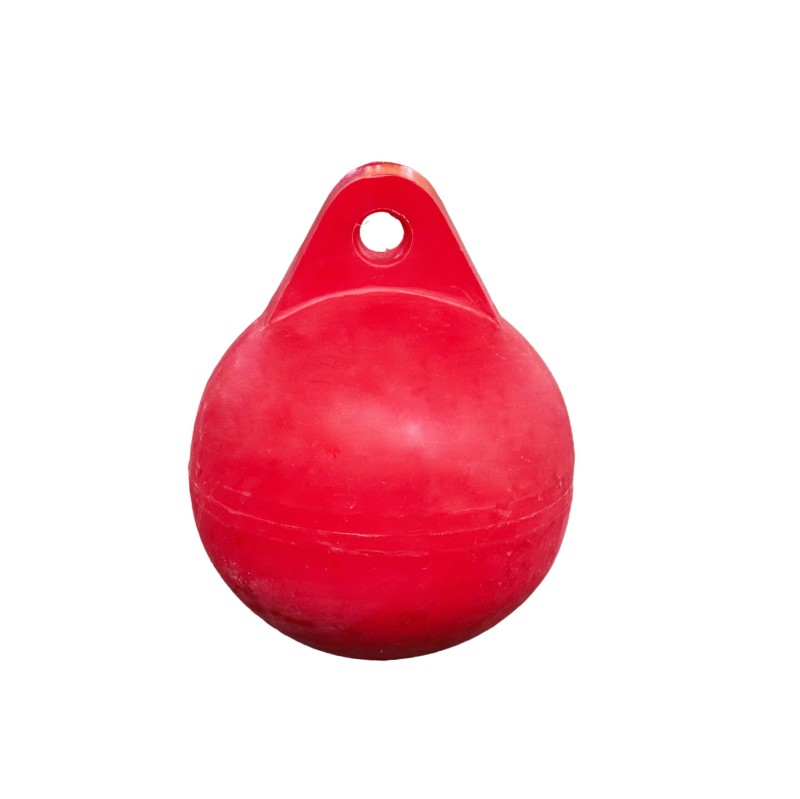
- Spherical buoys: These round buoys are easy to spot and spread force evenly. They work well in open water and can hold heavy boats.
- Pole buoys: These are tall and thin, so you can see them from far away. They help mark channels or special mooring spots.
- Low-profile buoys: These sit close to the water and do not catch much wind. They are good for rough or open places.
Botai can customize mooring buoys to your needs. The company uses a closed-cell polyurethane core to ensure the buoys are non-absorbent and a rotationally molded polyethylene shell for added strength. You can purchase these buoys in bulk or have special features customized to your project requirements. Botai’s team will work with you to tailor the most suitable buoy for your area.
Note: Picking the right shape and build helps your boat stay safe and work well.
| Mooring Style | How it’s Laid Out | Best For | Typical Vessel Size |
|---|---|---|---|
| Single-Point (SPM) | One anchor, one buoy | Tankers, super-yachts, open water | 50 ft – >1000 ft |
| Swing Mooring (SPM) | Small-boat version in harbors | Day-use, dive, snorkel, fishing boats | Up to ~60 ft |
| Multi-Point/Trotline | Several buoys on one ground line | Crowded marinas, tying many boats together | Up to ~80 ft (per boat) |
| Fore-and-Aft | Two fixed points, bow and stern | Rivers, canals with strong current | 15–120 ft |
Mooring buoys come in a wide variety of shapes and styles. Each type of buoy has its specific purpose, ranging from mooring large vessels to assisting smaller boats in docking. When choosing a buoy, consider the size of the vessel, the type of water, and the length of stay.
Selecting mooring buoys

Factors to consider
When picking mooring buoys, you should think about a few things:
- Check your boat’s size and weight. Bigger boats need stronger buoys.
- Look at how deep the water is. Deeper water might need heavier buoys.
- Notice the weather and water. Wind, waves, and currents can move your boat.
- Decide how long you will tie up. If you stay longer, you need tougher materials.
- Think about what the buoy is made of. Polyethylene buoys last longer and fight sun and rust.
- See how much care the buoy needs. Some buoys need less work and last longer.
Tip: Pick a buoy that can handle the worst weather you might see.
Typical applications
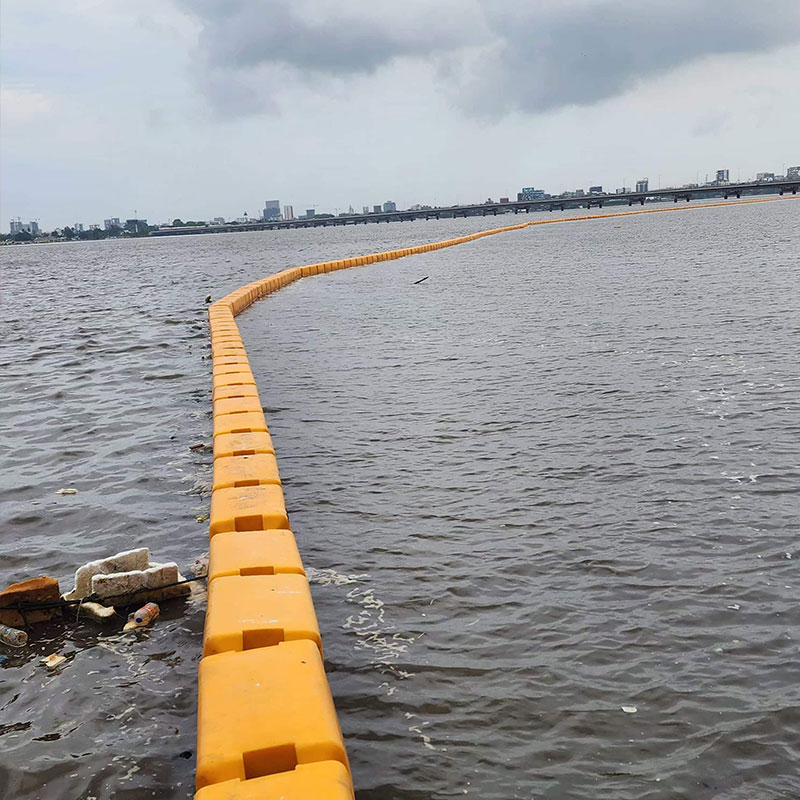
You can find mooring buoys in lots of places. In busy marinas, they help keep boats in order and stop crashes. In coral reefs, they stop anchors from hurting sea life. Big harbors use them for large ships. Fun spots use them for small boats and water sports. Places like the Florida Keys and Great Barrier Reef use mooring buoys to protect the ocean.
| Application Type | Main Benefit |
|---|---|
| Marinas | Safe, organized docking |
| Reefs | Protects sensitive environments |
| Harbors | Handles large vessels |
| Recreation | Easy access for small boats |
Botai brand advantages
Botai is a top company for mooring buoys. Their products meet ISO9001, ISO14001, and ISO45001 rules. You get a 12-month warranty for safety. You can ask for special sizes, shapes, colors, and ways to mount the buoy. Botai uses strong polyethylene and closed-cell cores so buoys last a long time. You can buy many at once or order custom ones for your needs.
You can pick from different mooring buoys. Each one has its own strong points. Check the table below to compare them:
| Type | Best For | Advantages |
|---|---|---|
| Permanent Mooring | Marinas, docks | High stability |
| Mooring Ball | Harbors, eco-areas | Easy access |
| Mushroom Anchor Buoy | Tidal, soft sediments | Excellent grip |
When selecting mooring buoys, choose materials that are rust-resistant. Ensure the buoy design is robust. Special functional requirements can be specified if needed. Companies like Botai provide high-quality buoys for many waterways.
FAQ
What is the main difference between a mooring buoy and an anchor?
A mooring buoy stays on the surface and connects to a fixed anchor below. You tie your boat to the buoy, not the anchor.
How do you choose the right mooring buoy size?
Check your boat’s length and weight. Use the manufacturer’s chart or ask your supplier for custom options. Bigger boats need larger, stronger buoys.
Can you order custom mooring buoys for special projects?
Yes. Many manufacturers and suppliers offer custom shapes, sizes, and colors. You can request wholesale orders for large marine projects.