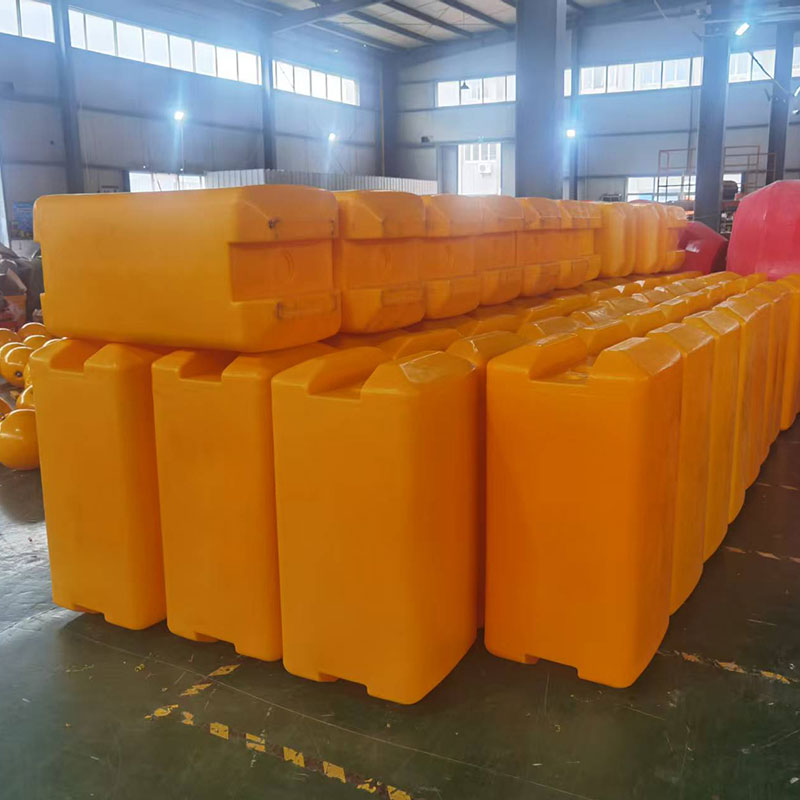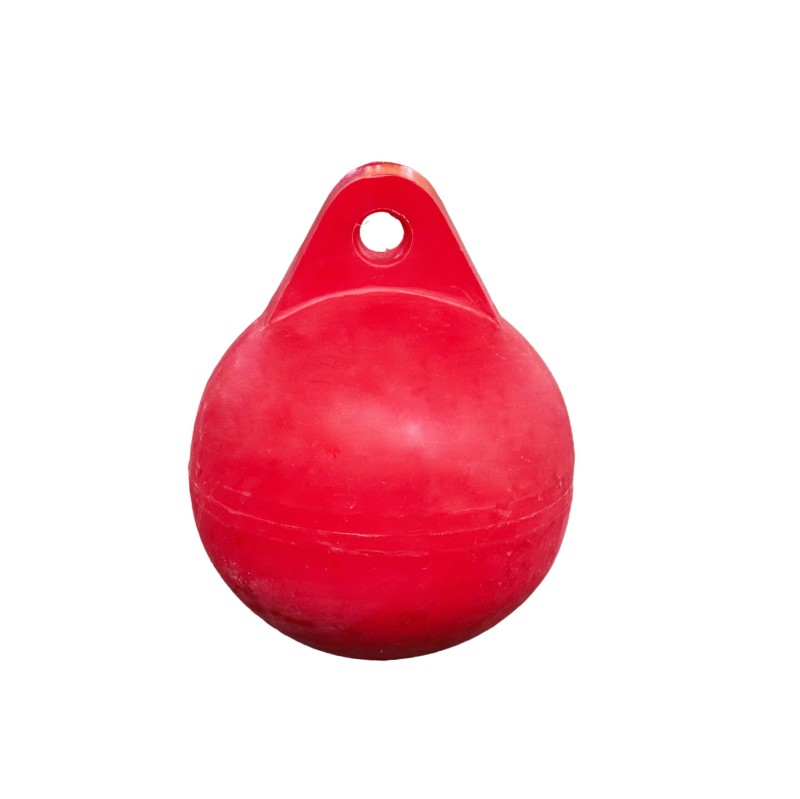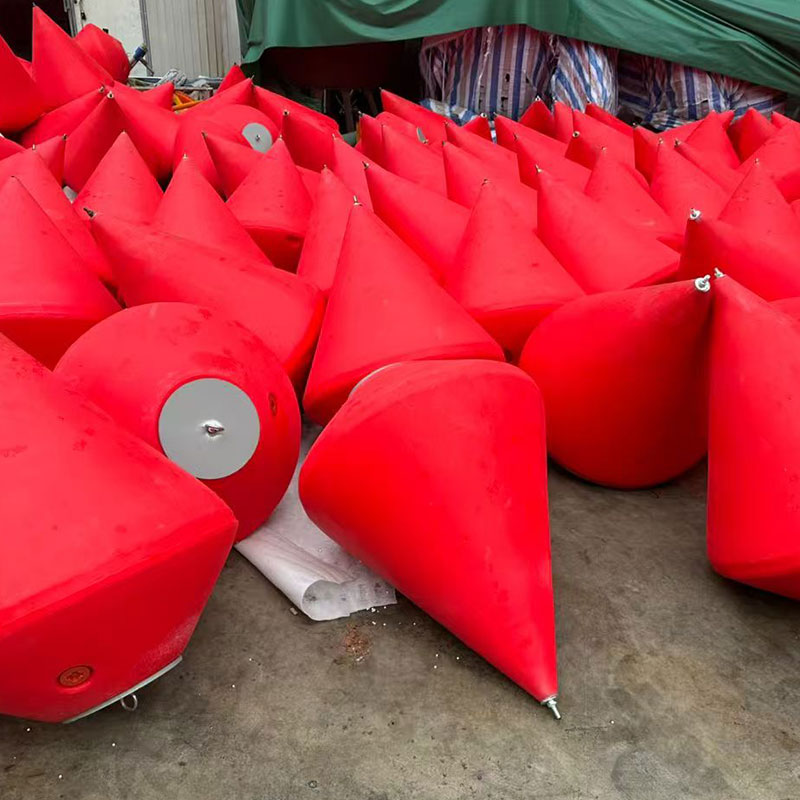

You can usually fix dock floats, based on the damage. First, look at the float to see its shape. Many fixes use marine-grade sealants, plastic welding, or epoxy. Botai Floating Dock Systems use high-density polyethylene. This material stands up to sunlight and does not wear out fast. Be careful and ask a pro for big repairs.
| Material | Characteristics | Effectiveness Rate |
|---|---|---|
| Polyethylene | Strong, resists sunlight, needs little care | High |
| Encapsulated foam | Light, helps the dock float well | Moderate |
| Fiberglass | Tough, does not break easily | High |
Key Takeaways
- Check dock floats often for cracks, leaks, and damage. Finding problems early stops bigger issues and keeps your dock safe.
- Use the correct tools and supplies for repairs. Marine-grade sealants and epoxy work well for cracks and leaks.
- Think about the kind of damage before you fix or replace. If the main part is still good, you can fix many problems.
- Pick strong materials like high-density polyethylene for longer use. This material blocks UV rays and lasts a long time.
- Follow safety rules when making repairs. Wear safety gear and make sure your work area is safe to avoid accidents.
Assessing Dock Floats
Signs of Damage
You need to regularly inspect the pier buoys. This ensures the safety and stability of the pier. Check the surface for cracks or damage. These can allow water to seep in and create safety hazards. Check for leaks. If there is water inside the buoy, there may be a leak. If the buoy sinks in the water, there may also be a leak. Look for fading or rough spots. These indicate that the buoy has been damaged by sunlight or waves.
Tip: Check hardware like cleats and handrails. Loose or rusty parts can mean damage.
Repairable Types
Not all problems mean you need to replace the pontoons. Many issues can be fixed if detected early. Professional ship repair personnel will perform repairs while the pontoon’s main structure is still sound. If you only find surface damage or minor issues, you can usually fix them yourself.
The table below lists the types of damage that can usually be repaired:
| Criteria for Repair | Description |
|---|---|
| Foundation Integrity | The main support, like steel pipes, is still solid. |
| Isolated Problems | Only one area has damage, not the whole dock. |
| Surface Deterioration | The outside or hardware is worn, but the inside is fine. |
| Configuration Suitability | The dock still works well for your needs. |
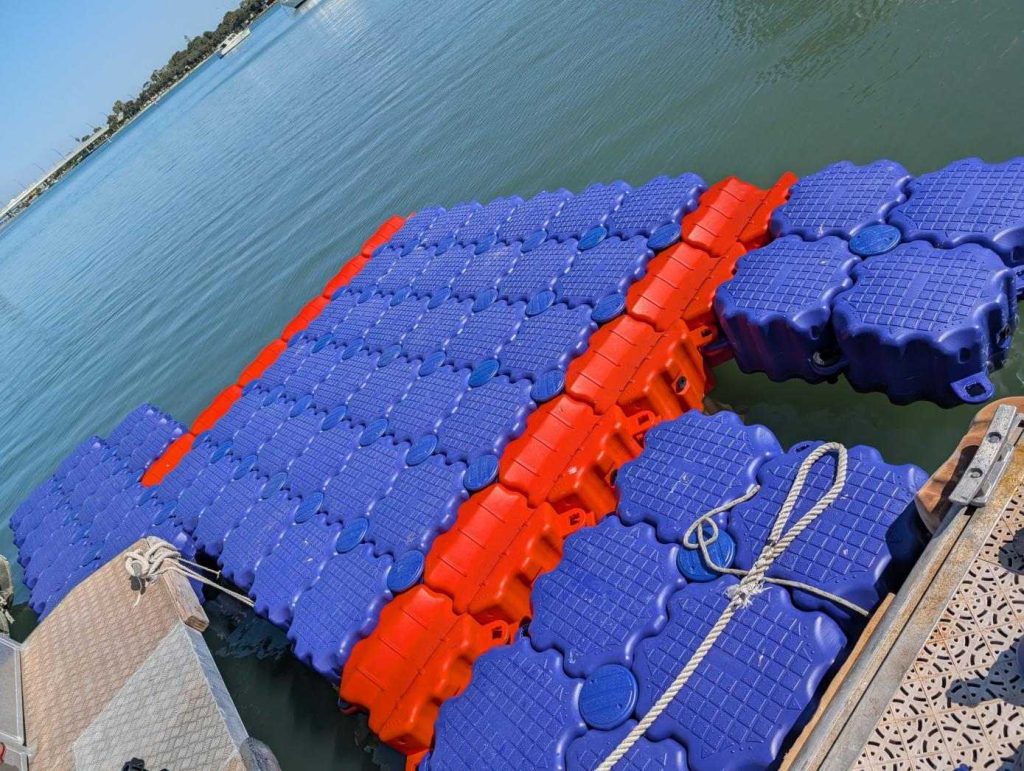
The pontoons at Botai Wharf are made of high-density polyethylene. This material is more impact-resistant and rust-resistant than fiberglass, aluminum, or steel. Please see the comparison below:
| Material | Impact Resistance | Corrosion Resistance | Average Service Life |
|---|---|---|---|
| HDPE | Superior | Yes | 20-25 years |
| Fiberglass | Moderate | No | 12-15 years |
| Aluminum | Moderate | Yes | 15-20 years |
| Steel | Low | No | 10-15 years |
Regular checks help you find problems early. This lets you fix dock floats before damage gets worse.
Dock Float Problems
Dock buoys can experience a variety of problems that can make the dock unsafe. Understanding these issues helps maintain dock stability. Many dock workers have encountered buoy stability problems and water ingress. Low tide can also cause trouble. Sometimes, moving the dock generates noise. Sunlight and water can accelerate buoy wear. Each problem affects the dock’s buoyancy, and consequently, its safety.
Cracks and Punctures
Strikes from boats or ice against pontoons can cause cracks and punctures in them. Clutter can also cause these problems. These impacts can damage the interior of the float. Water can seep in through the cracks, causing the float to lose buoyancy. If you find cracks, check to see if there is water inside. Botai uses a rotational molding process to manufacture the pontoon, making it stronger and more durable. The pontoon shell produced by this process is not easy to crack.
Leaks and Waterlogging
Leaks in dock pontoons can cause them to lose buoyancy. Foam-filled pontoons, once ruptured, will absorb water, increasing weight and reducing their usability. Inflatable pontoons, on the other hand, rely on their outer shell for buoyancy. If damage is found, the pontoon may lose buoyancy completely. Even a small perforation can allow water to seep in and displace the internal air. If one corner of the pontoon sinks, it may indicate a leak or a damaged plug.
UV and Wear
Sunlight and water can erode pier buoys. Ultraviolet rays can break down wood and some plastics. Wooden piers may crack, fade, or become brittle. Synthetic materials weaken and discolor under sunlight. Botai Pier buoys use UV stabilizers to prevent these damages. This keeps the buoys strong and beautiful for many years.
Tip: Botai Floating Dock Systems use UV-stabilized polyethylene and rotomolding to stop most dock float problems.
Dock Float Repair Guide
Tools and Materials
Repairing pontoons requires the right tools. The right equipment can help you quickly repair cracks and leaks. Botai floating pontoon systems are made of high-density polyethylene, allowing for repairs using specialized tools. The modular design allows you to repair or replace components one at a time, without disassembling the entire pontoon. This saves time and reduces labor costs for both the pontoon and the supplier.
| Tool/Material | Purpose |
|---|---|
| Basic hand tools | General repairs |
| Welding iron | Polyethylene dock material repairs |
| Waterproof sealants | Sealing cracks and leaks |
| Marine-grade epoxy putty | Filling deep gouges or scratches |
| Flexible polyurethane sealant | Sealing seams and small punctures |
| Bolts and nuts | Securing dock components |
| Torque wrench | Ensuring proper tightness of bolts |
| Marine-grade silicone sealant | Sealing vent and drain holes |
| Threaded plastic plugs | Sealing old vent holes |
| Floats | Replacing damaged dock floats |
Tip: Always clean the area before using sealants or epoxy. A clean spot helps the repair last longer.
Safety Tips
Safety is paramount when repairing dock pontoons. Following these steps will ensure your safety and prevent further damage:
- Look at underwater beams for rust. This stops sudden breaks.
- Check the deck for loose boards. Secure them to stop trips.
- Look for things under the water. Remove debris to stay safe.
- Inspect often. Find dangers early and fix them fast.
- Wear shoes that do not slip.
- Use gloves and goggles.
- Wear a life jacket.
- Keep a first aid kit and life ring close.
- Work when the weather is calm.
- Never work by yourself.
- Make sure electrical systems are safe.
- Use a GFCI with power tools.
- Open windows or doors when using sealants or welding.
Note: Botai Floating Dock Systems have anti-slip surfaces and strong mooring. These features help stop accidents during repairs.
Repair Steps
You can fix dock floats by following these easy steps. Botai’s modular design lets you fix or swap parts fast. This is good for custom jobs or big marina repairs.
- Safety First: Put on your life jacket and safety gear. Make sure the weather is calm. Do not work alone.
- Inspect and Document: Walk on the dock. Take pictures of broken floats. Mark each float that needs fixing. Measure and write down how they attach.
- Elevate or Support the Dock: Use levers, cribbing, or lift bags to hold up the dock.
- Remove Damaged Floats: Find bolts or straps. Take out fasteners and remove broken floats.
- Prepare the Surface: Clean around cracks or holes. Remove dirt, algae, and loose bits.
- Repair Cracks and Punctures:
- For polyethylene floats, use a welding iron and HDPE fusion to seal cracks.
- For pinholes or other materials, use two-part marine epoxy.
- For seams and small holes, use flexible polyurethane sealant.
- For deep cuts, use marine-grade epoxy putty to fill the area.
- For cracks, drill a hole at the end to stop it from spreading before sealing.
- Install New Floats or Complete Repairs: Put new floats in place. Make sure plugs and mounting points line up. Use bolts and nuts to secure. Tighten with a torque wrench.
- Lower and Test: Lower the dock back into the water. Check if it sits right. Adjust if needed.
- Seal Vent and Drain Holes: Use marine-grade silicone sealant and threaded plugs to close old vent holes.
Callout: Botai’s modular design lets you swap only the broken part. This means less downtime and easier work for marinas and suppliers.
You can fix most dock floats with these steps. Regular checks and quick repairs keep your dock safe and make it last longer.
Repair or Replace Dock Floats: How to Decide
Irreparable Damage
Sometimes, simply repairing pier buoys is not enough. Large cracks or broken support structures can render them unsafe. Buoys that have been submerged in water for extended periods and cannot dry properly need to be replaced. If the pier ground is uneven or partially submerged, it cannot support the weight. This means the buoys are no longer safe. If your pier is old, extensive repairs may not be cost-effective. Safety first. If you discover electrical faults or problems with underwater anchoring, replace the affected parts.
Tip: Always look at the foundation and main supports. If these break, the whole dock could fall apart.
Cost and Safety
You should consider the costs of repair and replacement. Minor repairs are cheaper and suitable for dealing with surface issues. Major overhauls are more expensive and may not be durable. If repair costs are half the price of a new pontoon, then replacing the pontoon is more cost-effective. Repeated repairs of old pontoons will ultimately lead to higher costs. Sometimes, in the long run, buying new pontoons is more economical.
Here is a table that shows repair and replacement costs:
| Repair Type | Estimated Total Cost | Best For… | Typical Scenarios |
|---|---|---|---|
| DIY (Manual) | $50 – $900 | Surface-level fixes and part swaps | Pinhole leaks, single float replacement |
| Professional | $1,000 – $15,000+ | Structural safety and engineering | Submerged anchoring, buckled frames |
| Minor surface repairs | $500 – $3,000 | Small cracks and leaks | Quick fixes |
| Deck surface replacement | $6,000 – $12,000 | Worn deck boards | Aging docks |
| Structural framing repair | $4,000 – $15,000 | Broken supports | Major damage |
| Basic single-slip covered dock | $45,000 – $75,000 | Full replacement | New dock installation |
- If you fix dock floats a lot, think about replacing them.
- If repairs cost half or more of a new dock, replacement is better.
- How long the product lasts matters. Botai Floating Dock Systems last 20-25 years, so you save money over time.
Callout: Safety is always most important. If you worry about the dock being safe or about electrical dangers, choose to replace it.
Maintaining Dock Floats

Preventative Care
Regular maintenance ensures the pier is safe and sturdy. First, wash the pier surface weekly with clean water to remove salt and dirt that could cause damage. Clean plastic piers with mild soap and check for cracks or warping. Remove debris from high-traffic areas to prevent slips and damage. Apply a sealant if additional protection is needed. Sand and paint wooden piers every few years. Replace any rotten planks immediately. If the pier has aluminum components, clean them with mild soapy water and use a rust remover if necessary.
Tip: Keep hardware tight and decking clean. This helps your dock last longer.
Inspection Checklist
You should inspect your dock floats often to catch problems early. Use this checklist to help you:
- Look for cracks, leaks, or faded spots on the floats.
- Check hardware and connectors for loose or rusty parts.
- Walk the dock and listen for creaks or movement.
- Monitor flotation levels to make sure the dock sits evenly.
- Inspect railings and walkways for safety.
- Do a quick check every six months or after storms.
- Schedule a deeper inspection in spring and fall.
- Ask a professional to inspect once a year, especially after heavy use or bad weather.
Note: Inspections after storms or high waves can prevent bigger problems later.
Brand Recommendations
Choosing the right marina system can make maintenance easier. Botai floating marina systems are ideal for yacht marinas, resorts, and waterfront projects. These marinas are made of high-density polyethylene, offering excellent resistance to UV rays, impacts, and corrosion. The modular design allows for quick replacement or repair of individual components, saving time and labor costs. Botai products meet stringent international standards, ensuring your investment is worthwhile and reliable. If you’re looking for durable and low-maintenance marina pontoons, consider Botai for your next project.
If you have the right tools, you can repair the pontoons yourself. Before starting any repairs, always check for damage. Always follow safety rules during operations. Regularly inspecting the pontoon helps you identify minor problems early, making repairs easier and ensuring your pontoon remains robust and durable for the long term. Choosing a reputable brand like Botai means you can trust the pontoon’s longevity and durability. If you find serious damage, seek expert help.
Check your dock often and take care of it. This helps your dock last longer.
FAQ
How often should you inspect dock floats?
You should check your dock floats at least twice a year. After storms or heavy use, inspect them again. Regular checks help you find small problems before they become big repairs.
Can you repair dock floats yourself?
Yes, you can fix many dock float issues yourself. Use basic tools and follow safety steps. For large cracks or structural damage, you should call a professional.
What materials work best for dock float repairs?
Marine-grade sealants, plastic welding kits, and epoxy putty work well. For Botai Floating Dock Systems, use HDPE-compatible materials. Always clean the area before you start repairs.
How long do Botai Floating Dock Systems last?
Botai Floating Dock Systems last 20 to 25 years with proper care. Their high-density polyethylene resists UV rays, impacts, and corrosion. You get long-term value and reliability.