Dredge pipes transport water-sediment mixtures (called slurry) through a closed pipeline system, powered by a centrifugal pump that creates a pressure differential to pull material in at the suction inlet and push it to the discharge point. This hydraulic dredging process moves roughly 10 billion tons of material globally each year, with 4–8 billion tons of sand and sediment dredged annually between 2012 and 2019.
Pipeline floats are a critical supporting component: they hold the floating pipe network at the water surface, reduce drag, and protect the pipeline from damage. High-quality PE floats typically last 15–20 years, with built-in resistance to UV radiation, chemicals, and marine borers, enabling uninterrupted dredging operations even in harsh ocean conditions.
Key Takeaways
- Dredge pipes use centrifugal pumps to move slurry (water + sediment) through a sealed, closed pipeline system.
- Closed-cell foam pipe floats keep pipelines afloat and maintain buoyancy even if the outer shell is punctured.
- Proper float spacing prevents pipeline sagging, reduces joint stress, and improves overall flow efficiency.
- HDPE pipes offer superior abrasion resistance for slurry transport compared to traditional steel pipes.
- Regular inspection of floats and hardware extends system lifespan and prevents costly operational downtime.
Core Components and Working Principle of Dredge Pipes
A dredge pipe system operates as an integrated hydraulic circuit, with three core components working in tandem: the centrifugal pump, the pipeline, and pipe floats. The pump creates the pressure that drives flow, the pipeline transports the slurry, and floats keep the discharge line stable at the water surface.
The Centrifugal Pump: The System’s Heart
Centrifugal pumps generate the suction and discharge pressure that moves slurry through the system. Different configurations suit different project types:
- Surface-mounted pumps: Optimal for long-distance slurry transport.
- Submersible pumps: Operate directly at the sediment bed for targeted extraction.
- Cutter suction systems: Use a rotating cutter head to break up compacted or hard materials before pumping.
Typical operating parameters range from 30–200 psi discharge pressure and 30–2,000 m³/hour flow rates. Impeller design is a key efficiency factor: larger diameters deliver higher pressure, optimized vane curvature reduces turbulence, and vane count balances flow rate with clogging risk.
Slurry Transport Through the Pipeline
The pipeline carries the water-sediment mixture from the suction inlet to the discharge point. Operators select pipe materials based on project requirements:
- Steel pipes: High impact strength for heavy solids and high-velocity flows.
- HDPE pipes: Lightweight, flexible, and highly abrasion-resistant — the preferred choice for sand and sediment dredging.
- Rubber-lined pipes: Combine flexibility with enhanced wear resistance for highly abrasive materials.
Maintaining slurry velocity above the critical settling threshold is essential to prevent blockages. For fine sand in an 8-inch pipe, critical velocity ranges from 5–11 ft/s; for gravel, it increases to 7–15 ft/s. Larger pipe diameters lower the critical velocity, so sizing must be matched to material type and pump capacity.
How Pipe Floats Support Dredging Operations
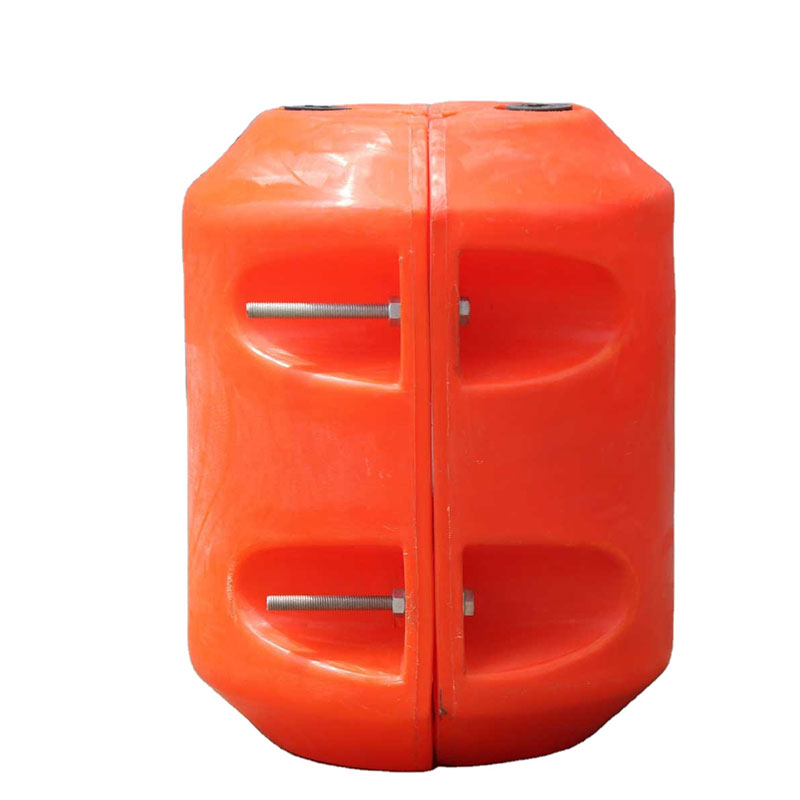
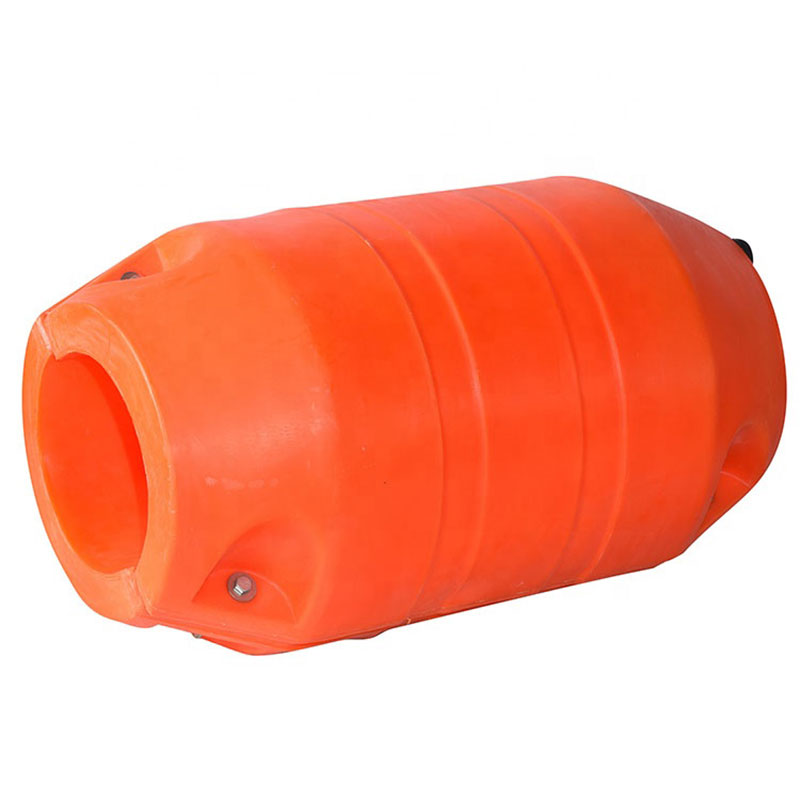
Pipe floats are the structural support for floating dredge pipelines, consisting of two matching half-shells that clamp securely around the pipe. Each float is built with a 10–15 mm thick rotationally molded LLDPE outer shell (made from 100% virgin resin) and filled with closed-cell polyurethane foam.
Unsinkable Buoyancy Design
The closed-cell foam core delivers reliable, damage-resistant buoyancy with ≥95% isolated sealed bubbles and water absorption under 1.5%, even if the outer shell is punctured. This works through three key mechanisms:
- Isolated bubbles have no interconnected pathways, fully blocking moisture and capillary action.
- Internal gas pressure inside each cell counteracts external water pressure, preventing water intrusion during long-term submersion.
- Local damage only affects individual cells; surrounding sealed bubbles remain intact, preserving overall buoyancy.
The seamless rotationally molded shell eliminates weak points from welded seams, while deep-recessed bolt pockets and corrosion-resistant hardware (HDG or SS316) secure floats to pipes ranging from OD 110 mm to OD 1200 mm.
Drag Reduction and Pipeline Protection
By holding the pipeline consistently at the water surface, floats eliminate the extra drag caused by submerged or partially submerged pipes. This lower resistance reduces stress on the pump and pipe joints, cuts fuel consumption, and extends the operational life of the system. The tough LLDPE shell also protects the pipe from abrasion and impact when rubbing against docks, boats, or floating debris.
Key Factors for Stable and Efficient Dredging
Float Spacing Optimization
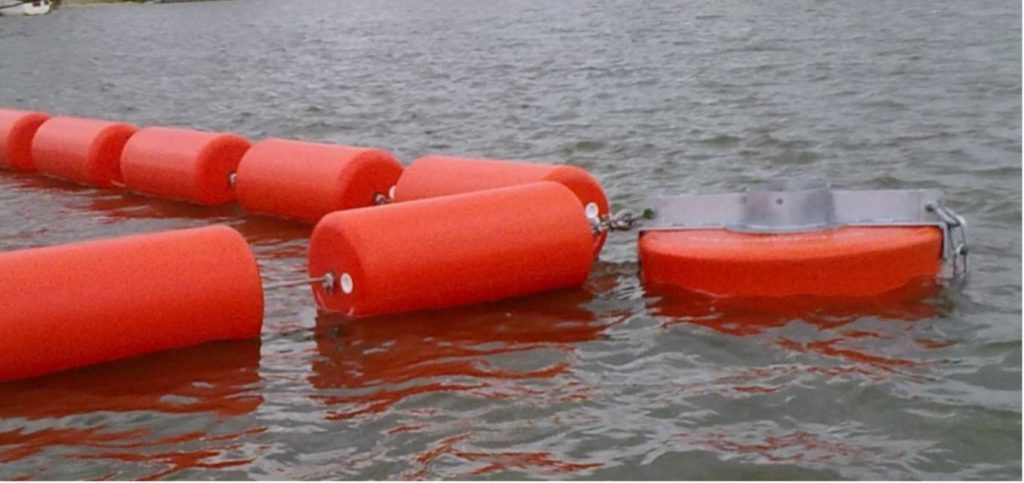
Proper float spacing is more critical than total float count for maintaining pipeline alignment and minimizing mechanical stress. Uneven support from incorrect spacing causes sagging sections, increased joint load, accelerated wear, and reduced flow efficiency.
| Spacing Scenario | Effect on Sag & Stability |
|---|---|
| Too wide | Visible sagging, higher joint stress, increased collision risk, lower flow efficiency |
| Too close | Marginal stability gain with significantly higher material and transport costs |
| Optimal spacing | Consistent pipeline elevation, reduced mechanical stress, lower maintenance, steady performance |
In high-turbulence areas — strong currents, wave action over 3 meters, or pipeline bends — closer spacing and higher float density are required to maintain alignment and distribute stress evenly. Engineers use finite element analysis to optimize spacing for site-specific conditions, including currents up to 2.5 m/s.
Maintenance Tips to Extend Dredge System Lifespan
Routine maintenance prevents small issues from causing costly downtime and extends the service life of both pipes and floats.
- Perform monthly visual inspections: Check LLDPE float shells for cracks or punctures, and inspect bolt pockets and fasteners for corrosion.
- Conduct post-storm assessments: Verify pipeline alignment, check for loose float connections, and clear debris caught around the pipeline.
- Follow proper operating procedures: Maintain steady slurry velocity above the critical threshold to prevent sediment buildup and blockages.
Closed-cell foam cores require no maintenance, as they are inherently resistant to water absorption. With proper care, high-quality PE pipe floats last 15–20 years in most marine environments.
FAQ
How do operators choose the right dredge pump?
Pump selection depends on project scope: surface-mounted pumps for long-distance transport, submersible pumps for direct sediment extraction, and cutter suction heads for compacted materials. The final choice is driven by required flow rate and discharge pressure.
What maintenance do dredge pipe floats require?
Regular visual inspections for shell damage and hardware corrosion are the primary requirement. Closed-cell foam cores are maintenance-free. With proper care, high-quality floats last 15–20 years in marine settings.
How does pipe diameter affect dredging performance?
Larger pipe diameters lower the critical velocity at which sediment settles, while smaller pipes require higher flow rates to keep solids suspended. Proper sizing matched to material type and pump capacity prevents clogs and reduces wear.
What causes pipeline blockages during dredging?
Blockages typically occur when slurry velocity drops below the critical settling threshold, allowing sediment to build up inside the pipe. Sudden pump stops and oversized debris caught at joints or bends are also common causes.
How do environmental conditions affect floating pipeline stability?
Wave height and current strength add dynamic stress to pipelines. Waves over 3 meters and strong currents require tighter float spacing and higher float density. Engineers use finite element analysis to optimize systems for specific site conditions.