Floating Trash Barrier

Underwater pollution interception float
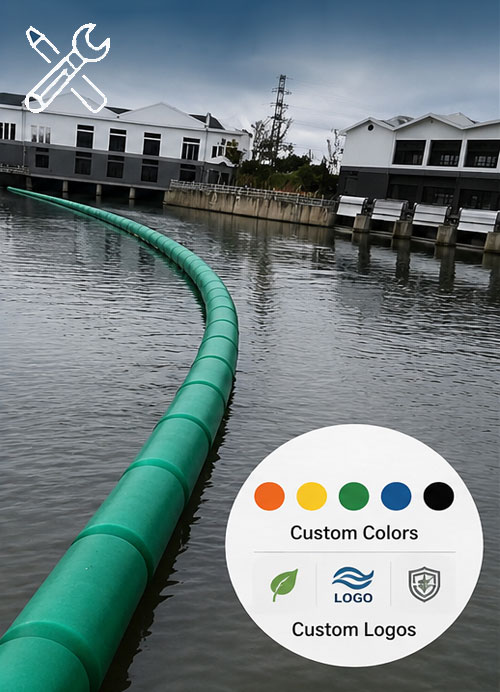
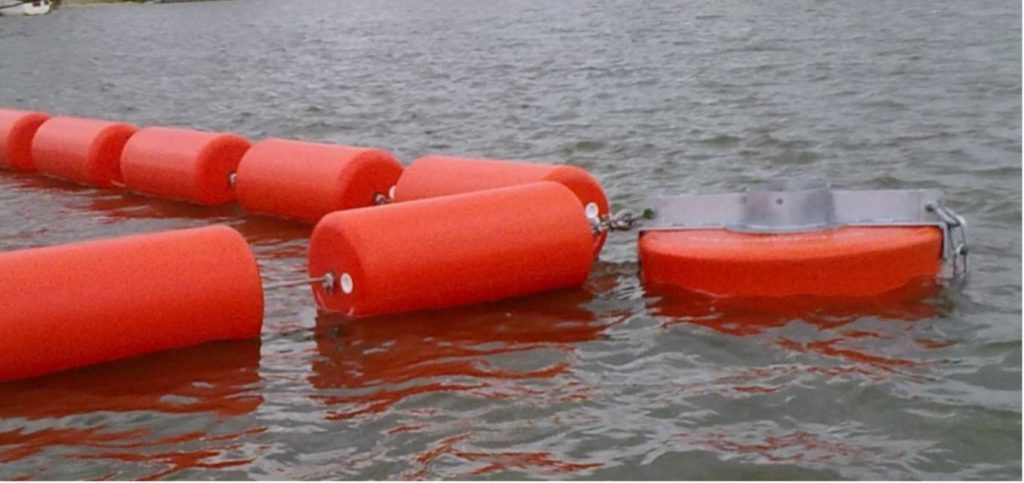
The floating body is mainly of two-part type, and the net or canvas should be selected according to the actual garbage situation.
Floating body
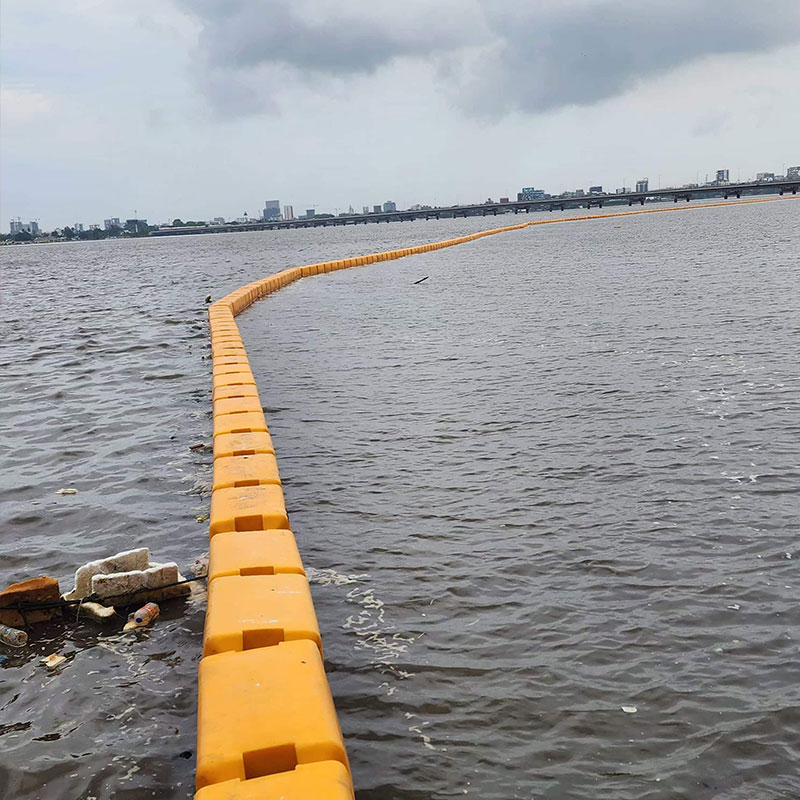
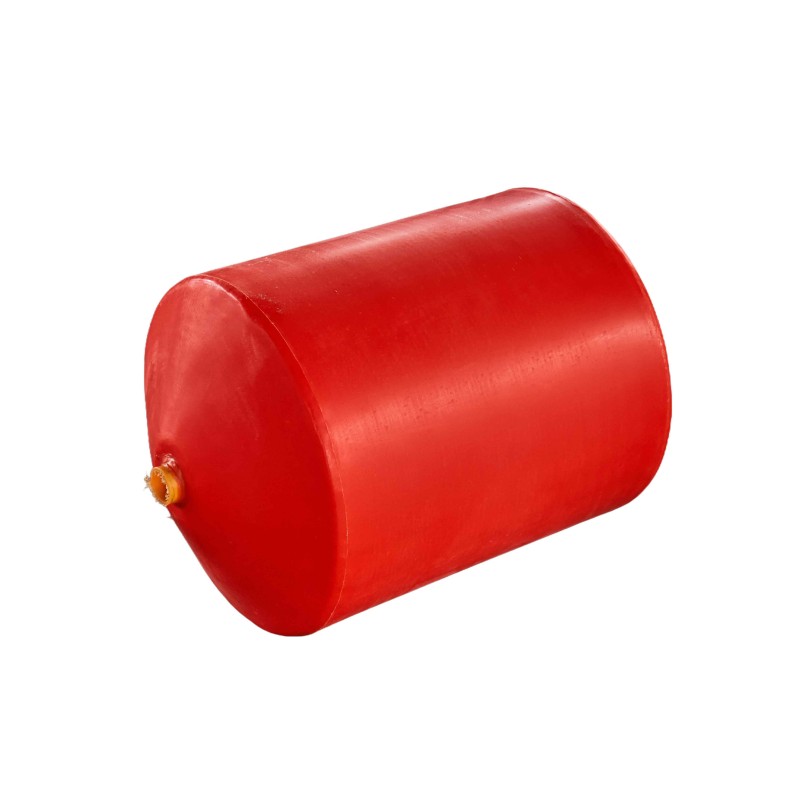
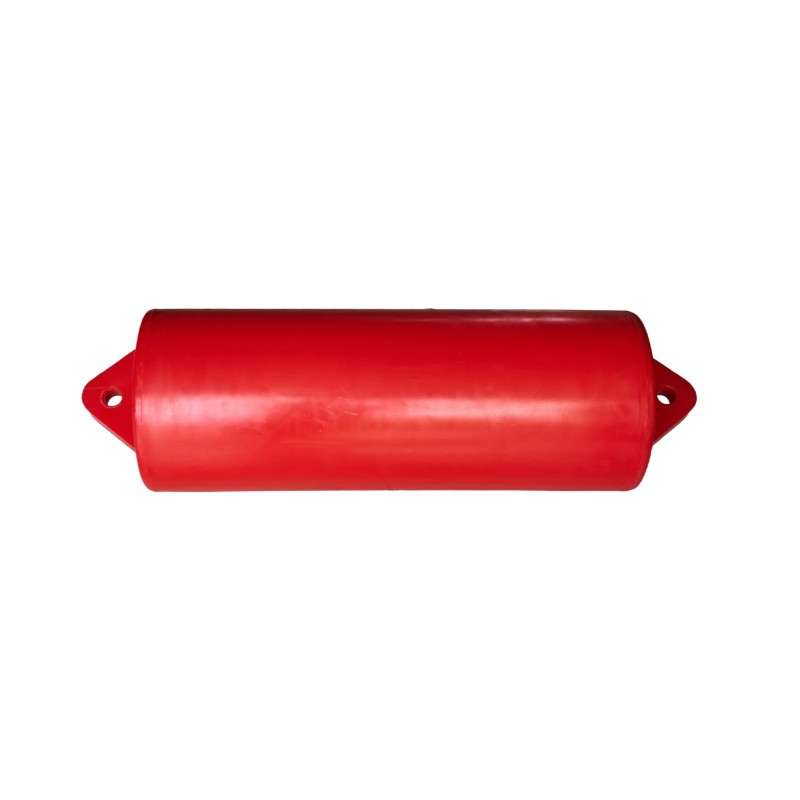
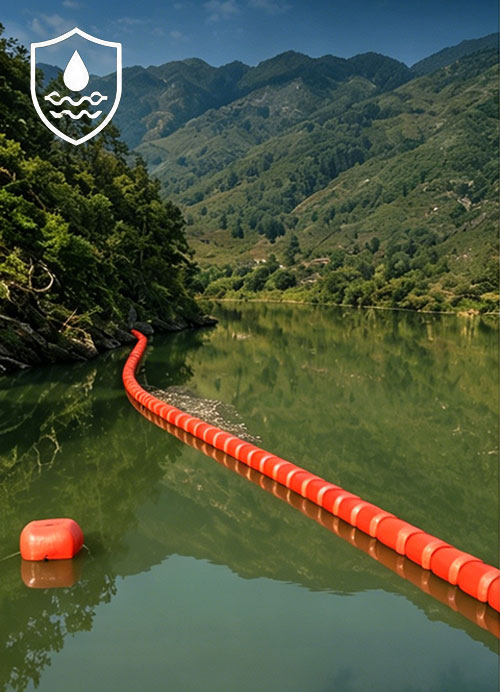
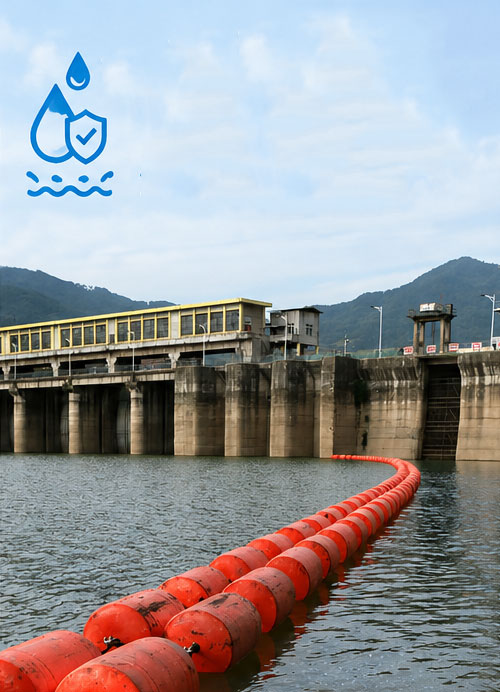
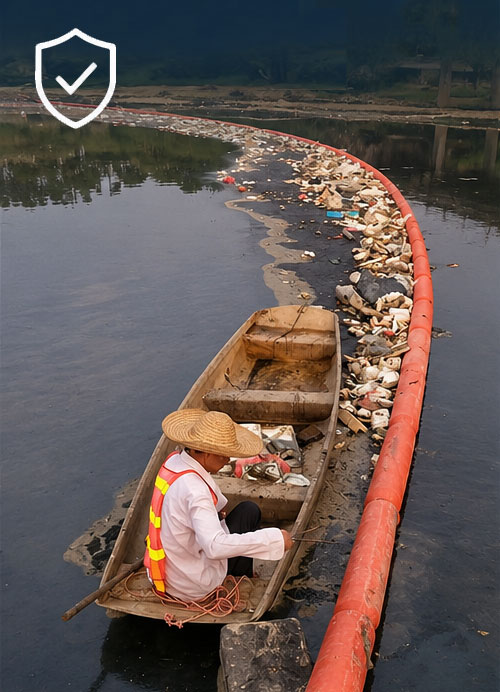
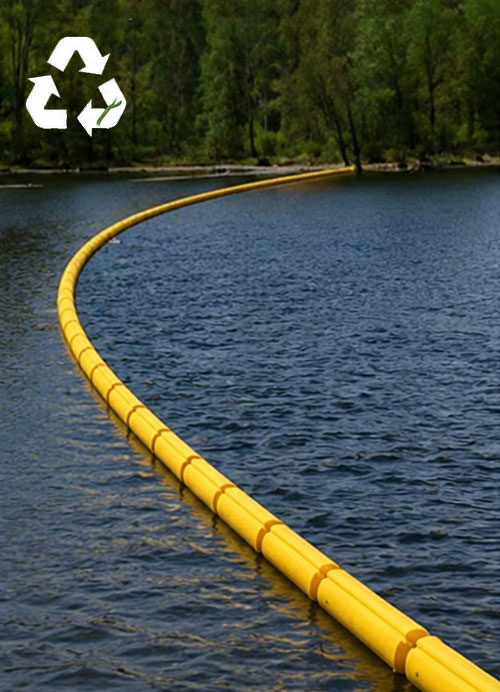
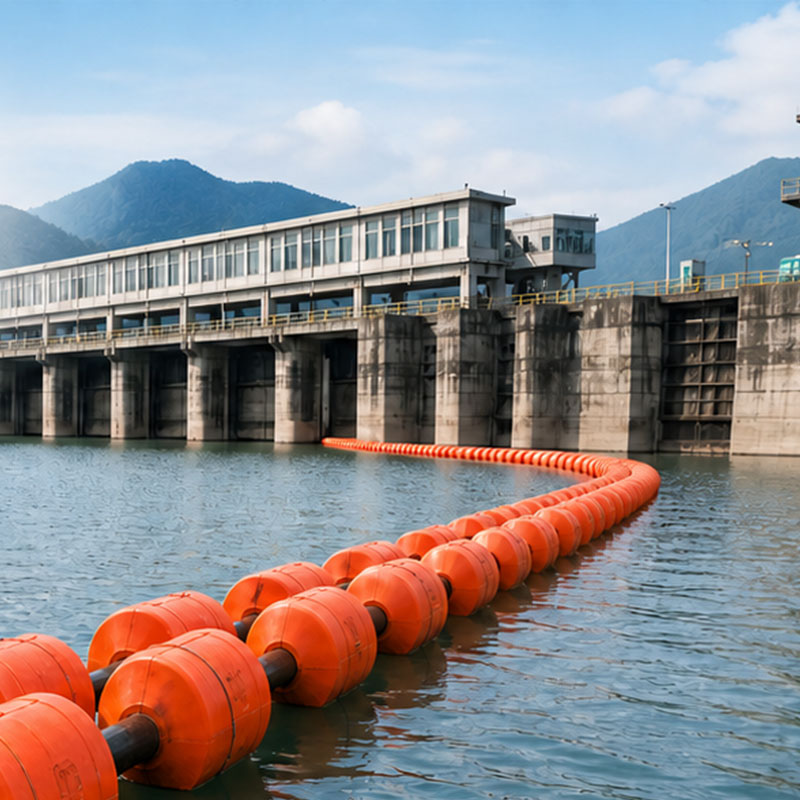
The integrated floating body is the main barrier to intercept floating garbage on the water, and the connection method is a series connection.

Technical Specifications & Quality Documentation for Floating Barrier

Technical Specifications – Floating Debris Boom
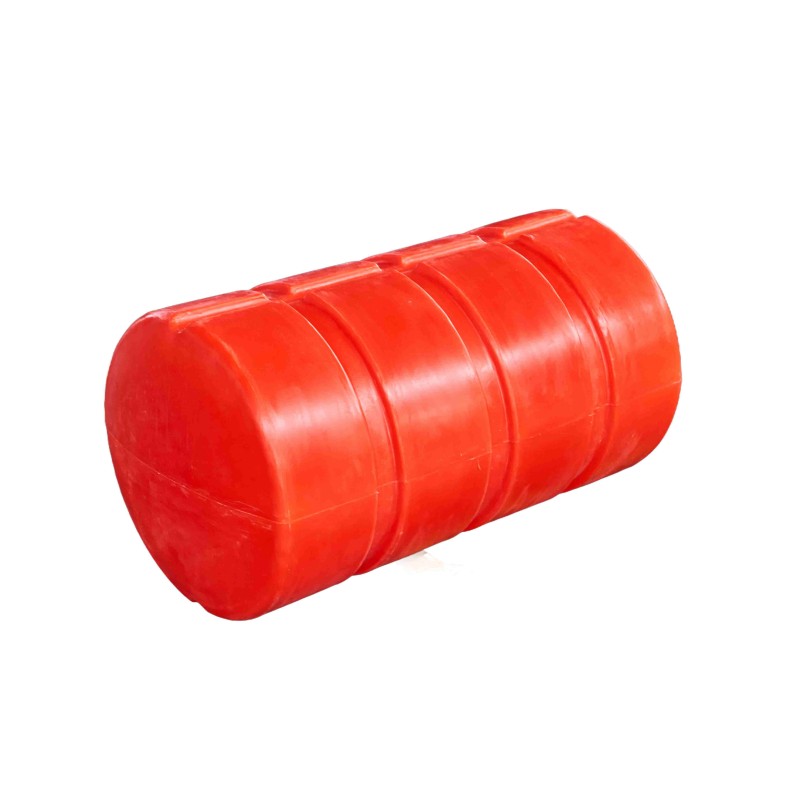
Product NameFloating Debris Boom
MaterialPE
ColorOrange etc
Length1070mm
 Diameter530mm
Weight25kg
Buoyancy210kg
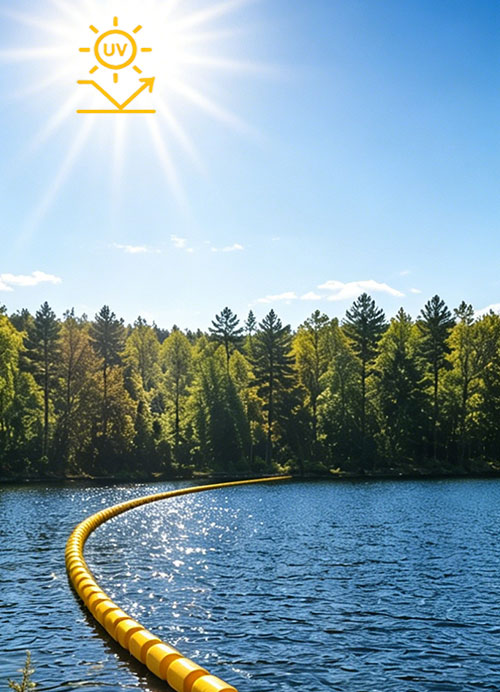
FeatureUV Resistant
OEMLogo,Size
PackingStandard Package


Trash Intercepting Floats 5

UV Resistant Material

Trash Intercepting Floats 4

Corrosion Resistance

Trash Intercepting Floats 3

Waterproof

Trash Intercepting Floats 2

Durable & Long Service Life

Trash Intercepting Floats 1

Eco-Friendly

Trash Intercepting Floats

Customizable

Quality certification 06

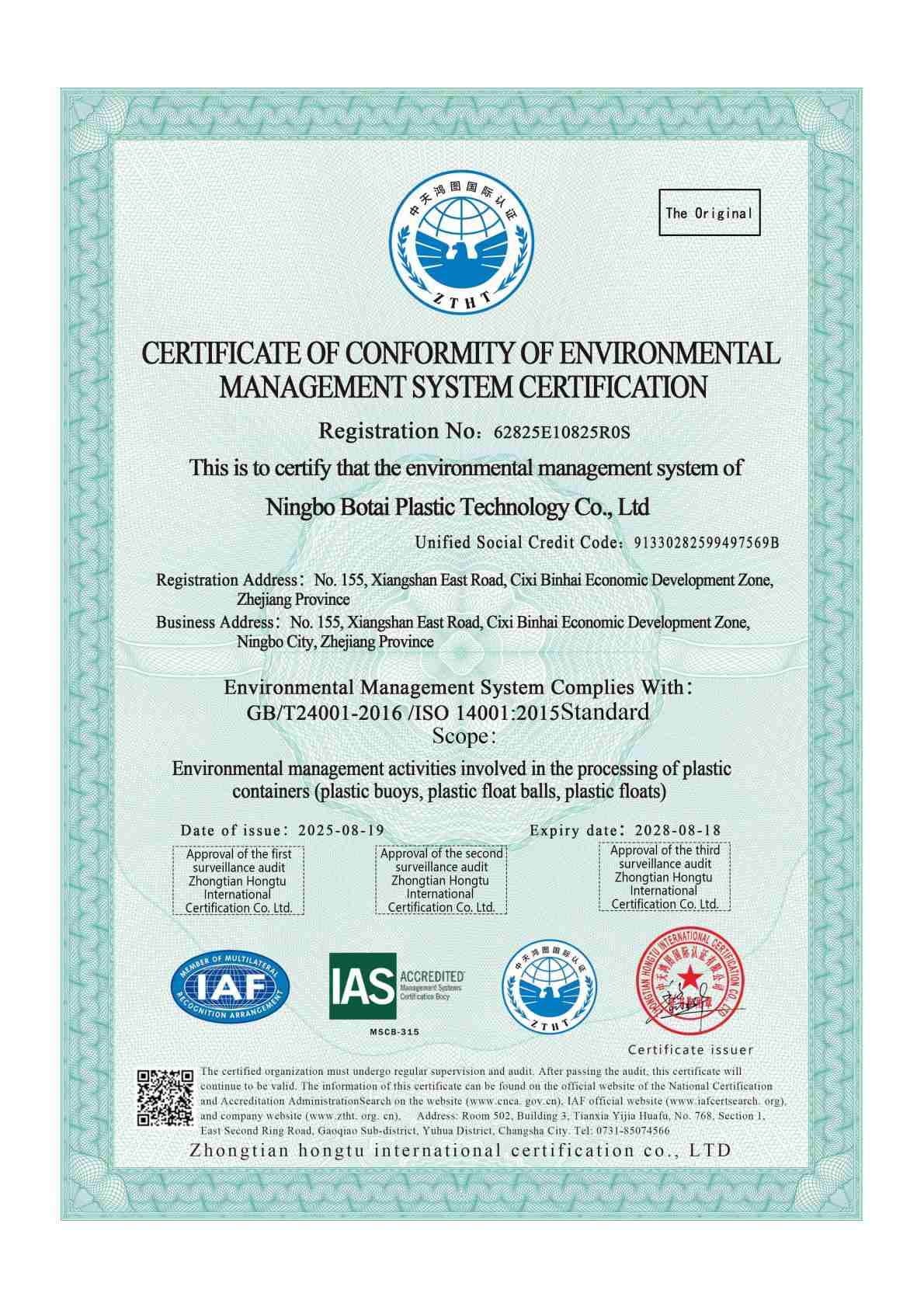
ISO 14001: Environmental Management System

Our manufacturing lines for every floating debris barrier unit operate under absolute environmental compliance, ensuring our products are fully qualified for sensitive drinking water reservoirs and municipal rivers. We enforce a strict zero-recycled-scrap policy in our compounding workshop, utilizing exclusively 100% virgin polymer bound with UV-15 stabilizers to guarantee zero chemical leaching or heavy metal release into aquatic ecosystems. Additionally, our high-density closed-cell polyurethane foam injection is completely non-porous, ensuring an eco-friendly floating water barrier with zero material degradation over 15 years of continuous stagnant water deployment.
Quality certification 04

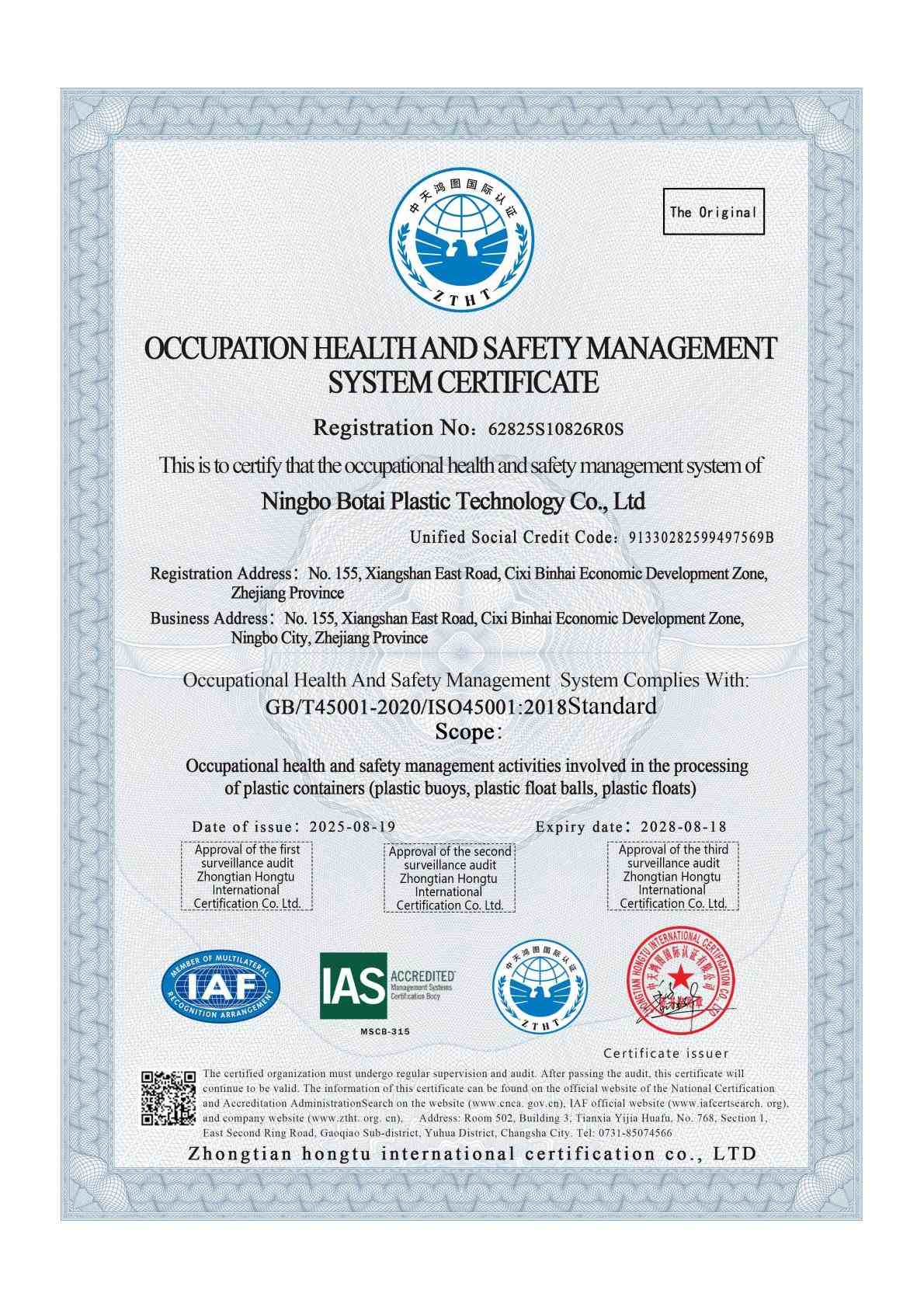
ISO 45001: Occupational Health & Safety System

Our industrial fabrication is strictly managed under stringent workplace safety protocols regarding heavy mold-handling and high-pressure polyurethane injection lines. This standardized environment ensures flawless manufacturing consistency and zero operational disruptions for large-scale engineering project deliveries. This operational safety directly safeguards our heavy hardware integration process. Every marine-grade 316 stainless steel eyelet or heavy galvanized through-bolt anchor rod is flawlessly embedded into our thickened walls, preventing any hardware tear-out or cable breakage when your floating barrier system forms a rigid trash boom barrier to stop floating logs under heavy hydrodynamic surges.
Quality certification 02

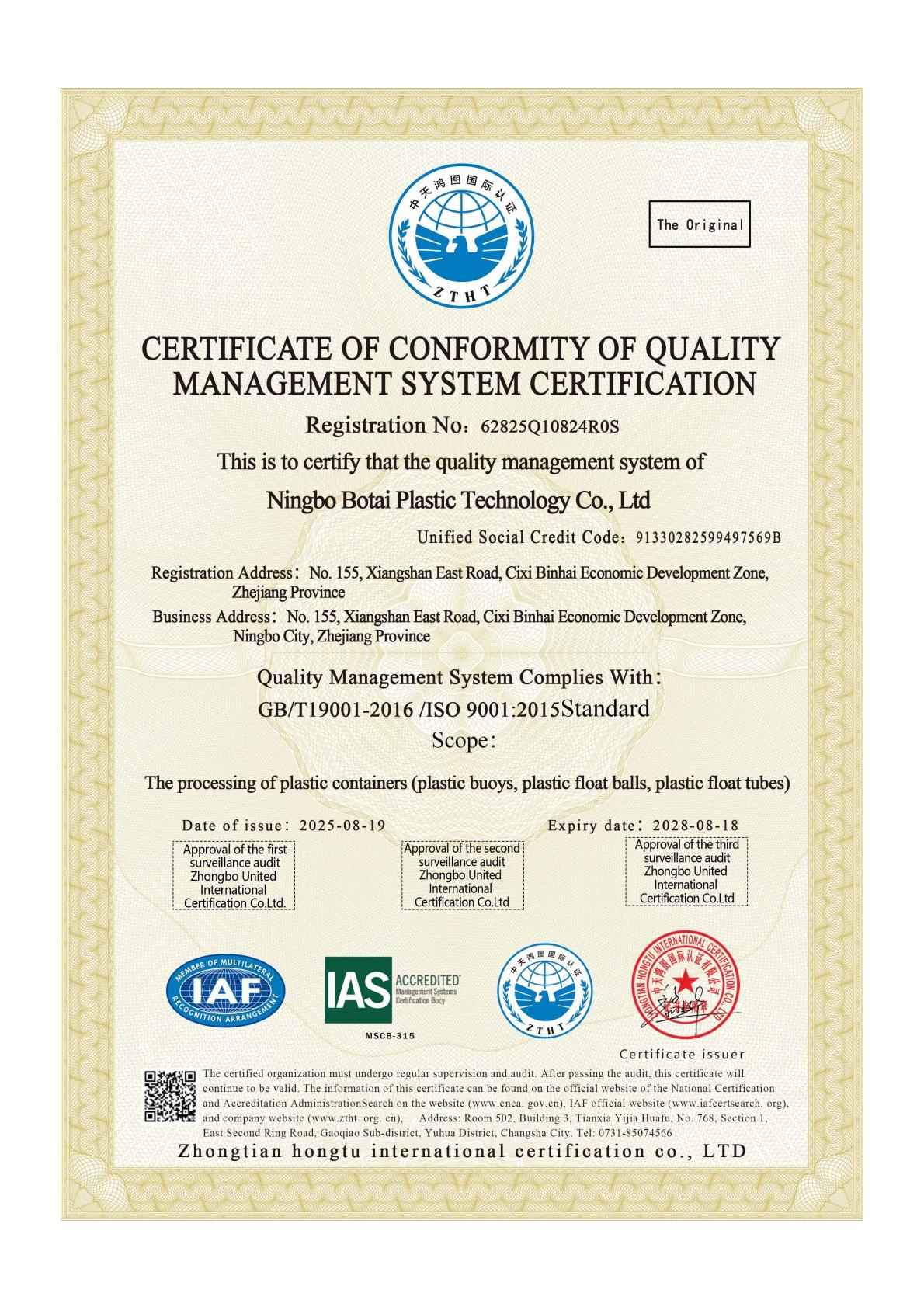
ISO 9001: Quality Management System

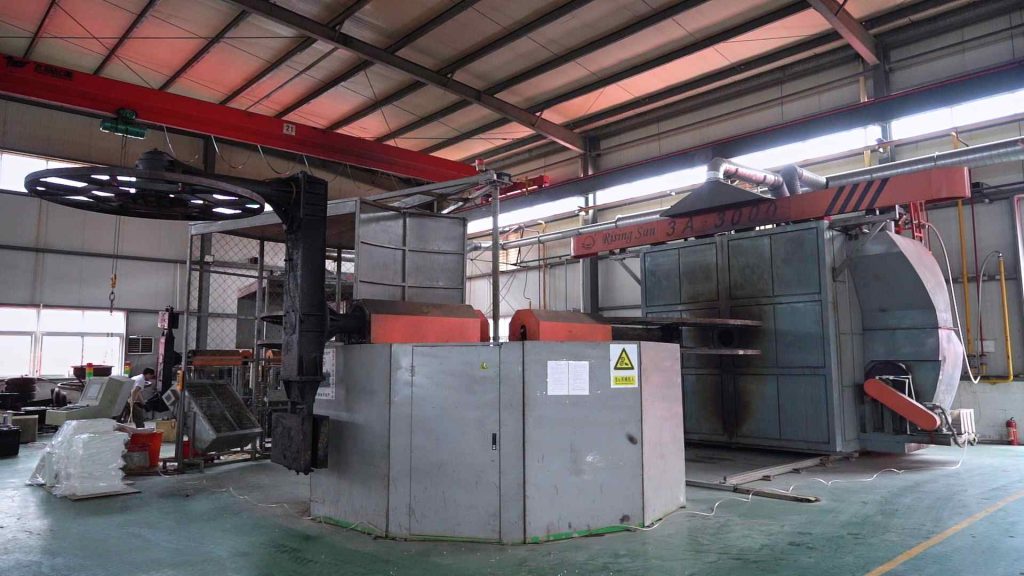
This certified quality framework governs our precision Botai computer-controlled rotomolding lines for heavy floating trash barrier production. We strictly monitor heating cycles and cooling rates to eliminate internal polymer stress, ensuring uniform wall thickness up to 15 mm across every single batch. This automated process ensures that every trash boom delivered to your site meets absolute mechanical standards, with an exact D55 Shore Hardness and a tensile strength of ≥ 16 MPa, guaranteeing that our technical data is fully verifiable for critical municipal hydro-dam tender audits.
Product Datasheet (PDF)

Download the complete technical specifications and physical data sheet for our heavy-duty floating trash barrier series. This documentation provides comprehensive engineering metrics and material parameters required for immediate procurement approval and site planning under harsh hydro-dam environments and continuous floating log strikes.

CAD & Technical Drawings

Access 2D dimensional schematics and 3D CAD files to assist with your engineering layout and site infrastructure integration. These physical schematics are fully optimized for configuring customized trash boom alignments, high-tensile mooring anchorages, and heavy hardware spacing setups tailored directly to your complete floating barrier system layout.

Installation & Maintenance Manual

Step-by-step technical guidance on deployment, mooring connection procedures, and long-term upkeep for optimal floating debris barrier stability. This manual details the precise anchoring physics, high-tensile chain selection parameters, and interlocking hardware tracking needed when operating our trash boom barrier in heavy hydrodynamic flood crests.

Quality & Compliance Certification

Includes our verified ISO 9001, ISO 14001, and ISO 45001 factory certificates alongside raw material non-toxicity compliance documentation for your tender records. This downloadable package verifies our strict manufacturing control and material safety for immediate deployment as an eco-friendly floating water barrier in critical municipal reservoirs and drinking water zones.

Our Customization Process for Trash Boom

We don’t just supply standard equipment—we manufacture and engineer long-term river pollution control solutions tailored to your specific project environment. Whether you need a specific center-hole inner diameter for heavy-duty steel wire cable threading or custom molded-in safety graphics, our in-house rotomolding factory controls the entire process from custom mold adjustments to final mechanical validation. We leverage our high-capacity facility to transform your engineering specs into durable realities, ensuring every floating debris boom unit we produce delivers a reinforced shell wall thickness up to 15 mm and high-tensile connection hardware integration for your complete floating trash barrier.

01.

Engineering Design and Technical Drawing Alignment

We initiate the customization process with rigorous engineering evaluation and custom technical blueprint design before any physical production begins. Our factory technical team analyzes your specific river site flow rates and third-party mooring rope specs to calculate the exact internal dimensions required for the anchoring paths. We directly output computerized structural drafts to map out the reinforced stress points and center-hole diameter tolerances, ensuring complete data precision before releasing the engineering files to the manufacturing workshop.

Case Fact: Malaysia Baleh Hydroelectric Power Plant Debris Interception Boom Project

For the Batang Baleh River installation, the site frequently experiences significant hydrodynamic forces alongside an influx of heavy floating tree logs and municipal solid waste caused by landslides. Before entering the physical production phase, our technical team analyzed the river site's specific flow conditions and debris loads to establish that our 400 mm diameter HDPE debris boom float configuration would achieve the optimal balance between interception efficiency and structural stability against heavy river currents. We aligned our computerized structural designs with the project's heavy-duty mooring requirements, ensuring that the center-hole tolerances of the floats perfectly matched the anchoring path of the 1000 mm diameter heavy-duty mooring buoys used to secure the entire boom system. Full production files were only released to the workshop after validating these stress points and pre-assembling a complete structural sample to eliminate deployment uncertainties.

02.

Calibrating CNC Steel Molds for Custom Channels

We transfer the approved engineering data directly to our tooling workshop to execute physical mold reconfiguration based on the final blueprints. Our technicians adjust the internal core pin assemblies and heavy-duty split steel molds to create the exact structural thru-hole clearances needed for your steel cables or solid through-bolts. This upfront industrial calibration ensures that the molded polymer sections match your hardware connections perfectly, completely eliminating manual field modifications or point-load stress fractures during final site assembly.

Case Fact: Cote d'Ivoire Custom Dual-Functional Floating Barrier System

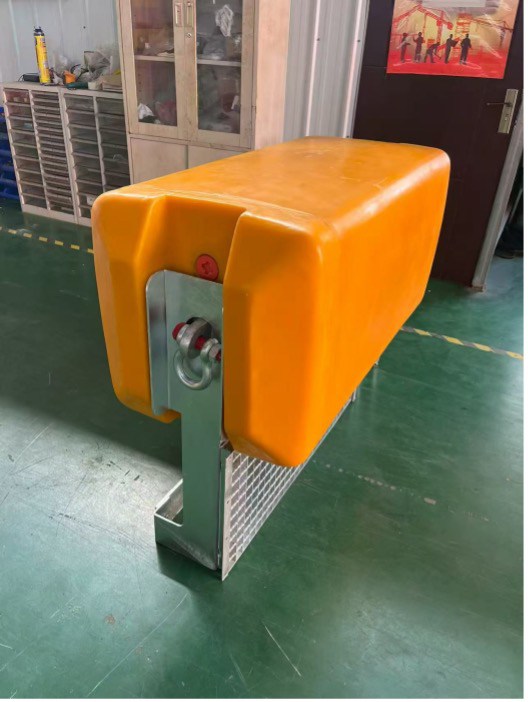
For the Cote d'Ivoire dual-functional barrier, our tooling workshop executed extensive mold reconfiguration to handle the integration of the heavy-duty metal security fence onto the 530 × 530 × 1070 mm HDPE floating barrier bodies. The steel molds were precision-calibrated to create specific, reinforced internal anchoring paths and thru-hole profiles designed to receive the fence's heavy anchoring hardware. This advanced industrial calibration ensured that the molded polymer sections and the structural metal fence fit together seamlessly. To verify the absolute accuracy of the mold adjustments before moving to mass production, we ran a complete set of physical fence and float samples for client testing, confirming that the hardware connections completely eliminated manual field modifications or alignment issues on site.

03.

Compounding Virgin Resins for Uniform Wall Thickness

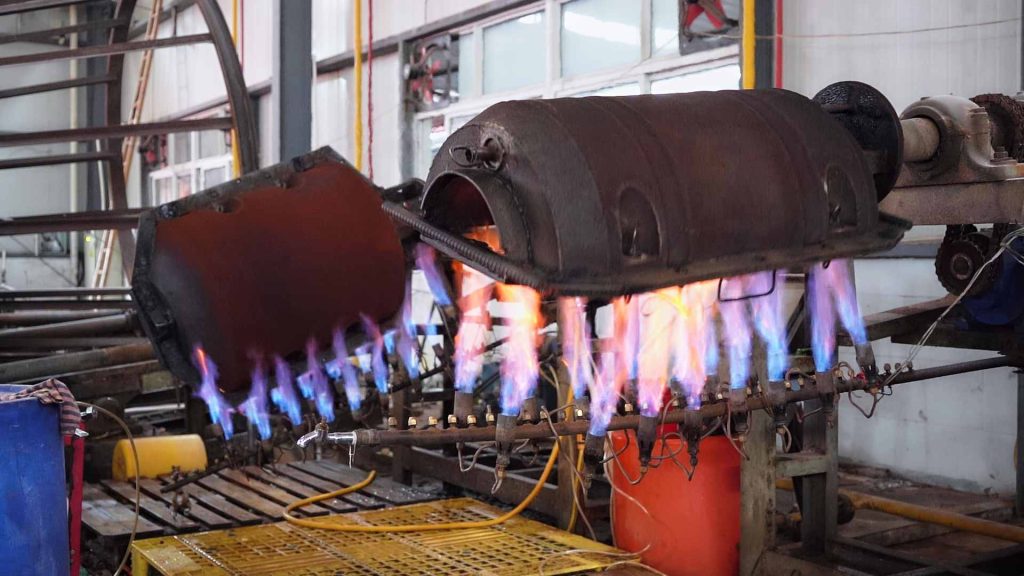
We execute precise raw material formulation by blending 100% virgin linear low-density polyethylene polymer with high-ratio UV-15 stabilization agents inside our automated compounding station. We control the exact raw material shot weight loaded into our 4.5-meter rock-and-roll machine lines to achieve a verified uniform thickness up to 15 mm across the entire shell profile. This synchronized thermal fusion cycle delivers a seamless, stress-free outer hull engineered to endure high-impact debris collision and prolonged open-water solar exposure.

Case Fact: Malaysia Penang Offshore Marine Warning Line System

In the Penang coastal warning line project, the 460 mm HDPE floating warning balls required maximum resistance to UV degradation and constant wave slap. We processed 100% virgin polymer compounded with heavy-duty UV-stabilization agents to ensure long-term color retention and material integrity offshore. The automated shot weight loaded into the molds was strictly regulated to output a verified uniform wall thickness throughout the spherical shell. This controlled thermal fusion cycle produced a seamless, stress-free outer hull capable of withstanding continuous maritime exposure without cracking, softening, or deforming, ensuring the structural channels holding the marine lights remain perfectly intact.

04.

Injecting High Density Polyurethane for Permanent Buoyancy

We route the molded polymer hulls to our specialized high-pressure foam injection stations to lock in the permanent internal buoyancy structure. Our production team injects a premium closed-cell polyurethane formulation directly into the cavity to fully pack the inner volume and bond tightly against the molded central cable channels. This digital density-locking phase establishes a solid structural core with a verified density of 40 to 45 kg per cubic meter, guaranteeing that your floating debris boom remains fully unsinkable even if the outer plastic skin suffers severe operational puncture damage.

Case Fact: Malaysia Baleh Hydroelectric Power Plant Debris Interception Boom Project

To protect the hydroelectric power generation facilities from massive floating debris and tree logs, the 400 mm HDPE debris boom floats were routed to our high-pressure foam injection stations to secure permanent internal buoyancy. Our production team injected a premium closed-cell polyurethane formulation directly into the float cavities, fully packing the inner volume to bond tightly against the central mooring cable channels. This density-locking phase established a solid structural core that maintains total float stability and buoyancy against swift river currents. This core guarantees that the debris boom system remains completely unsinkable and operational even if the outer plastic skin suffers severe puncture damage from ongoing heavy log collisions.

Maximizing hydro-dam trash boom efficiency and municipal floating debris boom control.
Find your tailored floating water barrier solution today

Related Products & Alternative Water Boom Models

Our Manufacturing Advantages for Floating Trash Barrier

We drive the heavy-duty floating barrier sector through our factory-direct scale and raw material chemical compounding control. Our vertically engineered production floor eliminates intermediary delays to stabilize massive municipal supply chains while fabricating every modular floating barrier wall section from zero-recycled resin. When you issue an international tender procurement, our strict ISO compliance guarantees the exact documentation audits and marine-grade through-bolt hardware customization needed to secure your entire floating barrier system.

Factory Land and Heavy Rotomolding Machinery

We control 26,000 square meters of fully self-owned heavy-industrial manufacturing land and dedicated production workshops to secure your entire floating barrier project lifecycle. We own our entire physical infrastructure and real estate assets outright, completely separating our heavy manufacturing schedules from the lease volatility or capacity limits of rented facilities. This multi-million capital investment establishes an unshakeable operational base running high-capacity 4.5-meter rock-and-roll machine lines to sustain a continuous output of 400 heavy-duty polymer segments every single week during peak engineering procurement windows.

Direct Material Compounding for Virgin LLDPE

We secure premium-grade raw materials directly through primary chemical distribution networks to control our polymer properties from the absolute source. Our high-volume enterprise logistics enforce continuous long-term contract pricing stability to feed our own automated compounding lines inside the workshop with 100% virgin LLDPE resin. We integrate this premium raw polymer directly with specialized UV-15 stabilization agents to guarantee a verified D55 Shore Hardness across every manufacturing run. This centralized corporate procurement framework insulates your large-scale floating barrier wall project from seasonal market cost spikes while ensuring a fifteen-year lifespan under relentless solar exposure.

Active ISO 9001 ISO 14001 and ISO 45001 Certifications

We maintain active corporate registrations under ISO 9001 Quality alongside ISO 14001 Environmental and ISO 45001 Occupational Health management systems to build a legally compliant foundation for your global water projects. Our audited factory floor implements complete raw material batch traceability and digital thermal cycle data logging to enforce uniform quality standards across massive manufacturing runs. This authenticated international certification profile delivers the exact authenticated compliance packages and certified technical documentation required to pass strict municipal bank evaluations and sovereign government procurement tender audits without a single administrative delay.

Structural Integration for Marine Grade 316 Stainless Steel

We design and engineer our heavy-duty polymer hulls with precision-molded internal anchoring channels to master complete system hardware compatibility. Our rotomolding facility utilizes CNC-machined split steel molds to form heavy-walled, reinforced thru-hole cavities directly into the plastic structure during the seamless molding cycle. This in-house tooling deployment allows third-party marine grade 316 stainless steel through-bolts and solid anchoring shafts to slide perfectly through the hull without structural friction. Our specialized high-pressure foam equipment then fills the surrounding space to lock these metal insert corridors into the core to prevent point-load stress concentrations and eliminate shell tearing under severe river crest surges.

Rotomolded Buoys & Floats Product Blogs

Floating docks 3
news

Can you leave a floating dock in all winter?

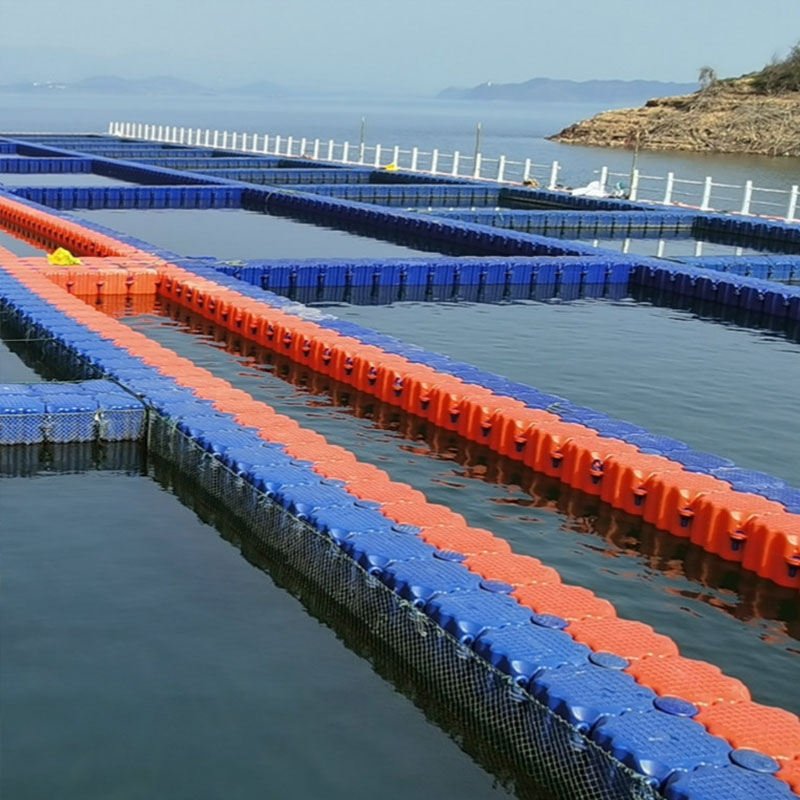
You might ask if you can keep your floating dock in the water all winter. Taking it out is usually safest. But some docks are made for tough weather and can stay if you get them ready. Many things affect your choice: Key Takeaways Floating dock overview What is a
Read More »
Floating docks 4
news

What holds a floating dock in place?

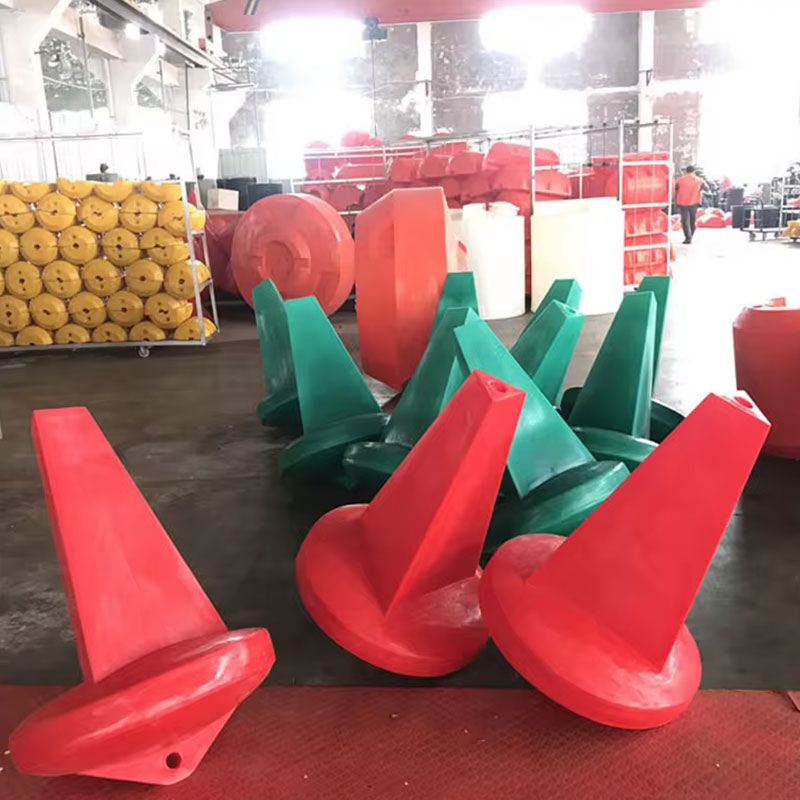
A floating dock faces a rigorous hydrodynamic challenge, requiring it to counteract kinetic energy from wind shear, wave drag, and tidal displacement. To remain stable, it relies on highly specified systems of anchors, chains, pilings, or cables tailored to water depth, bottom type, and local conditions. Standard marine engineering protocols
Read More »
700mm Diameter Marine Buoy 6
news

How to repair a buoy?

⚠️ Maritime Safety Disclaimer: Navigation buoys are critical maritime safety assets. All repairs should comply with local coast guard regulations and the International Association of Marine Aids to Navigation and Lighthouse Authorities (IALA) guidelines. Improperly repaired buoys deployed in open waters pose a severe risk to maritime traffic. Always consult
Read More »
Dredging Pipe Floats
news

How does a floating dredge work?

You see a floating dredge working on a river or lake. This machine moves on the water and picks up sediment from the bottom. You notice it helps keep waterways clear. It also supports important projects. Many industries use this technology to stay safe and work well. Key Takeaways Floating

Read More »

FAQ About Our Floating Barrier Engineering

Why do Botai barrier hulls not split like competitors?

Most commercial water barriers fail because they are produced via cheap blow-molding or secondary seam welding, creating distinct weld lines that rapidly split under continuous river timber impacts. Botai permanently eliminates this failure mode by utilizing computer-controlled, single-shot rotational molding ovens. Using 100% virgin ExxonMobil LLDPE resin, our process fuses a completely uniform, seamless outer skin with an isotropic tensile strength of greater than or equal to 16 MPa. This seamless molecular structure allows our floating trash boom and debris containment barrier networks to absorb repetitive, multi-ton kinetic log impacts without catastrophic structural rupture.

Standard polyethylene eyelets naturally stretch and creep under sustained tension, leading to localized tearing when river flow rates surge. To handle high hydrodynamic pulling forces, Botai molds a heavy-gauge, hot-dip galvanized steel structural backbone directly inside the floating river barrier hull during the initial molding cycle. This internal steel skeleton connects directly to our end-to-end heavy shackle architecture, transferring massive axial loads away from the polymer shell. Engineered to manage a continuous 25-ton tensile load limit, this rigid backbone guarantees the interlinked barrier chain remains perfectly aligned and intact under peak flood gate discharges without structural elongation.

Generic hollow floats or low-density loose foam inserts easily waterlog and sink once their outer shell is scraped or breached by sharp metal debris. The internal cavity of every barrier module Botai produces is high-pressure injected with a premium closed-cell polyurethane solid foam core, maintaining a strict density matrix of 40-45 kg/m³. This solid core chemically bonds directly to the inner LLDPE wall, creating an ultra-dense composite body. If a violent collision punctures the outer skin, our closed-cell structure restricts localized water absorption to less than or equal to 1%, securing permanent reserve buoyancy and keeping the floating water barrier wall from dropping beneath the waterline.

In tidal shipping berths and commercial ports, rigid barrier layouts quickly crack or let surface pollutants leap over the top due to short-period vessel wake waves. Botai resolves this environmental challenge by integrating multi-axis heavy-duty articulation joint couplers between adjacent marine floating boom segments. This engineering configuration allows continuous 180-degree vertical twisting and plus or minus 30 degree pitching relative to each link. This exceptional structural articulation ensures the harbor boom traces raw wave contours perfectly without tearing, while our high-weight lower ballast prevents the floating buoy barrier from capsizing under heavy 45-knot side-winds.

We eliminate the compounding maintenance expenses of traditional maritime infrastructure by replacing corrosive metals with our engineering-grade, high-impact thermoplastic material formulations. Our specialized waterway buoys require absolutely no sandblasting, structural welding repairs, or marine anti-corrosive recoating throughout their entire 10-plus-year operational lifecycles. Marine growth like barnacles and algae cannot strongly adhere to our slick, non-porous surfaces and can be rapidly cleared with a simple low-pressure water wash during routine service intervals, drastically reducing vessel deployment hours and operational maintenance budgets for port authorities worldwide.

Start Your Floating Trash Boom Project with Baitai Today

Contact Us