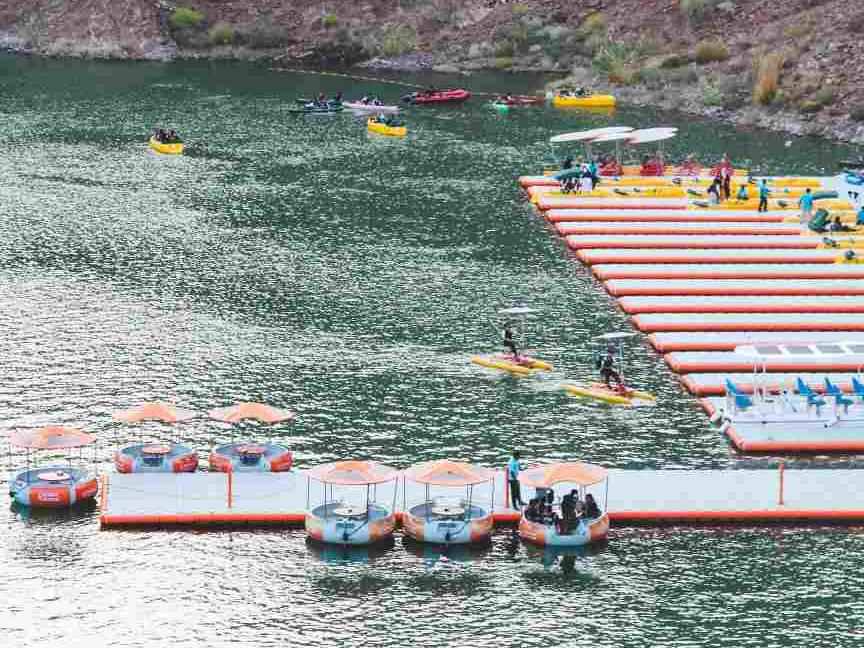
Yes, floating pontoons are highly safe when properly engineered, installed, and maintained. Modern HDPE construction ensures strong, rust-proof, and resilient structures across all water conditions. This reliability drives the global docks market, which is projected to grow from USD 2.00 billion in 2026 to USD 2.62 billion by 2033 at a 3.8% CAGR.
Safety ultimately depends on four core factors: material quality, structural design, compliance with industry standards, and consistent upkeep. Below, we break down how floating pontoons work, what design features keep users safe, which certifications matter most, and how to maintain safety over decades of use.
Key Takeaways
- Modern HDPE floating pontoons are corrosion-resistant and built to last 15–20 years with minimal degradation.
- Floating systems self-adjust to water level changes, eliminating the dangerous gaps and steep transitions common with fixed docks.
- Critical safety features include non-slip walking surfaces, raised edge barriers, handrails, and flexible load-distributing connections.
- Third-party certifications (ISO 9001, ISO 14001, ISO 45001, IALA) verify a manufacturer’s adherence to global safety and quality standards.
- Simple monthly inspections and seasonal maintenance prevent small issues from becoming safety hazards.
Core Safety Principles of Floating Pontoons
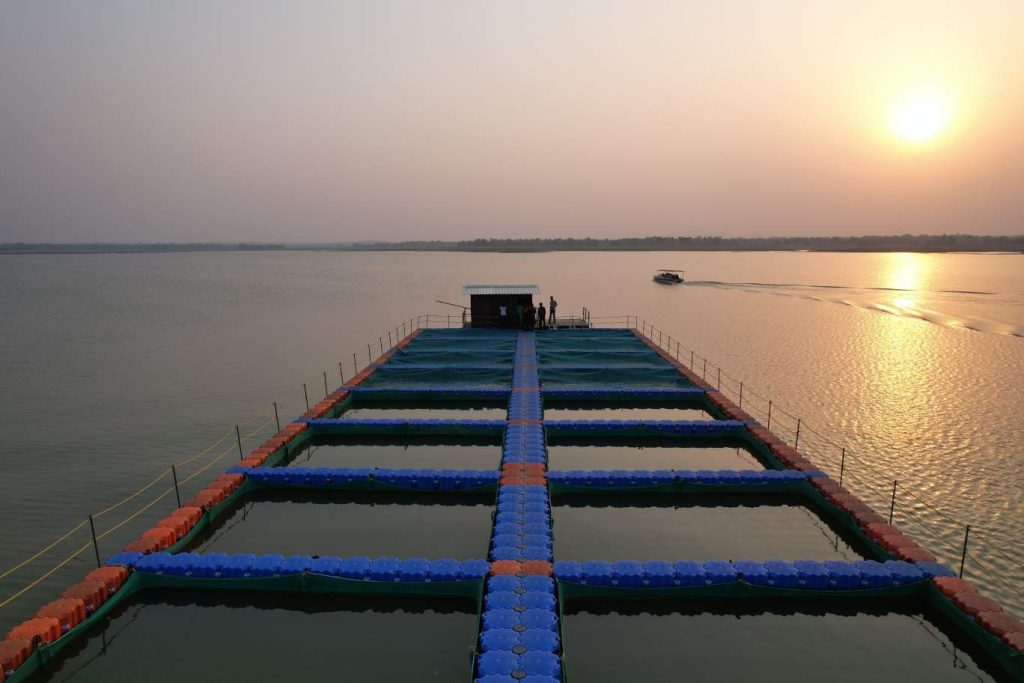
Floating pontoons derive their reliability from fundamental physics and intentional engineering, governed by Archimedes’ principle: each pontoon generates buoyant force equal to the mass of the water it displaces.
When water levels rise, pontoons displace more water, creating additional lift to raise the structure evenly. When levels fall, the system descends naturally. This self-adjusting mechanism eliminates the hazardous gaps and uneven surfaces that fixed docks develop during seasonal water changes or tidal shifts. Advanced modular systems, such as Botai’s floating dock line, can safely accommodate tidal fluctuations of up to 6 meters and even withstand grounding on rugged riverbeds without structural damage.
Stability comes from even weight distribution across the entire platform. Flexible joints between pontoon sections allow individual segments to displace more water under heavier loads, creating counteracting lift that maintains equilibrium. This load-sharing design prevents dangerous stress from spreading across the full structure during wave action, wind, or uneven weight placement.
How Pontoon Design Impacts Safety
The physical design of a floating dock directly determines its long-term safety and durability. Every material choice, structural detail, and user-facing feature is engineered to reduce risk and withstand harsh marine conditions.
Material Durability & Corrosion Resistance
Material selection is the foundation of long-term safety. Older materials like Styrofoam cores and untreated wood absorb water, degrade quickly, and lose buoyancy over time. Concrete pontoons suffer from rebar corrosion in saltwater, requiring major repairs every 10–15 years.
HDPE has become the industry standard for safety and longevity because it does not rust, rot, or corrode, even in continuous saltwater exposure. Independent testing from the Naval Research Laboratory measured less than 2% material degradation after 20 years of seawater immersion.
| Parameter | HDPE Pontoon | Concrete Pontoon |
|---|---|---|
| Expected Lifespan | 15–20 years | 10–15 years |
| Seawater Degradation | <2% after 20 years | 0.1–0.5 mm/year rebar corrosion |
Premium floating dock manufacturers like Botai enhance these natural benefits with rotational molding, which creates seamless, stress-free hulls with a uniform 8mm wall thickness. Seamless construction eliminates weak points where water could penetrate or cracks could form. UV-15 stabilization technology further preserves material integrity, retaining over 85% of impact strength after 15,000 hours of direct sun exposure and preventing the brittleness that compromises older dock systems.
Structural Strength & Load Capacity
Engineers design floating dock systems to distribute weight evenly across multiple pontoons, with rated buoyancy of up to 350 kilograms per square meter for heavy pedestrian traffic, equipment, and small vehicles.
Flexible interlocking connections are a critical safety feature: they allow controlled movement from waves and currents without transferring destructive stress to neighboring sections. The 8mm polymer walls also absorb berthing impacts from boats without cracking or deforming, and provide secure mounting points for cleats, ladders, and other accessories.
Reputable manufacturers customize each system to site-specific conditions, accounting for current velocities up to 3.5 meters per second and wave heights up to 1.5 meters. This site-specific engineering ensures the dock performs safely in its intended environment, rather than relying on generic one-size-fits-all specifications.
Safe Entry & Exit Features
Slips, trips, and falls are the most common floating dock incidents, and modern designs address these risks with layered safety features:
- Non-slip surfaces: Proprietary brick-herringbone textures and shot-peen finishes provide reliable traction even when wet, meeting accessibility standards for stable walking routes.
- Edge protection: Raised curbs and perimeter barriers prevent wheelchairs and carts from rolling into the water, and alert pedestrians to platform edges.
- Handrails: Required on all sloped sections, handrails sit 34–38 inches above the walking surface and extend the full length of inclines.
- Low-freeboard designs: Swim platforms and kayak docks feature 150–200mm freeboard, allowing safe boat entry without excessive climbing or reaching.
Floating Pontoon Safety Standards & Certifications
Industry standards and third-party certifications separate safe, well-built systems from low-quality alternatives. Buyers should verify the following credentials before purchasing:
- ISO 9001: Confirms consistent quality management and manufacturing processes.
- ISO 14001: Verifies responsible environmental practices throughout production.
- ISO 45001: Ensures worker health and safety standards during manufacturing.
- IALA compliance: Meets global guidelines for marine navigation safety set by the International Association of Marine Aids to Navigation and Lighthouse Authorities.
Trusted manufacturers like Botai hold all three ISO certifications and publish independent third-party test reports for buoyancy, impact resistance, UV stability, and structural strength. When evaluating options, request current certificate copies and verify their validity through issuing body databases. For site-specific projects, consult a qualified engineer to confirm the system meets your local environmental and use case requirements.
How to Maintain Floating Pontoons for Long-Term Safety
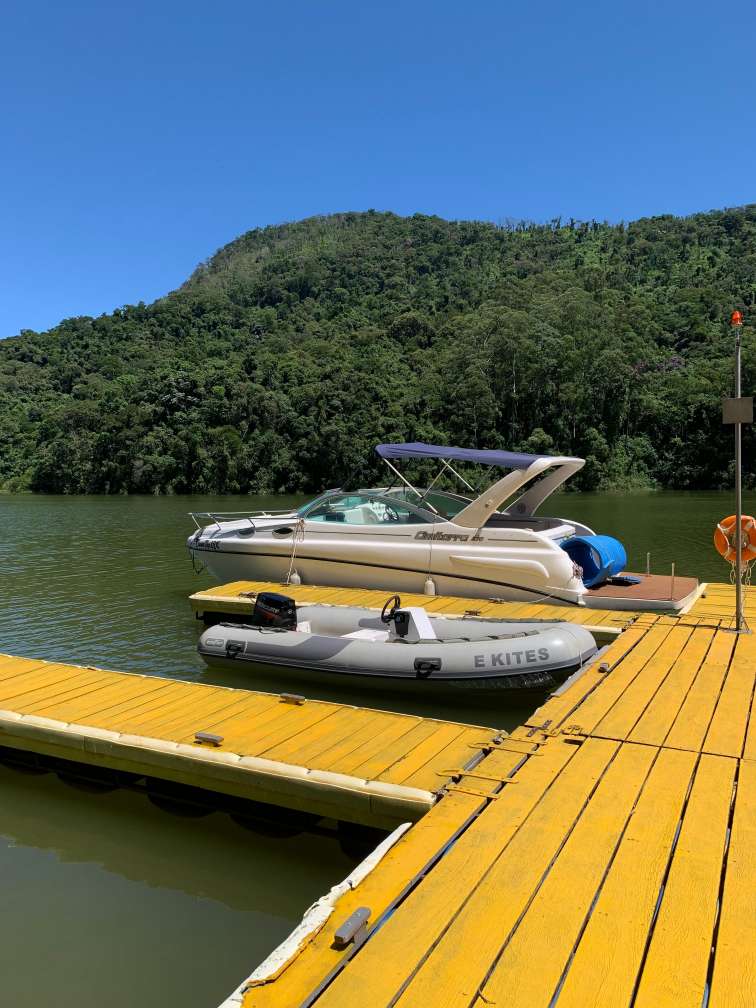
HDPE floating docks require far less maintenance than wood or concrete systems, but regular upkeep is still essential to preserve safety and extend service life. A simple care routine catches small issues before they become hazards.
Regular Inspections
- Monthly walk-around (10–15 minutes): Check for loose or missing hardware, debris caught in connectors, and developing slippery spots.
- Seasonal inspections (spring and fall): Tighten all critical hardware, thoroughly clean deck surfaces, inspect flotation units for damage or shifting, and verify anchors, pilings, and mooring points are secure.
- Post-storm checks: Reinspect connectors, hinges, and tie-up areas for impact damage, and clear debris trapped under the structure.
Proper Cleaning & Care
Avoid harsh chemicals, which can strip protective surface layers and reduce slip resistance. Instead:
- Use mild soap and a soft brush to remove dirt, algae, and marine growth.
- For tough stains, use vinegar as a natural cleaning solution.
- If using a pressure washer, use a fan tip at low pressure to avoid damaging the surface.
- Inspect sacrificial zinc or aluminum anodes twice per year, replacing them when 50% worn away.
Weather & Seasonal Preparedness
- Before major storms: Tighten all bolts and brackets, secure loose accessories (ladders, cleats, bumpers), confirm the anchoring system allows free vertical movement, and turn off shore power at the breaker.
- For flood events: Add extra flotation devices if needed, and consider moving the dock to a sheltered cove for maximum protection.
- UV care: Premium HDPE with built-in UV stabilization requires no additional chemical treatments; regular washing with soap and water is sufficient to maintain surface integrity.
FAQ
How long do floating pontoons last?
With proper care, HDPE floating pontoons last 15–20 years. Concrete pontoons typically only last 10–15 years before requiring major repairs due to rebar corrosion.
What certifications should I check when buying a floating dock?
Look for ISO 9001 (quality), ISO 14001 (environmental), and ISO 45001 (worker safety) certifications, plus third-party test reports for buoyancy and impact resistance. IALA compliance confirms alignment with global marine navigation safety standards.
Do floating docks require special maintenance?
HDPE docks need less upkeep than wood or concrete, but they still require monthly walk-around checks for loose hardware and debris, plus seasonal tightening and cleaning. Mild soap and soft brushes are recommended for cleaning to preserve slip resistance.
How do pontoons handle changing water levels?
Floating pontoons self-adjust automatically using Archimedes’ principle: rising water increases displacement and buoyancy, lifting the structure evenly. Advanced systems can safely handle tidal changes of up to 6 meters.
What safety features protect dock users?
Key features include non-slip walking surfaces for wet traction, raised curbs and guardrails to prevent falls, 34–38 inch handrails on slopes, and low-freeboard designs for safe boat entry.