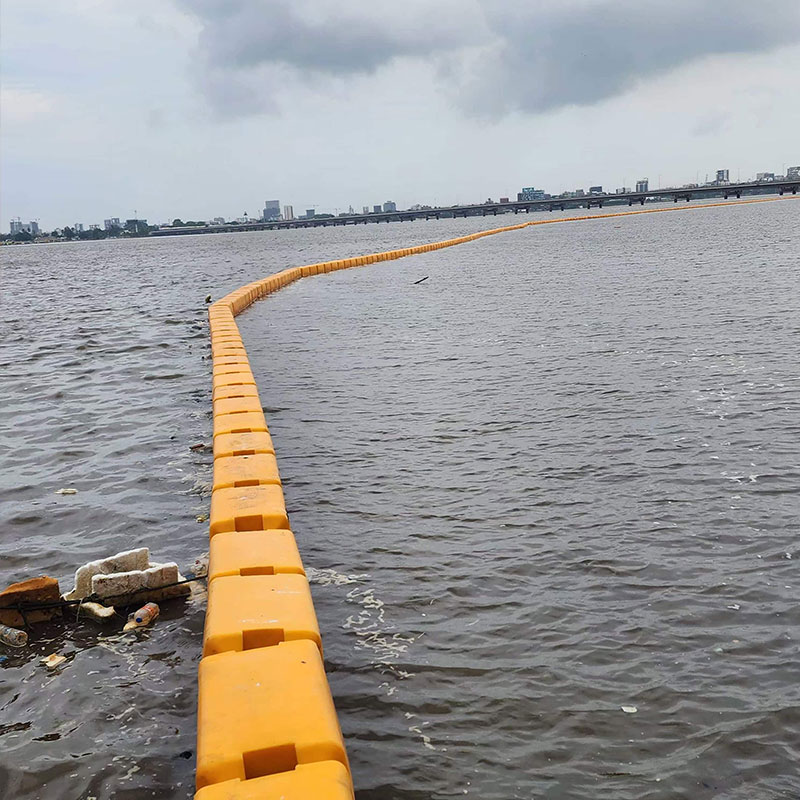
Yes, there are different types of water booms. People use these barriers to stop pollution in water and keep places safe. Water booms help in many ways:
- Stop dangerous things from spreading and keep animals safe.
- Lower costs for businesses.
- Help people act quickly in emergencies.
- Can be used in many places.
Key Takeaways
- Water booms are important tools. They protect water from pollution and trash. They help keep places safe and clean.
- There are different kinds of water booms. Oil spill booms and debris booms have special jobs. Pick the right boom for your project.
- Brands like Botai make good water booms. These booms help keep people safe. They also save money and protect animals in the water.
Types of water booms
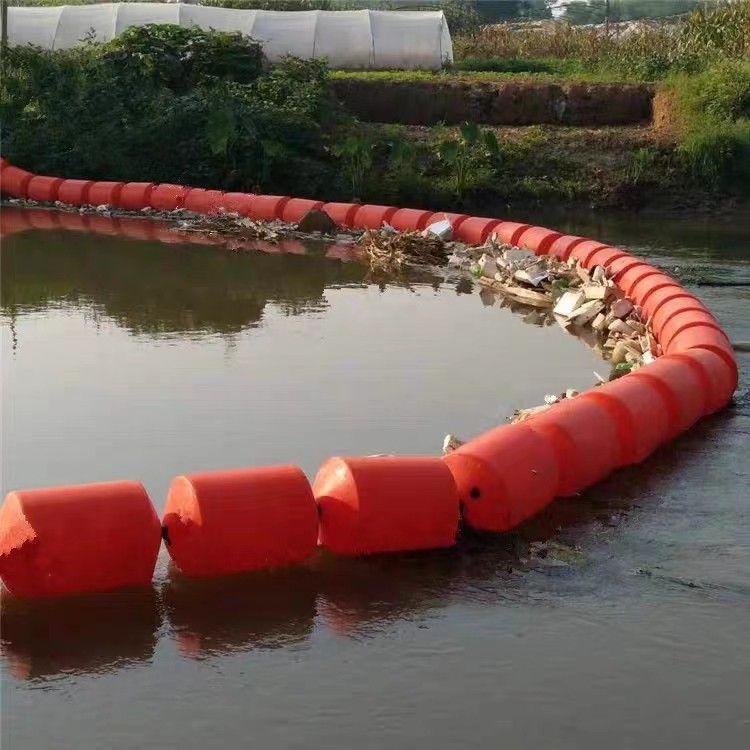
There are many types of booms, each with its own unique way of protecting a body of water. The following table lists the main types, functions and usage scenarios:
| Category | Description | Applications |
|---|---|---|
| Oil Spill Booms | Contain oil spills on water surfaces. | Oceans, lakes, rivers, harbors; protect shorelines from oil contamination. |
| Debris Booms | Capture and contain floating debris. | Rivers, lakes, harbors; prevent trash from reaching shorelines. |
| Silt and Sediment Booms | Control the spread of fine particles and sediments. | Construction, dredging; protect aquatic habitats from sediment pollution. |
| Fire Booms | Support in-situ burning of oil spills. | Oil spill response; reduce environmental impact through controlled burning. |
Let’s learn more about each type:
Oil spill booms
Oil spill booms float on water to prevent oil from spreading. They can be seen in oceans, rivers, and ports. They are made of sturdy materials such as PVC, TPU, or synthetic rubber. These booms have floats on top, skirts at the bottom, and chains for stability. Some oil spill booms also include special components:
- Fence booms: Flat float, tall sides, good for calm water.
- Curtain booms: Round float, works in rough water, moves with waves.
- Shore-sealing booms: Protect beaches when the tide is low.
- Hard booms: Do not soak up oil, just block it.
- Sorbent booms: Soak up oil, used for cleaning.
You can join many oil spill booms together for big spills. These booms work fast and can be used in different water types.
Tip: Pick oil spill booms that are easy to set up for emergencies.
Debris booms
Trash grates prevent garbage and floating debris from entering important locations. They are commonly found in rivers, lakes, and ports. Trash grates protect bridges, dams, and power plants from logs and garbage. Furthermore, they help maintain clean water, making it suitable for swimming, and protect ports from damage.
They catch things like:
- Floating trash
- Tires
- Plastic bags
- Small pieces of wood
- Seaweed
- Jellyfish
- Logs
- Ice
- Water plants
Companies like Botai manufacture powerful waste-catching buoys, such as the waste-catching buoy. These buoys have excellent interception efficiency (up to 99.8%), long service life, and are environmentally friendly. They can be used in estuaries, rivers, and oceans. Their unique design allows them to remain afloat and intercept waste even in severe weather. Many cities and companies use these buoys to effectively control waste.
Silt and sediment booms
Silt and sediment dikes, also known as turbidity curtains, prevent the spread of fine soil during construction or excavation. Their function is to prevent sediment from entering nearby water bodies, thus making the water clearer and more conducive to the growth of fish and plants.
They do these jobs:
- Stop dirt from moving.
- Protect water animals.
- Follow rules like the Clean Water Act and NPDES.
- Meet ASTM and other standards for strength.
You see these booms at building sites, dredging jobs, and anywhere water needs to stay clean.
Fire booms
Fire barriers are special barriers against burning oil spills on water surfaces. They store the oil so that it can be safely burned. The booms are shaped like wine glasses to collect the burning oil. Fire barriers use metal and floating components to handle the high temperatures.
Main things they do:
- Hold oil long enough to burn.
- Stay strong during burning.
- Used for big oil spill fires.
You see fire booms when burning oil is the best way to clean up.
Sorbent booms
Oil-absorbing booms not only block hazardous liquids but also absorb them. They can be used to collect oil spills or chemicals. Oil-absorbing booms float and repel water, so they remain on the surface even when filled with water. Chemical containment booms are suitable for land use and can absorb a variety of hazardous chemicals.
Sorbent booms are good for:
- Oil spills (hydrocarbons)
- Chemical spills
- Emergency cleanups
You find these booms in spill kits and emergency gear.
Solid flotation booms
Solid flotation booms use foam inside to float. They are stiff and can be flat or round. You use them in calm water like harbors or close to shore. These booms are strong and float for a long time.
They are used in:
- Rivers and inland water
- Ports and harbors
- Factories
- Cold places
Solid flotation booms are light to move but take up space. They are a cheap way to manage water problems.
Fence booms
The bollards are flat at the bottom and higher on the sides. They are lowered into the water using a large drum from the ship. Bollards work best in calm waters such as docks, harbors, and lakes. They are less effective in rough waters because waves can twist and deform the bollards.
People use them for:
- Calm water
- Permanent use at docks
- Fast spill control with extra anchors
You can pick fence booms for short or long use.
Curtain booms
Curtain-type oil booms use a curtain-like structure to block underwater oil, silt, or debris. They are kept upright by chains and remain stable even in flowing water. Curtain-type oil booms are suitable for oceans, rivers, and other water bodies.
They are made to:
- Show above water and block things below.
- Stay straight in currents.
- Handle big waves and wind.
It can be hard to use curtain booms in rough water, but they block spills well in many cases.
Inflatable booms
Inflatable oil booms contain air and can float. They can be quickly detonated in an emergency. These booms are lightweight, compact, and easy to carry. They can be used in open water, fast-flowing rivers, or for towing.
They are good because:
- You can set them up quickly.
- They work in many water types.
- Easy to store and clean.
Inflatable booms are best when you need to act fast.
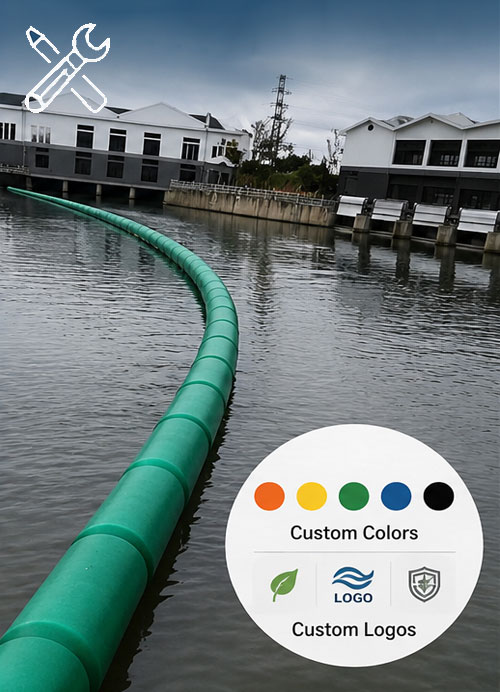
Note: Many companies can make special water booms to fit your project.
Choosing a water boom
Key factors
Before choosing an oil boom for your project, there are a few important things to consider. Every project is different, so you need to choose the right oil boom for your job. Here are some factors you should consider:
- Spill type: Oil, chemicals, debris, and silt need different booms. If you use the wrong boom, it can make things worse.
- Water conditions: Calm lakes, fast rivers, and open oceans need special designs. Strong currents and big waves need tough materials like PVC or polyurethane.
- Debris load: If there is a lot of debris, you need a boom that floats well and is very strong.
- Regulatory requirements: You have to follow local rules and safety laws. Some jobs need booms that meet ASTM or ISO rules.
- Duration: If you need the boom for a short time or a long time, this changes what material and anchor you use.
Tip: Always check the water and spill type before you pick a boom.
Matching boom to needs
You can find the best water boom for your job by following some easy steps. The table below shows how to pick and use the right boom for your needs:
| Category | Guidelines |
|---|---|
| Anchoring methods | Use fixed, temporary, or tidal anchors depending on how long and where you put the boom. |
| Deployment patterns | Pick U-shape, J-shape, or straight lines to match your goals. |
| Safety protocols | Make sure trained people wear the right safety gear when setting up and taking down booms. |
| Environmental considerations | Choose boom types based on water and what is in the water. |
| Duration of deployment | Decide if you need the boom for a short or long time to pick the right material. |
You can protect water better if you pick the right boom for your place and job. This helps keep water clean and safe.
Botai water booms
Trash Intercepting Floats
Botai offers high-quality, reliable oil boom solutions. With over 15 years of experience in floating barriers, Botai’s debris-catching buoys are ideal for intercepting litter. Made from robust and durable materials, these buoys will not break even in severe weather or strong currents. Their closed-cell internal structure effectively prevents water ingress, ensuring the buoy remains afloat. Each meter of buoy can carry up to 150 kg without sinking.
Botai’s buoy design allows for flexible movement in turbulent waters and easy handling of waves. They can intercept virtually all debris, achieving a 99.8% interception rate. Even in storms, the buoys remain stable, preventing debris from escaping. Botai adheres to ISO 9001 and ISO 14001 standards, ensuring its products are environmentally friendly.
Why choose Botai
Cities and companies pick Botai water booms for many reasons:
- Environmental protection: You help stop pollution and keep water animals safe.
- Operational efficiency: You stop damage to machines and save time.
- Enhanced safety: You make water safer for boats and people.
- Cost savings: You spend less money on cleaning and fixing things.
Botai can manufacture customized oil booms for different water areas. You can use waste interception buoys in estuaries, rivers, and oceans. These buoys are ideal for urban operations, factories, and environmental protection. Botai’s expertise means you can obtain powerful, reliable, and efficient waste control solutions.
You can find many types of water booms for different jobs. Each type helps protect water in a special way.
- Pick the right boom for your needs to keep water safe.
- Trusted brands like Botai give you strong, reliable solutions for debris control.
Remember: The right choice keeps your water clean and your project safe.
FAQ
What are water booms used for?
You use water booms to block oil, debris, or silt from spreading in rivers, lakes, and oceans. They help protect water quality and keep environments safe.
How do you choose the right water boom?
You look at water conditions, debris type, and project needs. Botai offers Trash Intercepting Floats for high debris loads and tough environments.
Can water booms handle strong currents?
You can use special water booms, like Botai’s Trash Intercepting Floats, in fast-moving water. Their design keeps them stable and effective during storms.