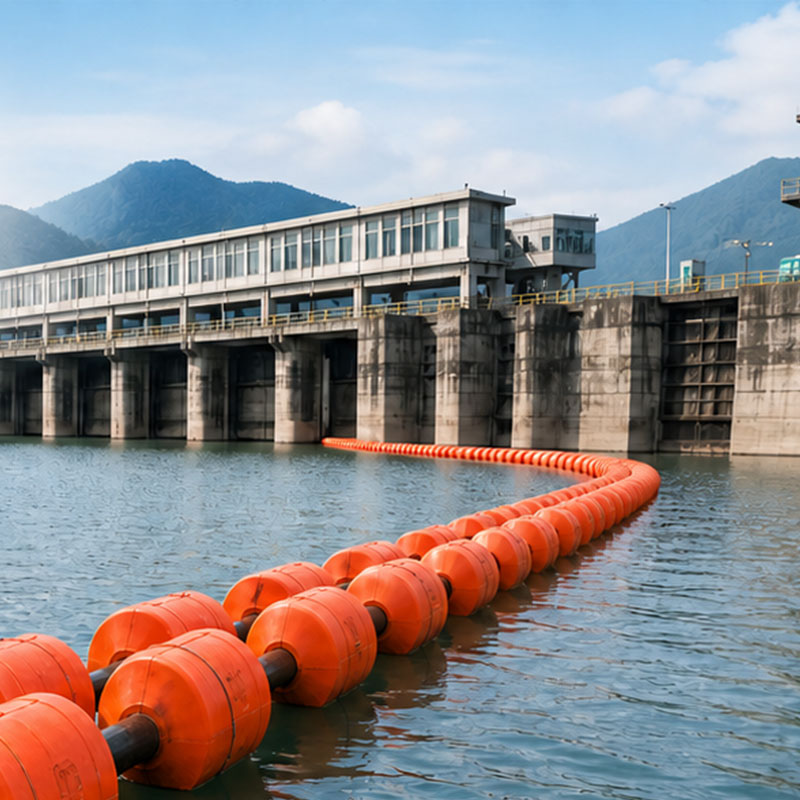
You see a floating dredge working on a river or lake. This machine moves on the water and picks up sediment from the bottom. You notice it helps keep waterways clear. It also supports important projects. Many industries use this technology to stay safe and work well.
Key Takeaways
- Floating dredges clear waterways by taking away sediment. This helps boats move safely.
- Important parts like the digging head and slurry pump work as a team. They collect and move sediment quickly and easily.
- Using tough pipe floats from trusted suppliers like Botai makes things safer. It also lowers maintenance costs.
Floating dredge basics
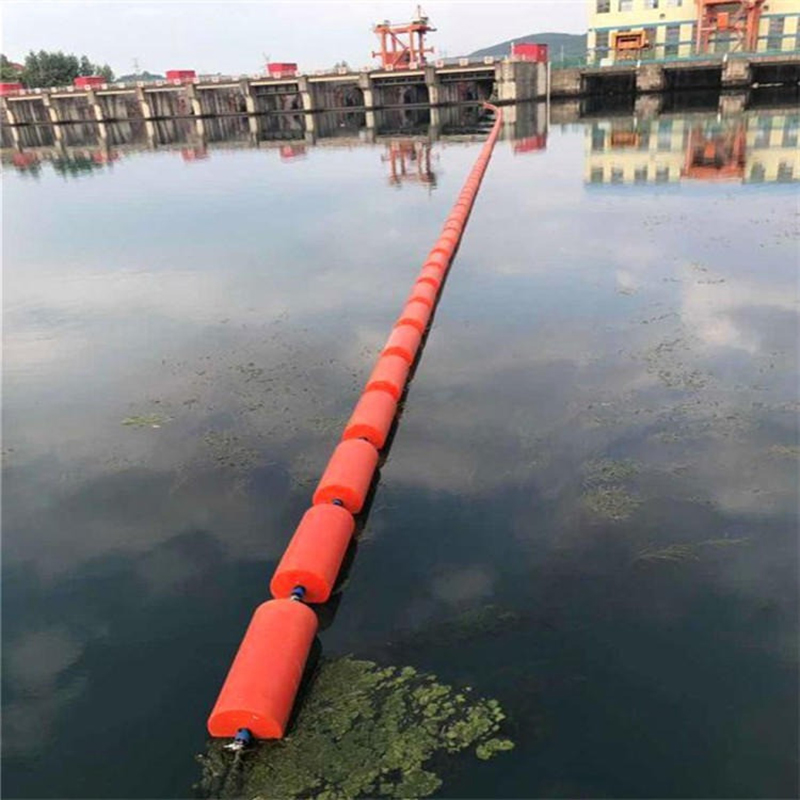
Floating dredgers help remove sediment, debris, or pollutants from water bodies. They can be used to dredge rivers, lakes, and ports, deepen waterways, and improve water flow. The primary task of a floating dredger is to extract sand and gravel from underwater areas. This helps ensure the safety of navigation and facilitates large-scale engineering projects.
You depend on floating dredges to:
- Keep water deep enough for boats
- Make water move better
- Help boats and buildings stay safe
Main components
A floating dredge has several important parts. Each part does a special job.
- Pontoon hull: This part keeps the dredge floating and steady.
- Digging head: You use this to break up and collect sediment.
- Slurry pump: This pump moves water and sediment through pipes.
- Discharge system: Pipes and hoses send the dredged material where it needs to go.
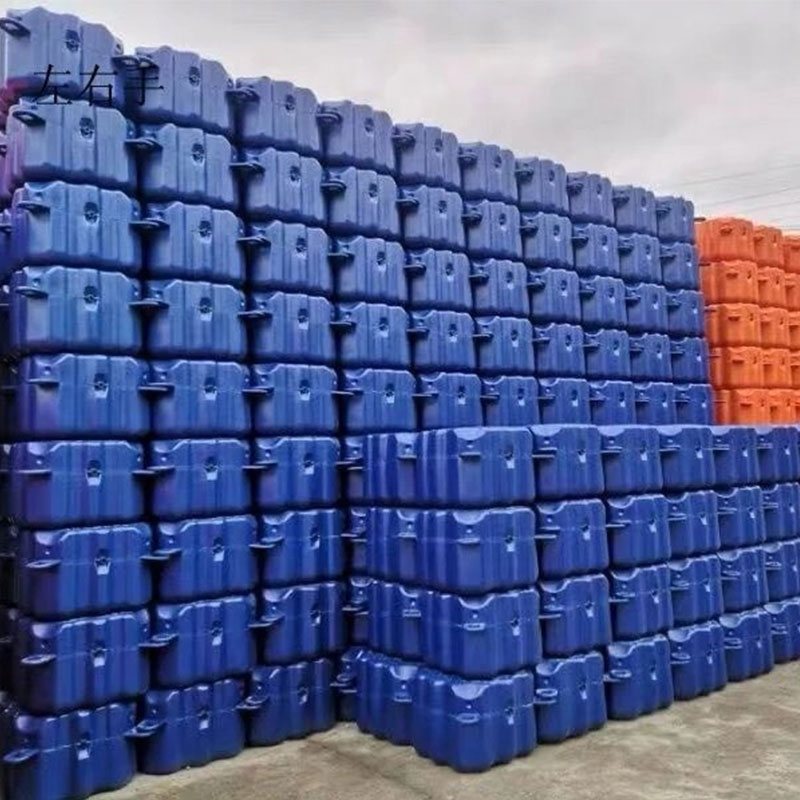
- Pipe floats: These floats keep the pipeline above water and stop damage.
Here is a table that shows what each part does:
| Component | Function |
|---|---|
| Pontoon Hull | Makes the dredge float and stay steady |
| Digging Head | Breaks up and picks up sediment from the bottom |
| Slurry Pump | Pushes the mixture through the pipeline |
| Discharge System | Sends dredged material to its final place |
| Pipe Floats | Keeps pipes floating and stops drag or damage |
You can purchase strong and durable pipe floats from suppliers such as Botech. PATEO customizes pipeline pontoons for long-distance pipelines operating in harsh waters. Many maritime workers trust Premier Tech’s durable pipe pontoons.
How it operates
First, prepare the site and assemble the equipment. Place the floating dredger in the water and secure it. The dredger head breaks up the sediment. The mud pump uses rotational force and suction to draw in the mixture. Observe the flow rate and efficiency to ensure the pump is working properly.
- The slurry pump uses a spinning part to move mud and water.
- You check how much the pump can handle to fit the project.
- The discharge system moves the mixture through pipes held up by pipe floats.
Pipe floats are very important. They keep the pipeline floating, cut down drag, and stop damage. You move the pipeline to make sure material travels well, even in deep or rough water. Botai’s pipe floats help keep things running smoothly and the pipeline steady.
Tip: Pipe floats make it easier to move pipes and save time. You spend less money by using good floats from trusted suppliers.
Finally, you will need to clean the equipment and document your work. Inspectors will check the site to ensure you are complying with safety and environmental regulations. Proper training and clear communication are essential to ensure the safety of the team.
Floating dredgers help keep waterways clear, prevent flooding, and support construction projects. You can use equipment such as floating silt curtains to prevent sediment from spreading, thus protecting aquatic life.
Floating Dredge Process Overview
Material collection
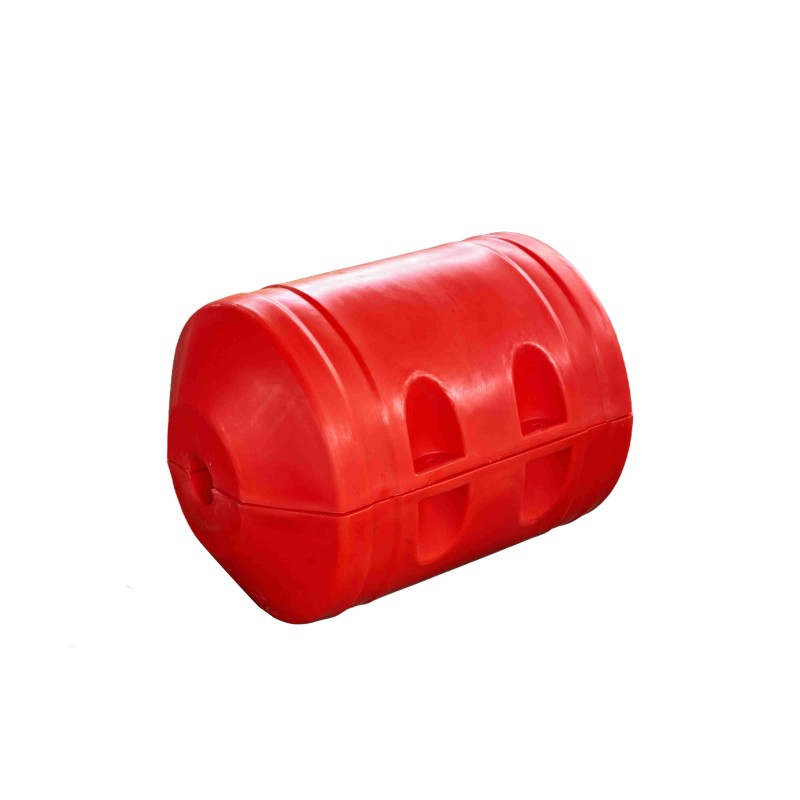
First, lower the floating dredger into the water. With the machine floating on the surface, you can prepare to dredge. Use a hinged ladder to lower the excavator head. The excavator head loosens the sediment at the bottom. The suction port draws up the mud. The mud is a mixture of water and sediment. Piles are used to maintain the dredger’s stability and position. If movement is needed, simply lift one pier and push the hull forward. These steps help you collect material efficiently.
Slurry transport and discharge
After the mud is collected, it needs to be transported. Pumps deliver the mixture through pipelines to the discharge point. Different pumps are suitable for different operations:
| Pump Type | Best For | Advantages |
|---|---|---|
| Centrifugal Dredge Pump | General-purpose pumping | High flow rate, easy maintenance |
| Submersible Slurry Pump | Deep or submerged dredging | No suction lift needed |
| Booster Pump Station | Long-distance transport | Maintains flow and pressure |
Pipeline pontoons are crucial here. They keep pipelines afloat, preventing them from sinking or being submerged. Pipeline pontoons also reduce drag, helping pumps operate more effectively. They keep pipelines straight, preventing tangling or bending, thus protecting them from damage. Many marine workers use custom-made pipeline pontoons from trusted suppliers like Botai. Wholesale pipeline pontoons are suitable for large projects.
Tip: Using strong pipe floats made for tough jobs helps you stay safe and work faster.
Floating Dredge Uses and Botai Pipe Float Benefits
Where floating dredges are used
Floating dredgers have a wide range of applications, helping to maintain the safety and cleanliness of water bodies. They are often used in operations requiring careful removal of sediment. The table below lists the locations and tasks for which floating dredgers are used:
| Environment/Project Type | Description |
|---|---|
| Waterway Maintenance | Keeps rivers and canals deep and clear for boats. |
| Wetland Restoration | Shapes land and protects habitats. |
| Flood Control | Builds levees and clears debris after floods. |
| Mining and Oil & Gas | Extracts resources near water and prepares sites. |
| Municipal and Government | Supports flood control and wetland management with minimal disruption. |
Why choose Botai
You need durable pipe floats. Botai is a trusted supplier and manufacturer. Bote pipe floats can be customized to your needs. You can buy a single set or order multiple sets for large projects. Bote floats can withstand harsh water conditions, resulting in less frequent replacements. Their robust and durable materials ensure a lifespan of up to 15 years. This means fewer maintenance and helps extend the life of your project.
- Botai pipe floats fit any project size.
- Strong floats help you save money and time.
- You get good performance from a supplier with smart engineers.
Tip: Botai pipe floats help keep your floating dredge pipeline steady and working well.
Comparison with other methods
There are several methods of dredging. Mechanical dredging uses buckets and grabs and is suitable for heavy silt and areas requiring careful excavation. Hydraulic dredging utilizes suction and pumps to transport silt over long distances, but it is not suitable for all types of silt. Floating dredgers have long operating times, can handle various types of silt, operate quickly, and have lower labor and fuel costs. Tubular pontoons can improve operational efficiency and reduce maintenance costs.
- Floating dredges cause less muddy water and mess.
- You target certain sediment layers and protect habitats.
- Mechanical methods need more breaks to move.
- Hydraulic methods may not work for thick materials.
Floating dredgers offer numerous advantages. These machines can quickly remove sediment without causing much trouble. New tools help people better protect waterways and adopt safer methods. The robust and durable pipe floats sold by manufacturers are suitable for a variety of operations. In the future, we may see more robots and environmentally friendly dredging operations. These changes help improve efficiency and ensure safety.
| Key Takeaway | Benefit |
|---|---|
| Efficient Sediment Removal | Keeps waterways clear |
| Reduced Disruption | Maintains active operations |
| Sustainable Practices | Lowers environmental impact |
Tip: Pick pipe floats made with tough materials and buy from trusted sellers so they last a long time.
FAQ
What is a floating dredge?
A floating dredge is a machine that takes sediment out of water. It floats on top and helps keep rivers, lakes, and harbors deep. This makes it safe for boats to travel.
How do pipe floats help a floating dredge?
Pipe floats hold the discharge pipeline above the water. This stops the pipe from sinking or getting damaged. Many companies make special floats for different pipe sizes and big orders.
Can you order custom pipe floats for your project?
Yes, you can get custom pipe floats from a trusted company. You pick the size and features that work best for your dredge and project.