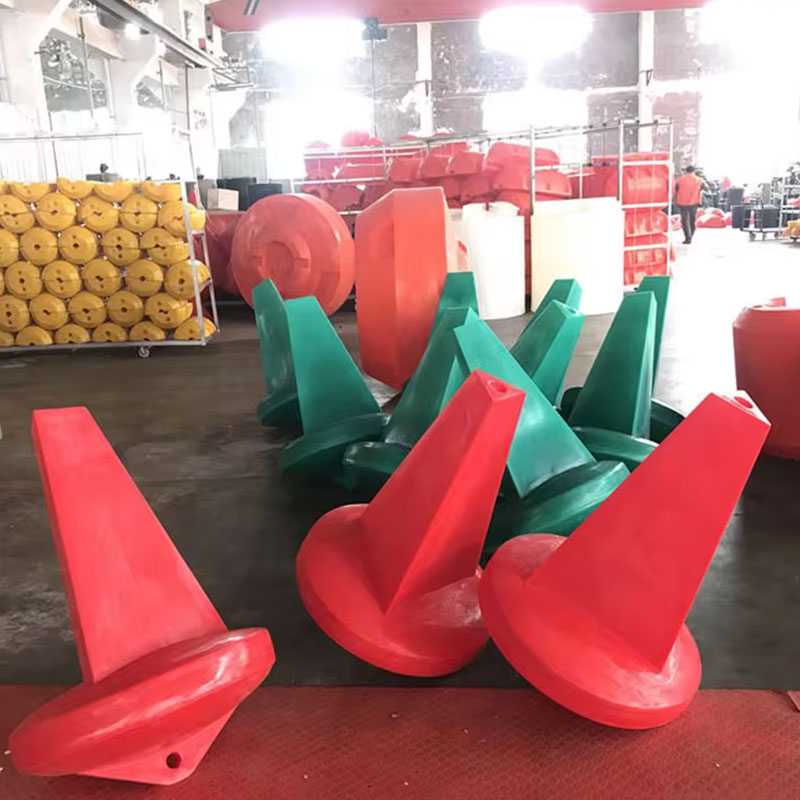
⚠️ Maritime Safety Disclaimer: Navigation buoys are critical maritime safety assets. All repairs should comply with local coast guard regulations and the International Association of Marine Aids to Navigation and Lighthouse Authorities (IALA) guidelines. Improperly repaired buoys deployed in open waters pose a severe risk to maritime traffic. Always consult a qualified marine engineer if structural integrity is compromised.
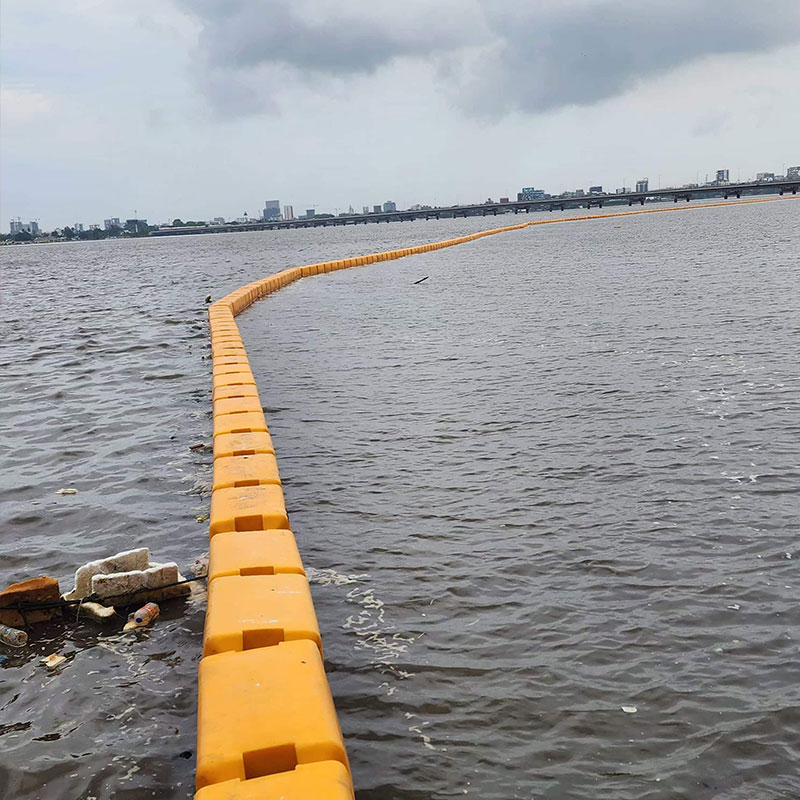
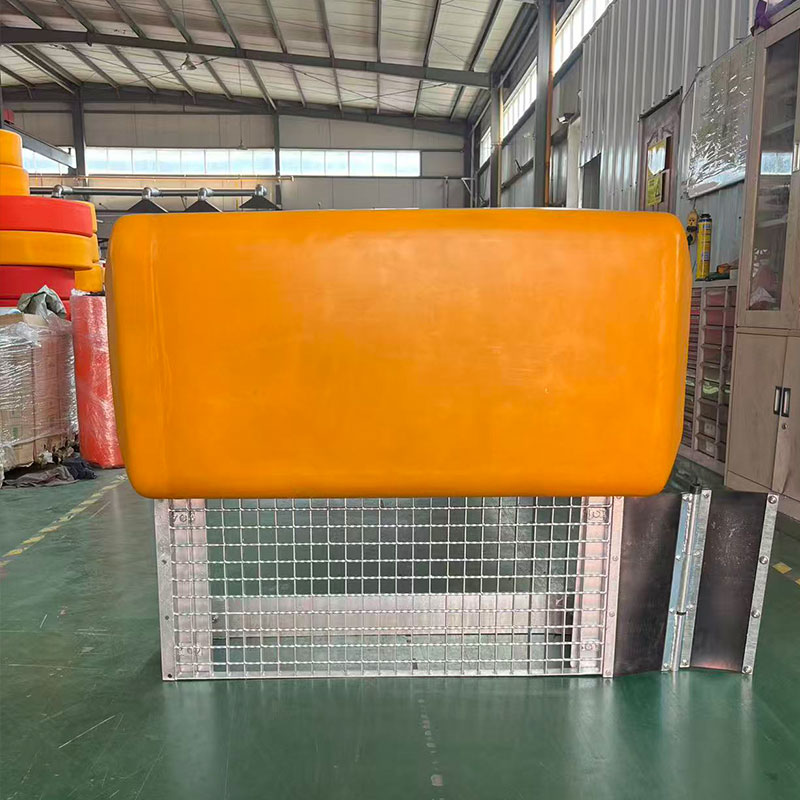
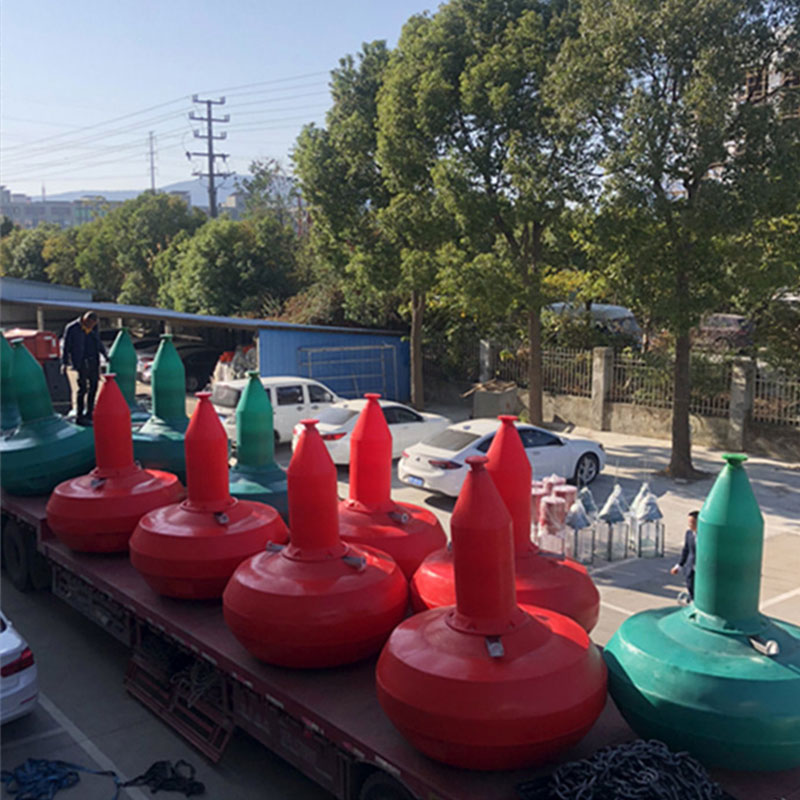
Maintaining marine equipment is vital for offshore safety and operational efficiency. Over our 15 years of manufacturing heavy-industrial rotomolded marine products—including navigation buoys, water quality monitoring buoys, and dredging pipe floaters—we have developed precise, field-tested methodologies for buoy maintenance.
This guide details the material science behind repairing High-Density Polyethylene (HDPE) buoys, replacing generic advice with empirical, professional-grade repair protocols.
Key Takeaways on Buoy Repair
- Material Science Limits: Standard marine adhesives fail on HDPE buoys due to low surface energy; hot-air plastic welding is mandatory for permanent structural fixes.
- Internal Inspection: Always conduct moisture testing on the closed-cell polyurethane (PU) foam core before sealing any external cracks to prevent long-term buoyancy loss.
- Targeted Protocols: Strictly differentiate between repair methods for solid/foam-filled rotomolded buoys (e.g., dredging pipe floaters) and inflatable marker buoys.
- Asset Management: Assess the Total Cost of Ownership (TCO); extensively damaged or waterlogged buoys should be replaced rather than patched to ensure maritime safety.
The Material Science: Why Standard Adhesives Fail on HDPE Buoys
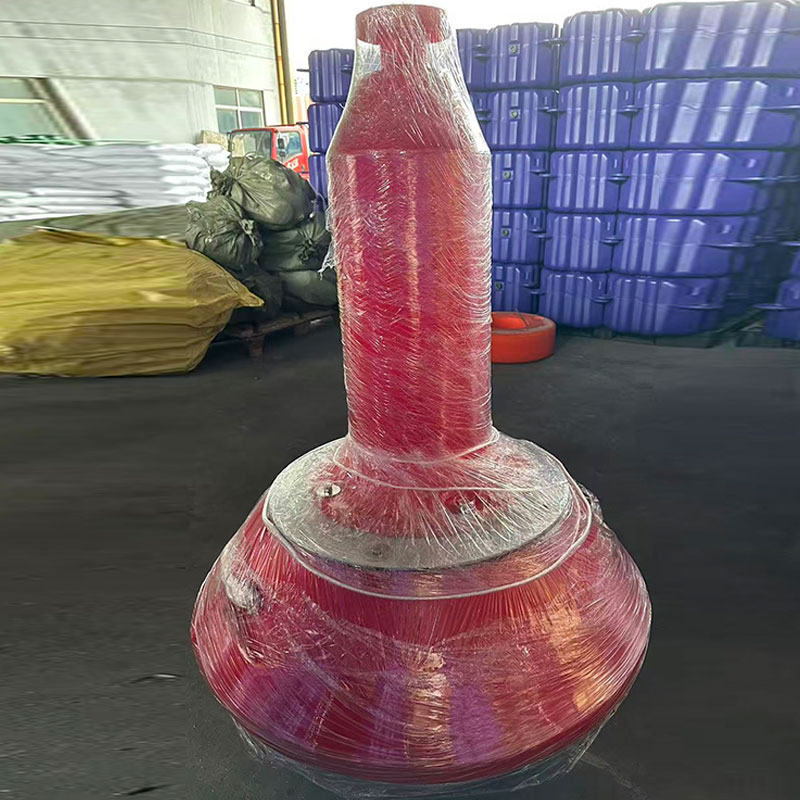
The most common mistake in buoy repair is assuming that standard marine epoxy or polyurethane sealant will bond to a polyethylene hull.
HDPE has a naturally low surface energy (typically around 31-36 dynes/cm). This means standard adhesives will simply peel off under maritime stress. To achieve a permanent, structural repair on rotomolded HDPE buoys, you must alter the material’s surface or use cohesive bonding methods.
Professional Repair Methods for HDPE
| Repair Method | Mechanism | Best Application | Durability |
| Hot-Air Plastic Welding | Melts filler rod and parent material together | Structural cracks, deep gouges | Highest (Permanent) |
| Specialty Structural Adhesives | Uses specific acrylics (e.g., 3M™ Scotch-Weld™ DP8010) | Minor surface cracks, emergency field patches | High |
| Standard Marine Epoxies | Mechanical bond only (Requires Flame Treatment) | Temporary sealing above the waterline | Low to Medium |
Professional Repair Protocols: Rotomolded vs. Inflatable Buoys
It is crucial to separate repair logic based on buoy construction. Attempting to apply “inflation” testing logic to a heavy-duty, closed-cell foam-filled buoy will result in ineffective repairs.
A. Repairing Solid / Foam-Filled PE Buoys (Navigation & Monitoring Buoys)
Heavy-duty buoys, such as those rotomolded by Botai, feature a seamless PE shell and a closed-cell polyurethane (PU) foam core. If the outer shell is breached, the foam prevents sinking, but water ingress must still be halted to prevent marine growth and weight distribution issues.
Step 1: Damage Assessment and Moisture Testing
- Visual & Tap Test: Inspect the hull using a high-lumen flashlight. Tap the hull with a rubber mallet; a dull thud compared to surrounding areas indicates a hollow void or foam degradation.
- Moisture Meter: Use a marine moisture meter around the crack to ensure the internal closed-cell foam hasn’t been compromised by prolonged submersion.
Step 2: Surface Preparation & Flame Treatment
- Clean: Degrease the area using isopropyl alcohol. Do not use petroleum-based solvents as they leave residue.
- Abrade: Sand the area aggressively with 80-grit sandpaper to create a mechanical profile.
- Flame Treatment (If using adhesives): Pass a propane torch quickly over the sanded area (the tip of the blue flame should barely touch the plastic). Do not melt the plastic. This oxidizes the surface, temporarily raising the surface energy to allow specialty adhesives to bond.
Step 3: Hot-Air Extrusion Welding (The Industry Standard)
For permanent structural repairs, welding is mandatory.
- Use a rotary tool with a burr bit to carve a V-groove along the crack.
- Preheat a professional hot-air plastic welder (e.g., Leister) to 260°C – 300°C (500°F – 570°F).
- Feed an HDPE welding rod into the nozzle, applying steady downward pressure along the V-groove.
- Allow the weld to cool naturally at ambient temperature. Do not quench with water, as this causes micro-fracturing.
B. Repairing Inflatable Marker Buoys
Inflatable buoys (typically made of PVC or Hypalon) require entirely different protocols.
- Identification: Determine if the buoy is PVC (requires MEK solvent) or Hypalon (requires Toluene).
- Adhesive: Use a two-part polychloroprene contact adhesive for Hypalon, or a polyurethane adhesive for PVC.
- Curing: Apply pressure via a heavy roller to remove air pockets. A full 24-hour cure at 20°C (68°F) is required before attempting to reinflate to operational PSI.
Buoy Field Testing and Quality Assurance
Never deploy a repaired buoy without validating the integrity of the fix.
- Dye Penetrant Testing: For structural welds on heavy-duty dredging pipe floaters and navigation buoys, apply a UV dye penetrant over the cooled weld. Wipe the surface and use a blacklight to check for microscopic stress fractures.
- Hydrostatic Submersion: Submerge the repaired section in a test tank or shallow harbor water for a minimum of 4 hours. Check for weight fluctuations that would indicate water seeping into the foam core.
Total Cost of Ownership (TCO): Buoy Repair vs. Replacement
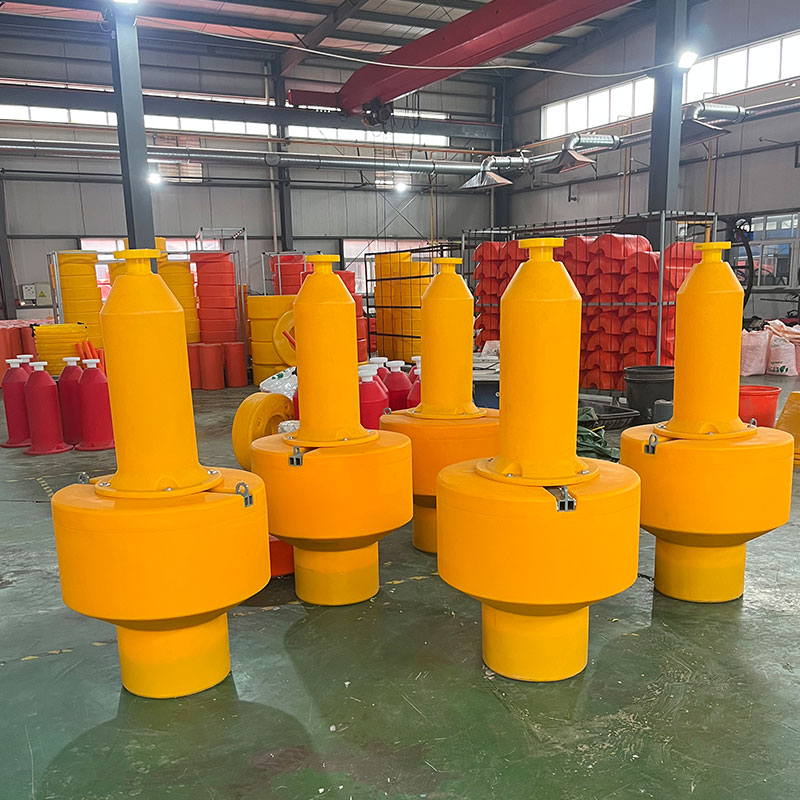
Knowing when to retire a buoy is an essential skill in maritime asset management.
| Condition | Action Required | Economic Rationale |
| Minor surface abrasions / Scratches | Routine Maintenance | Cosmetic; apply UV protectant. |
| Straight-line cracks under 6 inches | Hot-Air Weld | Cost-effective repair extending lifespan by years. |
| Extensive spider-web cracking (UV degradation) | Replace | Plastic has lost structural integrity; welding will fail. |
| Over 30% internal foam waterlogging | Replace | Buoyancy parameters are compromised, risking total loss of the asset. |
Engineering Insight: While a DIY adhesive patch might cost $50, a failed patch at sea can result in lost navigation markers, leading to vessel groundings or steep fines. For extensively damaged equipment, upgrading to modern, 15-year rotomolded buoys with superior impact resistance is often the most financially sound decision.
Frequently Asked Questions on Buoy Repair
How do you fix a cracked HDPE navigation buoy permanently?
The only permanent structural fix for a high-density polyethylene hull is hot-air plastic welding using an HDPE filler rod. Surface adhesives act only as temporary patches.
Can I use standard marine epoxy on polyethylene buoys?
No. Because HDPE has very low surface energy, marine epoxy will mechanically bond at best but will eventually peel under stress. If adhesives must be used, the surface requires aggressive sanding followed by precise flame treatment to allow bonding.
How do I know if my foam-filled buoy is waterlogged?
Perform a tap test with a rubber mallet to listen for dull, hollow thuds. Additionally, use a marine moisture meter around the suspected breach to verify if water has penetrated the closed-cell polyurethane foam core.
When should a heavy-duty buoy be replaced instead of repaired?
A buoy must be replaced when UV degradation causes extensive spider-web cracking (indicating material failure), or when internal waterlogging exceeds 30%, which fundamentally compromises its buoyancy and structural integrity.
Buoy Repair References & Industry Standards
To ensure your maintenance program meets professional safety thresholds, refer to the following standards and official documentation:
- OSHA 1910.268: Safety guidelines for maritime and telecommunications over-water operations.
- ASTM D4976-12a / D4976-21: Standard Specification for Polyethylene Plastics Molding and Extrusion Materials.
- IALA Guideline: The Management of Moorings for Floating Aids to Navigation & Virtual Aids.
For advanced technical specifications on B2B rotomolded maritime solutions, including heavy-duty monitoring buoys and dredge pipe floats, consult the Botai product engineering parameters.