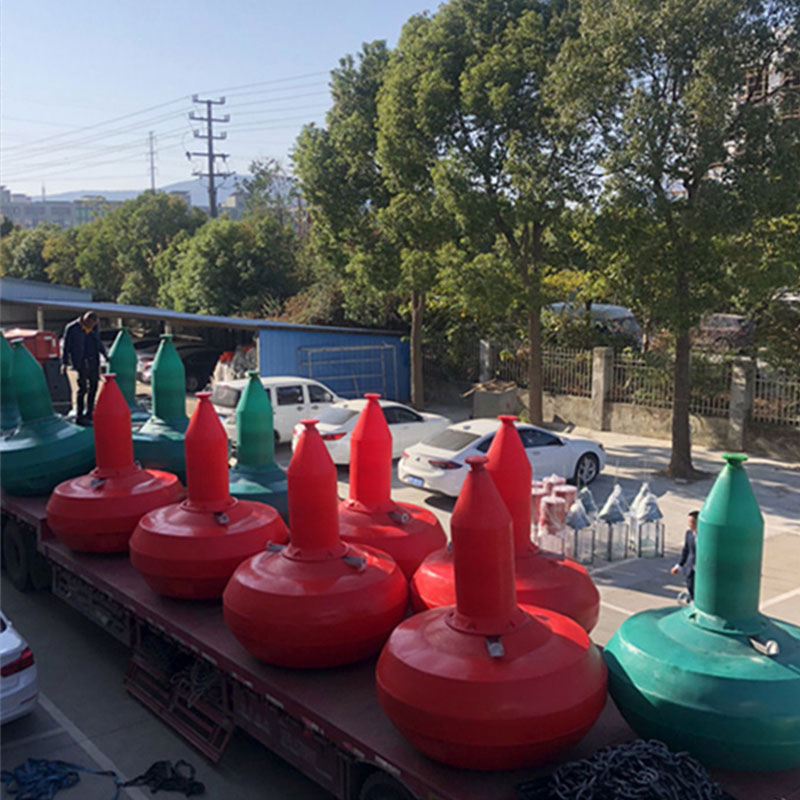
You see a buoy in the water. It is not just something that floats. These markers use shapes, colors, and symbols to help you. They show you where to go, warn you about danger, and help control traffic.
- Navigation buoys help you avoid hazards and obstacles.
- They gather weather data for safety and emergencies.
- Lifebuoys can help save lives during water sports.
Key Takeaways
- Buoys are very important for safe boating. They show boats where to go, warn about dangers, and help manage boat traffic.
- Each buoy type means something special. You should know the colors and shapes to stay safe and not hit anything dangerous.
- Always use nautical charts as your main guide. Use buoys to double-check, and watch out for any buoys that are missing or broken.
Buoy Types and Meanings
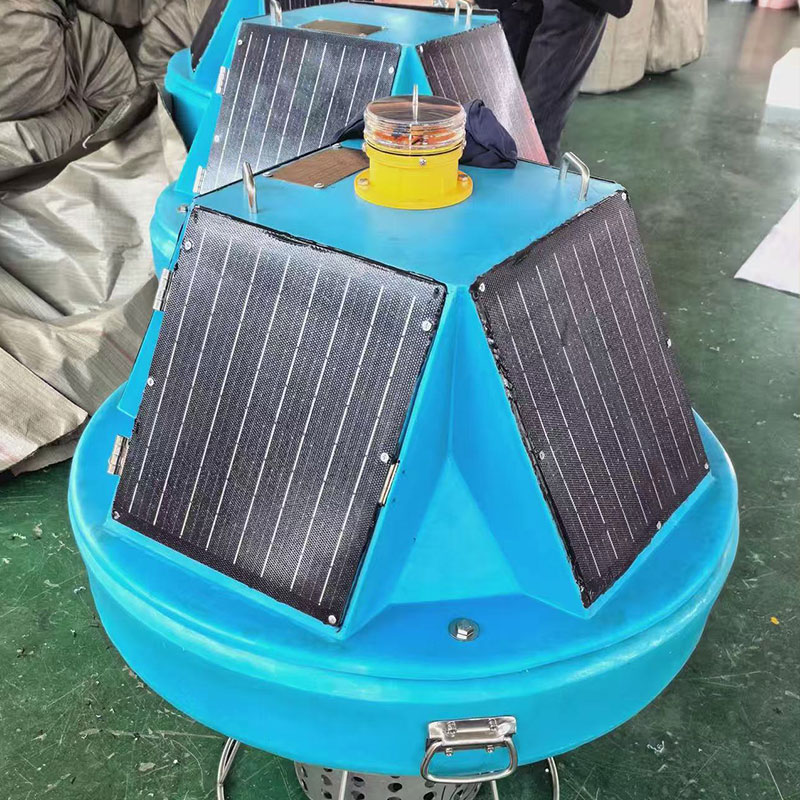
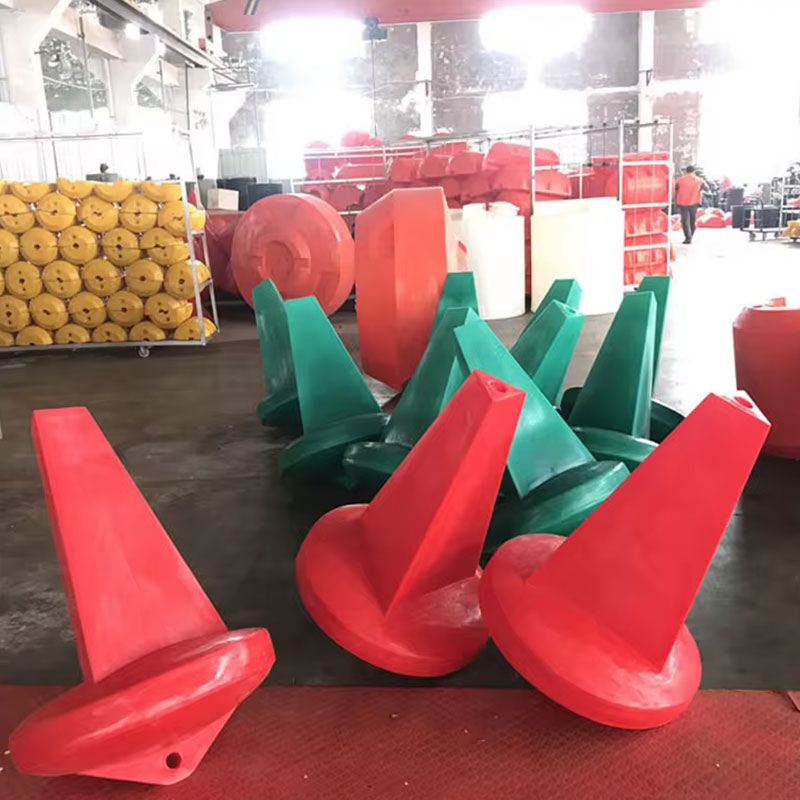
Navigational aids help ships navigate safely. There are many types of navigational aids, each with different appearances and functions. Companies like Bestar produce navigational aids that meet international standards. These aids are clearly visible, durable, and widely used in ports, docks, and rivers.
Lateral and Cardinal Buoys
Lateral and cardinal buoys help you find safe paths. Lateral buoys show the sides of channels. Cardinal buoys tell you where the safest water is near danger.
- Lateral Buoys
- Show channel sides.
- Colors change by region:
- In IALA Region A: Red is left, green is right when you enter a harbor.
- In IALA Region B: Green is left, red is right.
- Shapes and numbers help you pick the right side.
- Cardinal Buoys
- Show safe water near hazards.
- They are black and yellow.
- The top marks point north, south, east, or west.
Tip: Always know your boating region. Lateral buoy colors and sides change by region.
Here is a table with main navigation buoy types and what they do:
| Type of Buoy | Primary Function |
|---|---|
| Lateral Buoys | Show the sides of safe channels. |
| Cardinal Buoys | Show where safe water is near danger. |
| Isolated Danger Buoys | Mark hazards with safe water all around. |
| Safe Water Marks | Show there is safe water all around the buoy. |
| Special Marks | Show special places not mainly for navigation. |
| Emergency Wreck Marking Buoys | Mark new wrecks that are not on maps yet. |
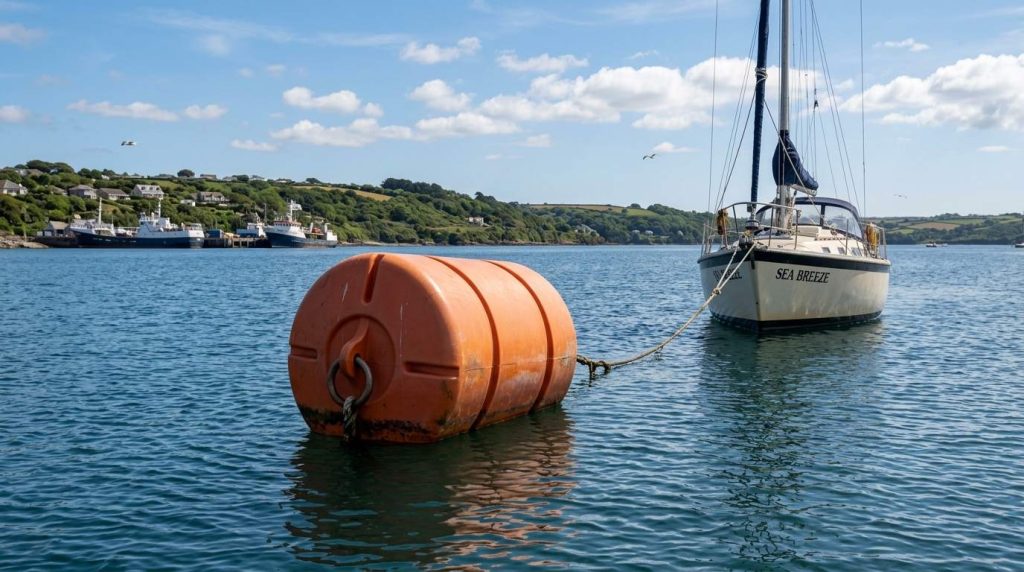
| Mooring Buoys | Give boats a place to tie up without using an anchor. |
| Anchorage Buoys | Show where boats can anchor. |
| Regulatory and Informational Buoys | Give rules and warnings in lakes and rivers. |
Baitai makes navigation buoys that follow IALA rules. These buoys help you stay safe and are easy to see in any weather.
Special and Hazard Buoys
Special buoys and danger buoys are used to warn of dangerous and enclosed areas. To ensure safety, you need to know their colors and symbols.
- Hazard Buoy
- White with orange diamond and two orange bands.
- Shows dangers like rocks or shallow spots.
- Control Buoy
- White with orange circle and two orange bands.
- Shows areas with rules, like speed limits.
- Keep-Out Buoy
- White with orange diamond and cross, plus two orange bands.
- Tells you not to enter certain places.
- Cautionary Buoy
- Yellow color.
- Warns about dangers like pipes or firing ranges.
Here is a table with hazard and special buoy symbols and colors:
| Buoy Type | Color | Symbol Description |
|---|---|---|
| Hazard Buoy | White | Orange diamond with two orange bands, and a black symbol for the hazard. |
| Control Buoy | White | Orange circle with two orange bands, and a black symbol for the rule. |
| Keep-Out Buoy | White | Orange diamond with a cross inside, and two orange bands. |
| Cautionary Buoy | Yellow | Shows dangers with yellow color, like firing ranges or underwater things. |
Note: Special buoys can mark military zones, races, or wrecks. Emergency wreck buoys have blue and yellow stripes.
Buoy Colors and Numbers
The color and number of buoys can help you find safe routes and avoid danger. You must pay attention to these details when sailing.
| Region | Lateral Buoy Color | Description |
|---|---|---|
| IALA A | Red on left, Green on right | Used in Europe, Africa, Australia, and most of Asia. |
| IALA B | Green on left, Red on right | Used in the Americas, Japan, Korea, and the Philippines. |
| Buoy Color | Numbering | Indicates Side of Channel |
|---|---|---|
| Red | Even | Starboard (right) |
| Green | Odd | Port (left) |
- Lateral marks use green and red to guide you.
- Odd and even numbers show which side is safe.
- Cardinal marks use black and yellow for safe water directions.
Tip: Navigation buoys often have lights for bad weather or night. Companies like Baitai make buoys with bright colors and solar lights so you can see them easily.
You need to regularly inspect and clean the buoys. Ensure the lights are working properly and fix any problems. This helps ensure the safety of the waterway. Baitai’s buoys are robust and durable, requiring virtually no maintenance. This helps ports save costs and ensure safety.
Buoy Rules and Safety

Approaching Buoys
When approaching a buoy, always reduce speed and exercise close attention. Always use the chart as your primary reference. Treat buoys as confirmation information, not the sole reference. If you detect an unusual buoy position, trust the chart and use other tools to confirm your location. Never assume that the waters are safe just because you cannot see a buoy. Proceed slowly and remain vigilant for danger. Conspicuous, highly visible buoys help identify channel markers and danger zones, especially in busy or poorly lit waters. Many ports choose durable, custom-made buoys to improve safety and reduce maintenance costs.
Responding to Diver Flags
You must know what diver flags look like and what to do when you see them:
- The Diver Down Flag is red with a white diagonal stripe. It means a diver is in the water.
- The International Code Flag Alpha is blue and white. It also signals divers below.
- When you see these flags, keep at least 300 feet away in open water and 100 feet in narrow channels.
- Slow down, change course, and watch for bubbles on the surface.
Tip: Always reduce speed and stay alert near diving areas to protect everyone in the water.
Essential Safety Tips
Follow these top safety tips for safe navigation:
- Use charts as your main reference, not just buoys.
- Slow down if a buoy is missing or out of place.
- Learn light signals and horn sounds for nighttime travel.
- Report any buoy problems to the Coast Guard.
- Take a boating safety course. Training helps prevent accidents and teaches you the rules.
Choosing high-visibility buoys can reduce accident rates by up to 25%. Stay informed and plan your route before you leave the dock.
Following buoy rules helps ensure the safety of others. Always pay attention to and remember the meaning of the buoys. Accidents often occur when crew members are unaware of the rules. In Minnesota, the number of accidents has decreased as more people have learned the rules. Choose navigation equipment from reputable, trustworthy companies. Understanding and following the rules will make sailing more enjoyable.
FAQ
What should you do if a buoy is missing or damaged?
If you see a buoy that is missing or broken, tell the local Coast Guard or waterway authority. This helps keep everyone safe when they are traveling on the water.
How can you recognize a high-quality navigation buoy?
Check if the buoy is made by a trusted company. Good buoys use strong materials and have bright colors. Some have special features. Buying in bulk or getting custom buoys can make them easier to see and last longer.
Why do buoys have numbers and colors?
- Numbers and colors help you find safe paths.
- Red and green show which side to use.
- Odd and even numbers tell you which way to go.
- You stay safe when you follow these signs.