A floating dock stays securely in place using highly specified systems of anchors, chains, pilings, or cables, selected based on water depth, bottom type, and local conditions to ensure stability. Securing a marine structure is a rigorous hydrodynamic challenge that requires counteracting kinetic energy—specifically wind shear, wave drag, and tidal displacement. Standard marine engineering protocols deploy pipe and collar anchoring in shallow basins, stiff arm anchoring where water levels fluctuate dynamically, and winch and cable anchoring in deep-water environments.
Key Takeaways for Floating Dock Stability
- Quantitative Load Engineering: Anchor capacities and tensile chain limits must be calculated against maximum historical wind velocities and peak hydrodynamic drag to prevent structural failure.
- Site-Specific Restraint Systems: Choose your anchoring system based on water depth and dock size to ensure structural safety and maximum longevity for your floating dock.
- Safety Factor (SF) Implementation: Marine engineering dictates a minimum Safety Factor of 2.5 to 3.0 for all mooring hardware to account for storm surges, material fatigue, and structural live loads.
- Adaptability: Use anchors and chains to keep your floating dock stable, and adjust chain lengths to accurately allow movement with changing water levels.
Core Floating Dock Holding Methods
Catenary Anchors and Chains
The deadweight anchor and chain system remains a standard engineered solution for lakes, rivers, and calm coastal spots. This method utilizes horizontal tension and the “catenary curve” principle: heavy chains are run diagonally from the structural frame to anchors positioned on the basin bottom. Each chain pulls against the others, which keeps the dock in the middle and stops it from spinning.
The effectiveness of this system relies heavily on the scope ratio (the ratio of deployed chain length to maximum water depth). A standard marine scope ranges from 3:1 to 5:1. It is important to adjust the chain length so it stops the chains from being too tight and lets the dock move when the water goes up or down.
Engineering Note on Buoyancy Loss: People often use concrete blocks as anchors. However, concrete loses approximately 45% of its effective weight when submerged. A standard block weighing 700 lbs. dry will only yield roughly 385 lbs. of actual holding force underwater.
Standard Mooring Hardware Specifications:
| Component Material | Engineering Specification |
| Stainless Steel Anchorage Ring | Marine-grade connection point that lets you attach a chain from the anchor to the dock, exceptionally good for salt water applications. |
| Grade 30 Anchoring Chain | Made of 5/16 inch galvanized steel, engineered to be strong for holding floating docks. |
| Dead Weight Anchors | Pre-cast reinforced blocks that come in 292 lbs., 439 lbs., and 700 lbs. for extra targeted holding strength. |
Structural Pilings and Guide Sleeves
For tidal coastal zones or commercial environments where lateral deflection must be restricted to rigid tolerances, pilings and sleeves offer an optimal structural holding method. Pilings are hydro-driven deeply into the firm bottom of the lake or river. The floating platform is then mated to these columns using heavy-duty external or internal sleeves.
This system effectively neutralizes horizontal swaying, twisting, or floating away, while smoothly letting the dock move up and down when the water changes.
Piling Material Deflection Limits:
| Piling Material | Optimal Marine Environment | Engineering Profile |
| Composite Pilings | Saltwater | Stays structurally strong in UV sun, lasts long, and requires easy care without chemical leaching. |
| Pole & Sleeve Systems | High winds and big waves | Keeps the dock completely steady laterally but safely lets it move up and down vertically. |
Guide sleeves must be fabricated with specific diametric clearances (typically 1.0 to 1.5 inches of play) to prevent mechanical binding during rapid tidal surges or asymmetrical deck loading. Because there are no chains or cables in the water, it is structurally safer for swimmers, and the dock looks neat and tidy.
Tensioned Cable and Concrete Anchors
In deep-water environments or fast-moving water scenarios like hydro-dams, rigid pilings become structurally unviable. Cable and concrete anchors effectively help keep floating docks steady in these scenarios.
Cable anchoring systems use strong cables to rigidly connect the dock to the shore or the bottom. Concrete anchors, also definitively called deadweight anchors, are made from heavy things like concrete or steel and sit firmly on the bottom of the water. Their immense weight and the dynamic pull from the cables keep the dock securely in place.
To install these systems, engineers specify galvanized chain, marine-grade rope or cable, concrete anchor blocks, and auger anchors for shallow water zones.
Hydrodynamic Force Calculations for Floating Dock Systems
To move beyond estimates, marine designers must calculate the total lateral force exerted on the structure. The primary variables are wind pressure and wave drag.
Wind Load Methodology (Reference format based on ASCE 7-22 Standards):
- Calculate Wind Pressure (P): P = 0.00256 * V^2 * Cd(Where V is design wind speed in mph, and Cd is the drag coefficient, typically 1.2 for flat vertical profiles).
- Calculate Total Force (F): F = P * A(Where A is the projected surface area of the exposed dock and moored vessels in square feet).
If a system experiences 2,000 lbs. of calculated lateral wind force, applying a 3.0 Safety Factor requires the holding system (anchors, chains, and cleats) to be rated for a minimum unified yield strength of 6,000 lbs.
Site Evaluation for Floating Dock Mooring Selection
Before deploying hardware, a comprehensive hydrographic and geotechnical site survey is required. Water depth and the geological composition of the bottom surface directly dictate the holding methodology.
| Dock Structural Type | Optimal Geotechnical Bottom Surface |
| Piling Docks | Firm penetrable bottom, highly suitable for larger commercial boats. |
| Removable Docks | Soft or deep bottoms, easily adaptable to complex geology. |
| Floating Docks | Highly optimal for soft or mucky bottoms and massive deep waters. |
Botai Floating Dock Engineering Specifications
The structural integrity of the holding system is compromised if the dock itself cannot withstand the localized stress points generated by heavy mooring hardware.
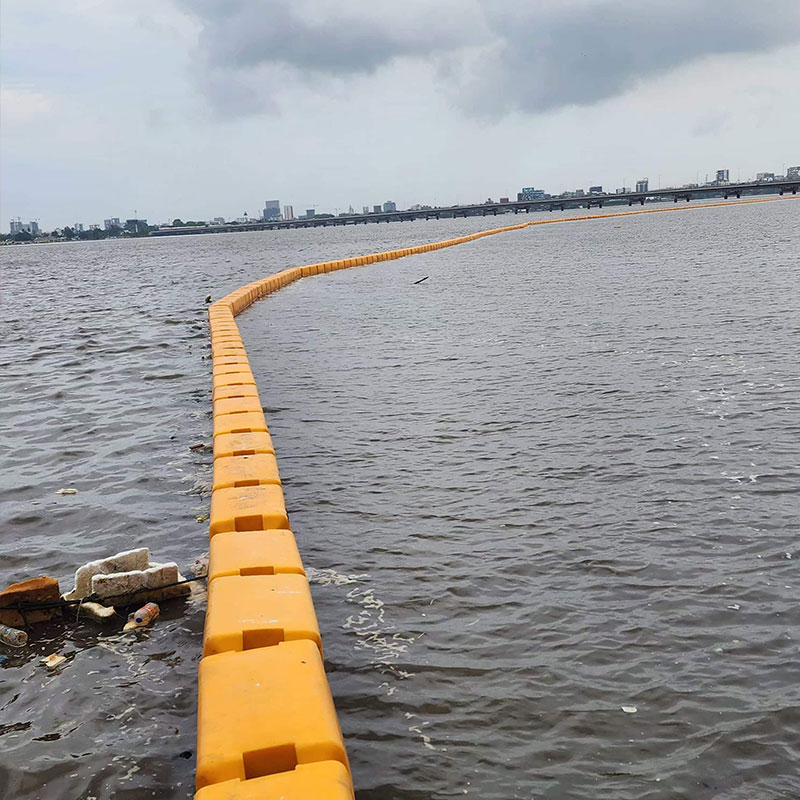
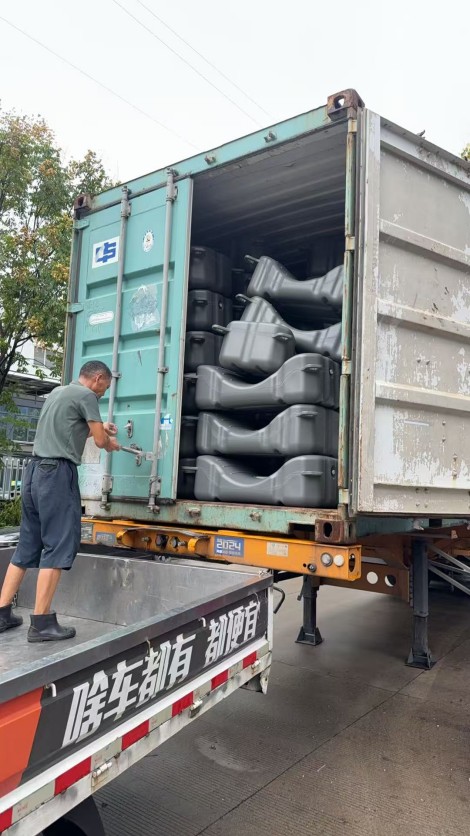
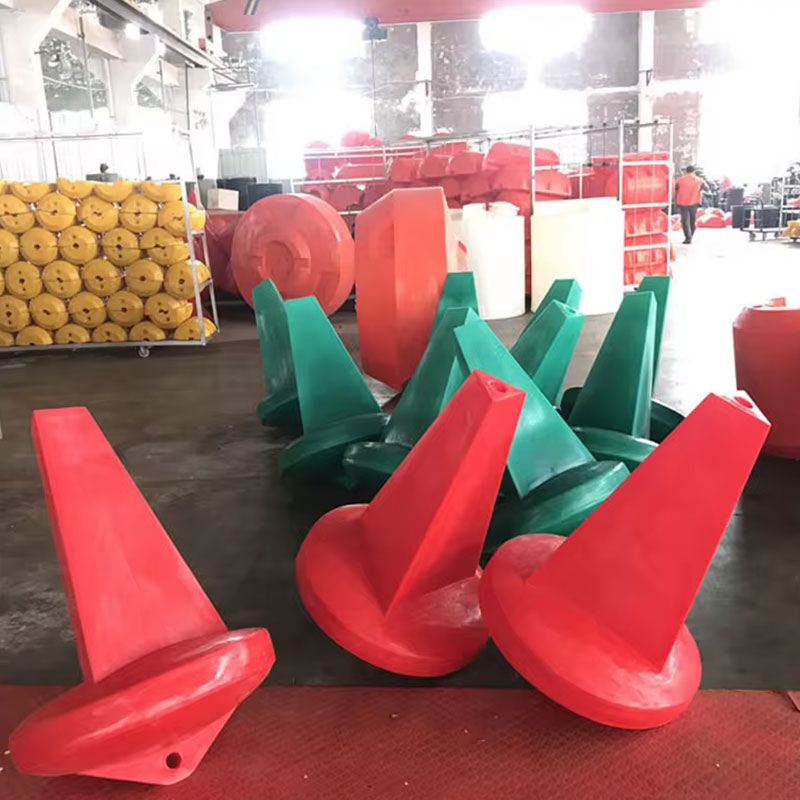
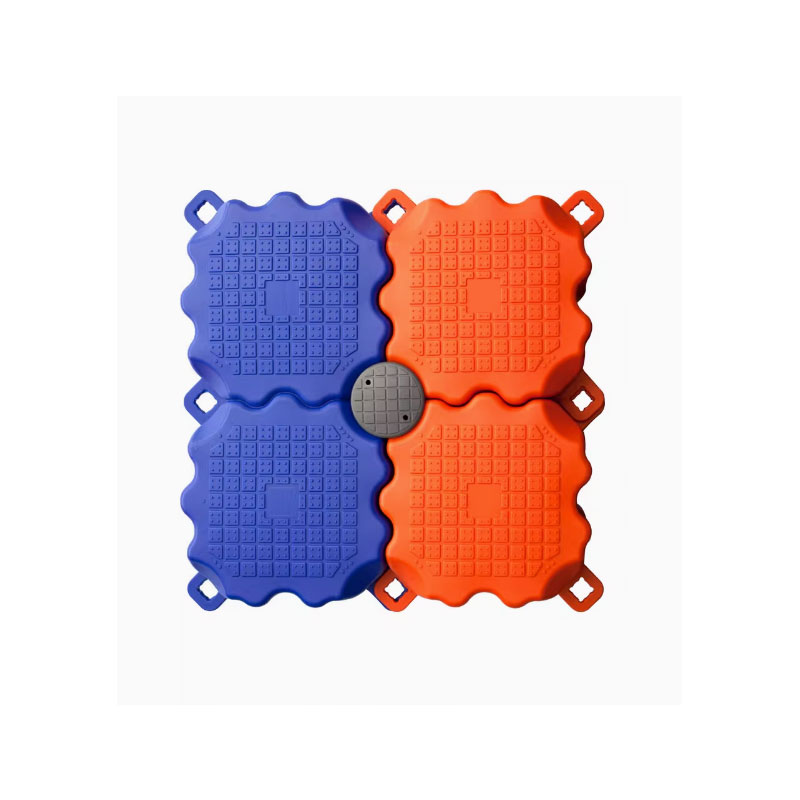
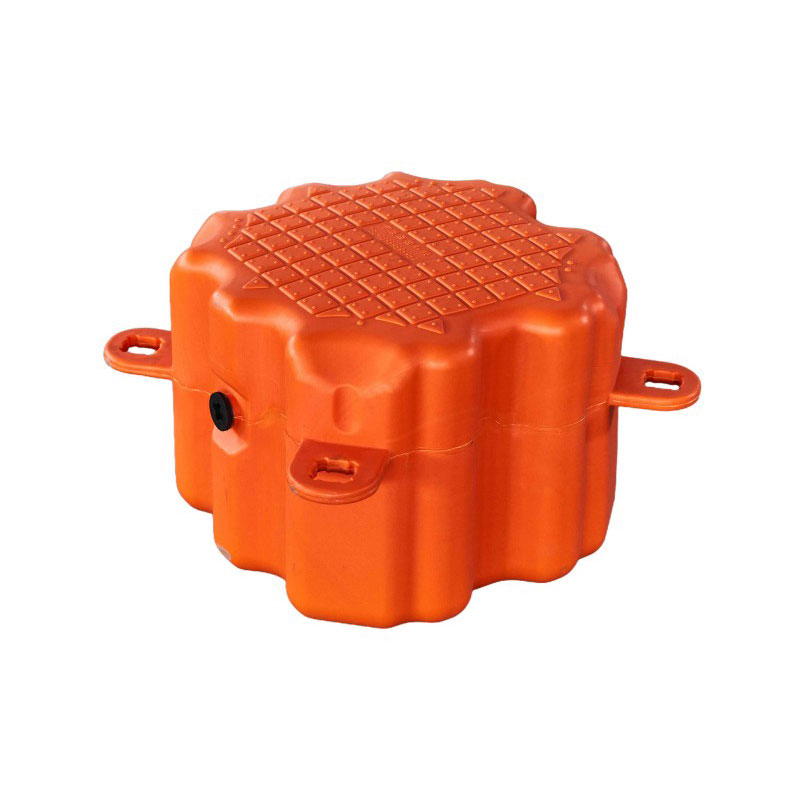
Operating as a premier B2B manufacturer backed by 15 years of heavy-industrial rotomolding experience, Botai engineers marine infrastructure specifically designed to absorb massive dynamic loads. Utilizing virgin Linear Low-Density Polyethylene (LLDPE), our rotomolding process yields industrial-grade modular floating dock systems, heavy-duty dredging pipe floaters, navigation buoys, and water quality monitoring buoys.
Verified B2B Technical Specifications:
| Engineering Metric | Verified Performance Standard |
| High-load Buoyancy | Safely holds up to a massive 350 kg/㎡ for each rotomolded structural cube. |
| Polyethylene Build | Exceptionally strong LLDPE that stands up to intense sun and corrosive chemicals. |
| Global Certifications | Strictly manufactured under ISO9001:2015 quality standard and IALA marine safety guidelines. |
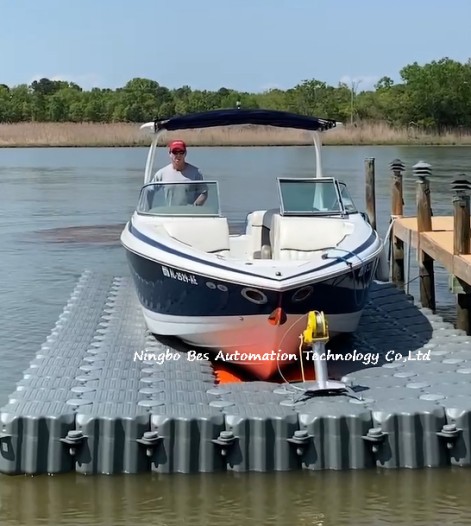
Botai modular designs let you make robust custom shapes for many different severe marine places. The molded surface is structurally anti-slip, making it safer for everyone operating on deck.
Floating Dock FAQ
How do you properly choose the right anchoring system for your floating dock?
You must execute a structural load calculation by thinking about how deep the water is, what the bottom is made of, and how big your dock is. Botai can expertly make special engineered systems suited for different extreme places and specific commercial B2B needs.
Can Botai floating dock systems handle strong currents or extreme changing water levels?
Yes. The modular LLDPE design distributes hydrodynamic loads uniformly, offering massive stability, supreme adaptability, and heavy-duty use capabilities.
Do you manufacture hose floats as part of your marine product line?
No. We focus entirely on rigid, heavy-industrial structural floats. While we manufacture modular dock systems, dredge pipe floats, and marine monitoring buoys, we purposefully do not produce or supply flexible hose floats.
What scheduled maintenance does a professional floating dock anchoring system require?
Operators must strictly check chains, steel cables, and heavy anchors very often. It is imperative to instantly change any load-bearing parts that visually look old or structurally broken. The Botai dock modules intrinsically do not need much physical surface care because they securely use highly strong polymer materials.
Engineering Disclaimer: The hydrographic parameters, load methodologies, and technical specifications outlined in this document serve as a professional B2B reference guide. Mooring installations are subjected to extreme dynamic forces and must be verified by a licensed marine structural engineer in strict accordance with local environmental regulations, the Unified Facilities Criteria (UFC), or the American Boat and Yacht Council (ABYC) marine construction standards.