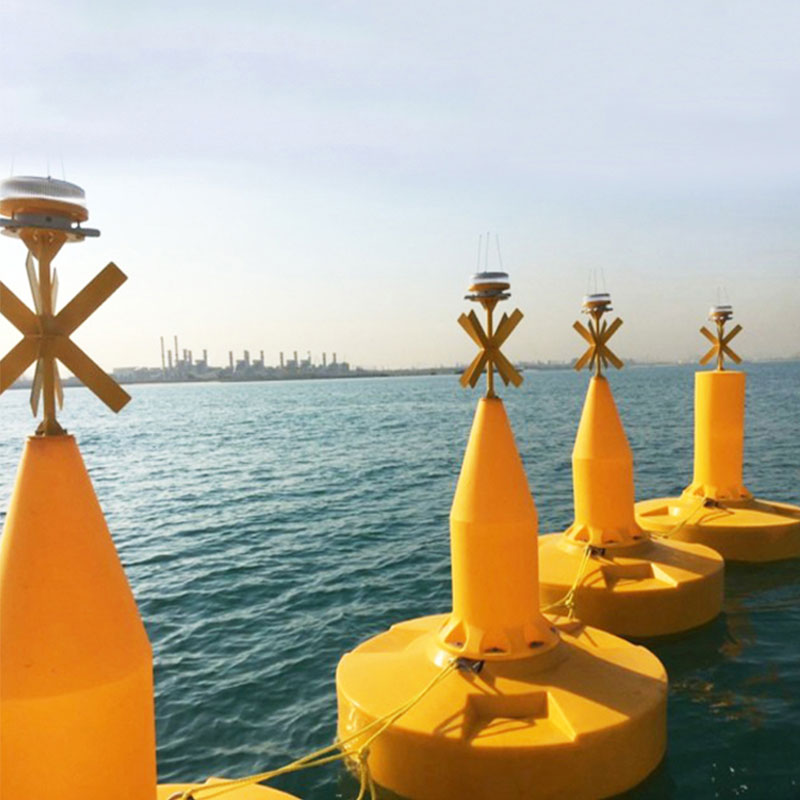
A buoy is a floating marker or device, while a mooring is a complete anchored system designed to hold a boat in place. The two terms are often confused because they frequently appear together in the phrase “mooring buoy” — a single term that blends both concepts into one visible object.
The core distinction is simple: a buoy floats and signals; a mooring anchors and secures. A mooring buoy is only the visible floating part of a full mooring system, not the entire system itself. Understanding the difference helps boaters, marina operators and waterfront managers choose the right equipment and use correct terminology for any on-water scenario.
Key Takeaways
- A buoy is a floating object used to mark channels, warn of hazards, or carry sensors.
- A mooring is a complete anchored system that holds a vessel in place, including seabed anchor, riser chain, and pickup point.
- A mooring buoy is the visible floating component of a mooring system, not the full system.
- Mooring buoys reduce seabed damage from anchor chain drag, making them more eco-friendly than traditional anchoring.
- Knowing the difference ensures you use the right gear and correct terminology for on-water operations.
What Is a Buoy?
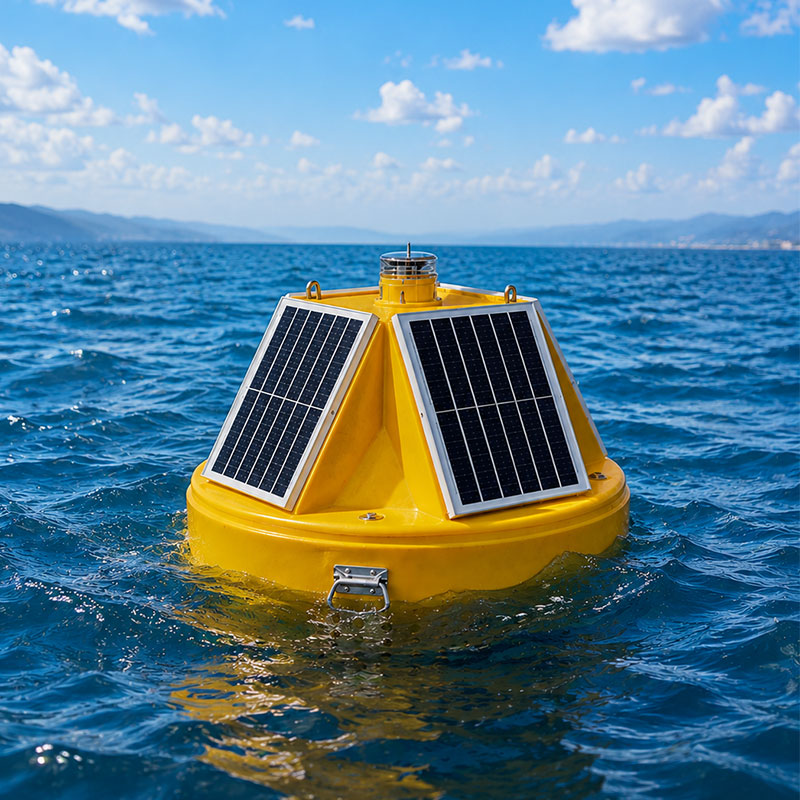
A buoy is a floating object placed in the water to mark, guide, or support something. It does not hold boats in place on its own — it simply stays on station and communicates information to passing vessels.
Core Functions & Common Types
Buoys are built for specific jobs, and their design matches their purpose:
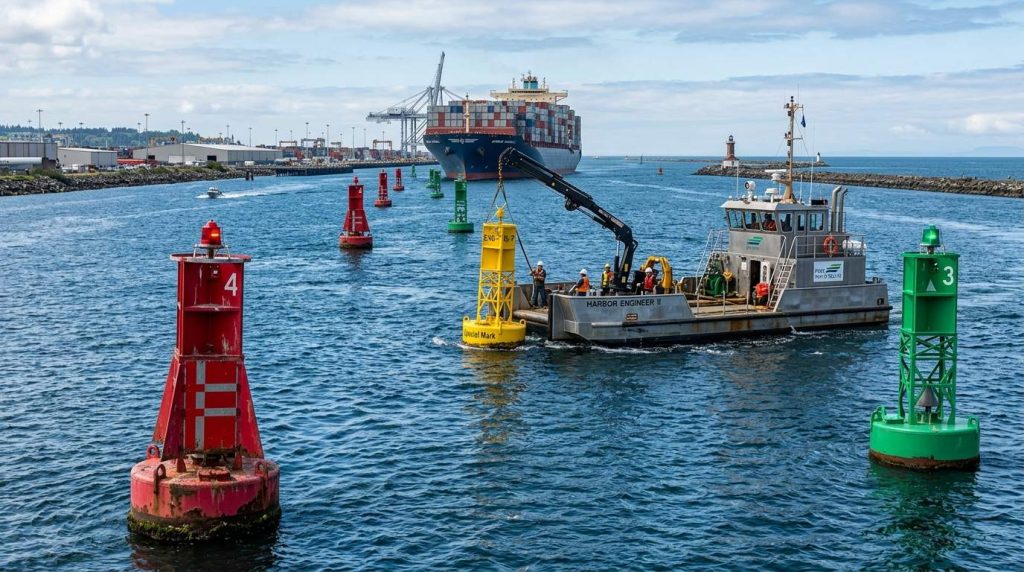
- Navigation buoys: The largest category, following standard color and shape conventions to mark channel edges, hazards, and safe waterways.
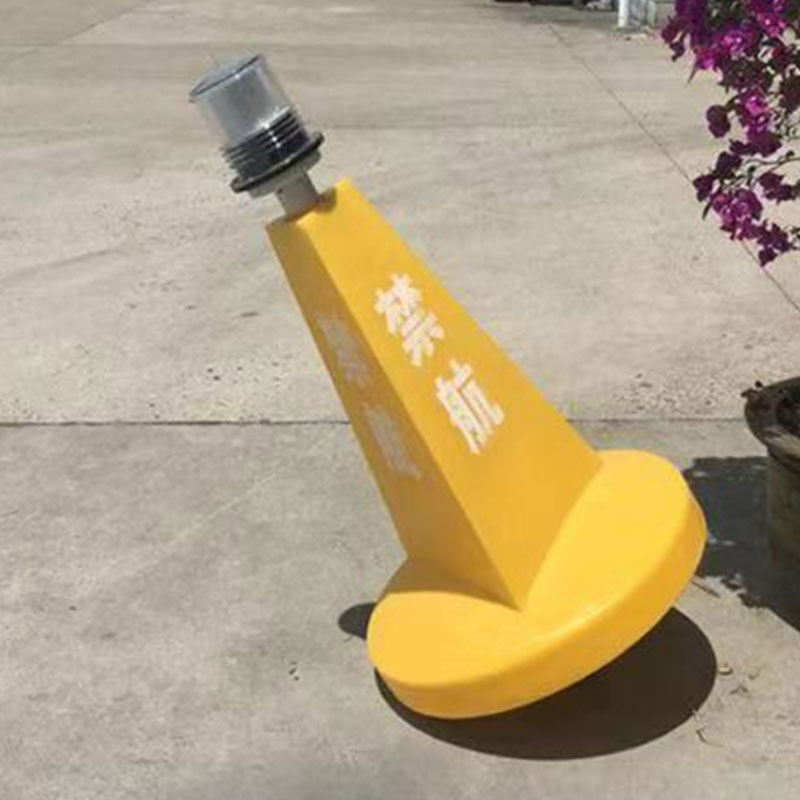
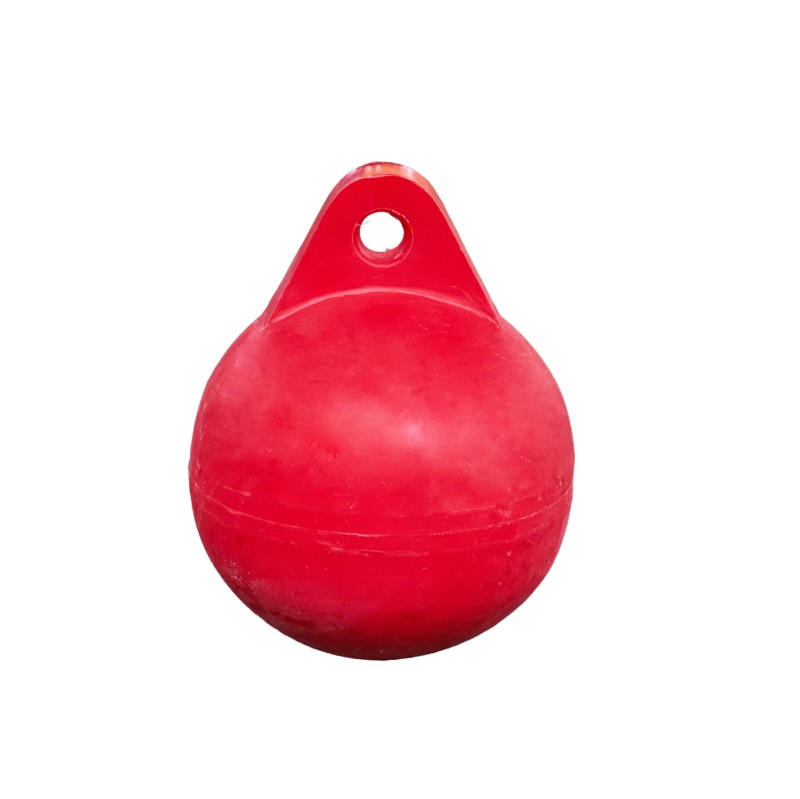
- Marker buoys: Smaller units for swim zones, fishing gear, race courses, or temporary site marking.
- Data buoys: Outfitted with sensors to collect weather, wave, or water quality data and transmit readings to shore.
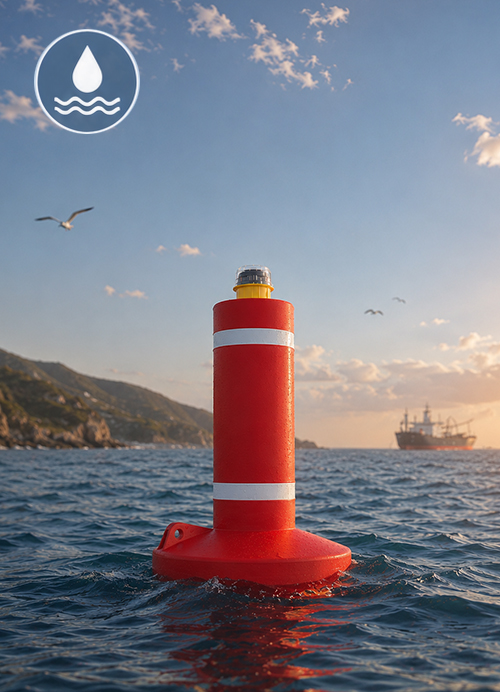
- Mooring buoys: Reinforced buoys designed to be the pickup point for a mooring system (covered in detail below).
All buoys share basic components: a floating hull, a high-visibility color scheme, and a tether or anchor point to keep them on station.
What Is a Mooring?
A mooring is a complete anchored system that holds a boat or ship fixed in one position on the water. It is not a single floating object — it is an assembly of parts working together.
Components of a Full Mooring System
A standard mooring includes four parts:
- Seabed anchor: Heavy concrete block, helix anchor, or manta ray anchor that grips the seafloor.
- Riser chain/rope: Connects the anchor to the surface buoy, absorbing tension from wind, tide and swell.
- Mooring buoy: The visible floating pickup point at the surface.
- Connection hardware: Shackles, swivels and reinforced eyes to transfer load between components.
In everyday use, “mooring” often refers to tying a boat to a mooring buoy in open water instead of dropping your own anchor. This saves time and protects the seabed from repeated anchor drops.
Buoy vs. Mooring: Core Differences Side by Side
| Aspect | Buoy | Mooring System |
|---|---|---|
| Primary function | Marks, signals, or supports equipment | Secures vessels in a fixed position |
| Structure | Single floating object with simple tether | Full multi-part system: anchor, riser, hardware, and buoy |
| Load capacity | Not engineered to hold large vessels long-term | Designed to handle continuous pulling forces from wind, waves and hulls |
| Use cases | Navigation marking, hazard warning, data collection | Permanent anchorage zones, harbor mooring fields, offshore loading |
The rule of thumb: if it warns, guides, or carries a sensor, it is a buoy. If it holds a boat in place through wind and tide, it is part of a mooring system.
Mooring Buoy vs. Regular Buoy
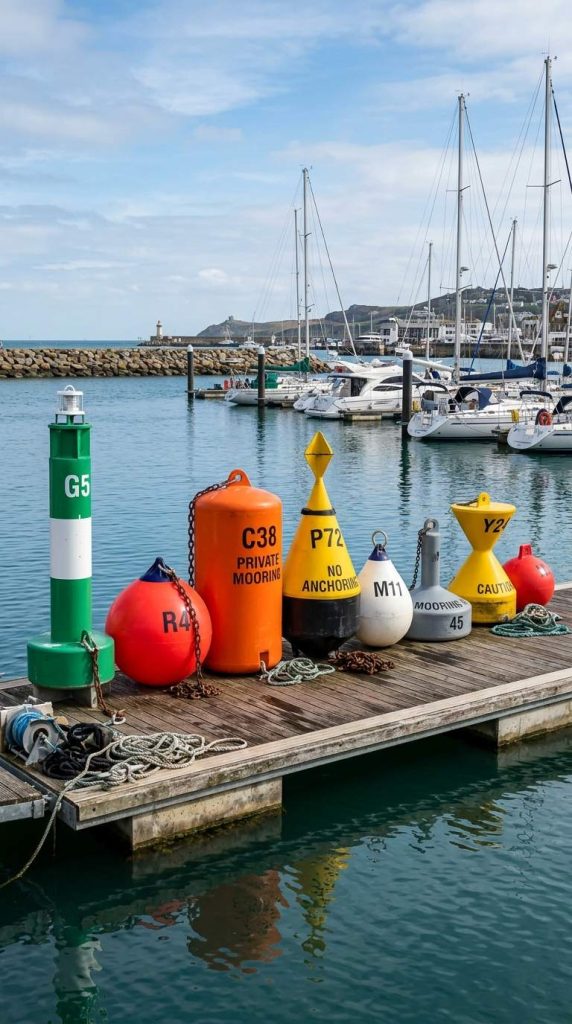
This is the most common point of confusion. A mooring buoy is one specific type of buoy — and it is also one component of a mooring system.
| Aspect | Regular Buoy | Mooring Buoy |
|---|---|---|
| Main purpose | Mark hazards, channels or carry sensors | Serve as the pickup point for vessel tie-up |
| Build strength | Light construction for visibility only | Reinforced with central steel column for heavy load transfer |
| Load rating | Not rated for vessel tie-up | Engineered for continuous pulling forces from boats and waves |
| Relationship to mooring | Not part of a mooring system | Both a type of buoy and part of a mooring system |
Industrial Mooring Buoy Specifications
Heavy-duty mooring buoys are built to strict marine standards. For example, Botai Marine mooring buoys meet ISO 9001, ISO 14001, ISO 45001 and IALA requirements, with:
- UV-stabilized LLDPE shell (≥16 MPa tensile strength, Shore D55 hardness)
- Closed-cell polyurethane foam core (40–45 kg/m³, ≤1% water absorption) for unsinkable buoyancy even if the shell is damaged
- Galvanized steel central mooring eye to transfer full load through the core
- Multiple form factors: cylindrical/barrel for maximum buoyancy, spherical/ring for low wave drag, pole/mast for high visibility
FAQ
Is a mooring buoy the same as a mooring?
No. A mooring buoy is only the visible floating part of a mooring system. The full mooring includes the seabed anchor, riser chain/rope, and all connecting hardware below the surface.
Can you tie a boat to a regular buoy?
No. Regular navigation or marker buoys are not built to hold vessel loads. Only buoys specifically engineered as mooring buoys have the reinforced hardware and anchor system to safely hold a boat through wind and tide.
What is the difference between docking and mooring?
Docking means tying a boat to a fixed pier or marina structure, with protection from wind and waves. Mooring means tying to an anchored buoy in open water, with no shore structure involved.
What keeps a mooring buoy from sinking if it cracks?
High-quality mooring buoys are filled with closed-cell polyurethane foam. Even if the outer shell is punctured, the sealed foam cells cannot flood, so the unit stays afloat and functional.
Are mooring buoys better for the environment than anchoring?
Yes. They prevent anchor and chain drag that damages seagrass, coral and sensitive seabed habitats. Conservation moorings are widely used in marine protected areas to reduce visitor impact.