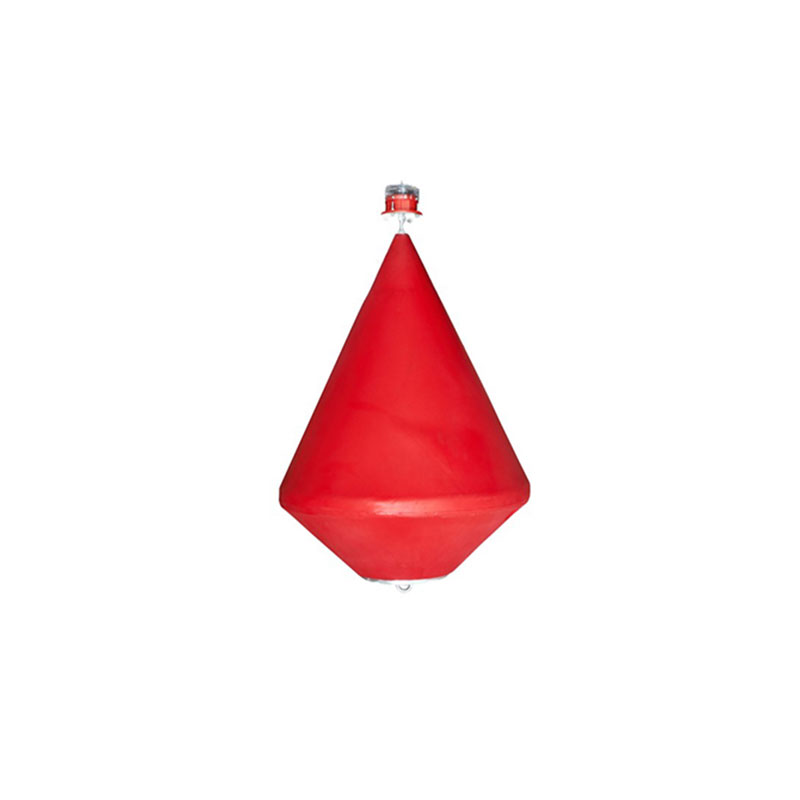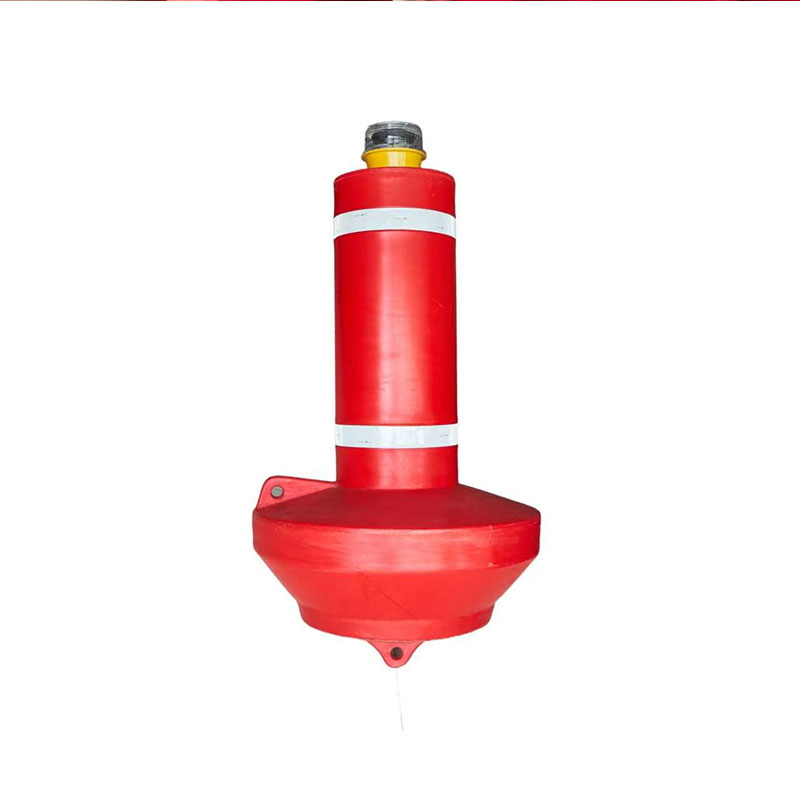

For boaters in IALA Region B (the Americas, Japan, South Korea, Philippines), the core rule is simple: keep red buoys on your starboard (right) side when returning from open water to inland harbors, bays, or upstream waterways — the classic “red right returning” mnemonic. Reverse the pattern when heading out to sea.
Direction of travel is everything; guessing wrong can put you aground on shoals or submerged hazards. This guide breaks down the rule, exceptions, buoy types, and global differences to help you navigate channels safely and confidently.
Key Takeaways
- “Red right returning” means keep red buoys on your starboard (right) and green on your port (left) when heading inland from open water.
- Port = left side of the boat when facing forward; starboard = right side. These terms never change, regardless of which way you are facing.
- Junction buoys with red and green bands use the top color to mark the preferred channel.
- Non-lateral marks like safe water buoys do not follow the red-right rule — identify them by their unique pattern.
- Always confirm your direction of travel and reference a nautical chart, as the rule reverses when heading outbound, and some waterways have special systems.
The Core Rule: Red Right Returning
What “returning” actually means
“Returning” describes travel from open water toward inland: from ocean → bay → harbor → upstream river. This is the default context for the mnemonic.
- When returning (inbound/upstream): Keep red (starboard-hand) buoys on your right, green (port-hand) buoys on your left.
- When heading outbound (downstream/toward open water): Reverse the pattern entirely — red moves to your port side, green to starboard.
Port vs. Starboard 101
These fixed nautical terms eliminate the confusion of “left/right”, which shifts based on which way a person faces.
- Port: left side when facing the bow (front of the boat)
- Starboard: right side when facing the bow
Quick memory aid: port and left both have 4 letters. Vessels also use red navigation lights on the port side and green on starboard, matching the buoy color system for consistent, intuitive navigation.
Bonus verification: buoy numbering
For a second layer of confidence, use the standard numbered marking system:
- Red buoys = even numbers
- Green buoys = odd numbers
Numbers always increase as you head inland/upstream. If the numbers are climbing, you are traveling in the return direction, and the red-right rule applies.
Global Buoyage Systems: IALA Region A vs. B
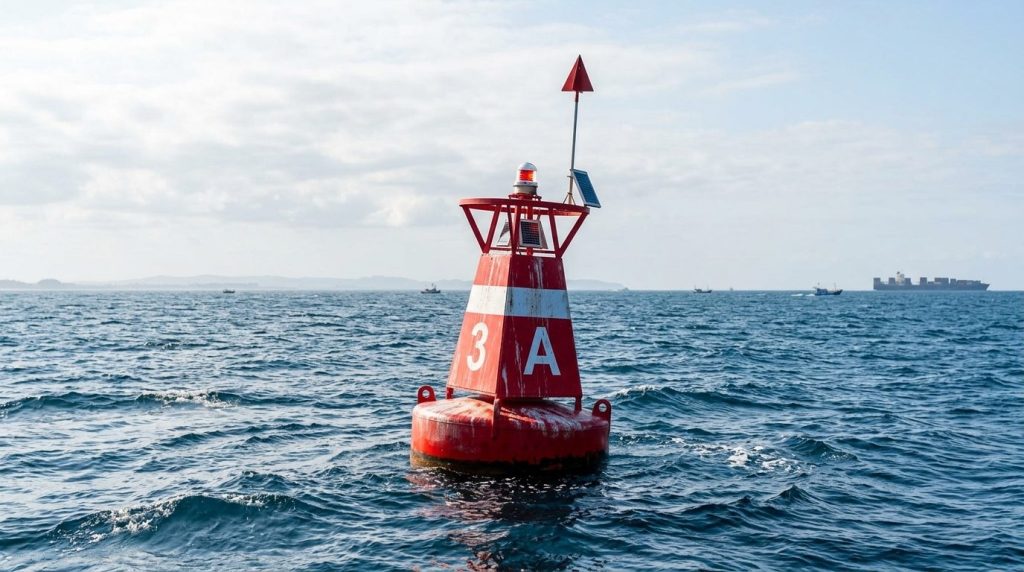
The red right returning rule is not universal. The International Association of Marine Aids to Navigation and Lighthouse Authorities (IALA) divides the world into two lateral buoyage regions:
- IALA Region B: North/South America, Japan, South Korea, Philippines → red marks the starboard side of the channel on entry
- IALA Region A: Europe, Africa, most of Asia, Australia → colors are reversed: green marks the starboard side on entry, red marks the port side
Critical note for cruising boaters: always confirm the local buoyage system before entering foreign waters. Assuming the red-right rule abroad is a common and dangerous navigation mistake, even in nearby Caribbean territories.
Buoy Types and How to Pass Them
Standard Lateral Channel Markers
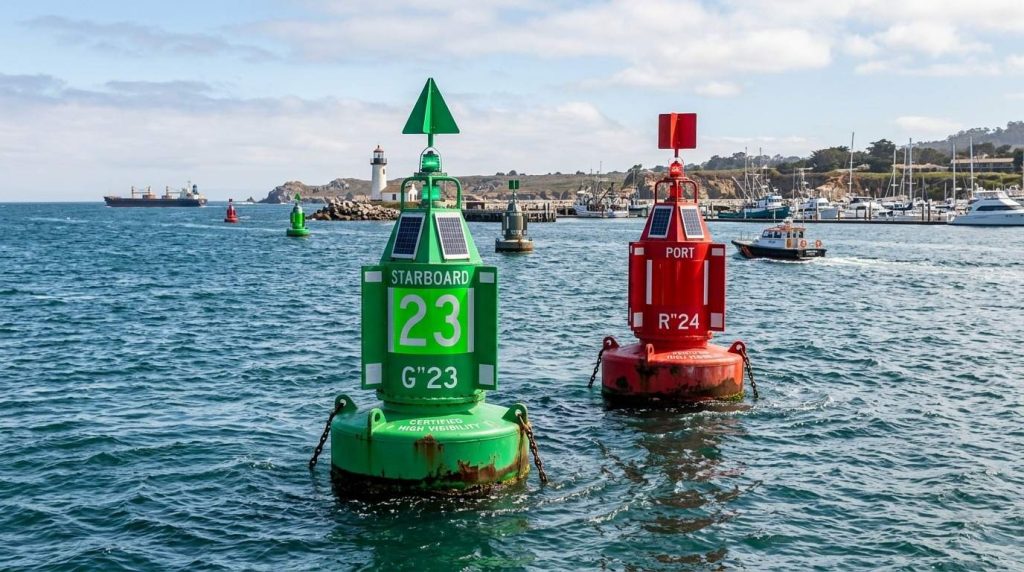
Most maintained channels use paired red and green navigation buoys to frame the safe deep-water path. Always pass between the pair, not around a single marker. Staying between red and green markers helps keep you in the marked channel.
| Buoy Type | Color | Numbering | Shape | Side to pass (inbound) |
|---|---|---|---|---|
| Port-hand | Green | Odd numbers | Cylindrical can/drum | Port (left) |
| Starboard-hand | Red | Even numbers | Nun (cone-topped cylinder) | Starboard (right) |
Junction / Bifurcation Buoys
These mark channel splits, with horizontal bands of both red and green. The topmost band indicates the preferred (main) channel.
- Red over green: preferred channel is to your left. Treat the buoy like a standard red starboard-hand mark, and pass it on your right.
- Green over red: preferred channel is to your right. Treat the buoy like a standard green port-hand mark, and pass it on your left.
Common misconception: you do not “split the difference” and pass directly next to the buoy. First identify the preferred channel, then position the buoy on the corresponding side of your boat, just like a standard lateral mark.
Non-Lateral Navigation Marks
These ocean buoys describe water conditions, not channel sides, and do not follow the red-right rule.
| Mark Type | Pattern | Topmark | Meaning | How to pass |
|---|---|---|---|---|
| Safe water mark | Red + white vertical stripes | Single red sphere | Deep, navigable water all around (mid-channel, fairway, landfall) | May pass on either side |
| Isolated danger mark | Black + red horizontal bands | Two black spheres | Submerged hazard (rock, wreck) with safe water all around | Pass well clear on any side, give the hazard wide berth |
| Special mark | Yellow | Yellow cross / X | Marks cables, pipelines, recreation zones, or administrative boundaries | Follow local guidance for the marked area |
Exceptions: Where the Red-Right Rule Does Not Apply
Intracoastal Waterway (ICW) Markers
The U.S. Intracoastal Waterway follows its own numbering and color logic. When traveling the ICW clockwise (East Coast southbound → Gulf Coast westbound) or north along the West Coast:
- Keep red markers on the shore side (your right)
- Markers have a small yellow reflector or square to identify them as ICW aids
ICW numbers ascend in the direction of travel. Where ICW markers intersect with standard lateral channel markers, the meaning changes — always reference local charts in these overlap zones.
State and Local Variations
Some state agencies use slightly different shapes for port/starboard marks (e.g., red can buoys instead of standard nuns). The color pattern always remains consistent: red opposite green across the channel. When in doubt, follow the chart, not just the shape.
Common Mistakes to Avoid
- Memorizing colors without accounting for direction: This is the #1 beginner error. “Red right” only works when returning inland. If you are heading downstream or out to sea and still keep red on your right, you will drift into shallow water. Always confirm your direction of travel first.
- Trusting color alone: Sun fade, biofouling, and storm damage can discolor older buoys. Use numbering, shape, and chart references as backup checks, especially in unfamiliar waterways. High-quality navigation buoys from manufacturers like Botai maintain colorfastness and visibility for longer, reducing this risk.
- Misreading junction buoys: Many boaters assume a red-green buoy means “split the difference” and pass directly next to it. Instead, first identify the preferred channel, then position the buoy on the correct side of your boat as you enter that branch.
- Assuming global uniformity: The IALA A/B split catches many international cruisers off guard. Even in the Caribbean, some islands follow Region A and others Region B — never assume based on proximity to the U.S.
FAQ
Which side do you pass a red buoy when leaving the harbor?
When heading outbound toward open water, keep red buoys on your port (left) side. The “red right returning” rule only applies when traveling inland; reverse the pattern for outbound trips.
Do buoy colors reverse in other countries?
Yes. In IALA Region A (Europe, Africa, most of Asia, Australia), green buoys mark the starboard side of the channel on entry, and red marks the port side. Always verify the local system before navigating foreign waters.
How do you read a buoy with both red and green bands?
The topmost color band indicates the preferred channel. Red on top means the main route is to your left; treat the buoy like a standard red starboard-hand mark and pass it on your right. Green on top means the main route is to your right; pass it on your left.
What does a red and white vertically striped buoy mean?
This is a safe water mark, indicating deep, navigable water all around the buoy. You may pass it on either side. It marks mid-channels, fairways, and landfall points.
Where does the red right returning rule not apply?
The Intracoastal Waterway uses a modified system, identified by small yellow reflectors on markers. State and local waterways may also have variations. Always reference a current nautical chart for the area you are navigating.