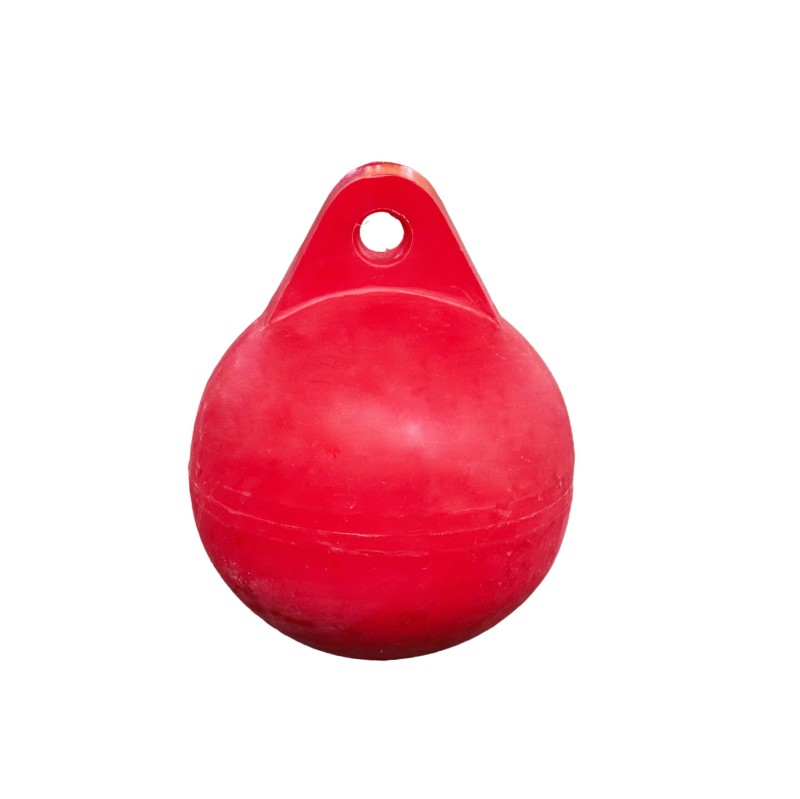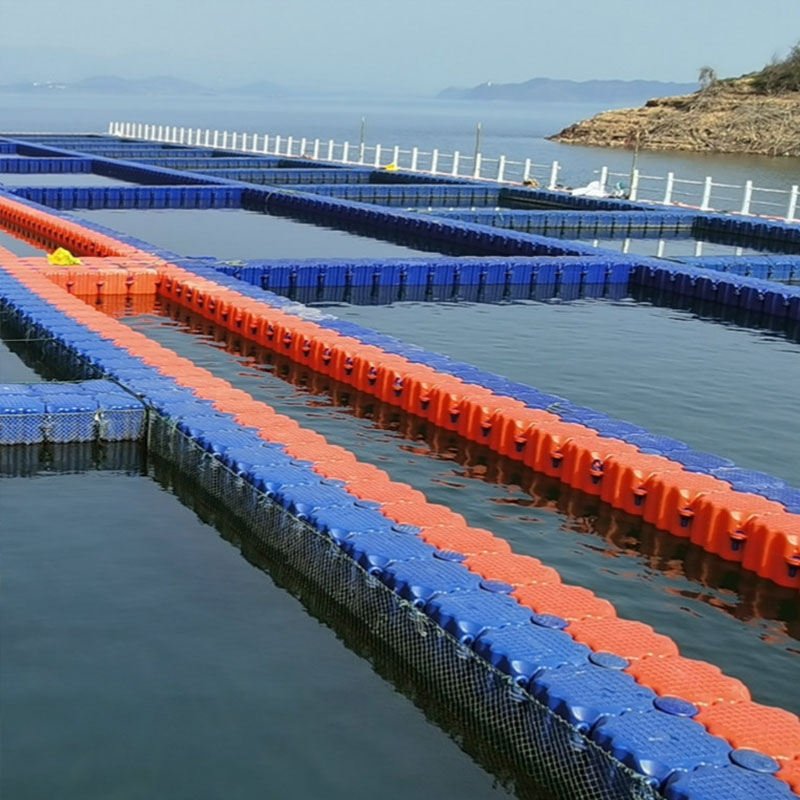

Cleaning a buoy means you take off debris. You scrub it with mild soap. Then you rinse it well. You also check for any damage. Botai marine navigation buoys are strong. They are easy to take care of. You must use the right materials. You need to follow safety steps. Cleaning often stops marine growth. It makes the buoy easier to see. It helps your buoy last longer.
- Structured inspections help you find problems early.
- Pressure-washing surfaces makes the buoy easier to see.
- Cleaning on time keeps waterways safe.
Key Takeaways
- Clean your buoy every 3 to 6 months. This stops marine growth and keeps it easy to see.
- Use gentle soap and safe tools to clean the buoy. This helps protect the surface and makes it last longer.
- Check your buoy for any damage and write down problems. This helps keep things safe and follows the rules.
Buoy Cleaning Materials

Essential Supplies
Cleaning a buoy requires the right tools. Botai produces marine navigation buoys. Their buoys are made from strong, durable materials including high-impact polyethylene and UV-stabilized materials. These materials help extend the life of the buoy and are easy to maintain. The following table lists the materials used in Botai buoys:
| Material Type | Key Properties |
|---|---|
| UV-Stabilized Polyethylene | Light, floats well, strong, does not break easily, does not get damaged by sun or rust |
| Elastomer | Very strong, lasts longer, good for tough marine places |
| Metals (Marine Aluminum, Stainless Steel) | Very strong, lasts long, good for big buoys, needs care to stop rust |
Use soft brushes, sponges, and buckets for cleaning. Pick tools that will not scratch the buoy. Some suppliers sell special cleaning kits for marine gear.
Safe Cleaning Solutions
Choose environmentally friendly cleaning agents. Mild soapy water is suitable for most buoys. Do not use strong chemicals. Botai buoys are not prone to fading or rusting, so there is no need to use harsh cleaning agents. Biodegradable soap helps keep the water clean.
Tip: Try new cleaners on a small spot first. This helps you make sure it will not hurt the buoy.
Protective Gear
Always take safety precautions when cleaning buoys. Wear gloves, a head covering, and a full-body suit to protect your skin. Wear safety glasses or goggles to protect your eyes from dust. If polishing or using chemicals is required, wear a dust mask or respirator.
- Gloves, head socks, and coveralls
- Safety glasses or goggles
- Dust mask or respirator
Using the right supplies and gear keeps you safe. It also helps your buoy stay in good shape.
Buoy Cleaning Steps
Inspection and Preparation
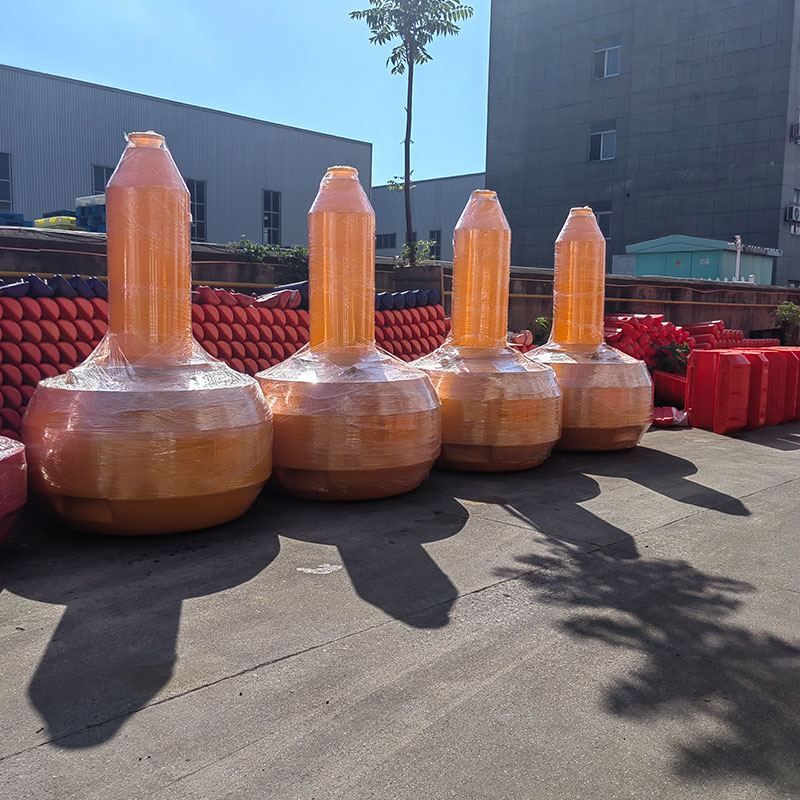
First, carefully inspect the buoy before cleaning it. Check for damage, discoloration, or marine organisms. Botai navigation buoys are made of robust polyethylene, making inspection easier and more reliable. If possible, lift the buoy out of the water. This allows for easy inspection of all sides of the buoy and makes cleaning safer. For your own safety, wear gloves and goggles.
Inspect the mooring equipment, chains, and shackles for rust or wear. If your buoy has electronic equipment such as navigation lights or sensors, ensure they are functioning properly. Botai recommends recording the date, location, and any problems found. Keeping records helps with future maintenance and compliance with regulations.
Tip: Clean one small area at a time. This way, you do not miss spots or cause damage.
Removing Marine Growth
Algae and barnacles can grow rapidly on buoys. Remove loose deposits with a plastic scraper or soft brush. For thick layers of dirt, a pressure washer can be used. Pressure cleaning is faster and more effective than manual scrubbing.
Power washing is a great way to get rid of grime, marine growth, and algae from a boat’s hull. It works much better than scrubbing by hand.
Using a pressure washer is important for boat care. It removes buildup that can slow down your boat in the water.
If you operate a dock or own many buoys, pressure washers can save you time and money. More and more people are buying these washers for vessel operations because they are ideal for large-scale operations.
Washing and Rinsing
After you remove marine growth, wash the buoy with mild, pH-neutral boat soap. This soap cleans well and keeps the surface safe.
- Use pH-neutral boat soap to wash marine navigation buoys. It stops damage and removes salt and dirt. It also protects wax and sealant layers.
Use a soft sponge or brush to avoid scratching the buoy. Never use abrasive powders or scouring pads, as these will damage the buoy and remove its protective layer. Rinse the buoy with clean water to remove all soap and dirt.
- Do not use rough cleaning products like powders or scouring pads. They can scratch the gelcoat and remove wax.
- Do not let acidic cleaners dry on the buoy. This can leave marks on glass and chrome.
Tip: Try new cleaning products on a small spot first. Make sure they do not hurt the buoy.
Drying and Final Check
Allow the buoy to air dry naturally, or wipe it dry with a clean towel to speed up the drying process. Once dry, check for any missed spots or residual dirt. If your buoy is made of plastic, such as Botai’s UV-stabilized polyethylene, apply a UV protectant. This will help maintain its vibrant color and make the buoy more durable.
- UV-stabilized polyethylene helps marine navigation buoys last longer. It protects them from sun damage.
- Linear Low-Density Polyethylene (LLDPE) is strong and resists breaking. It helps buoys last a long time.
Look for any damage that needs fixing. Paint over faded marks if you need to. Follow Botai’s tips to help your buoy last longer:
- Check and clean often: Lift each navigation buoy from the water. Scrape off marine growth, pressure-wash, and repaint faded marks.
- Check electronics and power: Make sure navigation lights, sensors, solar panels, and batteries work.
- Take care of mooring gear: Look at chains, shackles, swivels, and lines for rust, wear, or fraying.
- Write everything down: Record the date, place, problems, and repairs for later.
- Change for the season: Use ice-resistant buoys in winter. Put back regular markers in spring.
Cleaning and caring for your buoy has many good points:
| Benefit | Description |
|---|---|
| Safety | Cleaning often keeps buoys easy to see and in good shape. This lowers accidents. |
| Liability Reduction | Writing down checks can help protect you from legal trouble. |
| Improved Guest Experience | Clean buoys make the water safer and more fun for guests. |
| Operational Efficiency | Taking care of buoys early stops problems and saves repair time. |
| Brand Image | Good-looking, working buoys make your resort look better and guests happier. |
By following these steps, your buoys will always be clearly visible and function effectively. Whether you operate a dock, work in a port, or sell buoys, doing so will also protect your funds. Regular cleaning helps you comply with regulations and extends the lifespan of your navigation equipment.
You help your navigation aids last longer and work better when you clean and check them often.
- Regular cleaning stops corrosion and power failures.
- Inspections keep your equipment in place and safe.
- Experts say proper storage and checks prevent early wear.
Share your tips or questions below!
FAQ
How often should you clean a marine navigation buoy?
Clean your buoy every 3 to 6 months. If the water is busy or rough, clean it more often. Taking care of your buoy helps it last longer.
Can you use a pressure washer on Botai buoys?
Yes, you can use a pressure washer. Set it to low or medium. This keeps UV-stabilized polyethylene safe. It also removes marine growth fast.
Where can you buy custom or wholesale Botai buoys?
You can reach out to Botai directly. They make and sell marine navigation buoys. Botai offers custom and wholesale buoys for ports, marinas, and waterway projects.