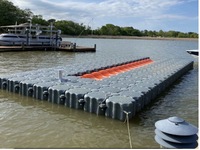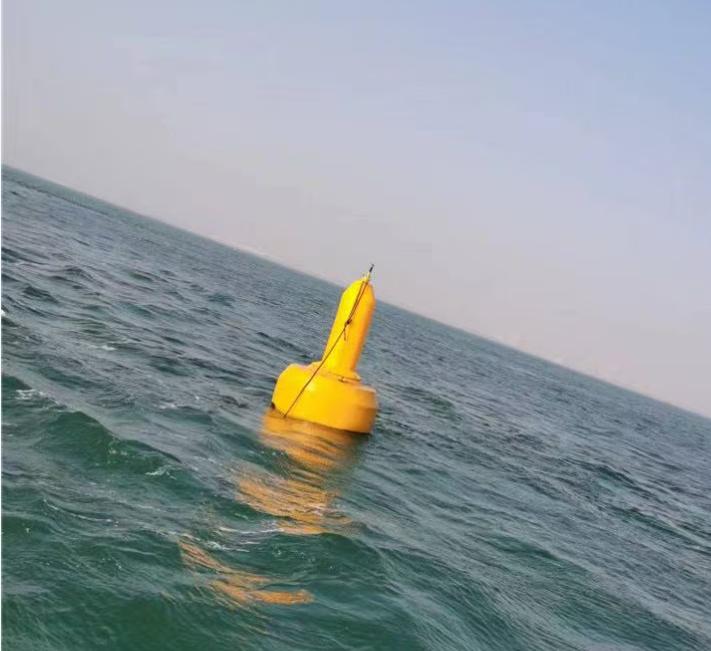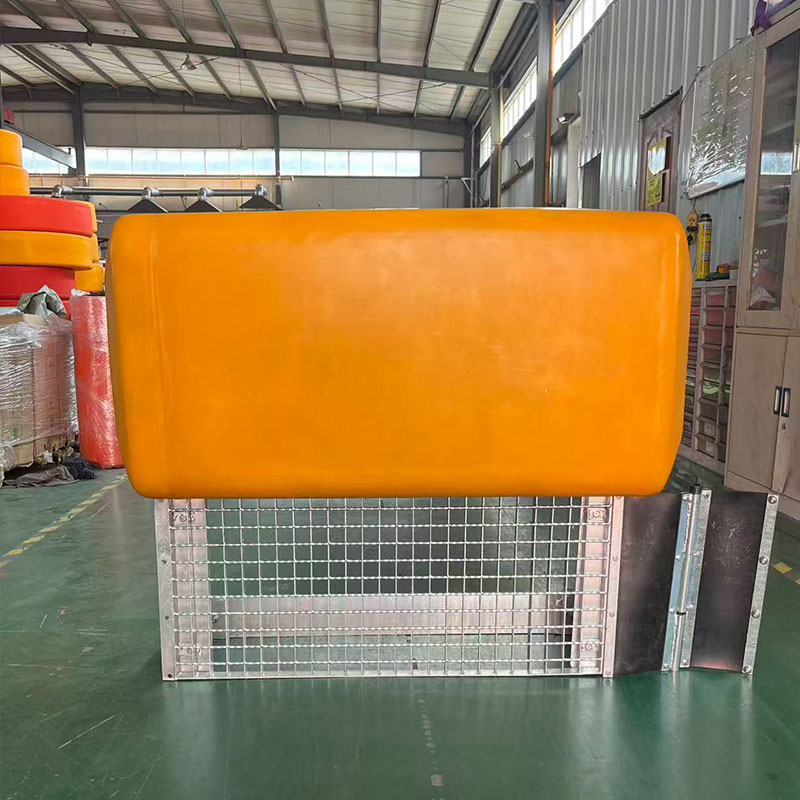

Yes, floating docks are an excellent solution for many waterfront properties — especially locations with fluctuating seasonal water levels. Unlike fixed docks, they rise and fall with the water, maintaining a consistent deck height above the surface for easy boat access and comfortable use. They are not ideal for every location, however: water conditions, anchoring design, load capacity, and budget all determine if they are the right fit.
Key Takeaways
- Floating docks rise and fall naturally with water levels, eliminating the need for manual height adjustments with seasonal changes.
- Their modular design makes them easier to assemble, reconfigure, and expand than permanent fixed dock systems.
- They are less stable in rough water, heavy waves, and strong currents, and require proper anchoring to stay in position.
- They work best in calm lakes, ponds, and protected inland waters with mild conditions.
- The right choice depends on local water conditions, load capacity, and a properly matched anchoring system — not just appearance.
Benefits of Floating Docks

Adapts to Fluctuating Water Levels
This is the biggest advantage of floating docks. As water levels rise or fall seasonally, the dock moves vertically with the surface, keeping the deck at a relatively consistent height. This makes boarding boats and accessing the water far more convenient in areas with variable water levels, with no need to rebuild or adjust the structure throughout the year.
Modular, Flexible Design
Most floating docks use modular sections that assemble on site. This makes them easy to configure, expand, or rearrange as waterfront needs change. Sections can be added or removed to adjust layout — adding a boat slip, walkway, or extra platform — without rebuilding the entire structure.
Relatively Low Maintenance
When built with corrosion-resistant materials and installed correctly, floating docks require minimal routine maintenance. They have fewer components exposed to repeated waterline stress and wear compared to some fixed dock designs. Exact maintenance needs still depend on decking material, floats, connectors, the anchoring system, and local environmental conditions.
Downsides of Floating Docks
Less Stable in Rough Water
Floating docks will move under waves, boat wakes, and strong currents — some movement is normal and expected. Excessive motion, however, can make the dock uncomfortable or difficult to use. For locations with frequent waves or rough conditions, the dock design and anchoring system must be engineered for those specific conditions.
Requires Proper Anchoring to Stay in Place
A floating dock relies on an appropriate restraint system to hold position. Depending on the site, this may involve piles, chains, cables, anchors, or other hardware. Poorly designed or undersized anchoring can let the dock drift, rotate, or experience excessive movement. The anchoring method must match water depth, bottom conditions, current strength, wave action, and expected loads.
Higher Upfront Cost for Premium Designs
Pricing varies widely based on size, decking material, float system, connectors, anchoring hardware, and accessories. While modular construction simplifies installation and future changes, a custom floating dock with a larger size or additional equipment can have a higher initial cost than a basic fixed dock.
Where Floating Docks Work Best
Calm Inland Waters and Lakes
Floating docks are ideal for relatively calm lakes, ponds, and protected inland waters. With the right anchoring system, they provide convenient access for swimming, fishing, boating, and other recreational activities.
Areas With Seasonal Water Level Changes
They are especially valuable where water levels shift significantly between seasons. Because the dock follows the water automatically, users do not need to adjust or rebuild the structure every time levels rise or fall.
Residential and Recreational Waterfronts
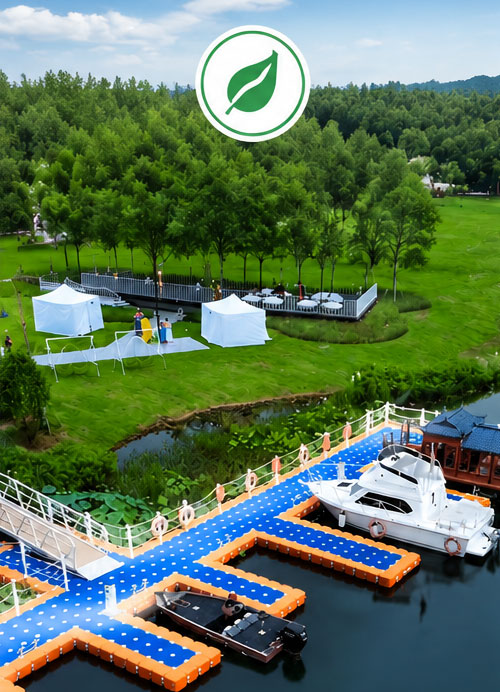
For private waterfront properties, floating docks deliver flexible space for boat access, swimming, fishing, and leisure. Their modular design lets owners adapt the layout as needs change, from adding a PWC slip to expanding the deck area.
How to Choose the Right Floating Dock
Evaluate Local Water Conditions
Start with your site conditions: typical wave height, boat wake intensity, wind, currents, water depth, seasonal level changes, and exposure to severe weather. A dock designed for a sheltered lake will not hold up on an exposed shoreline with strong waves or currents.
Verify Load and Weight Capacity
Factor in how many people and what equipment the dock will support: boats, ladders, furniture, personal watercraft, and accessories all add significant weight. A reliable floating docks manufacturer can provide rated load-capacity specifications and help confirm that the float system provides enough buoyancy for your intended use.
Match the Anchoring System to Your Site
Anchoring is critical to stability and safety. The right system depends on water depth, bottom composition, current, wave action, and dock layout. A properly designed anchoring system holds the dock in its intended position while still allowing it to move vertically with changing water levels.
FAQ
How long does a floating dock typically last?
The service life varies by decking material, float construction, connectors, anchoring hardware, and environmental exposure. Proper installation and routine inspection can help extend the usable life of the system.
Can a floating dock be used for boats and personal watercraft?
Yes. Floating docks can be configured with boat slips, PWC spaces, ladders, ramps, and other accessories. The dock must have sufficient buoyancy and load capacity for the intended equipment and users.
Can a floating dock be removed for winter?
Many modular floating docks can be partially or completely removed and stored when seasonal conditions require it. The practicality of removal depends on the dock configuration, anchoring method, water conditions, and local climate.
How deep does the water need to be for a floating dock?
There is no universal minimum water depth. The required depth depends on the float design, anchoring system, water-level variation, shoreline connection, and the draft of boats using the dock.
Can floating docks be customized?
Yes. Modular floating dock systems can often be customized in length, width, layout, decking, access ramps, boat slips, and accessories. The available options depend on the manufacturer and project requirements.