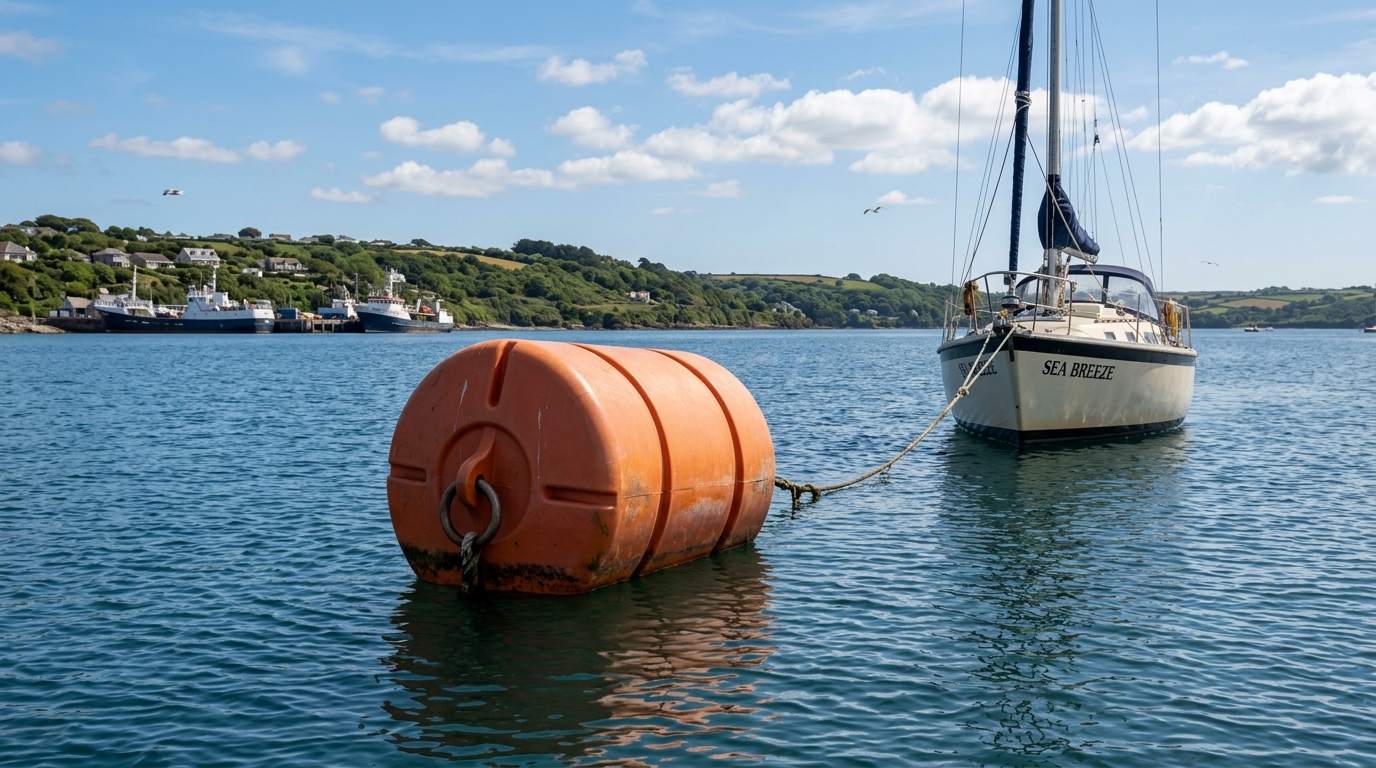
You use mooring buoys to tie your boat instead of using an anchor. These floating markers help keep marine habitats safe by stopping anchor damage. Some types can still hurt plants nearby, especially where it is crowded. Mooring buoys are a safer way to enjoy the water and help the ecosystem stay healthy.
Key Takeaways
- Mooring buoys let you tie your boat safely and easily. You do not need to use an anchor. This helps protect marine habitats from harm.
- Mooring buoys help keep the ocean healthy. They stop anchors from hurting coral reefs and seagrass beds.
- Always follow safety steps when using mooring buoys. Come from downwind and check the buoy before you tie up.
Mooring buoys: Uses & Benefits
Boat mooring without anchors
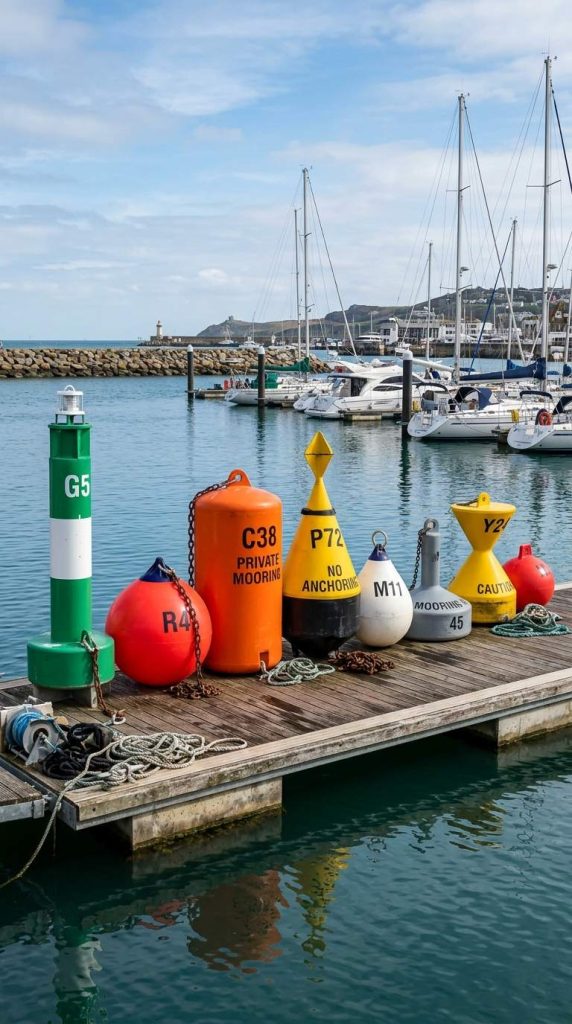
Mooring buoys let you tie your boat without using an anchor. They give your boat a strong spot to stay in place. This stops your boat from moving or bumping into others. Mooring buoys make tying up your boat fast and simple. You do not have to worry about your anchor getting stuck. Many people like mooring buoys because they are easy to use. Even beginners or people with physical limits can use them.
Here are some main advantages of using mooring buoys over traditional anchoring:
- You get a steady place to tie your boat.
- Mooring buoys are quicker and easier to use.
- You lower the chance of losing control of your boat.
- You keep the seafloor safe from anchor damage.
- You spend less money fixing your gear.
- Boating becomes easier for everyone.
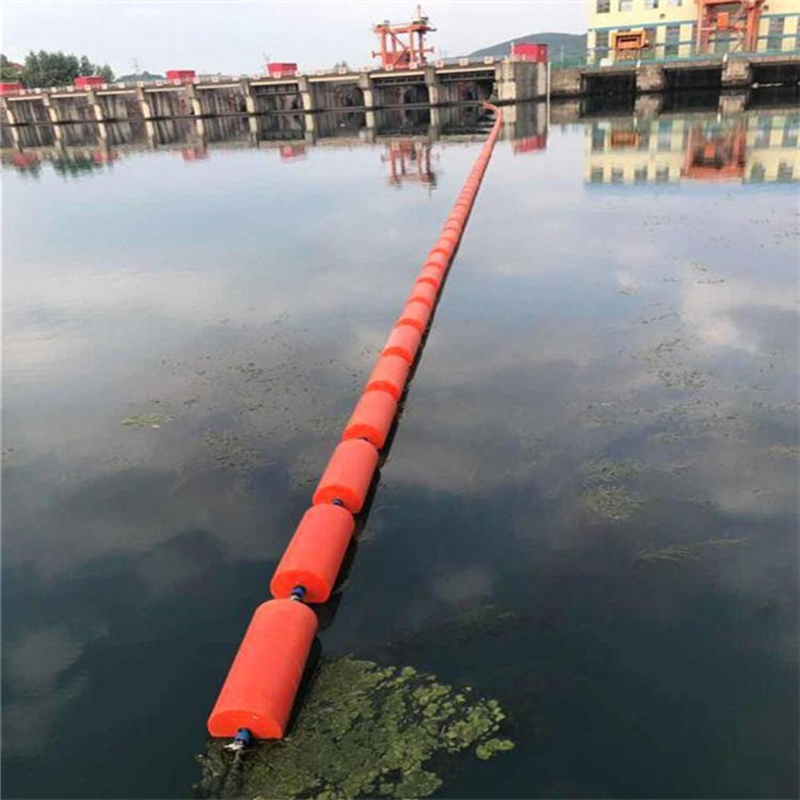
Mooring buoys come in many sizes for different boats. A buoy with an 18-inch diameter can hold boats up to 59 feet long. Bigger buoys, with a 24-inch diameter, can hold boats from 60 to 100 feet. Most mooring buoys have a pick-up line, a through-line, and a down-line. These parts help you tie your boat safely and keep the buoy steady.
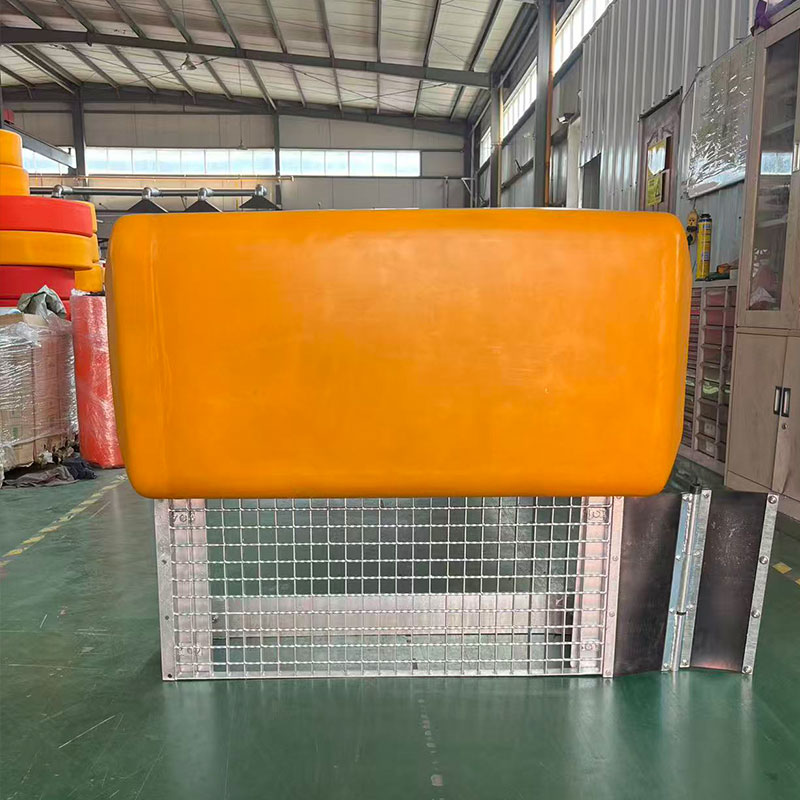
The materials used in mooring buoys determine their lifespan and safety. Many buoys use foam for floating, plastic for strength, and steel for toughness. Some buoys use rubber to absorb shock. High-quality mooring buoys have a robust polyethylene or polyurethane shell. This shell prevents the buoy from cracking and protects it from the erosion of sunlight and waves.
Marine habitat protection
Using mooring buoys helps protect marine habitats. Anchors drag on the seabed, damaging coral reefs and seagrass beds. Mooring buoys prevent this by keeping anchors away from the seabed. In busy waters, mooring buoys have already prevented anchors from damaging vulnerable areas.
Marine conservation organizations support the use of mooring buoys. They believe that mooring buoys protect corals and seagrass by reducing anchor drag. These buoys demonstrate care for the ocean. Every time you use a mooring buoy, you are contributing to the protection of marine life.
Scientists and the U.S. Coast Guard have tested environmentally friendly mooring systems. These systems use special anchors and resilient lines to protect underwater flora and fauna. Their research shows that mooring buoys are crucial for habitat protection. Using these systems helps protect coral reefs and maintain the health of the ocean.
Mooring buoys also help the tourism industry allow people to visit beautiful places without damaging the environment, while protecting the natural environment. You can dive, snorkel, or fish without worrying about damaging corals or seagrass. Ports and local governments prefer to use mooring buoys because they are inexpensive and can ensure the safety of waterways.
Common locations & color codes
You can find mooring buoys in many places. They are found in marinas, ports, national parks and dive sites. You may see them in busy waterways, near coral reefs, or where boats gather for recreation. Mooring buoys help regulate vessel navigation and protect sensitive areas.
Mooring buoys use different colors to distinguish their purpose. The following table explains what each color means:
| Buoy Color | Meaning |
|---|---|
| Red | Marks the starboard side when returning from open water (the “red right returning” rule). |
| Green | Marks the port side when returning from open water. |
| Yellow | Shows special zones, such as anchorages or areas with underwater cables. |
| Black and White | Warns of an obstruction from shore to the buoy’s position. |
| Orange and White | Used for regulations like speed zones or no-entry areas, with shapes for different rules. |
Before using mooring buoys, always consult local regulations. Some countries have specific rules regarding the location and method of using mooring buoys. Safety and maintaining a safe distance from other objects are paramount for all water sports enthusiasts.
Mooring buoys offer a safe, convenient, and environmentally friendly way to moor. You can help protect marine life while enjoying your water activities with greater peace of mind.
Step-by-step guide
You can use mooring buoys to safely secure your vessel and protect the marine environment. Please follow the steps below for a smooth user experience:
- Approach the buoy from downwind. This gives you better control.
- Move slowly to avoid disturbing other boats.
- Wear a life jacket and send someone to the bow with a boat hook.
- Use the hook to grab the mooring ball.
- Stop or gently reverse to halt your boat.
- Loop your mooring line over the bow cleat. Use your own line if the buoy’s line looks dirty.
- Let your boat drift back and check that you are clear of other boats.
- When leaving, gently move forward and release the line.
Tip: Always check the condition of the buoy and lines before tying up.
Safety tips
You should keep these safety tips in mind:
- Space your boat properly to avoid crowding.
- Check water depth and bottom conditions before mooring.
- Follow local rules and regulations.
- Use visible buoys and keep them clean.
- Inspect your gear and the buoy for wear or damage.
- Keep a maintenance log for your equipment.
Botai mooring buoys
If you need reliable mooring buoys for your marina or project, consider Botai. As a leading manufacturer and supplier, Botai offers products made from high-density polyethylene (HDPE) and linear low-density polyethylene (LLDPE). These materials are resistant to corrosion and UV damage, ensuring long-lasting durability and low maintenance costs. Botai buoys can be customized in size and shape to meet your needs. They comply with ISO 9001, ISO 14001, and ISO 45001 standards, making them a reliable choice for wholesale and custom orders in harsh marine environments.
You get lots of good things from using mooring buoys.
- You keep coral and seagrass safe from anchor harm.
- You can tie your boat safely and easily.
- You help save the ocean by doing the right thing.
Pick trusted brands like Botai for strong buoys and less worry.
FAQ
What is a mooring buoy?
A mooring buoy is a floating device used to secure ships. It keeps anchors away from the seabed, thus protecting marine habitats.
How do you identify a mooring buoy?
You spot a mooring buoy by its white color with a blue horizontal band. This color code helps you find safe places to tie your boat.
Can you use any boat with a mooring buoy?
- You can use most boats with a mooring buoy.
- Always check the buoy’s size and weight rating before tying up.