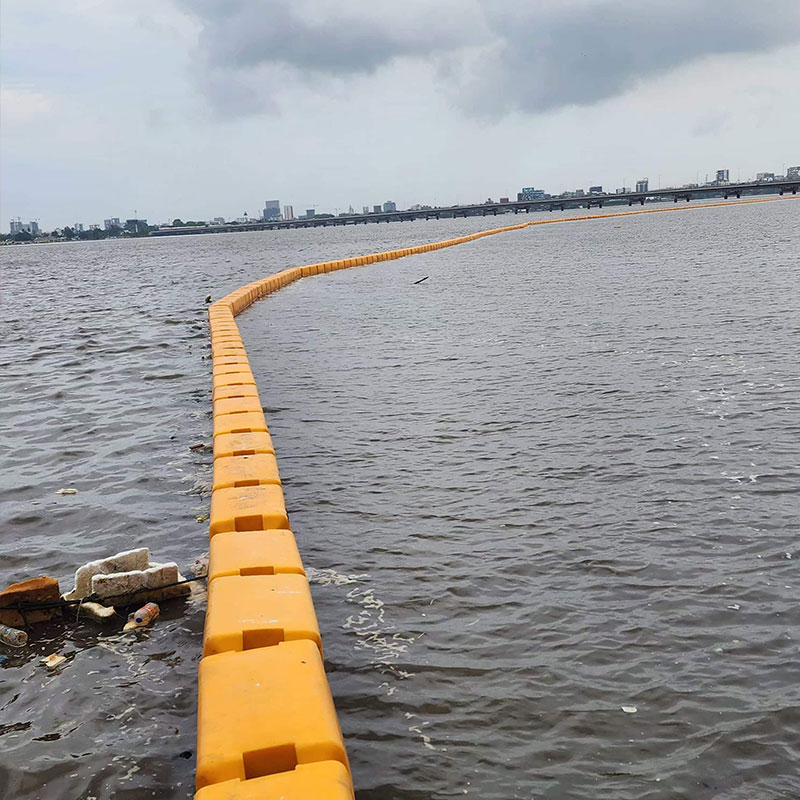
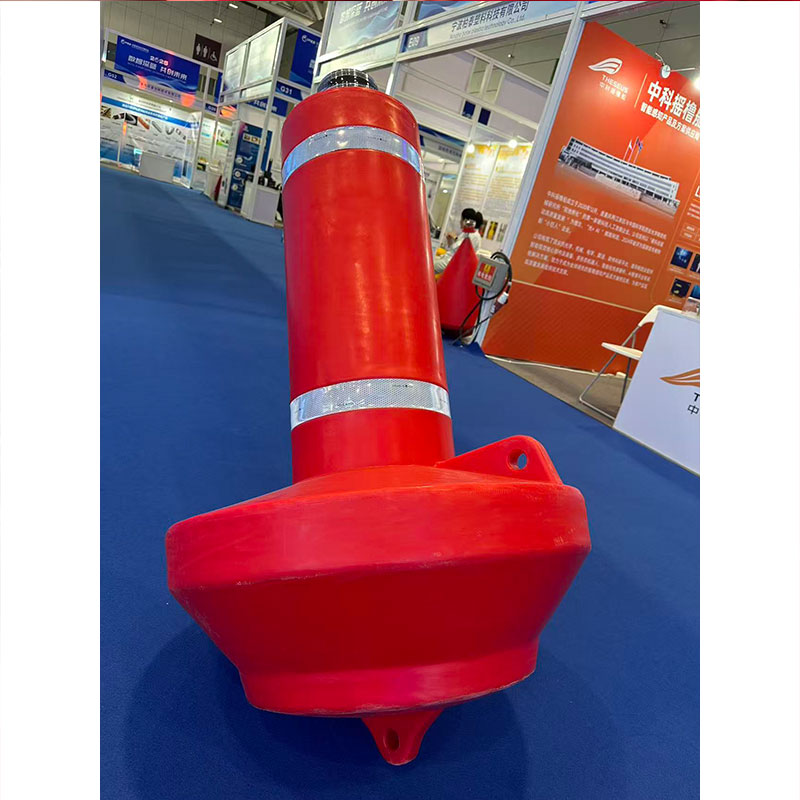
Ocean buoys help keep people safe on the water. They float in the ocean and show ships where to go. They warn about dangers and gather information about the environment. There are many kinds of buoys. Each one has its own job.
Ocean buoys check water temperature. They watch for pollution. They also show safe ways for boats to travel.
| Type of Buoy | Percentage of Market | Key Applications |
|---|---|---|
| Solar-powered data buoys | 57% | Offshore environmental monitoring |
| Battery-powered data buoys | 43% | Coastal monitoring |
Key Takeaways
- Ocean buoys help boats move safely in the water. They show where channels are and warn about dangers like rocks and shallow spots.
- Buoys gather important facts about the ocean, like water temperature and pollution. This data helps scientists and makes weather forecasts better.
- Picking strong buoys, like ones from Botai, keeps people safe and lasts longer. These buoys are simple to see and take care of, so they are great for guiding boats.
Ocean Buoys: Main Purposes
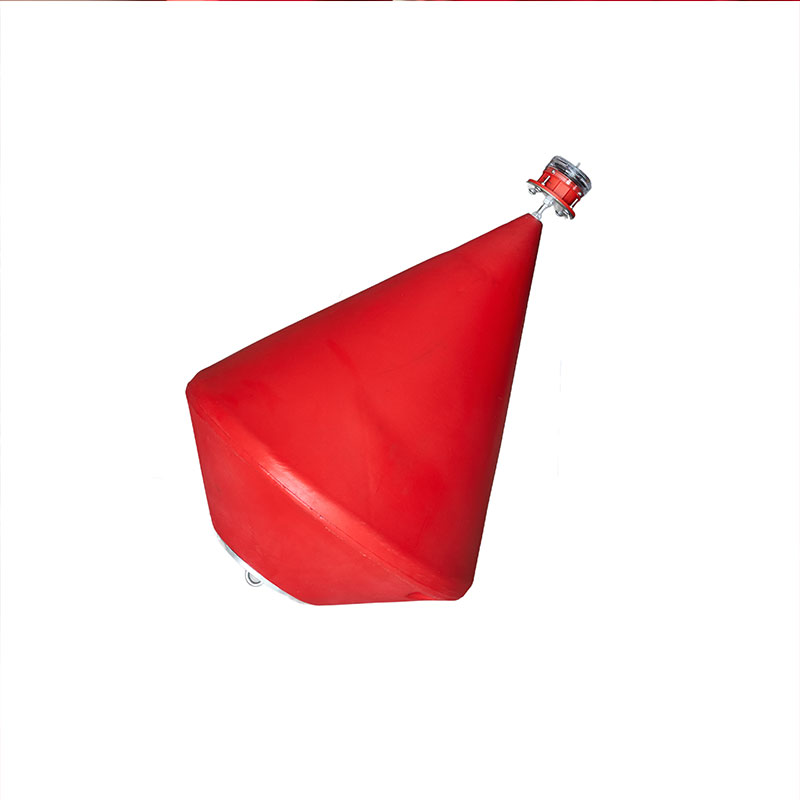
Ocean buoys are vital for maintaining maritime safety. They float in busy ports, coastal areas, and the open sea. Each buoy has a specific function. Some guide ships, some issue hazard warnings, and others collect ocean and weather data. Let’s look at how ocean buoys help maritime travelers and workers.
Navigation and Channel Markers
Ships need to know where it is safe to navigate. Ocean buoys indicate the correct course. Navigation marks indicate safe channels, helping you control your ship’s direction and avoid reefs and shallow waters.
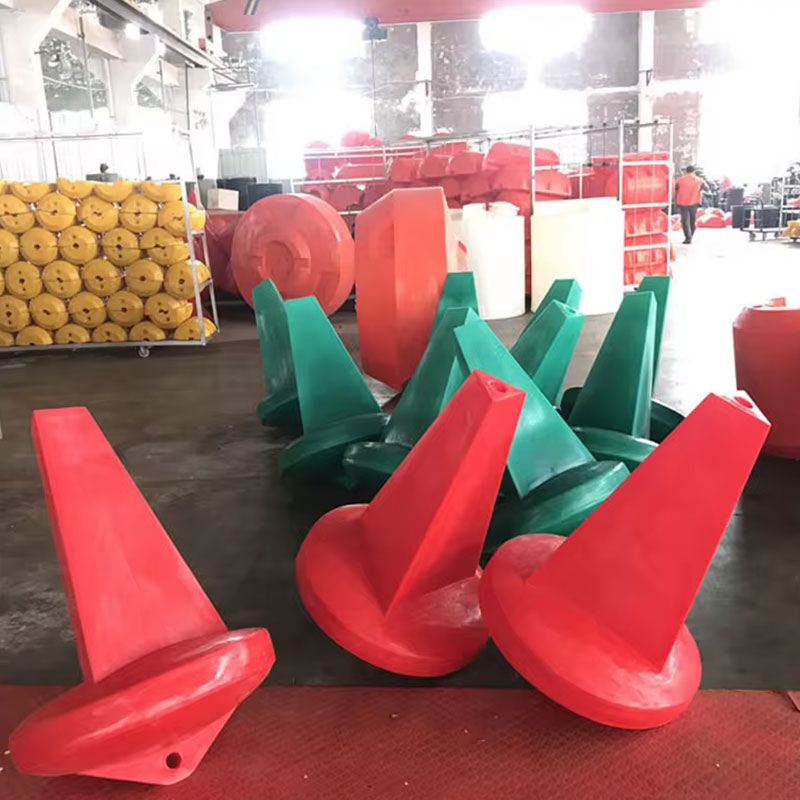
Navigation marks come in various colors and shapes. Here are some common types:
- Fairway Buoy: This buoy marks the middle of a safe channel. It has red and white stripes. Water is safe on all sides.
- Port Hand Buoy: This green buoy marks the left side of a channel. Keep it on your left when moving upstream.
- Starboard Hand Buoy: This red buoy marks the right side of a channel. Keep it on your right when moving upstream.
Tip: Use “Red-Right-Returning” to remember to keep red buoys on your right when going back to port.
Navigation buoys mark port entrances. They indicate the location of channel splits or intersections. These markings help boaters avoid confusion. They maintain traffic safety. Clear buoy markings can reduce accidents by up to 30%. Ocean buoys are important for both large and small vessels.
| Function | Description |
|---|---|
| Marking safe navigation channels | Ocean buoys show safe routes for boats to follow. |
| Indicating hazards | They warn you about rocks or shallow water. |
| Providing regulatory information | Buoys show rules you must follow on the water. |
Safety and Hazard Warnings
Ocean buoys serve far more than just guiding ships. They also warn of danger. Some buoys mark hazardous areas, such as reefs or shipwrecks. Others mark prohibited areas or areas subject to special regulations.
Below are some common danger buoys and their meanings:
| Hazard Type | Description |
|---|---|
| Isolated Danger | Marks a hidden rock or obstacle. Black and red bands show it. |
| Special Area | Yellow buoy marks an area to avoid. It often has a flashing yellow light. |
| Safe Water | Red and white stripes mean safe water ahead. Often at the start of a channel. |
| New Danger | Blue and yellow stripes mark a new hazard. |
You rely on these buoys for safety. Most maritime accidents are caused by navigational errors. Conspicuous and well-positioned ocean buoys help reduce these risks. They are especially important in foggy or inclement weather. They also help you follow safety rules. This makes the ocean safer for everyone.
Environmental Monitoring
Ocean buoys are not just for navigation and safety. Many buoys collect data about the ocean and weather. These buoys help scientists, weather forecasters, and fishermen.
Ocean buoys gather information like:
- Water temperature and salinity
- Dissolved oxygen levels
- Water quality and pollution
- Wind speed and wave height
- Movements of marine animals
- Acoustic data for mapping the ocean floor
This data can help you in many ways. Weather forecasts will be more accurate. Scientists can track climate change. They help protect marine life. Some buoys are also used to patrol protected areas. They monitor illegal fishing activities.
New technology is making ocean buoys more versatile. Some buoys use wave energy to generate electricity. Others send real-time data to researchers. These improvements help you get more accurate information. They help maintain ocean health.
Note: Ocean buoys monitor marine protected areas all the time. They help protect wildlife and support conservation.
Ocean buoys are important for navigation, safety, and protecting the environment. Whether you steer a ship, study the ocean, or enjoy boating, you rely on these floating markers every day.
Botai Marine Navigation Buoys
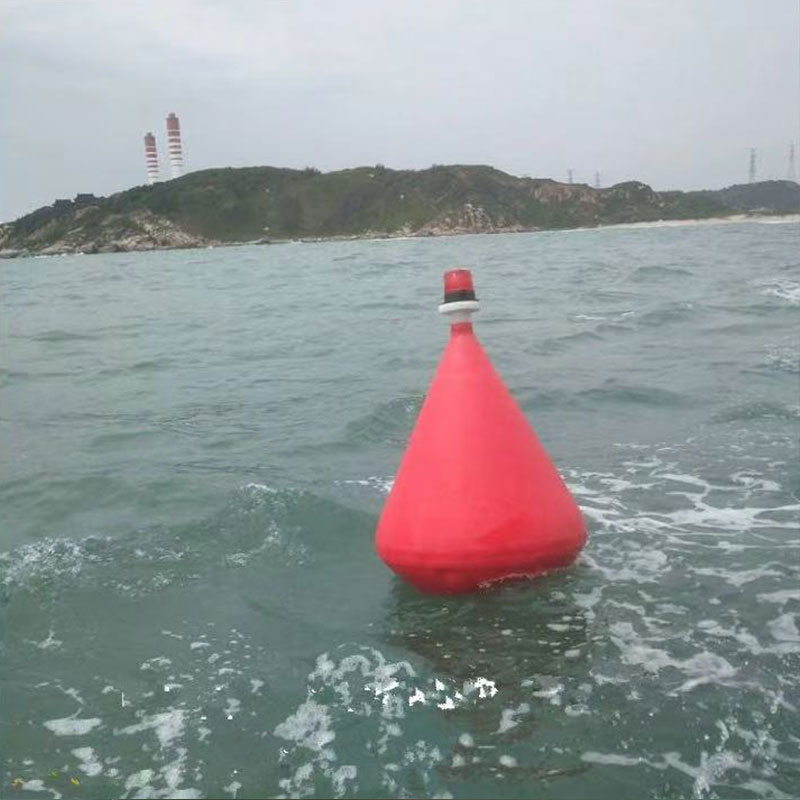
Product Features and Durability
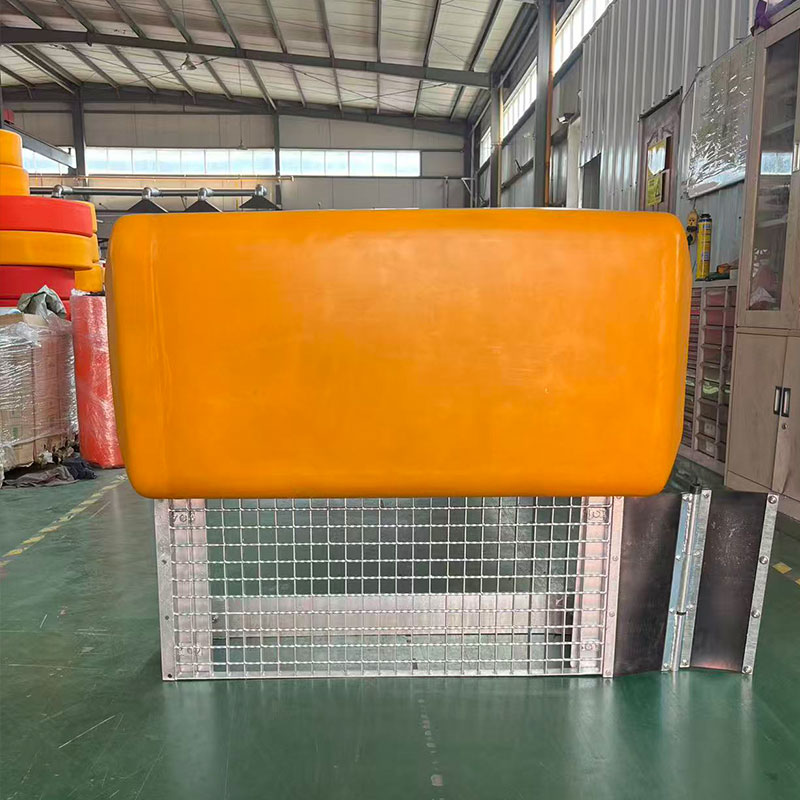
You can rely on the robust and durable marine navigation buoys manufactured by Botai. Botai uses high-density polyethylene (PE) to make its marine buoys. This material will not rust and can withstand harsh marine environments. These buoys are approximately 30% lighter than metal buoys, making them easier for operators to deploy and retrieve from the water. Botai adds a steel or aluminum metal frame to the buoy to secure radar reflectors and lights. The buoy shell is UV-stabilized, maintaining its vibrant color even in sunlight. The solid foam core inside ensures the buoy floats on the water even if the shell is damaged.
| Feature | Specification | Application Scenario |
|---|---|---|
| Material | Polyethylene (PE) | Corrosion-resistant, UV-stable |
| Framework | Steel/Aluminum (adjustable) | Supports navigational aids |
Compliance and Visibility
Botai’s navigation buoys strictly adhere to the recommendations of the International Association of Marine Aids to Navigation (IALA), such as the O-139 buoy standard. These buoys are bright orange and equipped with aluminum reflectors, making them clearly visible from 5 nautical miles away. Botai also equips them with solar-powered lights and intelligent telemetry systems, allowing users to monitor the buoy’s status and location in real time. These features help ensure personnel safety and reduce maintenance needs.
| Buoy Type | Compliance Information |
|---|---|
| Spar Regulatory Buoy | Reliable & IALA Compliant |
| Large Navigational Buoy | Meets IALA Recommendation O-139 for buoyage |
Real-World Applications
Botai marine buoys can be found in ports, docks, and rivers around the world. For example, one port used 1500mm polyethylene buoys equipped with solar-powered LED lights, which helped reduce accidents by 30% in the first year alone. Botai provides customized solutions to help vessels navigate safely and easily. Many buyers and maritime professionals choose Botai because its navigation systems are robust, easy to maintain, and reasonably priced.
Tip: Botai buoys work with AIS transmitters and IoT sensors. This gives you real-time data to manage ship traffic.
You need ocean buoys to help ships find their way. They warn about dangers in the water. Ocean buoys also collect important information about the ocean.
- They have special sensors that check water quality and wave size.
- These buoys stop accidents and help with climate studies.
| Future Trend | What It Means for You |
|---|---|
| Sensor Integration | Better data helps you travel safely |
| Sustainable Energy | Buoys last longer and help the planet |
Pick Botai if you want navigation buoys that are easy to see and work well.
FAQ
What do ocean buoys do?
Ocean buoys guide ships, warn about hazards, and collect data. You use them to stay safe and learn about the ocean.
How do navigation buoys help you?
Navigation buoys show safe routes. You follow their colors and shapes to avoid rocks, shallow water, and other dangers.
Why should you choose Botai marine navigation buoys?
You get strong, visible, and low-maintenance buoys. Botai buoys meet IALA standards and help you keep waterways safe.