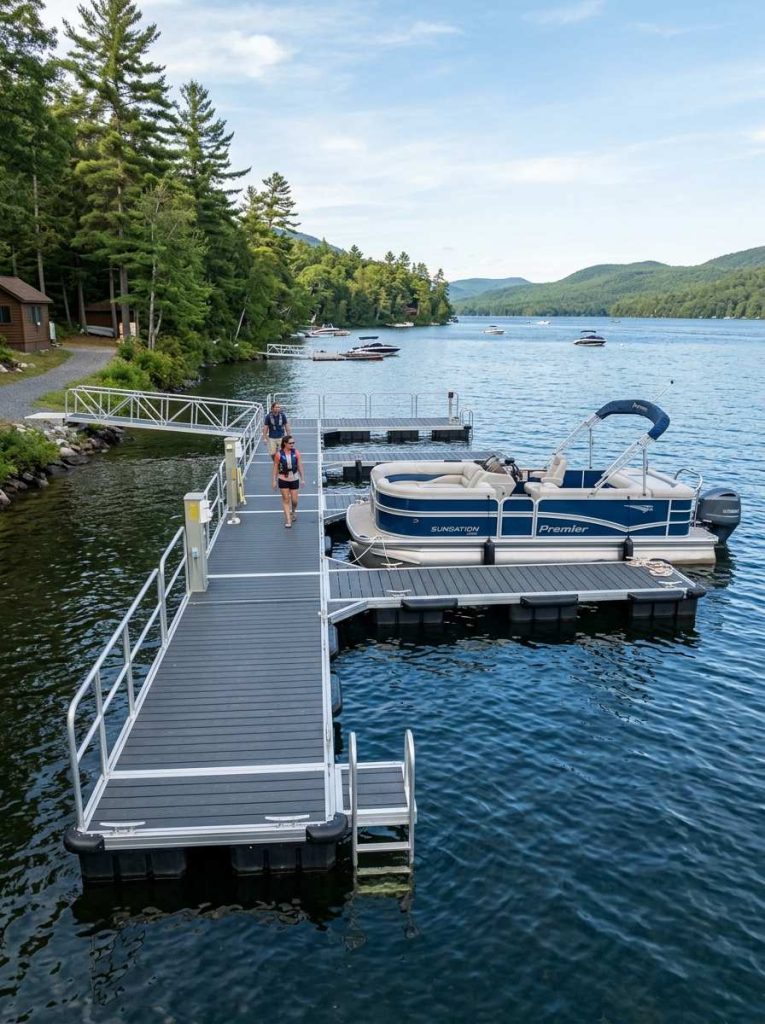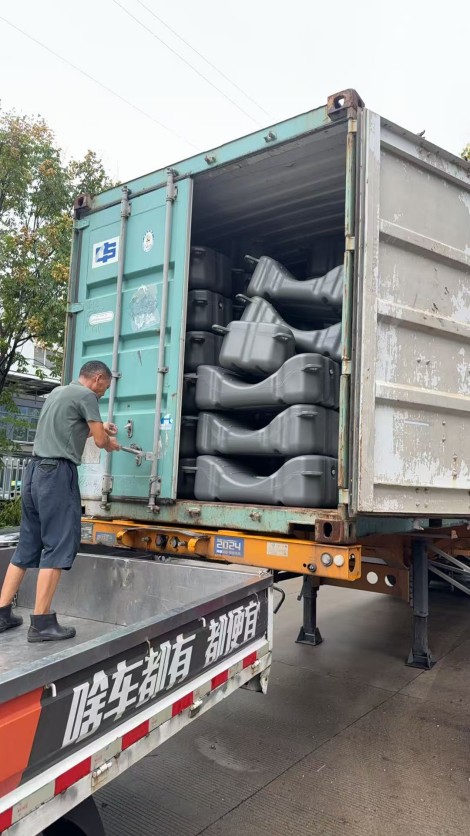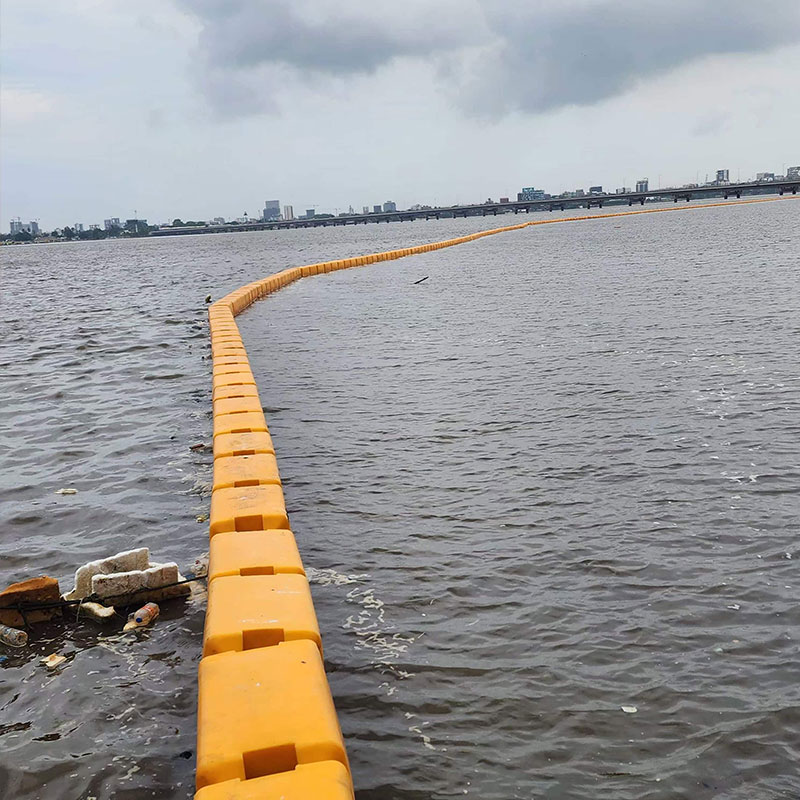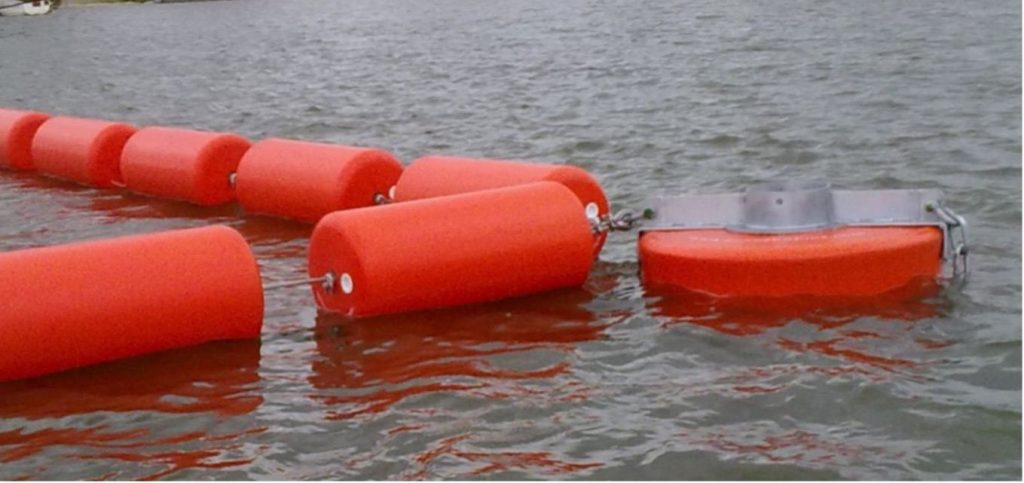

Floating docks offer flexible, water-level-adaptive shore access, but they come with distinct downsides that often make fixed piers a more reliable choice for many sites. The most common drawbacks include constant movement, high long-term maintenance and strict weight limits. Before investing, it is critical to weigh these issues against your site conditions, usage needs, and long-term budget.
Key Takeaways
- Floating docks require regular annual upkeep including algae cleaning, hardware replacement, and seasonal safety inspections.
- They move continuously with waves and wakes, creating unsteady footing and rattling/clanking noise from chains and decking.
- Weight capacity is strictly limited by float buoyancy; overloading causes deck tilting and fall hazards.
What Are the Main Maintenance and Durability Issues with Floating Docks?
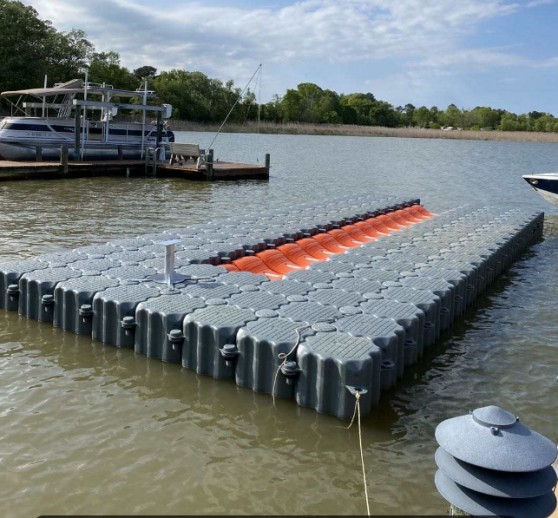
Constant exposure to water, UV radiation, and marine growth drives most floating dock durability issues. Each material degrades at different rates:
- Wood: Swells, shrinks, and cracks with repeated wet/dry cycles; prone to rot, splintering, and fastener failure as water seeps into joints.
- Metal hardware: Rusts, weakens, and works loose from moisture and salt exposure.
- Rotomolded plastic: Resists rot and corrosion, but can warp or fade in hot, sunny, saltwater conditions.
- All types accumulate algae and barnacles over time, creating slippery surfaces and slowly degrading structural materials.
Required Maintenance & Annual Costs
Routine annual tasks include pressure-washing algae, resealing wood surfaces, and replacing rusted bolts and chains. Marine guidelines recommend checking anchoring systems, connectors, and floats every season, plus follow-up inspections after major storms. Many owners replace worn parts twice yearly — once in spring, and again in fall before freeze-up.
Typical annual costs:
- DIY cleaning and inspection: labor only
- Basic hardware replacement: $20–$100 per year
- Professional structural inspections: $200–$400 every few years
- Bubbler system operation: $100–$300 annually
Expected Lifespan by Material
| Dock Material | Typical Service Life | Key Durability Notes |
|---|---|---|
| Wood | 10–20 years | Shortest lifespan; faster degradation in saltwater |
| Aluminum | 20–25 years | Moderate durability; corrosion risk in saltwater |
| Rotomolded polyethylene | 20–30+ years | Longest lifespan; minimal maintenance required |
Are Floating Docks Stable and Quiet?
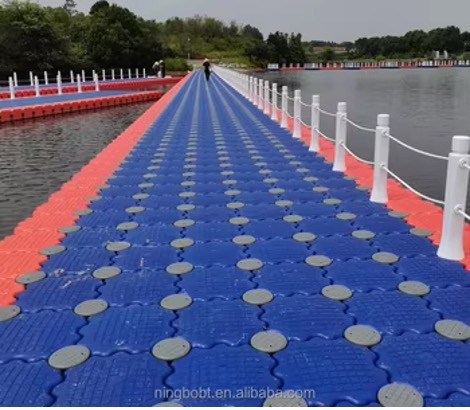
Unlike fixed piers anchored deep into the seabed, floating docks rest directly on the water surface, so they move with every ripple, wake, and current. This creates inherent unsteadiness: the platform shifts underfoot with each step, rocks with passing boat wakes, and rises and falls with tides and water level changes.
Movement severity depends heavily on site conditions. Calm inland lakes produce gentle, barely noticeable sway, while open coastal or bay locations create stronger, constant rocking. Carrying heavy gear amplifies balance challenges, as the dock shifts unexpectedly under added weight.
Noise adds another layer of disruption:
- Anchor chains clank and scrape as they tighten and slack with each wave cycle.
- Deck boards creak and thump against framing and floats in choppy water.
While mild sway is acceptable for many users, the combination of unsteady footing and constant noise can create real barriers for people with balance impairments, anglers who need a stable casting platform, and photographers seeking a steady base. A reliable floating dock manufacturer can help address these concerns through appropriate design and material selection.
What Are the Load Capacity and Water Level Limitations of Floating Docks?
Floating docks have strict weight limits set by the buoyancy of their under-deck floats. Industry standards require floats to be at least 50% submerged at rated load. For reference, a standard 4’×4’×12” encapsulated float has a tested buoyancy rating of 830 lbs, and a 10×10 wooden platform requires at least three floats to support its own weight plus people and gear.
Overloading causes one corner to sink, tilting the deck and creating tripping or fall hazards. Unlike fixed piers, which transfer weight directly to the seabed, floating platforms cannot distribute heavy loads beyond their float capacity.
Water level fluctuations create another set of limits. While floating docks rise and fall with the tide (maintaining consistent freeboard above water), the shore connection creates accessibility challenges. Large vertical tide changes require long gangways to maintain ADA-compliant slopes — a maximum 1:12 grade requires a ~73-foot gangway for a 6-foot vertical range. Extreme high water can push the deck against seawalls, while low water can leave the dock awkwardly positioned relative to shore. Large level changes also strain utility lines (power, water, data) and can cause disconnections.
FAQ
How much maintenance does a floating dock need each year?
Annual tasks include algae cleaning, wood resealing, and hardware replacement, plus seasonal anchoring checks and post-storm inspections. Basic hardware replacement costs $20–$100 per year; professional inspections run $200–$400 every few years.
Why do some people find floating docks uncomfortable?
The platform shifts with every wave and wake, creating unsteady footing, especially when carrying gear. Chains clank and deck boards creak in choppy water. People with balance impairments often struggle with the constant movement.
Can a floating dock hold a large boat?
Weight capacity is strictly limited by float buoyancy. Overloading causes corner sinking and deck tilting. Owners must calculate total weight (deck, people, gear, boat) carefully against float ratings.
Do floating docks harm the environment?
Yes. They block sunlight to the seabed, killing submerged aquatic plants and disrupting benthic habitats. They often require federal or state environmental permits, and some treated wood types are banned due to chemical leaching.
Are floating docks safe for elderly users or children?
They carry elevated fall risk due to wet slippery surfaces and constant movement. Many do not meet ADA accessibility standards. Handrails, clean walkways, and life jackets reduce risk, but they remain less stable than fixed piers.