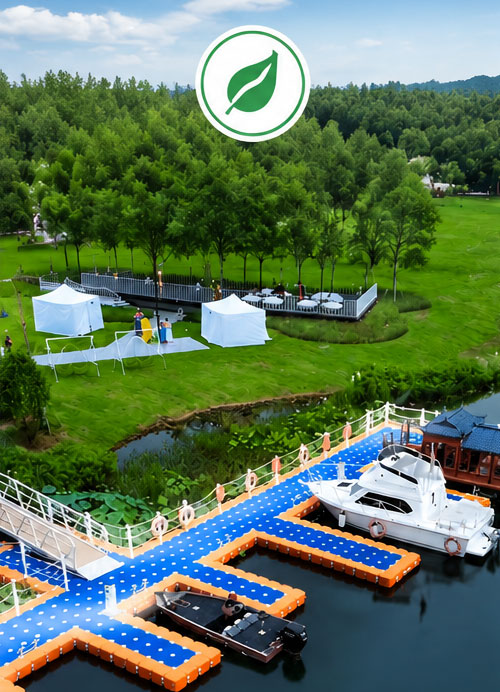
You might see Botai Floating Dock Systems as a top example of a floating platform. These structures help marinas, data centers, and renewable energy projects. In the last ten years, the market value went from $4.2 billion in 2018 to $6.8 billion in 2023. This shows there is strong demand around the world.
Key Takeaways
- Floating platforms are built to float on water. They are flexible and stable. People use them for docks, bridges, and energy projects.
- Botai Floating Dock Systems are a good example. They have docks you can change to fit your needs. These docks last a long time. They are easy to take care of. They are safe for people to use.
- Floating solar farms make clean energy. They do not use up land. This makes them good for the environment. They help produce energy in a green way.
Floating platform overview
Definition and features
A floating platform is a structure that floats on the surface of water. It relies on buoyancy to maintain stability. These platforms are used for various activities, such as building shipyards or research stations. Unlike fixed structures, floating platforms are not fixed in one location. They move with the water flow, which helps them remain stable as water levels rise or fall. Many floating platforms employ modular pontoon systems. This allows them to be easily scaled up or reshaped.
The table below lists the differences between floating platforms and fixed marine structures:
| Feature | Floating Platforms | Fixed Structures |
|---|---|---|
| Buoyancy | Yes | No |
| Flexibility in Placement | High | Low |
| Adaptability to Water Depths | Yes | Limited |
| Mooring Systems | Advanced (chains, cables, dynamic systems) | Anchored to seabed |
| Construction Material | Solid concrete, post-tensioned | Typically concrete or steel |
| Service Life | 50+ years | Varies |
You can get close to the water easily on a floating platform. These platforms can have pipes, wires, and other useful things built in. They feel steady, almost like standing on land when the water is calm.
Types and concepts
There are many types of floating platforms. Each type has its own unique design and purpose:
- Barge platforms: These are flat and good for moving things or holding buildings.
- Semi-submersible platforms: These float partly underwater and are very steady in deep water. People use them for oil drilling or research.
- Spar-buoy platforms: These have a tall, thin cylinder for balance. They are used a lot in offshore energy projects.
- Tension leg platforms (TLPs): These are tied to the bottom of the sea with strong cables. They work well in very deep water.
Floating platforms can be used in lakes, rivers, or oceans. They rise and fall with the currents, making them easily accessible. People use them for recreation, fish farming, or scientific research. Their design helps protect coastlines and provides new homes for marine animals.
Floating platform examples
Botai dock systems
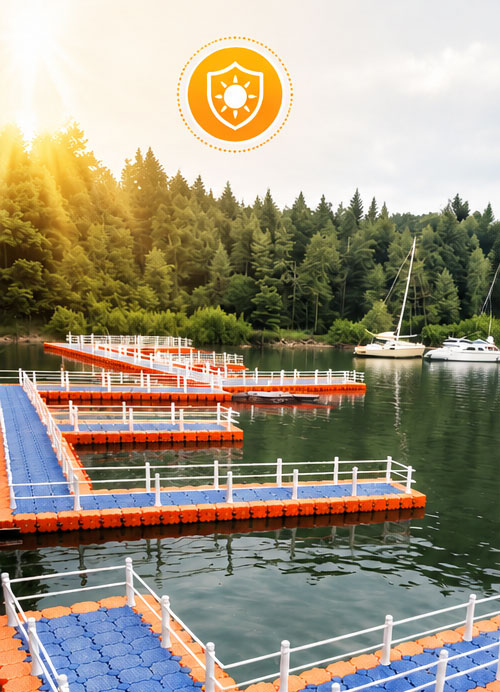
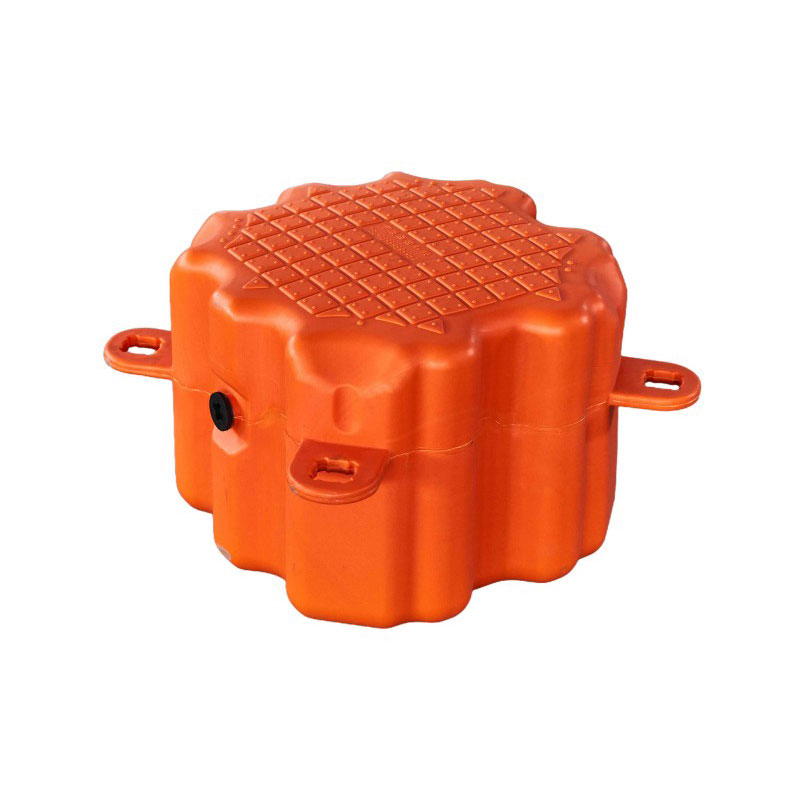
Botai floating dock systems are a prime example of floating platforms. Botai manufactures and sells modular docks suitable for a variety of marine applications. These docks can be used to moor boats, motorboats, swimming platforms, or fishing marinas. The modular design allows you to adjust the shape to your needs. You can build a small home dock or a large yacht marina.
Each Botai dock component is made of high-density, UV-resistant polyethylene. This material is robust and durable, resisting the erosion of sunlight and seawater. The dock surface is non-slip, and cushioning pads around the perimeter ensure safety. High-strength pins securely connect the docks, maintaining their stability. The docks require no painting or sealing, are easy to maintain, and are not easily damaged. Each dock can support up to 2000 kg, making it suitable for a variety of vessels.
The following table lists the key features of the Botai floating dock system:
| Feature | Description |
|---|---|
| UV-resistant polyethylene | Material used for durability and weather resistance. |
| Modular dock sections | Allows for customizable configurations. |
| Non-slip surface | Enhances safety for users. |
| 360-degree bumper protection | Provides safety against impacts. |
| Heavy-duty connection pins | Ensures stability and strength in assembly. |
| Saltwater compatible | Suitable for marine environments. |
| 2000kg load capacity | Indicates the maximum weight the dock can support. |
| Integrated drainage channels | Helps in water management. |
| Anti-UV coating | Protects against sun damage. |
| Maintenance-free design | Reduces upkeep requirements. |
You can purchase Botai marinas in bulk or have them custom-designed. The company produces marinas quickly and is ISO quality certified. Marinas, resorts, and factories all trust Botai to meet their waterfront needs.
Tip: If you want a floating platform that works with changing water levels and many activities, modular dock systems like Botai are a good choice.
Offshore oil rigs
Offshore oil drilling platforms are another major application of floating platforms. These platforms help extract oil and gas from land. They typically operate in deep or ultra-deep water. Oil drilling platforms are specially designed to ensure safety and stability in harsh sea conditions. They can be moved to new work sites as needed. This helps companies adjust their plans when necessary.
The following table lists the main components of an offshore oil drilling platform and their functions:
| Component | Description | Function |
|---|---|---|
| Hull / Floating Structure | The main body of the rig that provides buoyancy | Keeps the rig afloat and ensures stability in water |
| Drilling Equipment | Derricks, top drives, mud systems, blowout preventers | Used for drilling wells safely and efficiently |
| Mooring / Station-Keeping Systems | Anchors, chains, or dynamic positioning thrusters | Maintains the rig’s location during operations |
| Production Facilities | Separators, compressors, pumps, processing units | Processes hydrocarbons from subsea wells |
| Safety and Emergency Systems | Fire suppression, lifeboats, alarms, spill containment | Ensures safety of personnel and environment |
Floating platforms like these can operate in remote seas and at varying depths, providing energy to the world. In 2021, 29% of U.S. oil came from offshore wells. Experts predict that this figure will reach 28% by 2025. These platforms also protect the seabed and enable companies to adopt new technologies more quickly.
Floating solar farms
Floating solar power plants utilize floating platforms to mount solar panels on water. This system is an option when land resources are scarce or costs are prohibitive. Water effectively cools the panels, resulting in 5% to 15% higher power generation compared to onshore panels. Furthermore, floating solar power plants have lower operating costs. You don’t need to clear land or cut down vegetation.
The table below compares floating solar power plants and onshore solar panels:
| Design Consideration | Floating Solar Farms | Land-Based Solar Installations |
|---|---|---|
| Site Selection | Must consider aquatic environments and climate factors | Focuses on terrestrial ecosystems and land availability |
| Structural Stability | Requires robust mooring systems for water fluctuations | Stability based on ground conditions |
| Maintenance Challenges | Involves specialized equipment and trained personnel | Generally easier access for maintenance |
| Environmental Impact | Assesses effects on local wildlife and water quality | Primarily impacts terrestrial ecosystems |
Currently, the global installed capacity of floating solar power generation exceeds 6 gigawatts. This sector is developing rapidly, with an annual growth rate of 11.3%. India and Southeast Asia are leading the way, as they require land to be saved for farmland and urban development.
Note: Floating solar farms help you make clean energy and save land.
Floating bridges
Floating bridges connect waterways to roads using floating platforms. They are found in areas where building traditional bridges is too difficult or costly. Floating bridges allow cars, bicycles, and pedestrians to easily cross waterways, improving transportation and boosting local economic development.
Here are some famous floating bridges and the problems they solved:
| Bridge Name | Location | Notable Features | Engineering Challenges |
|---|---|---|---|
| Evergreen Point Floating Bridge | Washington State | Longest floating bridge, accommodates vehicular and pedestrian traffic, includes bike lanes | Advanced engineering for stability and safety |
| Pont de l’Île de Ré | France | Scenic views, connects Île de Ré to mainland, combines floating and fixed elements | Flexibility in water levels |
| Houghton Floating Bridge | Washington State | Accommodates heavy traffic, critical for local transport, includes safety features | Ensuring stability and safety for heavy traffic |
Floating bridges have many good points:
- They cost less because they need simple foundations.
- They protect nature and do not disturb land much.
- They make it easy to cross water and help towns grow.
Floating platforms are useful for docks, energy, and travel. Each example shows how these structures fix real problems and help build modern life.
Key Benefits and Practical Uses of Floating Platforms
Advantages
Compared to fixed platforms, floating platforms offer numerous advantages. They can be used year-round, regardless of water levels. The platform moves with the water level, allowing for safe boarding and disembarking at any time. You don’t need to worry about tides. Its unique design ensures stability even during storms or large waves. You can also add features such as automatic walkways to further enhance safety.
- Floating docks work in all kinds of weather.
- They change with the water level by themselves.
- You can use them for boating and swimming all year.
- The platform keeps your boat safe by moving with the waves.
- The parts fit together well and do not twist or bend.
Floating platforms are also good for nature. They use gentle ways to check water health and help sea animals. These platforms let scientists watch how the water changes and plan for a better future.
Applications
You can use a floating platform in lots of places:
- Marinas and resorts use pontoon docks for boats and jet skis.
- Lakes for fun have drum docks for fishing and swimming.
- Factories near water use platforms for safe work spots.
- People set up floating platforms for concerts or races.
- Cities use them for short-term water access and events.
A floating platform gives you a flat, steady place to stand. It makes the water area safer and easier for everyone, even people who need extra help. You can add ramps and railings to keep things safe.
| Application Area | Main Benefit |
|---|---|
| Marinas | Easy boat access year-round |
| Industrial Waterfronts | Safe, stable work surfaces |
| Recreational Lakes | Fun and safe water activities |
| Event Spaces | Unique, flexible venues |
| Water Access | Consistent accessibility for all |
Tip: Pick a floating platform if you want a safe, flexible, and earth-friendly way to use your waterfront.
Floating platforms are improving the aquatic environment. Botai’s docks are robust and durable, and can be adapted for various uses.
- Floating docks help you get on boats or go to events safely.
- They help make clean energy, keep nature safe, and work when water gets higher.
Think about using floating platforms for your next project near water.
FAQ
What is a floating platform used for?
You can use floating platforms to build docks, bridges, solar power plants, and oil drilling platforms. They can help you work, travel, or produce energy on water.
How long does a Botai floating dock last?
The service life of Botai floating docks can reach over 20 years. Made of high-density polyethylene, they are resistant to sunlight, salt corrosion, and impact.
Can you customize a floating dock system?
Yes, you can design a floating dock to suit your needs. Botai offers modular components, so you can change the size or shape at any time.