700mm Navigation Buoys
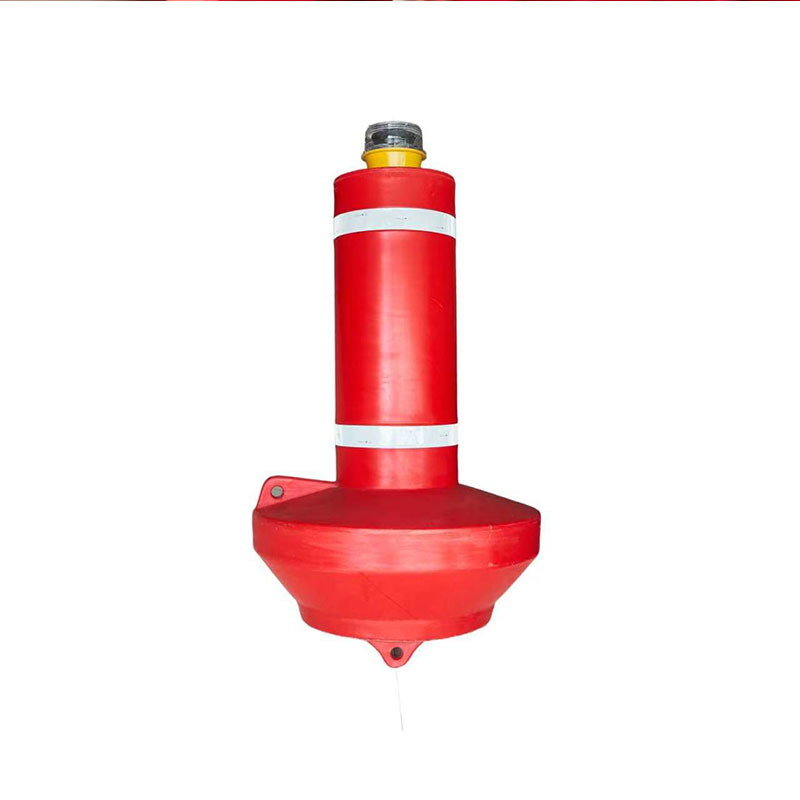
- Reference No.: FB700
- Compliance: 100% Compliant with IALA Guidelines
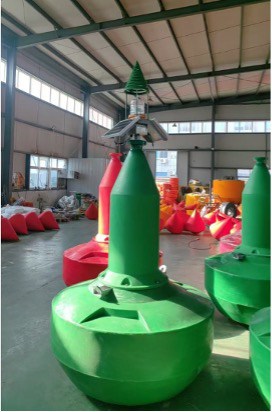
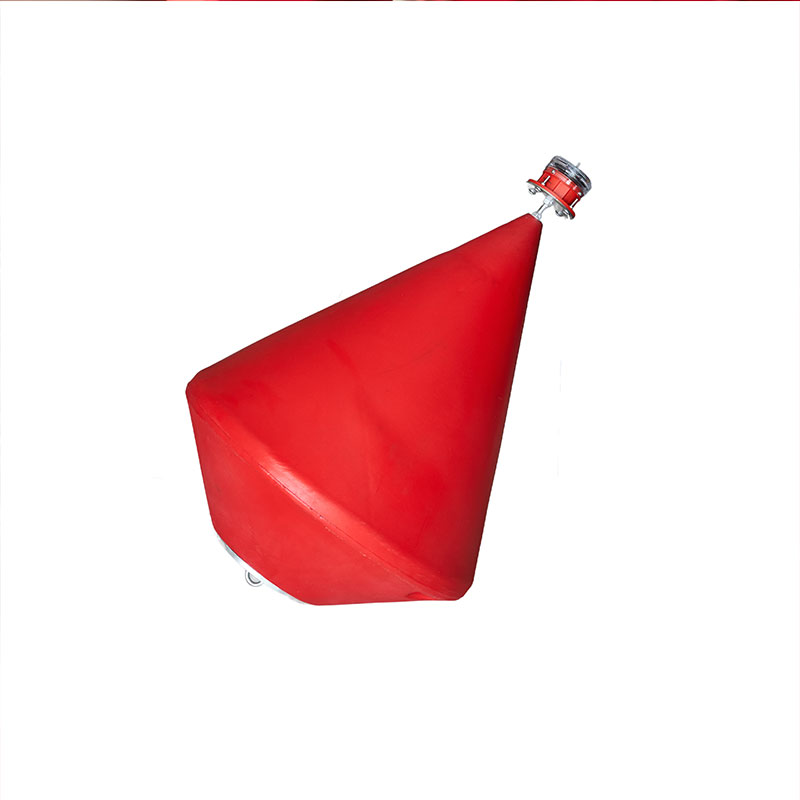
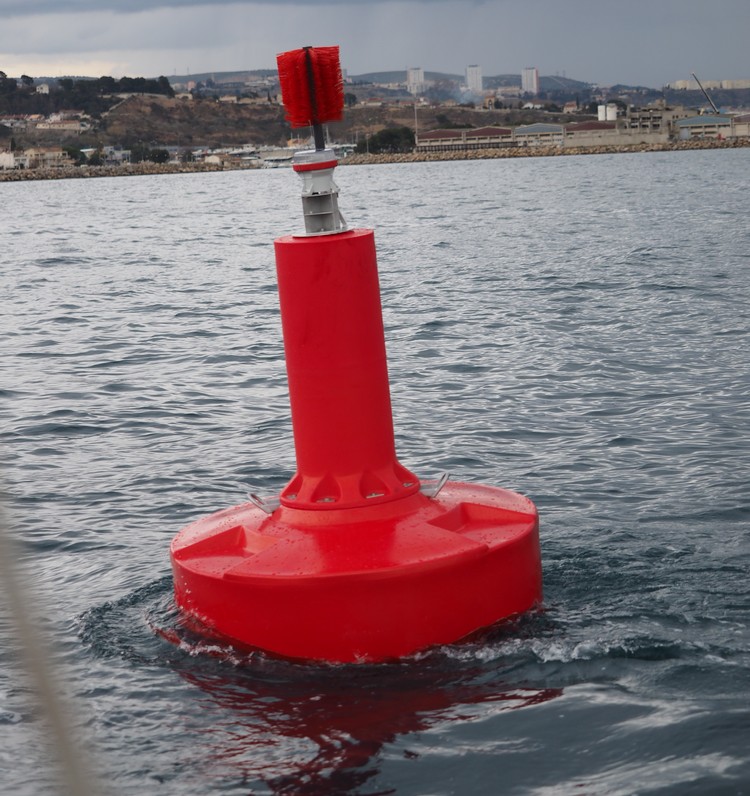
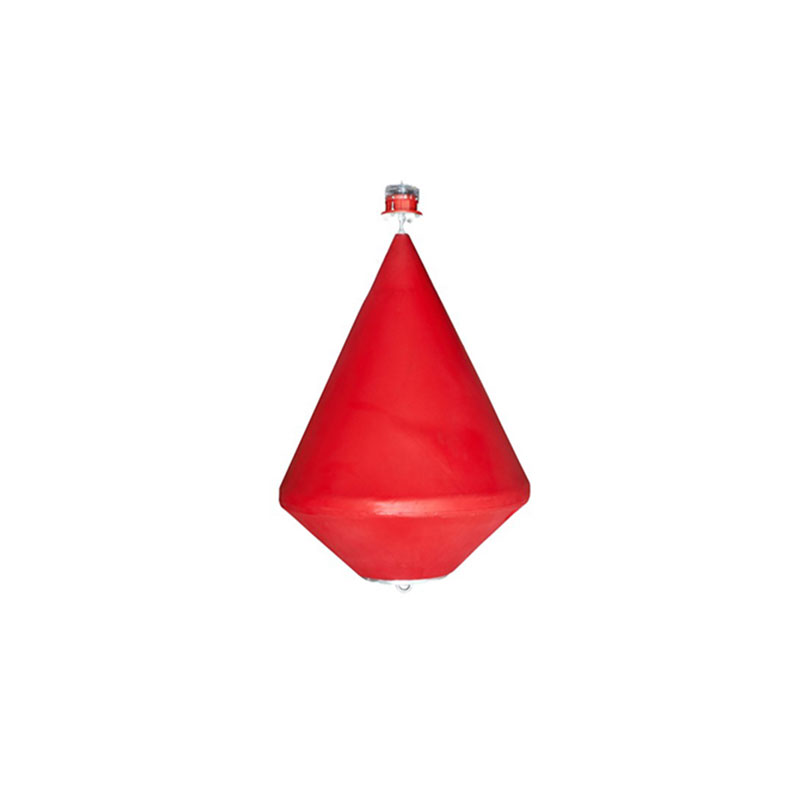
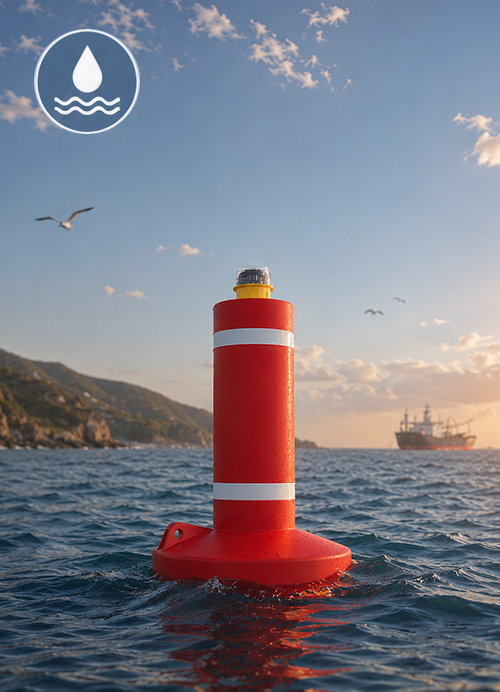
Navigation buoys are used as markers (references) on the vast sea (lake) surface, used to navigate or mark navigation channels and submerged shoals, and mark fishing nets and detection equipment in the water. They are usually anchored to prevent the water from displacing them.
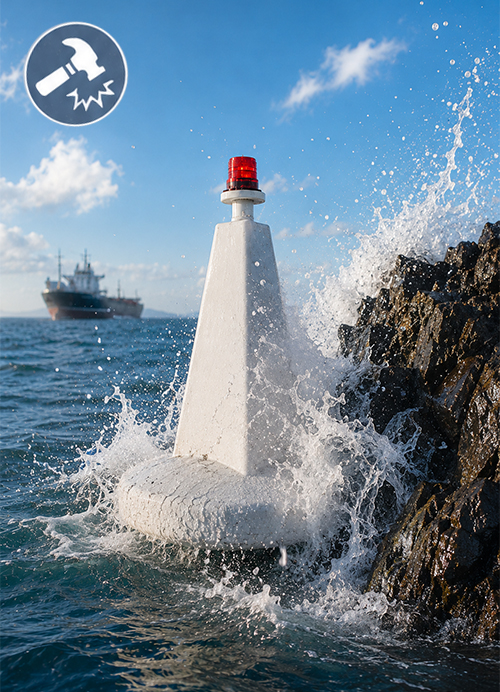
The color of the channel buoy must be bright, so that it can be clearly seen in the sea. It is a beautiful landscape on the sea. And in the rough seas, channel buoys have high requirements for collision avoidance.
- Compliant with IALA Standards and ISO International Management Systems
Technical Specifications & Quality Documentation for Marine Navigation Buoys
| Technical Specifications – FB700 | |
|---|---|
| Reference No. | FB700 |
| Hull Material | 100% Virgin LLDPE (Lotte Chemical) |
| Wall Thickness | 6mm |
| Diameter | 700 mm |
| Overall Height | 900 mm |
| IALA Standard Colors | Red, Green, Yellow, Blue |
| Reserve Buoyancy | 110kg |
| Weight | 6.5kg |
| Eco friendly | Recyclable polyethylene. Heavy metal free. No ecological damages |
1. The floating body is resistant to impact and wind and waves, has a compact and reasonable structure, simple installation and excellent performance.
2. Good toughness, strong resistance to environmental stress cracking, suitable for offshore and lake construction.
3. High load-bearing capacity, light weight, strong abrasion resistance, easy installation and handling, low transportation and transfer cost, stable and durable cylinder.
4. Anti-corrosion, strong weather resistance and long service life, which is ji times the service life of steel pontoons Anti-corrosion, anti-freeze, anti-oxidation, anti-ultraviolet reinforced material, not corroded by sea water, chemicals , oil stains and aquatic organisms.5.The assembly is simple, fast, flexible, and diverse in shapes.
6.The price is low, and the cost performance is obviously better than that of steel floats.
About usage
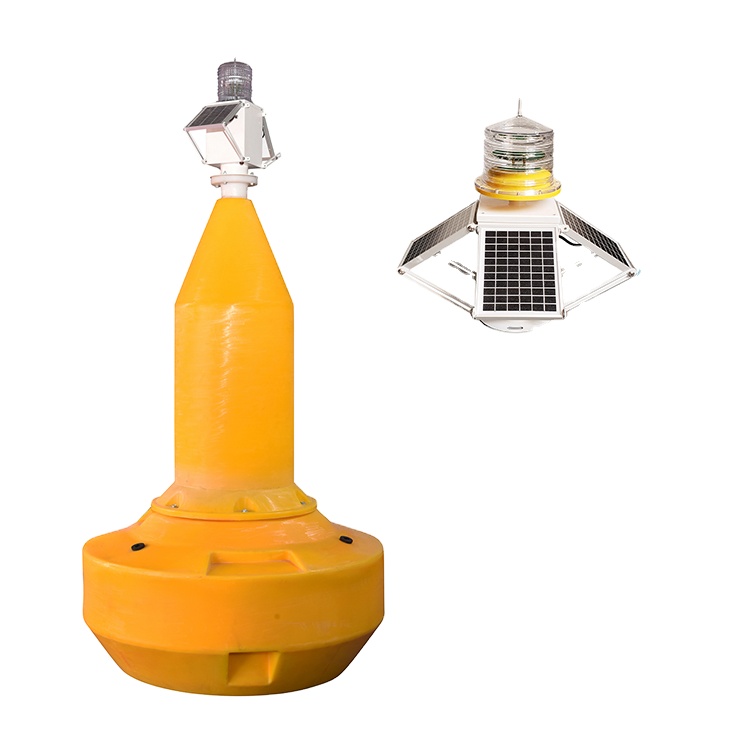
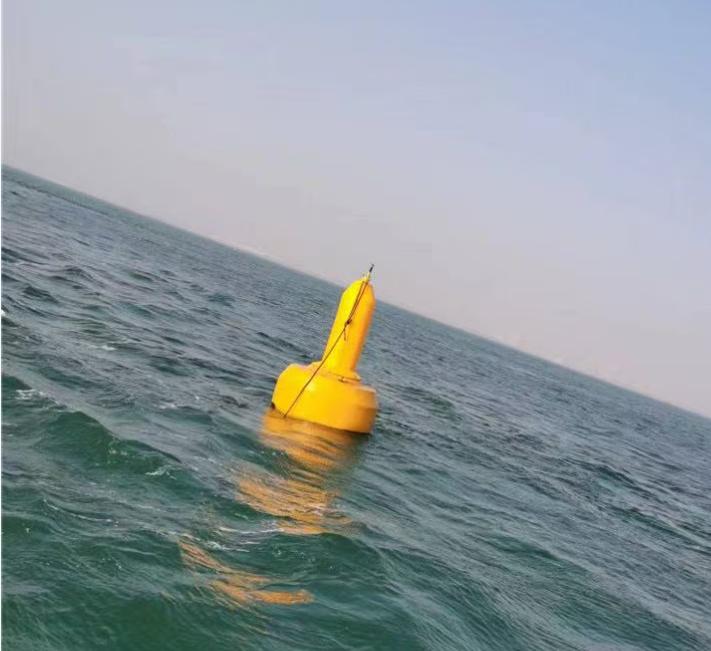
1, Navigation aid mark: The fishery landmark is a kind of maritime beacon, which is widely used in aquaculture, marine protection areas, and water fishery operations areas. Landmarks are designed and manufactured in accordance with standards, with yellow body, top mark and navigation lights. During the day, the yellow, fish-shaped logo and top logo of the target body have a warning effect.
2, At night, the yellow flashing beacon light serves as a warning. The landmarks define the boundary of the fishery, that is, they can identify the fishery scope for users themselves, and also provide navigation for foreign ships. Prevent other ships from accidentally entering and causing unnecessary losses
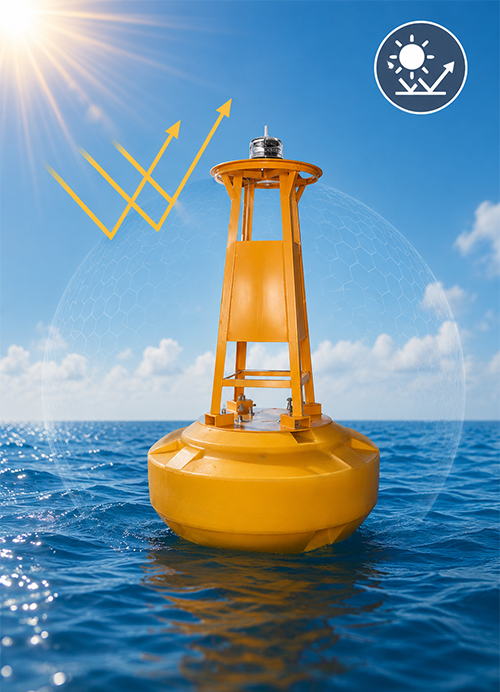
UV Resistant Material
- UV-stabilized PE material resists sunlight,fading and cracking,ensuring long-lasting outdoor performance.
Corrosion Resistance
- Corrosion-resistant PE will not rust or rot,making it ideal for saltwater and harsh marine environments.
Waterproof
- Seamless rotational molding creates a fully sealed structure that prevents water ingress and maintains buoyancy.
Durable & Long Service Life
- High-impact PE construction withstands collisions and rough conditions for a longer service life.
Eco-Friendly
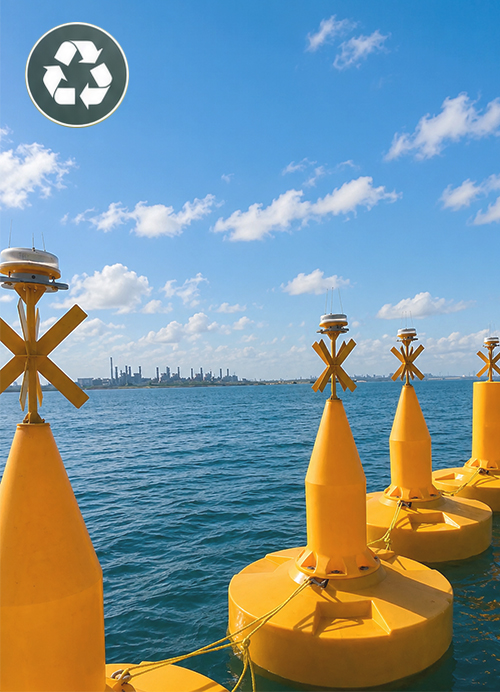
- Made from recyclable,non-toxic PE materials,providing a sustainable,and environmentally,friendly solution.
Customizable
- OEM and ODM servavailable with customsizes, colors, logos andconfigurations to meetproject needs.

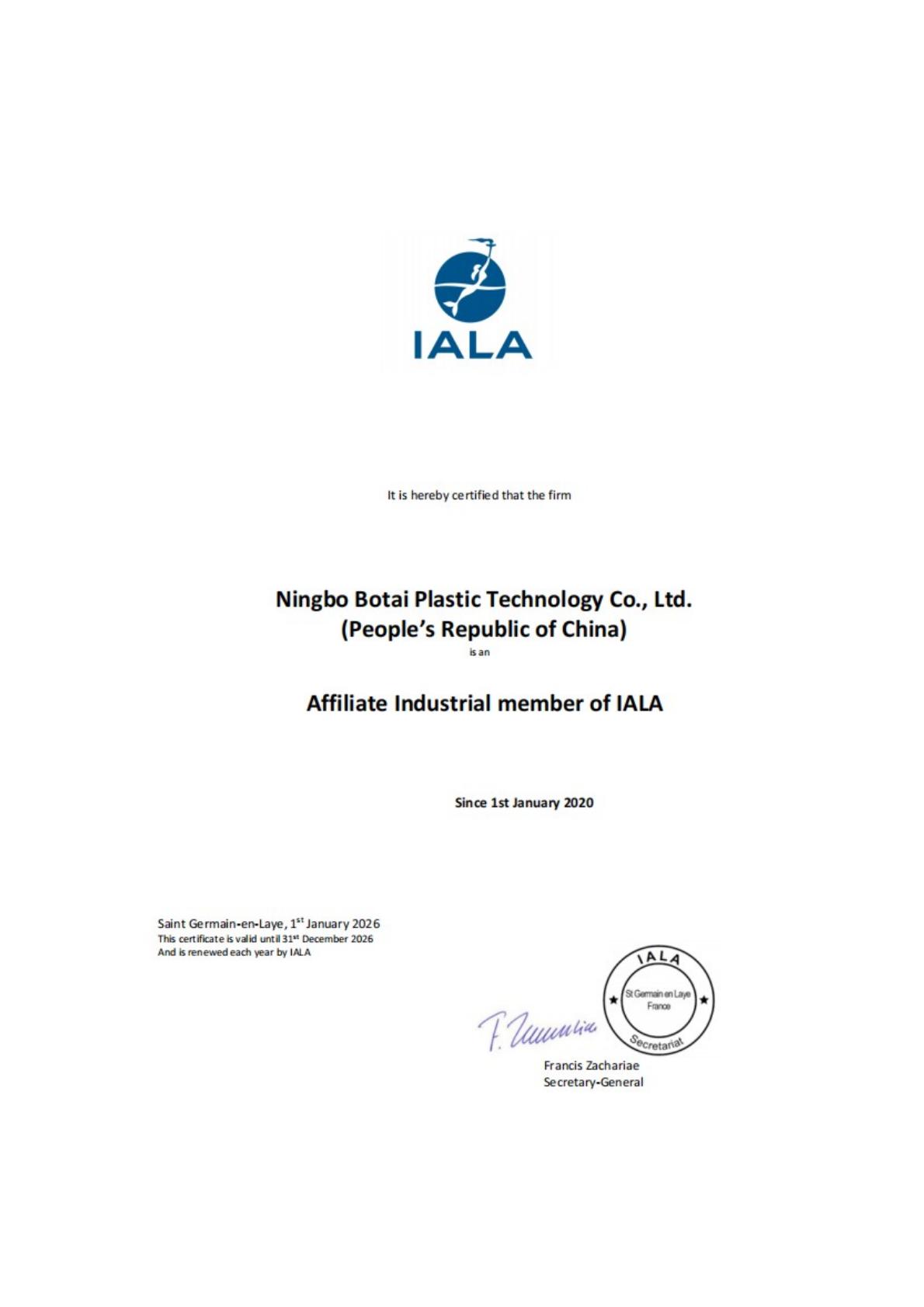
IALA Membership / Compliance Standards
As a professional navigation aids manufacturer, we strictly adhere to IALA maritime guidelines. Our products are engineered to provide maximum visibility and reliability in accordance with international channel marking standards.
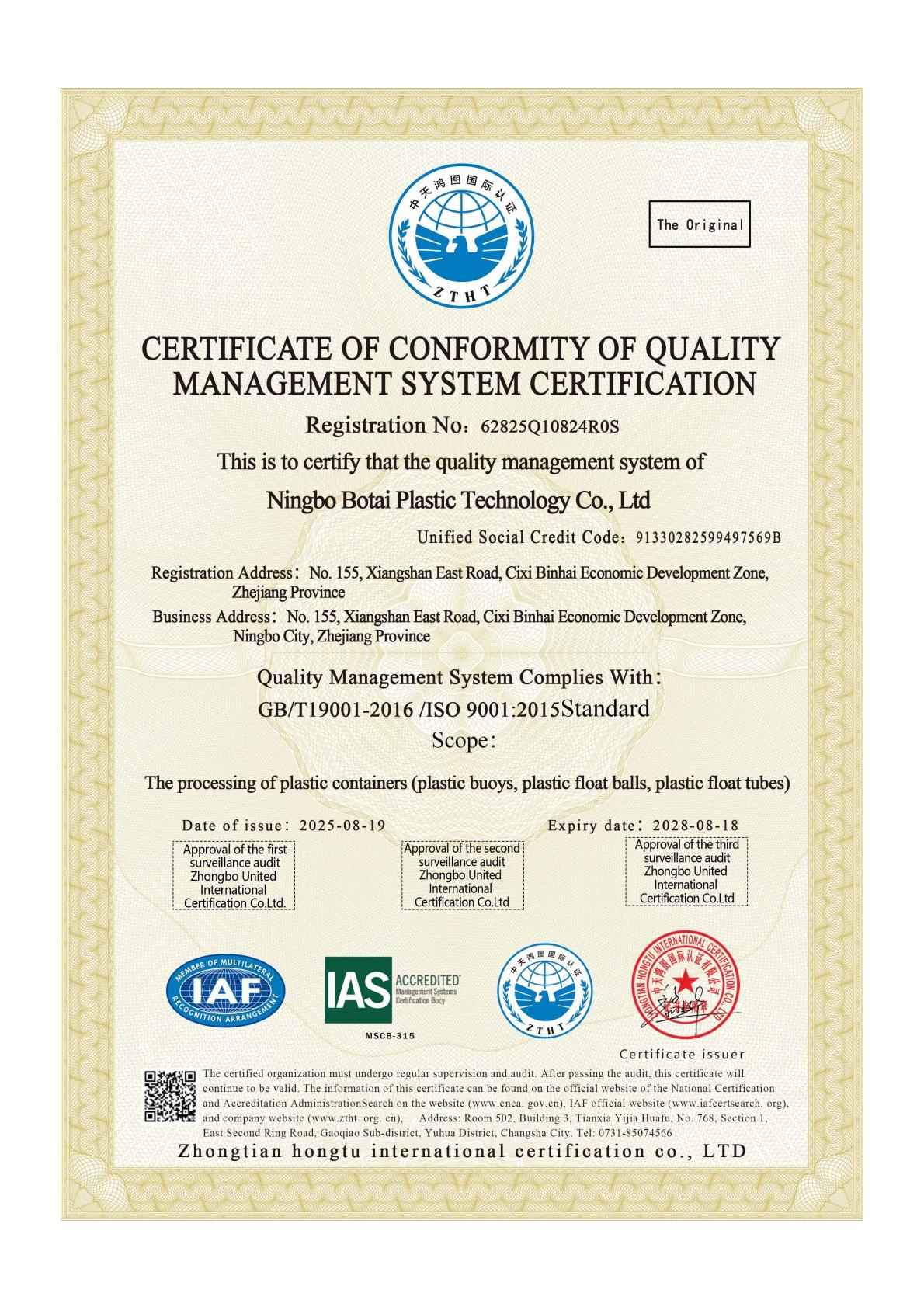
ISO 9001: Quality Management System
Demonstrates our commitment to consistent product quality and process efficiency, ensuring every navigation buoy delivered meets precise engineering specifications and client expectations.
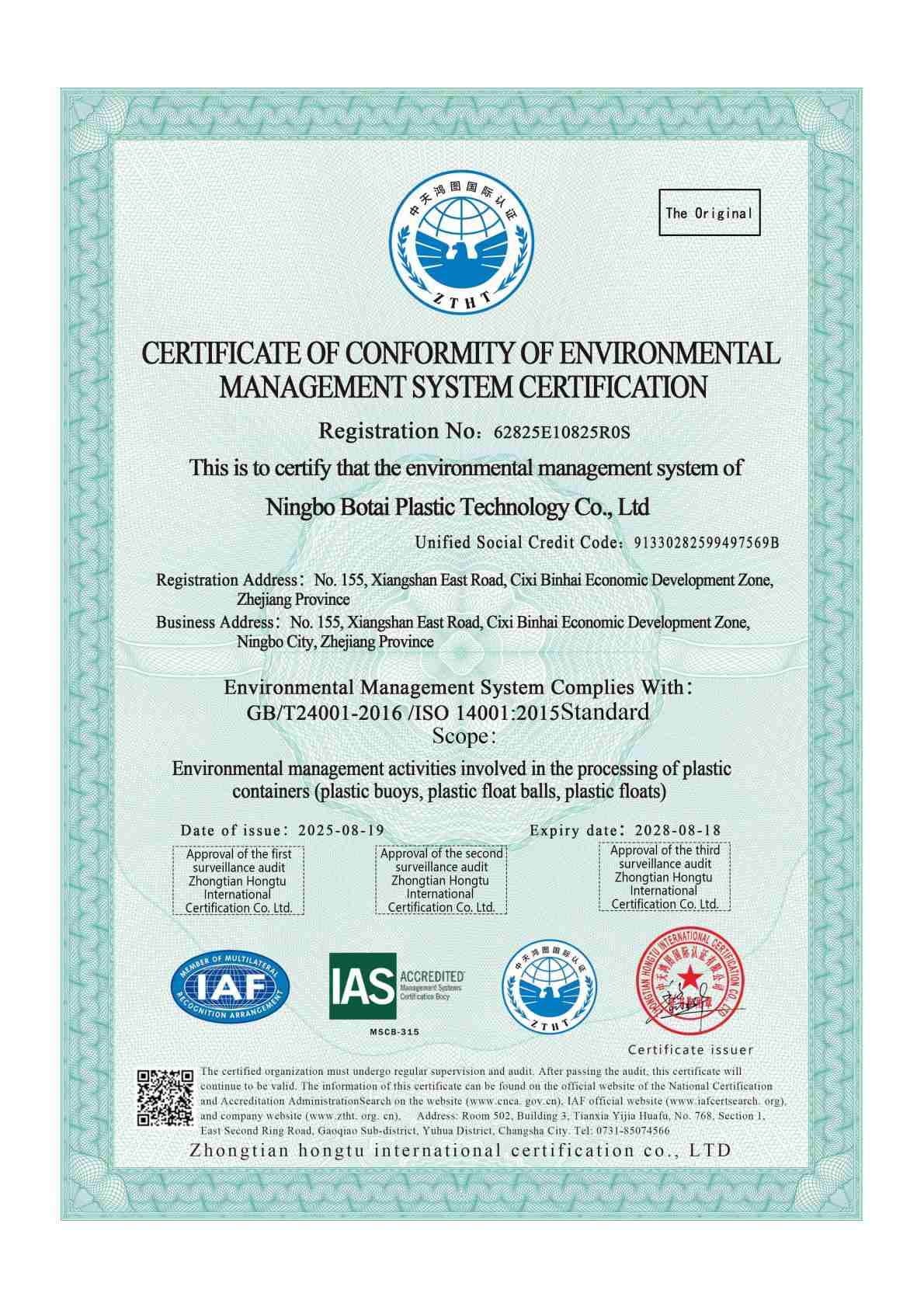
ISO 14001: Environmental Management System
Reflects our dedication to sustainable manufacturing processes, minimizing environmental impact throughout the production of our LLDPE navigation markers.
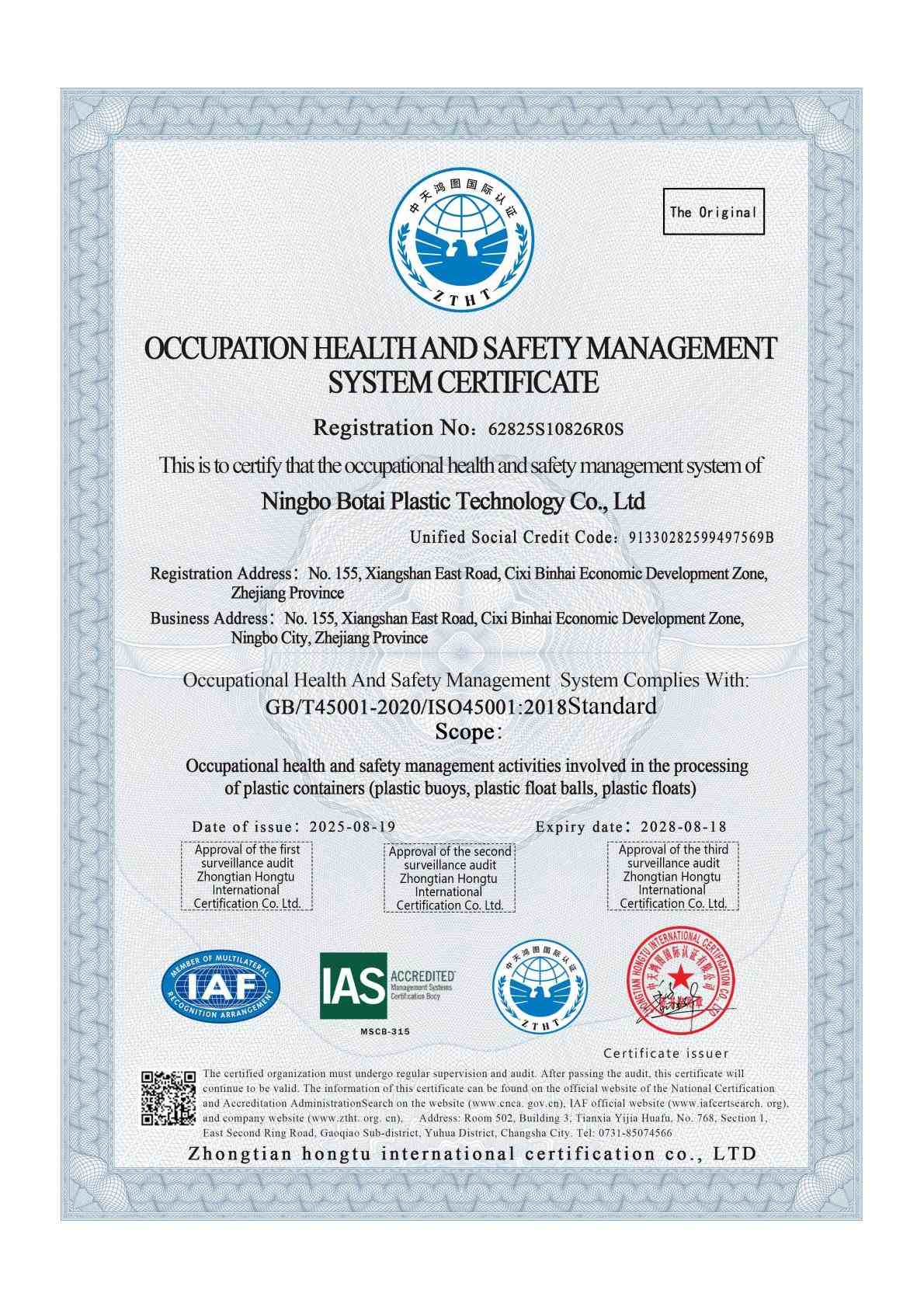
ISO 45001: Occupational Health & Safety
Guarantees a safe working environment for our skilled production team, ensuring operational continuity and reliable lead times for large-scale international projects.
Product Datasheet (PDF)
Download the complete technical specifications and performance data for our navigation buoys.
CAD & Technical Drawings
Access 2D and 3D files to assist with your engineering layout and project planning.
Installation & Maintenance Manual
Step-by-step guidance on deployment, mooring configurations, and long-term upkeep for optimal buoy performance.
Quality & Compliance Certification
Includes IALA standard compliance statements, ISO 9001/14001/45001 certificates, and technical test reports for your procurement and audit records.
- From Tailored Mooring Configurations to Custom Colors: How We Engineer Your Global Maritime Aids to Navigation
Our Customization Process for Navigation Buoys
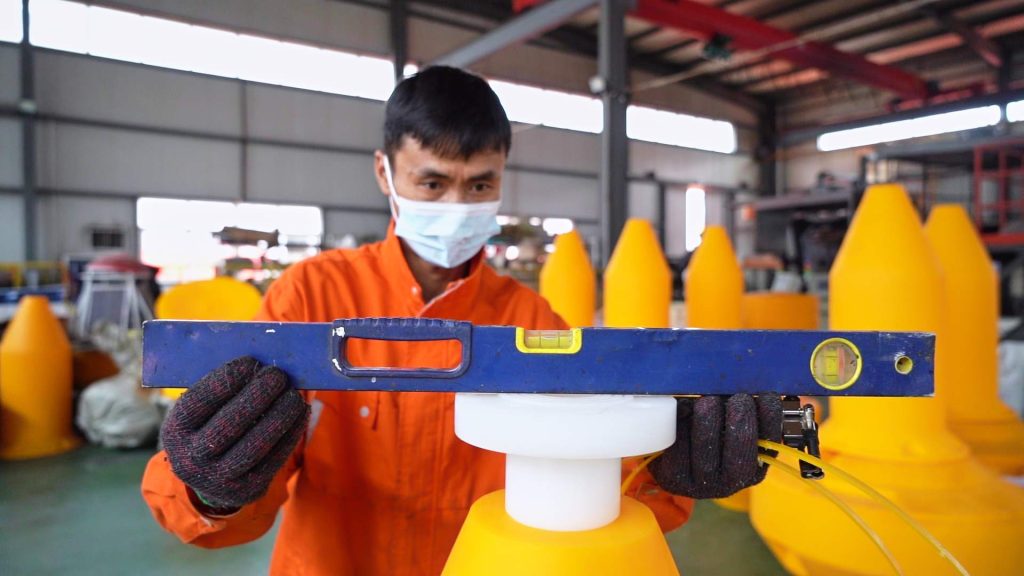
As a premier navigation buoy manufacturer, we don’t just supply standard equipment—we manufacture and engineer long-term marine safety solutions tailored to your specific project environment. Whether you need a single offshore channel buoy or an integrated deployment of navigation buoys and markers, our in-house rotomolding factory controls the entire process from custom mold design to final validation. We leverage our high-capacity facility to transform your engineering specs into durable, IALA-compliant realities.
01.
Project Needs Analysis & Maritime Consultation
We begin by deeply assessing your specific marine deployment scenario—whether your local port requires an offshore nautical buoy, an inland water navigation buoy, or high-visibility waterway buoys for specialized port channels.
Case Fact: Guatemala Channel Navigation Buoy Project
The client faced critical operational uncertainty regarding the exact physical dimensions and engineering buoyancy models required for their unique estuary and coastal shipping channels. We performed a deep diagnostic assessment of their local inland river currents and tidal scenarios, presenting an exhaustive technical feature comparison across our distinct navigation buoy models, specifically the 1200 mm diameter models (FB1200P, FB1200T) and the larger 1500 mm diameter model (FB1500P). This systematic maritime consultation successfully resolved the buyer's selection concerns, matching them with the exact 1500 mm HDPE channel navigation buoy to maximize local channel navigation safety and port efficiency.
02.
Custom Engineering of Navigation Aids Buoy Systems
We transform your project specifications into precise engineering blueprints. Our technical team specializes in modifying heavy-duty LLDPE and HDPE formulations to fit non-standard project needs for various marine markers and buoys.
Case Fact: UAE Navigation Marker Buoy Project
Operating within Jebel Ali, one of the busiest and highest-traffic port zones in the Middle East, the client needed to completely replace an outdated, low-visibility warning line infrastructure. We custom-configured a robust 1500 mm HDPE navigation marker buoy system fitted with a specialized X-type top mark and integrated solar-powered marine warning lights. This custom-engineered configuration achieved a highly reliable, high-visibility day-and-night safety marking boundary for their protected marine area.
03.
Prototyping & Quality Assurance for Marine Marker Buoy Projects
Before we initiate full-scale mass production, we rigorously validate the structural, structural-load, and flotation stability of your maritime buoy to eliminate any operational risks in harsh offshore environments.
Case Fact: Philippines Government Warning Buoy Project
This public sector procurement project for the Davao coastal waters demanded absolute technical compliance, rigid adherence to IALA standards, and zero manufacturing defects. Before initiating full-scale mass production, the government agency required a rigorous validation of all product details and structural engineering profiles. We prepared, compiled, and delivered an exhaustive package of technical documentation, including precise engineering blueprints, product design drawings, and full technical data sheets for our 1500 mm HDPE navigation warning buoys in standard IALA red/green colors. This rigorous quality assurance documentation satisfied all government evaluation metrics, allowing the client to pass the strict public review process smoothly.
04.
Strategic Logistics & Mooring Configuration Support
We optimize the entire delivery and deployment lifecycle, actively protecting your project budget from hidden international shipping or field-installation costs.
Case Fact: Dominican Republic Santo Domingo Navigation Buoy Project
This project required the deployment of an intricate, multi-component navigation system—including custom buoy bodies, solar-powered marine lights, dedicated top marks, and high-precision radar reflectors to ensure the buoys can be detected by vessel radar—at Muelle Multimodal Caucedo. Because international maritime shipping is highly vulnerable to container terminal delays and unexpected operational expenses, we implemented a proactive logistics notification system. By providing real-time cargo tracking and urgent, timely port pickup reminders directly to the client as the vessel arrived, we enabled immediate customs clearance and port pickup, completely protecting the client's project budget from expensive port detention charges.
Optimizing maritime navigation safety and port channel efficiency.
Find your tailored marine navigation buoy solution today.
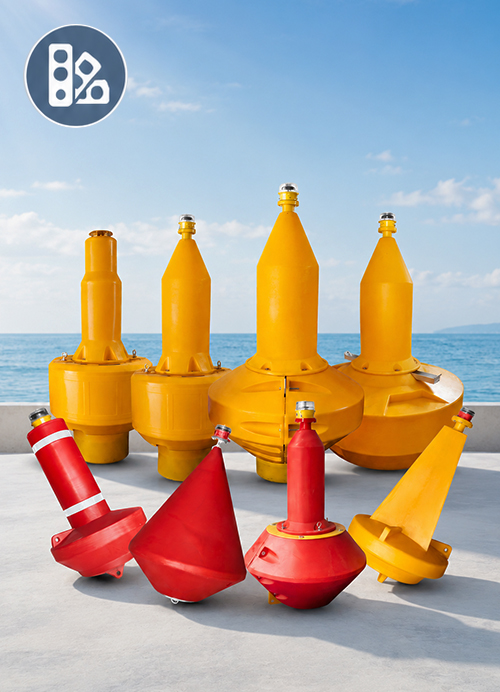
- Explore Our Comprehensive Fleet of Marine Navigation Buoys, Channel Buoys, and Waterway Buoys
Related Products & Alternative Navigation Buoy Models
- Why Global Maritime Authorities and Marine Contractors Trust Our In-House Rotomolding Factory
Our Manufacturing Advantages for Navigation Buoys
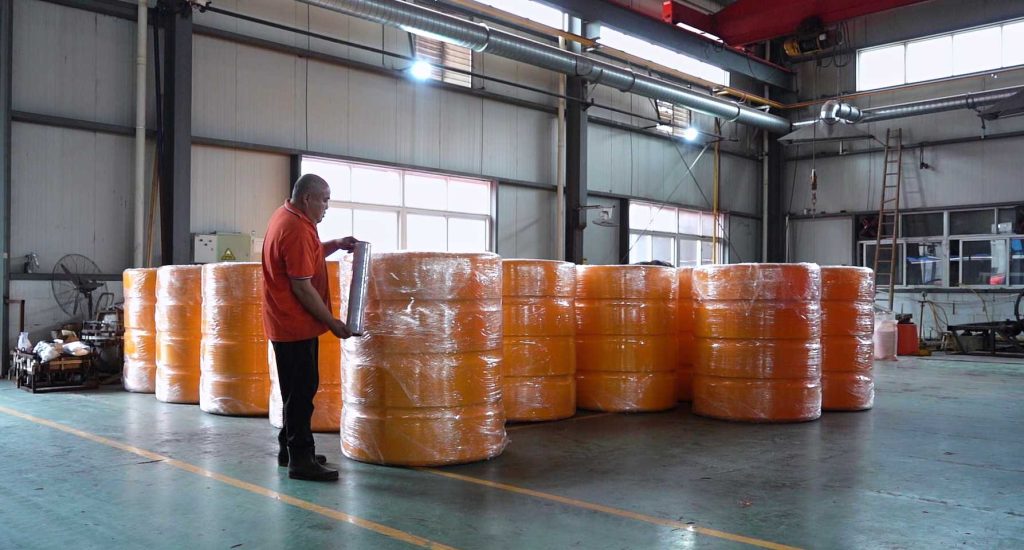
As a leading navigation buoy manufacturer, we don’t intermediate—we control. From engineering advanced marine navigation buoys to custom-mixing UV-stabilized resins for high-visibility waterway buoys, our vertically integrated facility is engineered to deliver maritime infrastructure that stands up to the harshest open-ocean environments. When you partner with us, you are buying directly from the factory floor, backed by decades of engineering expertise.
In-House Rotomolding Mastery
We utilize factory-direct, high-capacity rotomolding to engineer custom LLDPE/HDPE hulls up to 2.5 meters for projects like the Brunei and Thailand navigation buoy installations.
Strict 100% IALA Standard Compliance
Every marine navigation buoy we manufacture strictly adheres to IALA maritime guidelines, backed by rigorous physical pre-assembly and water flotation testing for flawless offshore balance.
Catastrophic Impact Resistance
Our navigation buoys feature heavy-duty hulls injected with closed-cell polyurethane foam, guaranteeing 100% unsinkable performance even during severe vessel collisions.
Turnkey Field Engineering Support
We deliver complete project peace of mind by providing custom mooring chain design manuals, installation video guidance, and cost-saving container logistics optimization.
- Latest Articles and Industry Knowledge on Buoys and Floats
Rotomolded Buoys & Floats Knowledge Blogs

How to clean a buoy?
Cleaning a buoy means you take off debris. You scrub it with mild soap. Then you rinse it well. You also check for any damage. Botai marine navigation buoys are strong. They are easy to take care of. You must use the right materials. You need to follow safety steps.

What are the six types of buoys?
To ensure safe and efficient maritime operations, port authorities, marine engineers, and offshore operators must rigorously understand the standardized types of navigational aids. Global buoyage regulations are governed by the IALA Maritime Buoyage System (MBS) (Edition 8.1, 2023). Under this strictly enforced international framework, the six primary marks utilized to
What is an example of a floating platform?
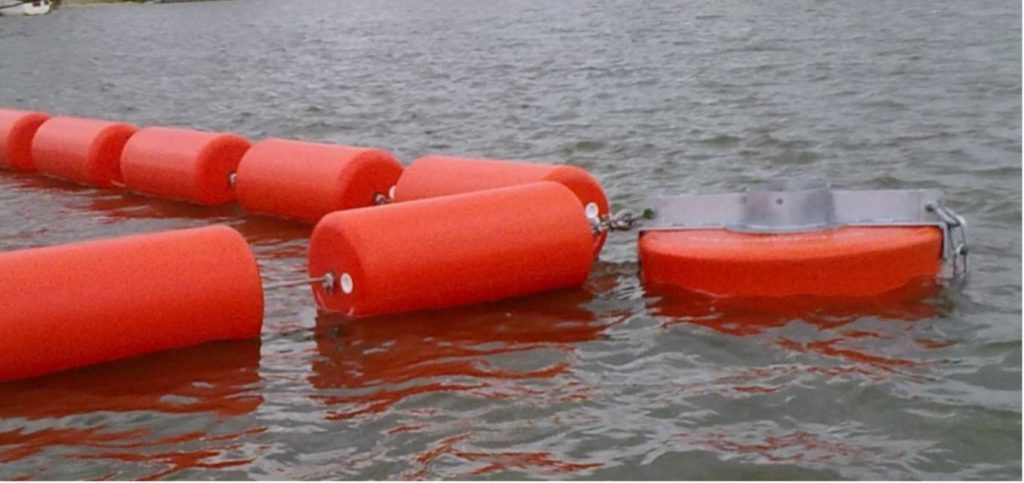
You might see Botai Floating Dock Systems as a top example of a floating platform. These structures help marinas, data centers, and renewable energy projects. In the last ten years, the market value went from $4.2 billion in 2018 to $6.8 billion in 2023. This shows there is strong demand

What is the life expectancy of a floating dock?
Evaluating the longevity of a floating dock requires a precise understanding of material science, environmental stressors, and standardized maintenance. According to commercial marine engineering standards, a high-quality floating dock provides a functional lifespan of 20 to 30 years under typical conditions. However, this baseline fluctuates significantly based on the materials
- Quick Answers to Common Engineering and Procurement Inquiries
FAQ About Our Navigation Buoy Engineering
How do your navigation buoys ensure long-term IALA compliance in open seas?
We engineer every marine navigation buoy body to strictly comply with and exceed international maritime visual signaling recommendations. Our in-house compounding process incorporates premium, masterbatch-pigmented polymers containing advanced hindered amine light stabilizers to ensure that each deployed marine navigation buoy hull maintains its exact chromaticity coordinates under continuous, high-salinity equatorial sun exposure. By performing rigorous accelerated weathering analysis and mandatory ultrasonic wall-thickness scanning on every production batch, we guarantee that your deployed marine marker buoy assets remain legally compliant and highly visible to vessel traffic throughout their entire service life.
How do you optimize the hydrodynamic stability and mooring draft of each channel buoy?
We resolve the critical challenge of offshore list and pitch by engineering custom, hot-dip galvanized structural steel or heavy cast-iron counterweights directly into the lower ballast keel of each channel buoy. Our naval architects utilize advanced computational fluid dynamics to calculate the exact hydrodynamic buoyancy centers relative to operational displacement, ensuring that every marker buoy maintains a stable, vertical orientation even when subjected to intense 4-knot tidal currents or severe wave action. This precise stability engineering guarantees that the focal plane of your mounted marine lanterns remains within the optimal line-of-sight angle for incoming vessel traffic, eliminating the erratic tilting common in poorly balanced maritime navigation systems.
Can your nautical buoy structures support third-party monitoring instruments and lanterns?
Yes, we have integrated heavy-duty, marine-grade stainless steel top-plate interfaces directly into the molded upper superstructure of the nautical buoy to accommodate global marine hardware standards. Our engineering design provides pre-molded, standardized bolt patterns that allow your technical teams to securely install solar panels, radar reflectors, AIS transponders, and LED marine lanterns without drilling through the primary flotation cell of the maritime buoy. This factory-direct integration ensures that all structural loads are evenly distributed across the entire platform, eliminating localized stress concentration and preventing water leakage around the electronic payloads of our deployed marine navigation buoys.
How does your specific marine markers and buoys design prevent sinking if the outer shell suffers a catastrophic puncture?
We eliminate the risk of catastrophic buoyancy loss through our proprietary dual-wall encapsulation matrix, which ensures that the structural survival of our marine markers and buoys does not rely solely on the outer skin layer. During our precision rotational molding process, we inject high-density, expanded closed-cell hydrophobic medium into the internal cavity of the channel marker buoys under strict thermal controls, bonding the matrix seamlessly to the inner walls without a single atmospheric void. If an extreme collision with a commercial vessel or heavy marine debris causes a severe structural puncture, our water-tight internal core completely rejects fluid absorption, guaranteeing that the damaged navigation buoys and markers retain their full flotation metrics and stay safely on station until maintenance teams arrive.
Why do your HDPE navigation buoys offer lower total cost of ownership compared to steel buoys?
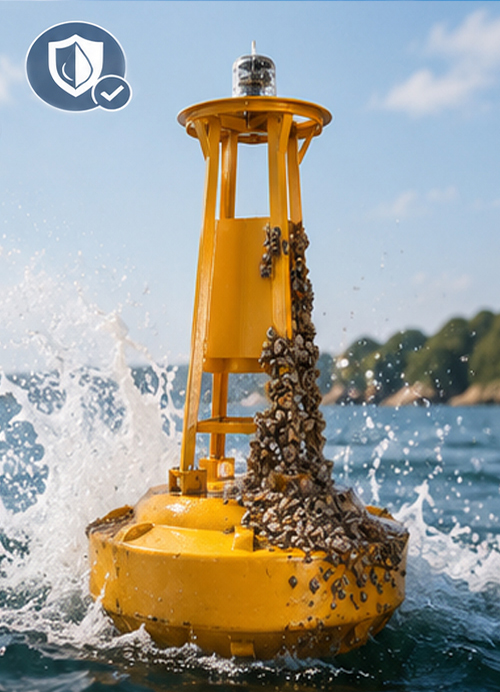
We eliminate the compounding maintenance expenses of traditional maritime infrastructure by replacing corrosive metals with our engineering-grade, high-impact thermoplastic material formulations. Our specialized waterway buoys require absolutely no sandblasting, structural welding repairs, or marine anti-corrosive recoating throughout their entire 10-plus-year operational lifecycles. Marine growth like barnacles and algae cannot strongly adhere to our slick, non-porous surfaces and can be rapidly cleared with a simple low-pressure water wash during routine service intervals, drastically reducing vessel deployment hours and operational maintenance budgets for port authorities worldwide.