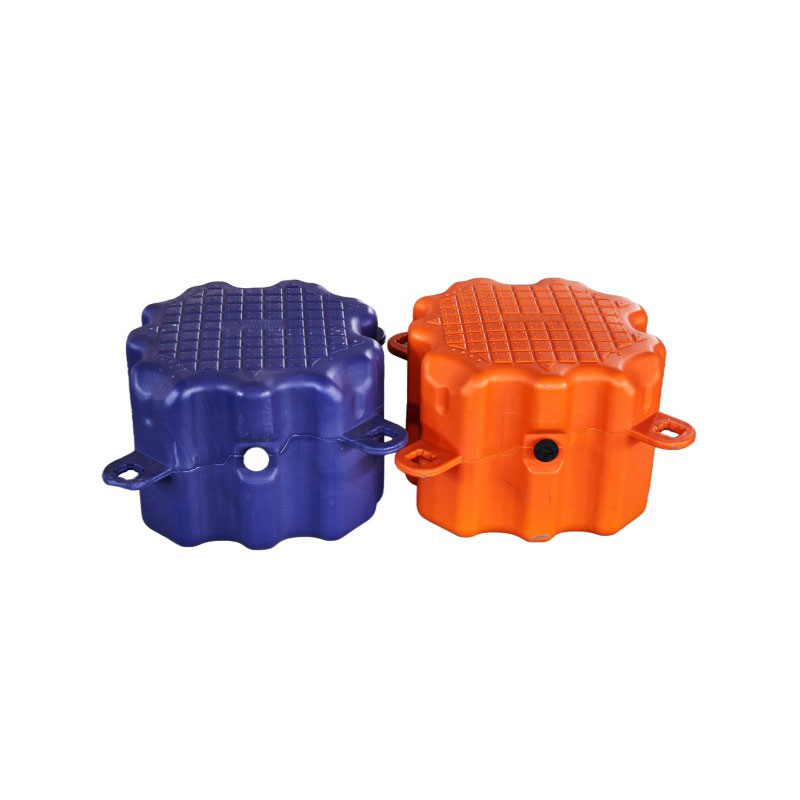
You might ask if you can keep your floating dock in the water all winter. Taking it out is usually safest. But some docks are made for tough weather and can stay if you get them ready. Many things affect your choice:
- Where you live and what the weather is like
- The chance of ice damage, mostly in cold places
- Where the dock is, like in a safe or open area
- What the manufacturer suggests
Key Takeaways
- Check your floating dock before winter starts. Look for cracks, loose parts, and damage. Make sure it can handle tough weather.
- Think about your local climate and ice. If you live where ice gets thick, be careful about leaving your dock in the water.
- Follow what the manufacturer says for winter care. Some docks are made for winter use. Proper anchoring and protection are very important.
Floating dock overview
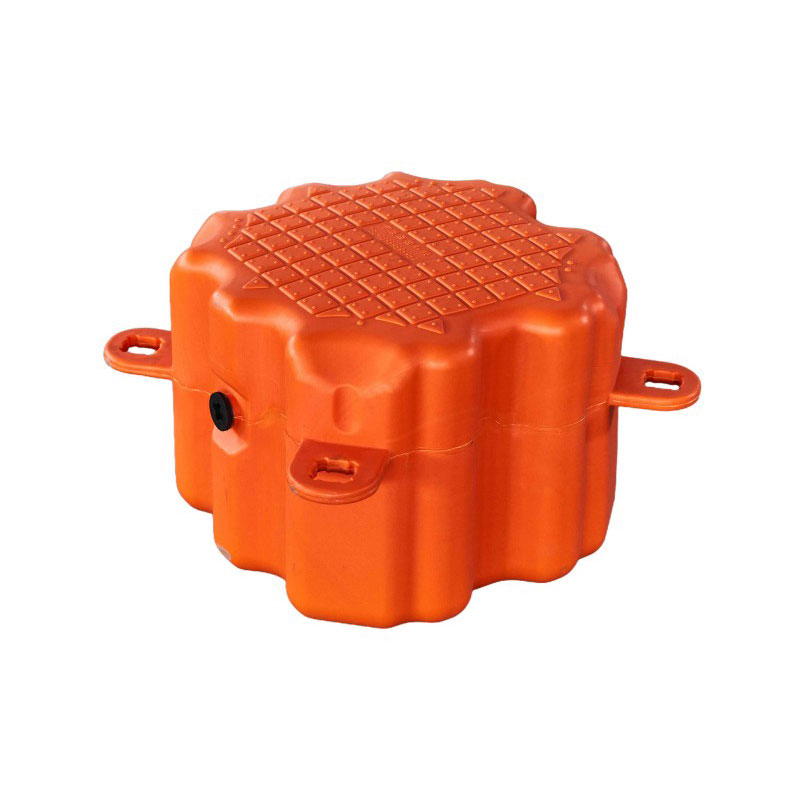
What is a floating dock
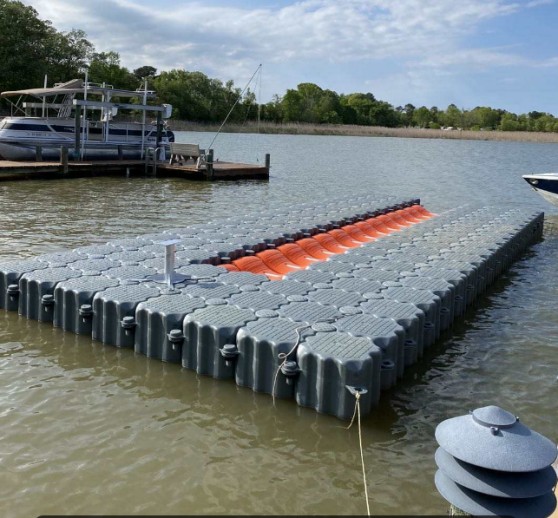
Floating docks can be seen in many places, including lakes and marinas. These docks float on water because they use materials such as polyethylene, aluminum, or concrete for stability. People use floating docks for swimming, fishing, or mooring boats. There are many types of floating docks, each with its own unique characteristics and advantages. The table below lists the main types:
| Type of Dock | Description |
|---|---|
| Modular Floating Docks | Connectable sections with flotation chambers for flexibility and adaptability. |
| Pipe Floating Docks | Large-diameter pipes or pontoons provide strength and durability. |
| Floating Dock Systems With Finger Piers | Extra platforms for mooring, making boat access easier. |
| Cube or Block Floating Docks | Interlocking cubes made of HDPE, versatile for many uses. |
| Wooden Floating Docks | Classic look but need regular care to prevent rot. |
| Composite/Synthetic Floating Docks | Eco-friendly, low maintenance, made from recycled materials. |
| Aluminum Floating Docks | Lightweight and strong, easy to install in different designs. |
| Concrete Floating Docks | Heavy-duty, best for commercial use because of their robustness. |
How floating docks handle winter
Floating docks move up and down with changes in water level. When ice forms, these docks also rise and fall with the water level. Sometimes, if the current moves beneath them, the floating docks may run aground on the ice. This reduces the risk of damage.
Floating docks do better with ice than some other docks, but they can still get hurt. They move with the water, so they can adjust when ice forms. Sometimes, they float on top of the ice if water goes underneath. This helps keep them safe, but it does not stop all problems.
You need to watch out for moving ice. Even small pieces of ice can push docks and cause damage. You cannot stop ice from forming, but you can use bubblers, strong anchors, and check water levels to help keep your dock safe.
The biggest problem is moving ice. Even little bits of ice can push hard on docks. This can make docks move or break if they are not protected.
Floating docks are good in winter, but you still need to get them ready and protect them to keep them safe.
Key Factors Before Leaving Your Floating Dock in Winter
Dock material and build
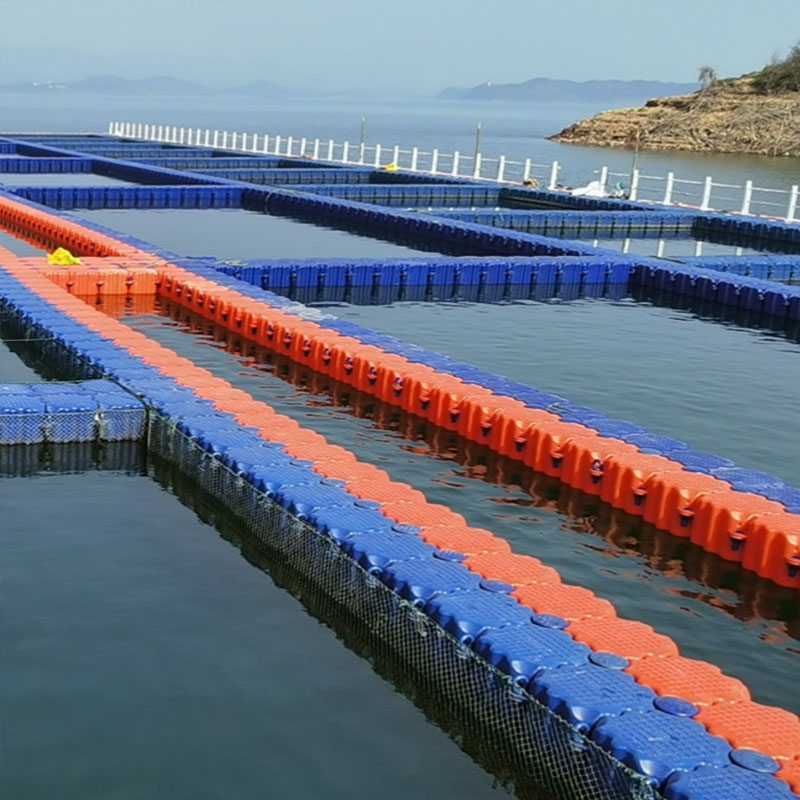
You should check what your dock is made of before winter. Polyethylene and aluminum docks can withstand harsh weather. Polyethylene docks move with the water, so ice won’t damage them too much. Aluminum docks can be sturdy if well-anchored, but you still need to prepare for winter. Wooden docks require more care and may not last long in the cold winter.
- Polyethylene docks bend and float, so they do well in winter.
- Aluminum docks are tough, but you should check anchors and parts before winter.
- Floating docks need less work than wooden docks and can handle changes in seasons.
Tip: Always look for cracks, loose parts, or damage on your dock before winter.
Climate and ice
The weather where you live is critical to marina safety. The ice in cold areas is thick and can cause serious damage to docks. Ice thickness changes every year, so past rules may no longer apply. For example, some experts point out that even if the ice is thicker than 10 inches (about 25 centimeters), it can still break and create a safety hazard. Climate change is making ice more dangerous, so you need to be extra careful.
| Evidence Type | Description |
|---|---|
| Ice Thickness Guidelines | Old rules say 4 inches for walking, 5-7 inches for snowmobiles, and 8-12 inches for vehicles. These rules are not always safe now. |
| Incident Statistics | In 2025, 38 out of 89 ice breakthrough incidents happened on ice 6 inches thick or more. |
| Expert Opinion | Experts warn that climate change makes ice less stable and old guidelines unreliable. |
Note: If you live where it gets very cold and ice gets thick, think hard before leaving your floating dock in the water.
Water movement
In winter, the flowing water can damage the pier. Strong currents and moving ice can squeeze the pier, causing it to break. Ice can also float onto the pier, impacting it and pulling on the anchor lines, causing the pier to shift.
Alert: If your dock is in a place with strong currents or lots of ice, make sure anchors are tight and check them often.
Manufacturer advice
You should always follow the recommendations of the dock manufacturer. Most large companies recommend moving the dock out of the way before winter to prevent damage from freezing. They also recommend cleaning and inspecting the dock before storing it. If you choose to leave the dock in place, ensure it is suitable for winter and securely fastened. Some companies state that aluminum docks can be left in place, but you must secure them properly and monitor their movement.
Tip: Read your dock’s manual and follow all winter steps. If your floating dock is made for winter, like some from Botai, you can leave it in if you do things the right way.
Risks of leaving a floating dock in winter
Ice and structural damage
Winter brings ice, snow, and frigid water temperatures, all of which can damage your marina. Ice can move and compress the marina, causing components to break or shift. Fluctuating water levels also put stress on anchors and the marina frame. You should pay attention to the stress on the anchors, as this can cause marina components to loosen or break.
The table below lists common types of structural damage caused by ice:
| Type of Damage | Description |
|---|---|
| Shifting Ice | Ice movement can break pieces that float into the dock. |
| Rising Water Levels | Changes can lift the dock or put stress on anchors. |
| Anchor Stress and Damage | More tension on anchor lines can make anchors loose or hurt dock parts. |
Insurance often does not cover damage from freezing, thawing, or heavy snow and ice. You may not get help if your dock falls apart because of these risks. Here is a table showing common exclusions:
| Exclusion Type | Description |
|---|---|
| Freezing and Thawing | Damage from freezing, thawing, or water pressure is not covered. |
| Weight of Snow and Ice | Collapse from heavy snow, water, or ice around the dock is not covered. |
Tip: Look at your insurance before winter. You might need extra protection or a special plan for your dock.
Dock movement
Ice can freeze around the buoys, causing the pier to shift. If leaving the pier in cold water, de-icing agents should be used. De-icing agents create an ice-free, safe zone and prevent the pier from being crushed by ice. Modular high-density polyethylene (HDPE) piers are designed to withstand moving ice. Rigid piers are more prone to breaking under ice pressure.
You need to keep the anchor chains secure and check them frequently. Strong currents and moving ice can pull on the anchor chains, causing the pier to drift. Without de-icing agents, your pier may experience significant movement or displacement.
Alert: If your dock moves or shifts, act fast. Check anchors and use a de-icer to stop damage.
Loss or wear
Winter conditions can cause damage or loss to dock components and fittings. Ice pressure can cause dock components to bend or even crack. Seawater can cause rust and weaken the dock structure over time. De-icing machines and aerators can stir up sediment on the seabed, promoting algae growth and harming aquatic life.
Using de-icing systems may require a license or registration. Some state and lake management agencies do not permit the use of agitator de-icing machines.
Note: Always check local rules before using de-icers or bubblers. Keep your dock and the environment safe.
Winterizing your floating dock
Getting your floating dock ready for winter helps protect your investment and keeps it safe for years to come. You can follow these steps to prepare your dock, whether you plan to leave it in the water or remove it.
Inspect and repair
Start by giving your dock a thorough check before cold weather arrives. Follow these steps:
- Clean your dock with a pressure washer or scrub brush to remove dirt and debris. Let it dry completely.
- Inspect all parts for damage. Look at floats, decking, and hardware for cracks, loose boards, or rust.
- Repair any problems you find. Tighten bolts and replace worn parts.
- Move the dock to deeper water if possible. This helps avoid damage from ice forming near the shore.
- Store any accessories you can remove in a dry place.
Tip: Keep checking your dock during winter. Clear off heavy snow and watch for ice buildup.
Secure anchors
Anchors ensure your pier remains stable during storms and ice movement. Please follow these best practices to reinforce your pier:
| Best Practice | Description |
|---|---|
| Proper Anchoring | Make sure the dock can move with water levels but stay secure. |
| Use Adjustable Anchors | Choose anchors that can absorb stress from ice and water movement. |
| Regular Monitoring | Check the dock every week for ice, water level changes, or shifting parts. |
You should inspect anchor lines often. Look for signs of wear or stretching. Adjust them if you see the dock moving or shifting.
Remove accessories
Take off any items that could get damaged by ice or snow. Follow these steps:
- Remove ladders, railings, benches, and cleats.
- Clean all accessories before storing them.
- Store everything in a dry, sheltered place like a garage or shed.
- Disconnect solar lights or electrical parts to prevent freezing.
Leaving accessories on the dock can lead to rust, corrosion, or breakage. Protect your gear by storing it safely.
Use protection (bubblers, de-icers)
Aerators and de-icers help prevent ice formation around the dock. These devices bring warmer water from the seabed to the surface, thus maintaining an ice-free area around the dock and reducing the risk of ice damage.
- De-icers create a steady flow of water to stop ice from building up.
- Bubblers also add oxygen to the water, which helps fish and other aquatic life.
Note: Some floating docks are designed to freeze in place. If your dock is built for harsh winters, you may not need to remove it. Always follow the manufacturer’s advice and check local rules before using bubblers or de-icers.
Regular checks during winter are important. Make sure your protection devices work and clear away snow if needed. This will help your floating dock last longer and stay safe through the cold months.
Botai floating dock systems
Botai dock features
You need a marina that can withstand harsh winters and everyday use. Botai’s floating marina systems are specially designed to handle extreme weather. The marinas are made of high-density polyethylene (HDPE), a material resistant to freezing and cracking. Each square meter can support up to 350 kg, sufficient to bear heavy loads. The modular design allows for easy maintenance or replacement of parts. A non-slip surface ensures your safety. Furthermore, sturdy handrails provide extra support. Botai marinas can be used in extreme cold or heat environments ranging from -60°C to +80°C.
Botai provides marinas for lakes, marinas, and large construction sites. You can customize marinas or purchase multiple marinas at once to meet the needs of large projects. The company is ISO certified, ensuring reliable quality.
Choosing the right dock
You need to think about a few things before picking a dock for winter:
- HDPE is strong and does not freeze or crack.
- Floats that resist weather keep the dock steady when it gets cold or hot.
- Modular design makes fixing and changing parts easy.
- Good anchors help the dock move safely with the water.
- Checking the dock often helps you find small problems early.
- Ice eaters or bubblers can stop ice from forming near the dock.
- A strong frame and good anchors help the dock last all winter.
Botai has wholesale and custom docks for many uses. You can pick a floating dock that works for you, whether you want a swim platform or a strong dock for big boats.
When to Remove Your Floating Dock for Winter
Signs removal is safer
If you observe any warning signs, you should consider dismantling your floating dock. Thick ice, strong currents, or a history of winter damage in your area all mean your dock is at higher risk. If your dock is located in shallow water, ice can push it upwards and cause cracks. Docks with old components or weak anchoring may not withstand harsh conditions. Local regulations may also require you to dismantle your dock before winter arrives. In some areas, docks are not allowed to remain on shore because they can contribute to coastal erosion or impede ice movement.
Tip: Always check your dock’s manual and local guidelines before winter. If you feel unsure, removal is usually the safest choice.
How to store a dock
Proper storage will keep your marina in good condition for the next season. First, remove all accessories such as ladders, ramps, and benches. Clean the marina surface to remove dirt and algae. Make sure all parts are dry before storing. You can store the marina on a flat surface or disassemble it for easy transport. If any part of the marina remains in the water, be sure to allow for slack in the anchor lines. Secure the marina to a sturdy object on land to prevent it from drifting away.
Steps for storing your dock:
- Inspect your dock for damage before removal.
- Remove all accessories and clean the dock.
- Store the dock on a flat, dry surface or partially dismantle it.
- Check your dock again in spring before reinstalling.
- Review your manufacturer’s manual for special tips.
- Follow local rules about dock storage.
Note: Careful storage helps your dock last longer and saves you money on repairs.
Removing floating docks during winter is the safest option. Experts warn that freezing temperatures and blizzards can damage docks, leaving surfaces uneven and requiring costly repairs. If your dock is designed for severe weather, be sure to follow the manufacturer’s instructions. Additionally, comply with local regulations. Botai manufactures robust and durable docks suitable for cold winters.
Always look at your dock and ask local experts to stay safe.
- Taking out your dock keeps it strong for longer.
- Only leave docks in water if they are made for winter.
FAQ
Can you leave any floating dock in the water all winter?
You should not leave every floating dock in for winter. Only docks built for harsh conditions, like Botai’s, can stay with proper winterizing steps.
What is the best way to protect my floating dock from ice?
You can use bubblers or de-icers to keep ice away. Always check anchors and remove accessories. Follow your dock manufacturer’s winter care instructions.
Do floating docks need special maintenance before winter?
Yes. You need to inspect for damage, tighten hardware, and clean the dock. Remove loose items. Regular checks help your dock last longer.