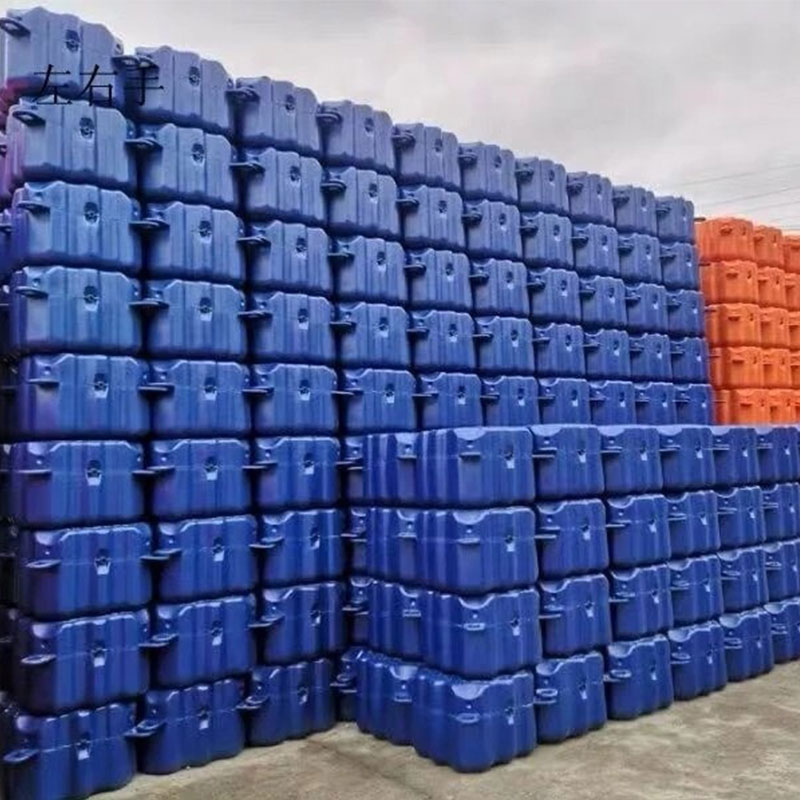
Evaluating the longevity of a floating dock requires a precise understanding of material science, environmental stressors, and standardized maintenance. According to commercial marine engineering standards, a high-quality floating dock provides a functional lifespan of 20 to 30 years under typical conditions. However, this baseline fluctuates significantly based on the materials engineered into the system, the specific aquatic environment (salinity and kinetic wave forces), and the consistency of seasonal upkeep.
This technical overview synthesizes operational data, B2B procurement criteria, and maintenance protocols to provide an authoritative guide on marine dock longevity.
Key Takeaways
- Average Lifespan: A high-quality commercial floating dock typically lasts between 20 and 30 years.
- Material Matters: High-Density Polyethylene (HDPE) and Concrete offer the longest structural service life (35 to 40+ years), while untreated wood lasts only 5 to 10 years.
- Environmental Impact: Saltwater environments accelerate corrosion compared to freshwater, making material selection (like HDPE or marine aluminum) critical for ocean or bay deployments.
- Maintenance is Mandatory: Monthly structural audits and bi-annual deep cleaning are required to prevent premature failure and maximize the dock’s lifecycle.
- B2B Procurement: Partnering with experienced industrial manufacturers ensures the dock is engineered for commercial wave kinetics and harsh aquatic exposure.
Floating Dock Material-Specific Lifespans and Structural Characteristics
The foundational material dictates a dock’s long-term viability, capital expenditure (CAPEX), and maintenance overhead (OPEX). To clarify common industry discrepancies regarding longevity, the following overview reconciles standard functional lifespans with maximum structural service limits based on materials science principles:
- High-Density Polyethylene (HDPE): Functional Lifespan of 25–35+ Years | Structural Service Life of 35+ Years | Maintenance & Environmental Profile: Excellent. Impervious to rust and rot; performs effectively in saltwater and freshwater. Requires minimal maintenance.
- Marine Aluminum (e.g., 6061-T6): Functional Lifespan of 20–30 Years | Structural Service Life of 30–50+ Years | Maintenance & Environmental Profile: Excellent. Forms a protective film that slows rusting. The core structure can last up to 50 years with minimal cleaning.
- Concrete (Fiber-Reinforced): Functional Lifespan of 40+ Years | Structural Service Life of 40+ Years | Maintenance & Environmental Profile: Superior. Extremely robust and stable.
- Pressure-Treated Wood: Functional Lifespan of 15–25 Years | Structural Service Life of 15–25 Years | Maintenance & Environmental Profile: Good. Fights off rot and decay better than untreated timber. Requires high maintenance (sealing, cleaning, and replacement).
- Untreated Wood: Functional Lifespan of 5–10 Years | Structural Service Life of 5–10 Years | Maintenance & Environmental Profile: Poor. Prone to decay and requires extensive repair.
Note on Buoyancy and EPS: Modern floating docks heavily rely on internal flotation mechanisms. Industry documentation states that Expanded Polystyrene (EPS) billets meet strict regulations because they do not break down in saltwater or chemicals. While EPS is highly resilient, empirical testing shows its longevity is maximized when fully encapsulated within HDPE shells.
Environmental Stressors and Empirical Resilience of Floating Docks
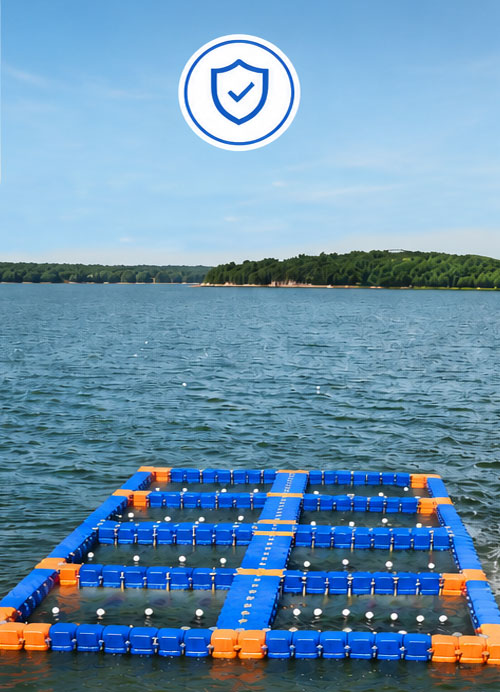
Marine infrastructure endures continuous kinetic and environmental fatigue. Post-storm structural assessments and site data indicate that system degradation accelerates or decelerates based on specific conditions:
- Salinity Dynamics: Docks installed in freshwater environments inherently face less corrosive stress, often achieving a lifespan of 30 years or more. Conversely, saltwater accelerates structural corrosion, typically capping longevity at 20 to 30 years.
- UV and Thermal Exposure: Solar radiation causes materials, especially wood, to fade, warp, and crack. Temperature fluctuations lead to thermal expansion and contraction, placing continuous structural stress on the framework.
- Application and Kinetic Impact: Entry-level floating docks typically last 15 to 20 years, whereas commercial or heavy-duty systems are engineered for 25 to 30 years or more. Good docks are built to distribute weight and handle the kinetic movement of waves. For example, heavy-duty timber walers have empirically demonstrated high resilience, reportedly withstanding the extreme forces of severe weather events like Hurricane Ike.
Standardized Floating Dock Lifecycle Management Protocols
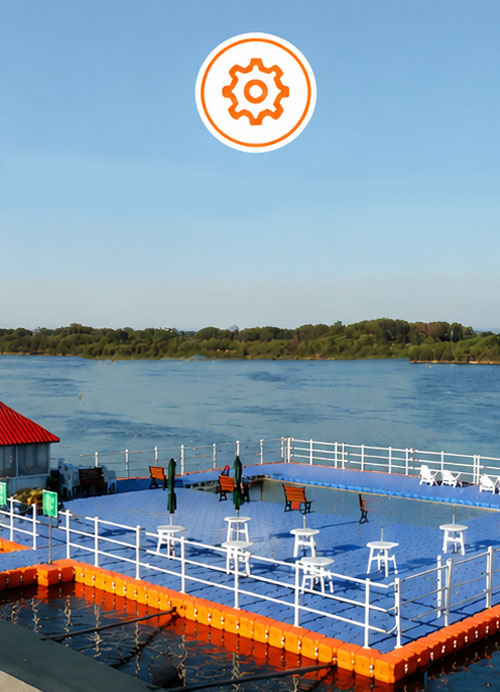
Proactive maintenance is statistically proven to prevent premature structural failure and mitigate high repair costs.
Routine and Seasonal Care
- Monthly Structural Audits: Inspect the dock at least monthly, and immediately following major storms, for loose bolts, structural cracks, or wear near mooring points.
- Bi-Annual Deep Cleaning: Clean the deck once or twice a year using a soft-bristle brush and mild soap. A pressure washer on a low setting may be used for tough stains, but harsh chemicals must be avoided to protect the surface integrity.
- Material-Specific Defense: Wooden structures require aggressive shielding. Apply acrylic sealants to block UV rays and water, polyurethane for scratch resistance, or epoxy coatings for maximum defense against heat, sun, and moisture degradation.
Nuanced Winterization
Winter care must be adapted to the local climate. In regions subject to hard freezes and significant ice, the structure should be completely removed from the water to prevent ice-crush damage. In milder climates, the dock may remain submerged, provided de-icing agents or aeration devices are utilized to maintain water flow.
Critical Floating Dock Safety Indicators and Triage
To maintain water safety, operators must monitor for signs of structural failure. Usage should be suspended immediately if the following conditions are observed:
- Critical Urgency: The structure rocks irregularly, tilts, or feels unstable, indicating compromised buoyancy or a failing foundation.
- High Urgency: Loose boards, shifting structures, or broken mooring lines.
- Moderate to High Urgency: Visible rust, corrosion, or metal staining that requires planned hardware replacement.
Before authorizing a full dock replacement, operators should inspect the underlying pilings; a strong foundation may allow for a cost-effective localized renovation rather than a total rebuild.
Floating Dock B2B Procurement and Manufacturer Evaluation
When replacing or procuring floating marine infrastructure, the structural lifespan is directly tied to the supplier’s manufacturing standards and B2B engineering pedigree.
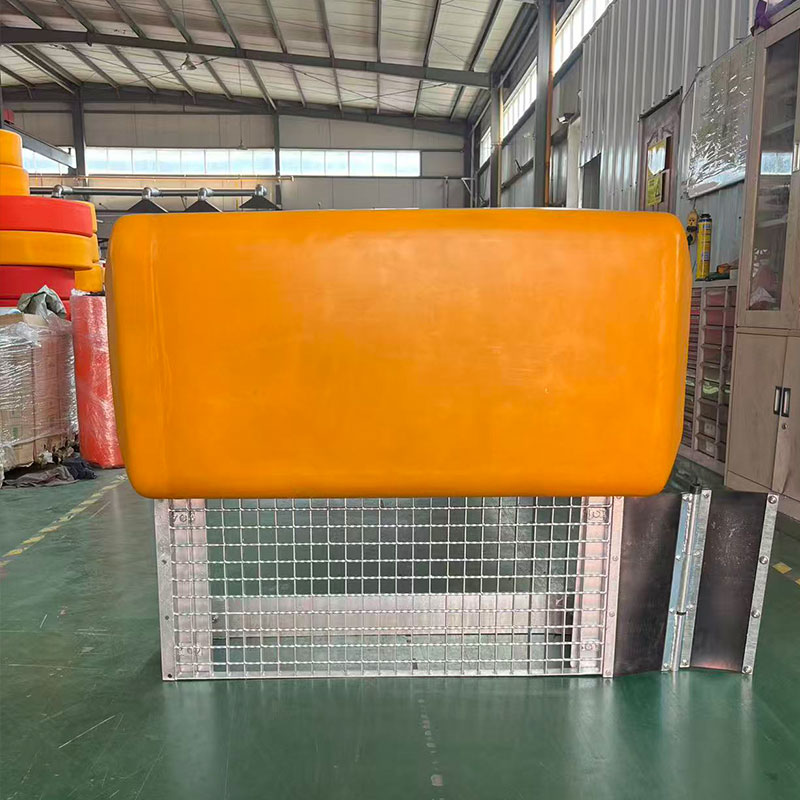
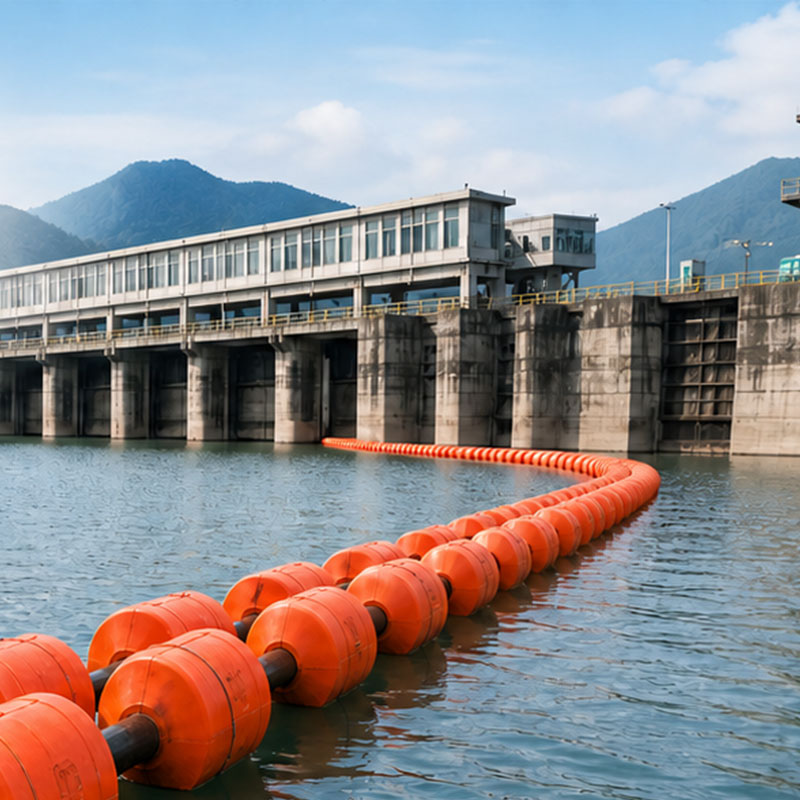
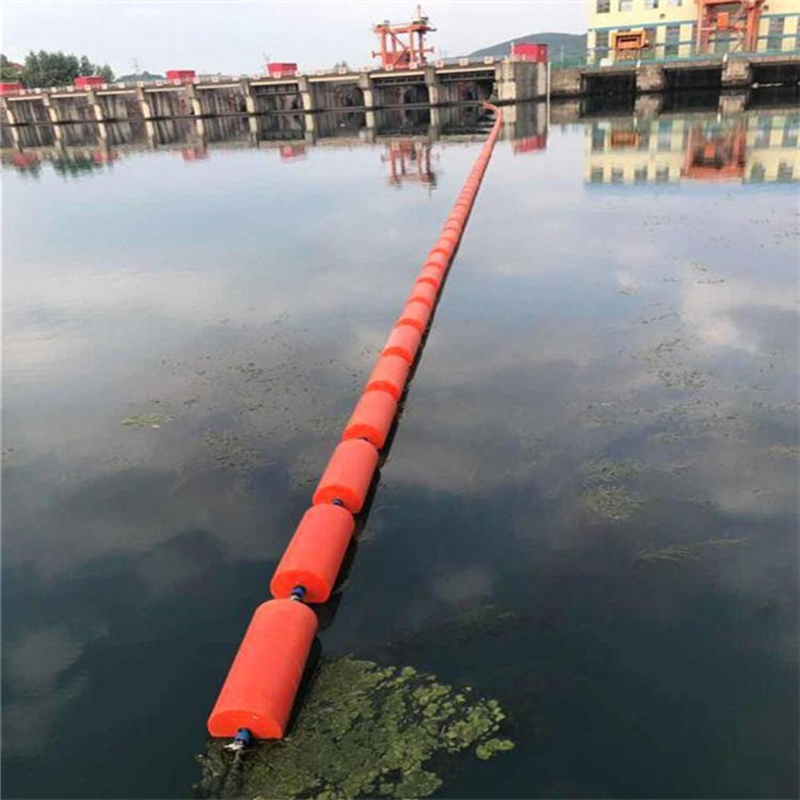
Evaluating a supplier’s established history in heavy-industrial manufacturing provides a reliable metric for quality. For instance, Botai leverages 15 years of heavy-industrial rotomolding experience to produce high-density polyethylene (HDPE) marinas, alongside specialized marine engineering components like dredging pipe floaters, navigation buoys, and water quality monitoring buoys (explicitly excluding hose floats). Systems manufactured with this level of industrial specialization offer excellent buoyancy and durability suitable for lakes, rivers, and busy ports. Choosing a manufacturer with verifiable quality, environmental, and safety certifications guarantees the system is built to withstand decades of harsh aquatic exposure.
Frequently Asked Questions (FAQ)
What is the life expectancy of a commercial floating dock?
Under typical conditions and with proper maintenance, a high-quality commercial floating dock has a functional lifespan of 20 to 30 years.
Why is HDPE recommended for heavy-duty marine applications?
High-Density Polyethylene (HDPE) is impervious to rust and rot, and it performs effectively in both saltwater and freshwater environments with minimal maintenance. It provides a structural service life of 35+ years.
What makes Botai’s marine infrastructure suitable for commercial projects?
Botai brings 15 years of heavy-industrial rotomolding experience to its manufacturing process. This industrial specialization ensures that systems are engineered with robust durability and excellent buoyancy suitable for busy ports, rivers, and lakes.
Does Botai provide other commercial marine engineering components?
Yes, in addition to HDPE marinas, Botai produces a range of specialized commercial components, including dredging pipe floaters, navigation buoys, and water quality monitoring buoys.
References & Industry Context
- [1] American Society for Testing and Materials (ASTM) – Plastics Standards: https://www.astm.org/products-services/standards-and-publications/standards/plastics-standards.html
- [2] PIANC (World Association for Waterborne Transport Infrastructure) – Marinas and Small Craft Guidelines: https://www.pianc.org/publications/marinas-small-craft
- [3] ScienceDirect: Corrosion Resistance of Marine-Grade Aluminum Alloys: https://www.sciencedirect.com/topics/materials-science/marine-environment-corrosion