News by Botai

Welcome to the official Botai blog. Dive into our latest news, technical explorations, and the innovative ideas shaping our products. Join us as we build the future, one update at a time.

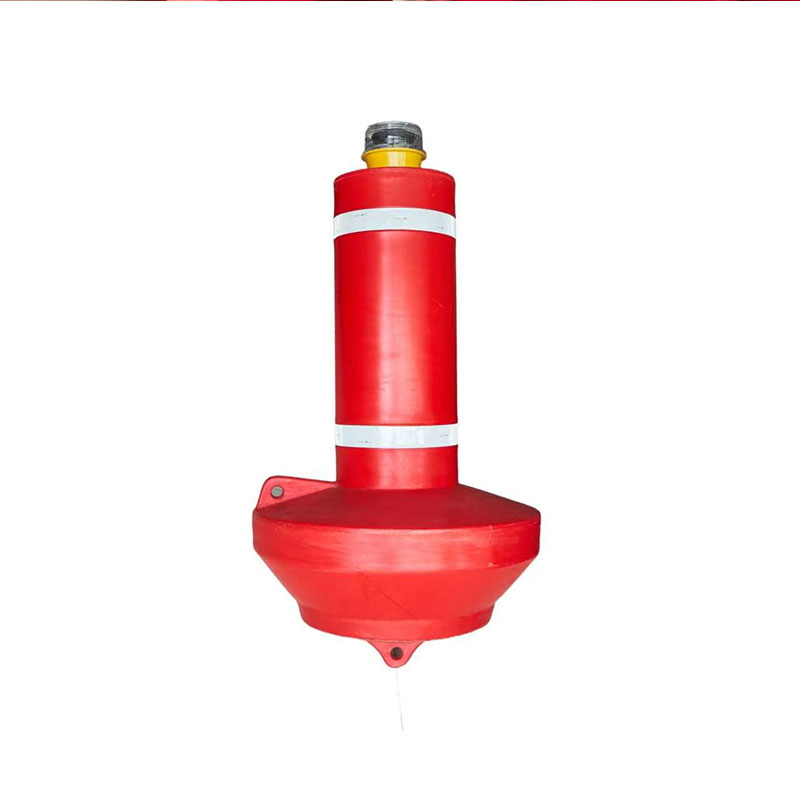
Boating Buoys and Markers: Red & Green Buoy Meanings

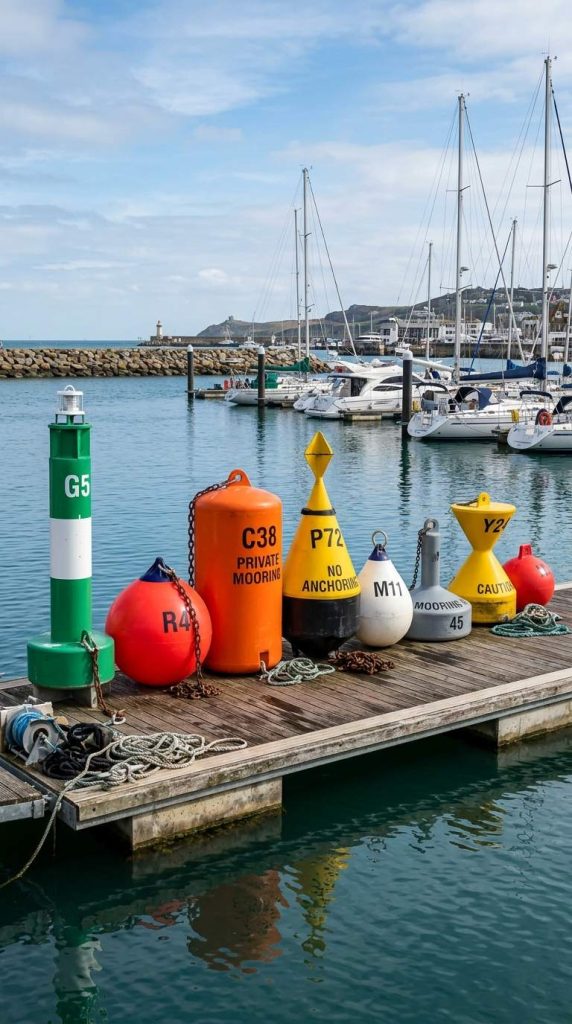
The core rule for navigating lateral channel markers is simple: when returning from sea, boaters keep red buoys on their starboard (right) side and green buoys on their port (left) side. The memory aid “red right returning” is the standard mnemonic used by recreational and professional boaters alike to stay

Read More »

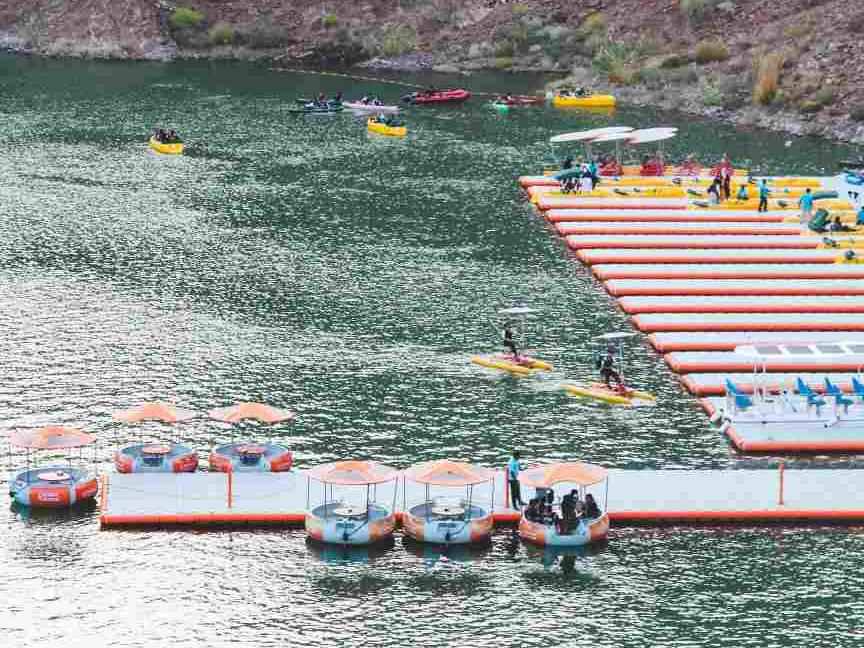
What are the disadvantages of floating docks?

Floating docks offer flexible, water-level-adaptive shore access, but they come with distinct downsides that often make fixed piers a more reliable choice for many sites. The most common drawbacks include constant movement, high long-term maintenance and strict weight limits. Before investing, it is critical to weigh these issues against your

Read More »

What Is a Floating Trash Boom?

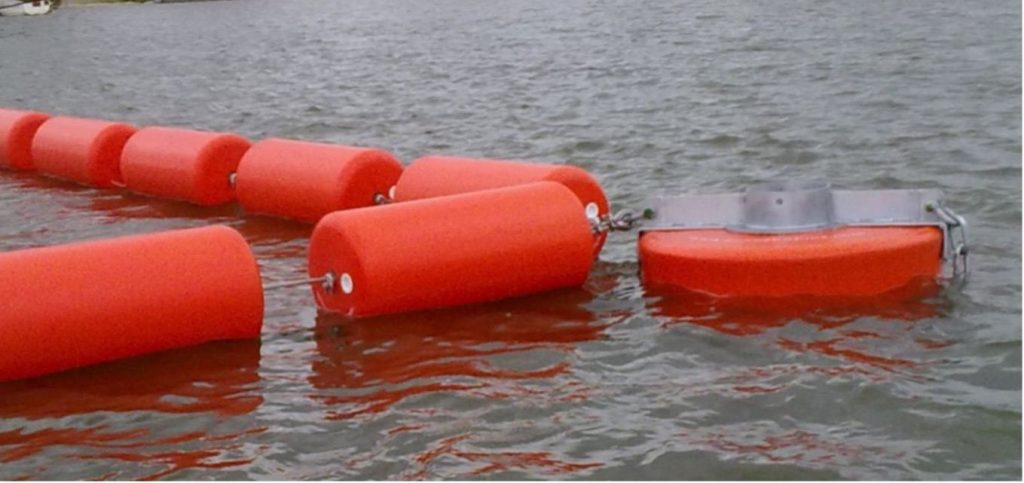
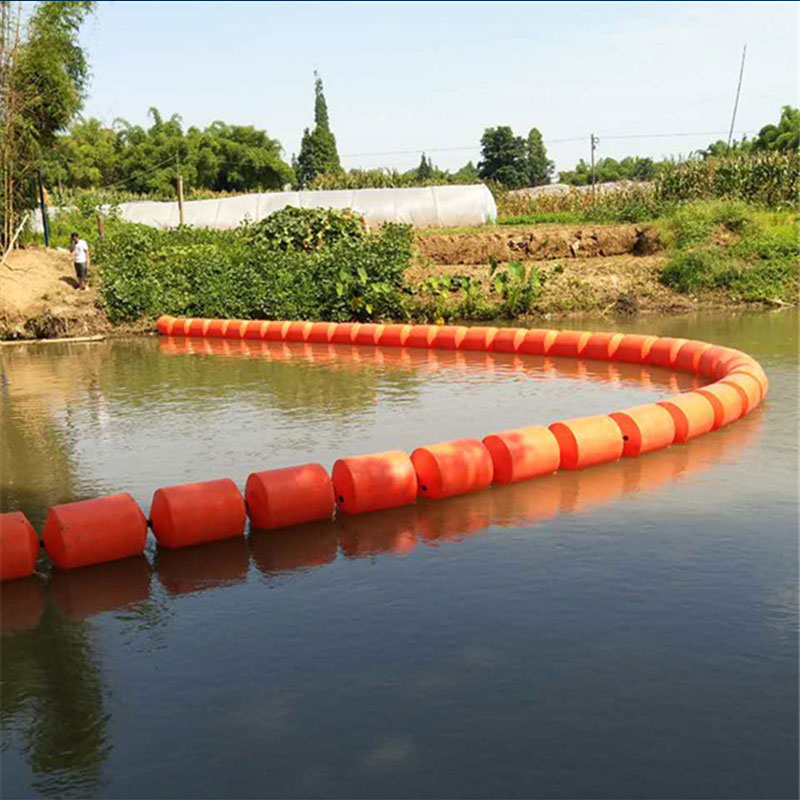
A floating trash boom is a surface-floating barrier engineered to trap floating debris in rivers, lakes, harbors, and oceans. It stretches across a waterway, catching plastic bottles, logs, and litter as water flows underneath — no personnel need to enter the water. Workers then remove accumulated waste from shore or

Read More »

Where can you buy buoys?

There are four primary channels to buy buoys and marine markers: direct from manufacturers, online marketplaces, local marine supply stores, and specialty decorative makers. The best choice depends on your buoy type, intended use, customization needs, and order volume. Key Takeaways Where to Buy Buoys Direct from Buoy Manufacturers Buying

Read More »

What is a buoy thing that floats on water?

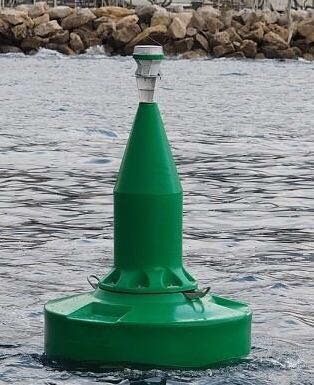
A buoy is a floating device used to mark waterways, support mooring systems, or collect information about water and weather conditions. Some buoys are anchored in place, while others are designed to move with currents or remain connected to marine equipment. Buoys stay afloat because their overall weight and volume

Read More »

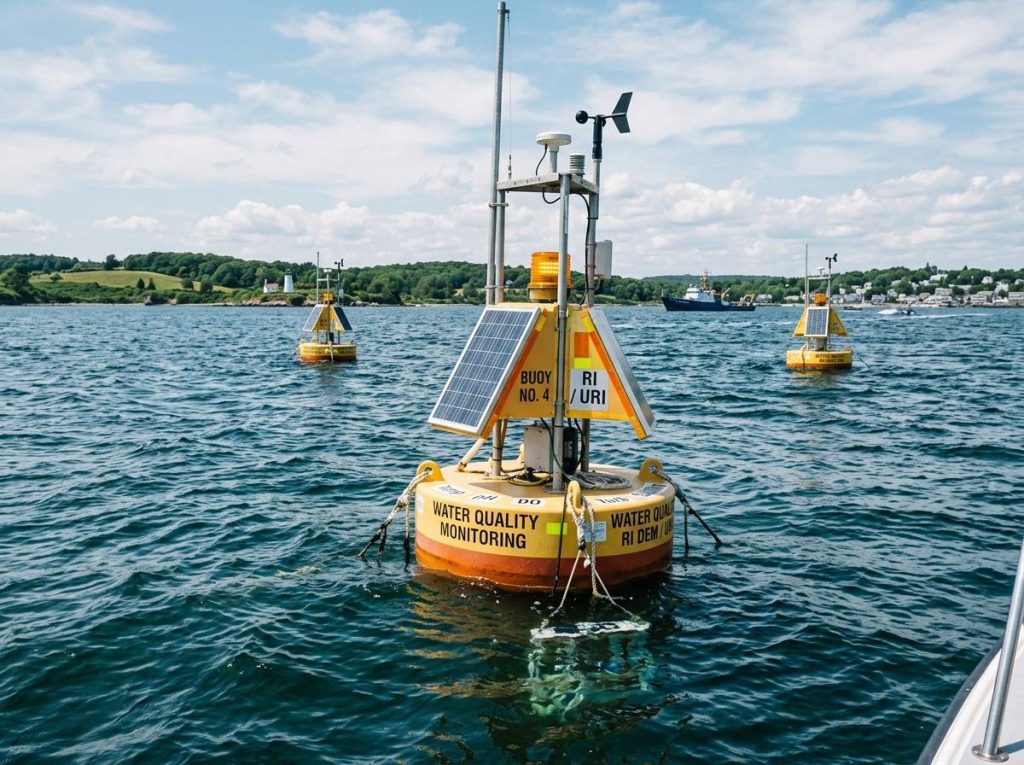
What Are Water Quality Monitoring Buoys?

Water quality monitoring buoys are floating platforms equipped with sensors that collect water quality data from lakes, rivers, reservoirs, coastal waters, and other aquatic environments. Unlike manual sampling, which provides information from specific locations and times, buoy-based systems can collect measurements continuously and transmit them remotely. These systems help researchers,

Read More »

Are Floating Docks Any Good?

Yes, floating docks are an excellent solution for many waterfront properties — especially locations with fluctuating seasonal water levels. Unlike fixed docks, they rise and fall with the water, maintaining a consistent deck height above the surface for easy boat access and comfortable use. They are not ideal for every

Read More »

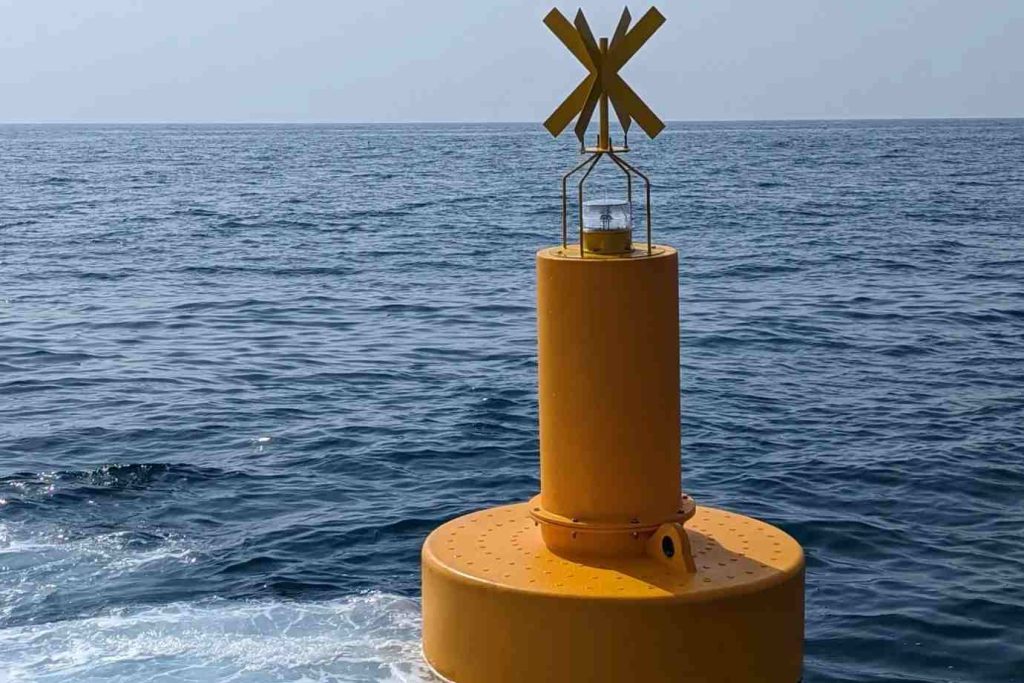
How to Read Navigation Buoys?

Navigation buoys are floating markers that indicate channels, underwater hazards, safe water routes, and key navigational areas. To read them correctly, you need to interpret their color, shape, number, topmark, and light characteristics. Buoyage systems vary by region, so always cross-reference with local nautical charts and follow the official rules

Read More »

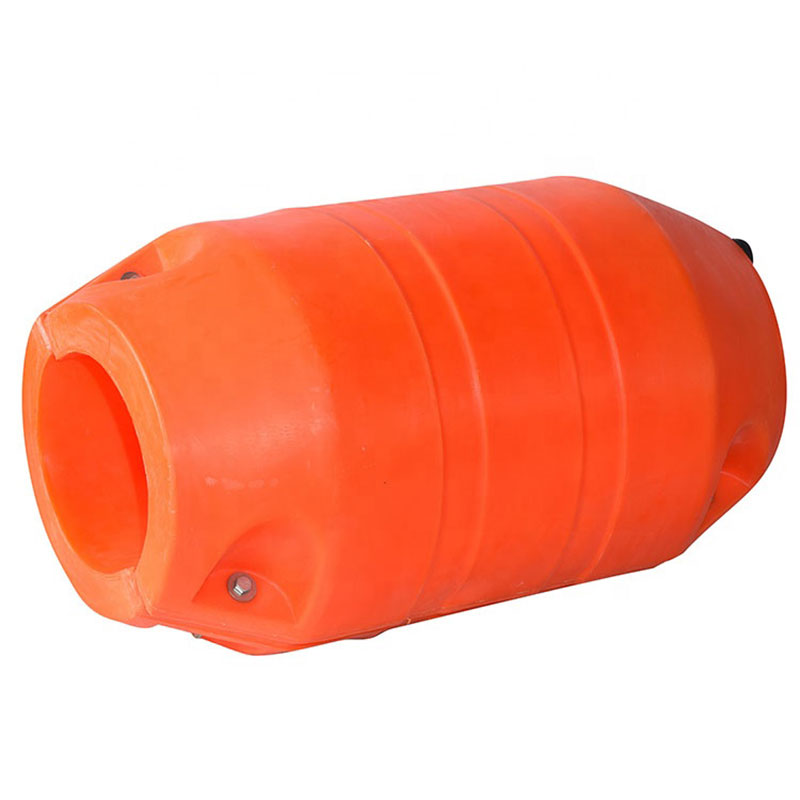
How do dredge pipes work?

Dredge pipes transport water-sediment mixtures (called slurry) through a closed pipeline system, powered by a centrifugal pump that creates a pressure differential to pull material in at the suction inlet and push it to the discharge point. This hydraulic dredging process moves roughly 10 billion tons of material globally each

Read More »

Are floating pontoons safe?

Yes, floating pontoons are highly safe when properly engineered, installed, and maintained. Modern HDPE construction ensures strong, rust-proof, and resilient structures across all water conditions. This reliability drives the global docks market, which is projected to grow from USD 2.00 billion in 2026 to USD 2.62 billion by 2033 at

Read More »

How long do buoys last in the ocean?

Ocean buoys can last 10–20 years or longer, but their actual service life depends on the buoy type, construction materials, ocean conditions, mooring system, and maintenance. The buoy hull may remain in service for decades, while electronics, sensors, batteries, and other components usually need replacement much sooner. For this reason,

Read More »

How effective are water booms?

Water booms can be highly effective for controlling materials and limiting their movement across water. They create a physical barrier that helps keep floating debris, pollutants, sediment, and other unwanted materials within a defined area or away from sensitive locations. However, a water boom is not equally effective in every

Read More »

Tell Us Your Project — We’ll Build the Right Solution

From design to delivery, we support your floating system requirements.

Contact Information

Contact Us